
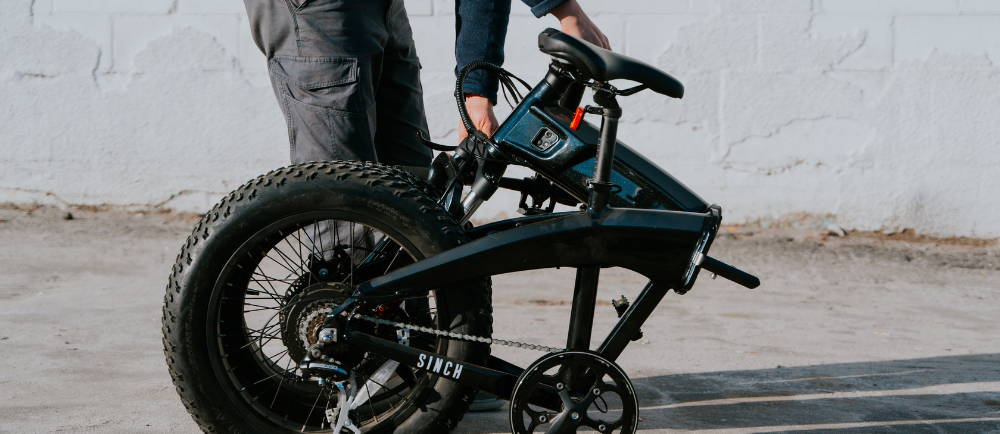
Folding electric bikes have exploded in popularity, and it’s easy to see why. They promise the convenience of a compact, portable ride paired with electric-assisted power. But are they truly the game-changer everyone claims, or is a standard e-bike still the smarter choice for most riders?
Let’s cut through the noise. In this guide, we’ll break down the real differences between folding e-bikes and regular e-bikes — the benefits, the trade-offs, and who each type is actually designed for — so you can make a decision you won’t regret.
In This Article
• Folding E-Bike vs. Standard E-Bike Overview
• They Fold — But Not Always Effortlessly
• Where Folding E-Bikes Truly Shine
• Where Folding E-Bikes Fall Short
• Pros & Cons at a Glance
• Which One Is Right for You?
• Frequently Asked Questions
Folding E‑Bike vs. Standard E‑Bike
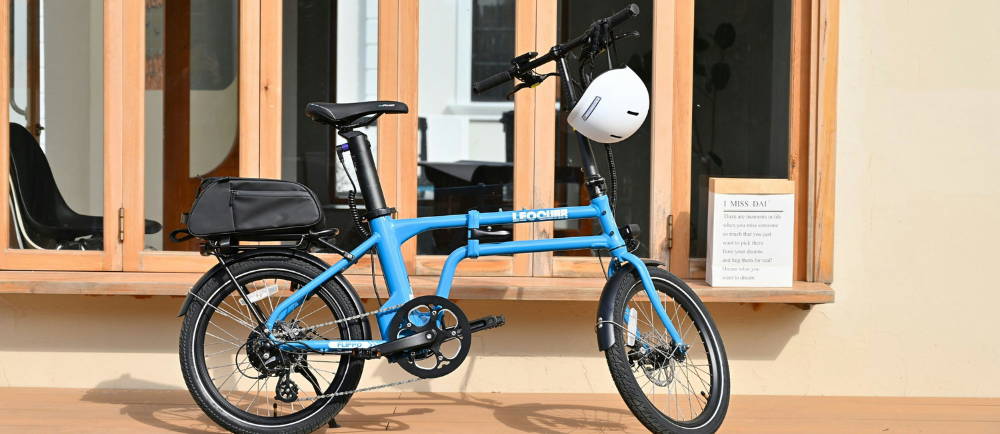
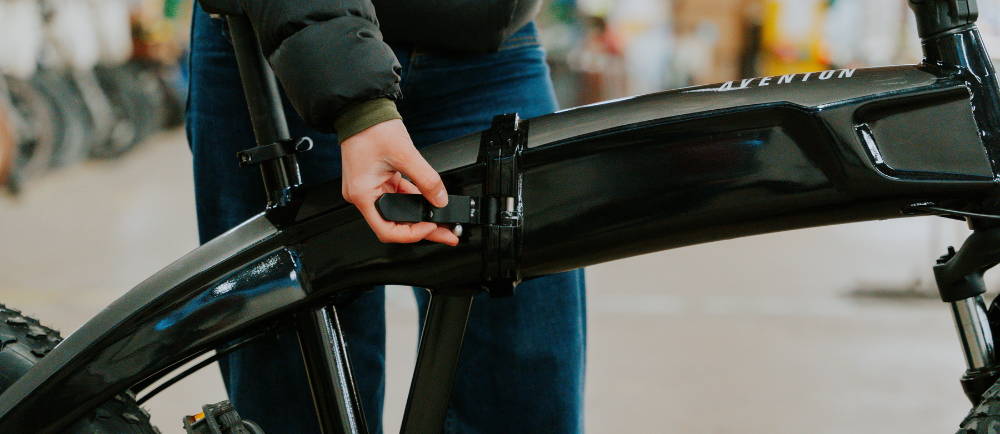
Folding e-bikes are electric-assisted bicycles engineered to collapse into a more compact form for easier storage and transport. They typically feature hinges at the center of the frame and near the handlebars, letting you reduce their footprint significantly. Many models also include collapsible pedals and built-in kickstands for added convenience when stored upright.
You’ll find a range of folding e-bike styles on the market. Budget-friendly options tend to use lighter frames with quick-release joints and smaller wheel sizes — typically around 16 to 20 inches — making them easy to carry but slightly less stable than their full-sized counterparts. Some affordable models can feel noticeably heavier because of the motor and battery pack.
At the premium end, you’ll find lightweight models from well-known brands that are designed to be both robust and portable. These bikes often use compact wheels and refined folding mechanisms to make the transition from ride mode to carry mode as seamless as possible.
They Fold — But Not Always Effortlessly
The biggest selling point of folding e-bikes is their portability — and there’s no denying that they are far more compact than traditional models. However, the addition of an electric motor and battery pack adds a significant amount of weight to the frame. This means that while the bike does fold down, physically collapsing and carrying it isn’t always as effortless as the marketing materials suggest.
Folding e-bikes typically weigh anywhere from 40 to 65 pounds depending on the model. That’s not a problem if you’re rolling it alongside you, but lifting it into a car trunk or hauling it up a flight of stairs can be a workout in itself. Some riders report that the folding mechanism becomes stiff over time, which only adds to the effort.
So while they are foldable, don’t assume they’re featherlight. If your primary use case involves lots of lifting and carrying, you may want to prioritize models on the lighter end of the spectrum — even if that means sacrificing some battery range.
Where Folding E‑Bikes Truly Shine
Setting aside the weight issue, folding electric bikes have some genuinely impressive advantages that make them the ideal choice for certain lifestyles. Here’s where they really deliver:
🚗
Fits in Your Car
The folding mechanism lets you slide the bike into your car trunk without the hassle of a bike rack. Perfect for spontaneous rides at the park or beach.
🏢
Apartment Friendly
Living in a small space? A folding e-bike tucks away in closets, corners, or under desks — no garage needed.
🚆
Multi-Modal Commuting
Combine your bike ride with public transit. Fold it up on the train or bus, then unfold for the last mile to work.
Folding e-bikes can also save you money at the bike shop. Since they fold into a more compact shape, many riders can transport them in a sedan instead of investing in an expensive roof or hitch-mounted bike carrier.
Featured Product
Looking for the Perfect Folding E‑Bike?
Compact, powerful, and built for everyday adventures.

Where Folding E‑Bikes Fall Short
In all honesty, there are real limitations to what folding e-bikes can do — and it’s important to be upfront about them before you invest. Here are the key drawbacks:
First, folding e-bikes tend to feel bulkier and heavier than you might expect. The motor, battery, and reinforced hinge points all add mass. If you’re imagining tossing it over your shoulder like an umbrella, you’ll need to recalibrate those expectations.
Second, they’re not always ideal for public transit. While they do fold, many buses and trains have strict size or weight policies. Some folded e-bikes are still too large to comfortably fit in crowded carriages during rush hour, which defeats a major selling point.
Additionally, many entry-level and mid-range folding e-bikes weigh between 45 and 70 pounds — not exactly something you want to lug up stairs every day. Even higher-end lighter models can feel cumbersome compared to the compact promise.
Finally, at the same price point, a standard e-bike often delivers a smoother, more stable ride with better components. The engineering compromises required for a folding mechanism can mean smaller wheels, less suspension travel, and a riding position that isn’t as comfortable on longer trips.
Folding E‑Bikes: Pros & Cons at a Glance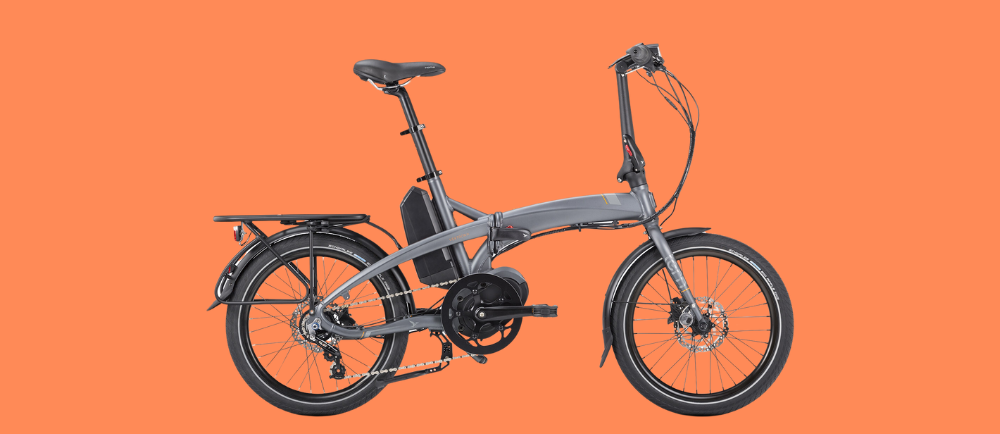
✓ Pros
Fits in car trunks with no bike rack required
Compact enough for apartments, offices, and small spaces
Great for mixed-mode commuting with public transit
✗ Cons
Heavier and bulkier than most people expect
Not always practical for buses, trains, or stairs
Standard e-bikes often offer better ride quality at the same price
Which One Is Right for You?
The honest answer? It depends on how and where you ride. If you regularly need to transport your bike in a vehicle, live in a small apartment with no outdoor storage, or combine cycling with public transit, a folding e-bike is genuinely worth the investment. The portability advantage is real, even if it comes with some weight trade-offs.
On the other hand, if you have a garage or dedicated bike storage, ride primarily on roads or trails, and don’t need to collapse your bike regularly, a standard e-bike will likely give you a better ride experience for the money. You’ll get larger wheels, more comfortable geometry, and often a more powerful drivetrain.
Don’t get caught up in the hype. Think practically about your daily routine, your storage situation, and how you’ll actually use the bike week after week. That’s the lens that will lead you to the right choice.
Ready to Ride?
Explore our compact, foldable electric mini bike — perfect for city living and weekend adventures.
ENGWE T14 Mini BikeFrequently Asked Questions
How do you fold an electric bike?
Folding e-bikes typically have a latch at the center of the frame and another near the handlebars. Release both latches, fold the frame in half, and lower the handlebar stem and seat post. Some models also feature collapsible pedals and built-in stands to keep them upright once folded.
How much do folding e-bikes weigh?
Most folding e-bikes weigh between 40 and 70 pounds. Lower-end models tend to be on the heavier side due to steel frames and larger batteries, while premium options use aluminum or carbon fiber to cut weight down to 35–45 pounds. Always check the listed weight before purchasing if portability is a top priority.
What is the warranty on folding e-bikes?
Warranty coverage varies by manufacturer. Most reputable brands offer at least a one-year warranty on the frame, motor, and battery. Some premium brands extend this to two or three years. Always verify the specific warranty terms with the seller before you buy.
Are folding electric bikes worth it?
If you need portability and compact storage, absolutely. They’re ideal for commuters, apartment dwellers, and anyone who needs to transport their bike by car or transit. However, if ride comfort and performance are your top priorities and storage isn’t an issue, a regular e-bike may be the better investment.
Key Takeaways
1. Folding e-bikes excel at portability and compact storage but come with weight trade-offs.
2. Standard e-bikes typically offer a smoother, more comfortable ride at the same price point.
3. Your choice should be driven by your actual lifestyle — storage situation, commute type, and daily routine.
4. Don’t buy into hype — evaluate based on practical needs, not marketing promises.