
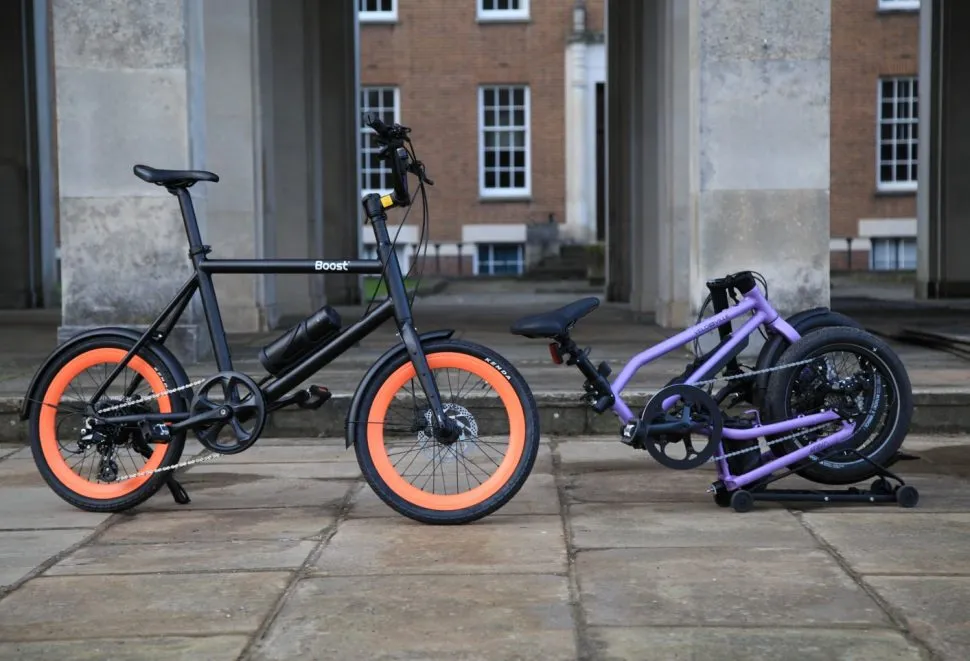
In cities across the globe, urban landscapes are shifting. Sidewalks are getting busier, commuters are rethinking how they get from point A to point B, and the demand for smarter transportation alternatives is growing faster than ever. Whether it's avoiding traffic jams, cutting down on fuel costs, or simply enjoying a more active way to travel, more people are turning to electric bikes as a practical and enjoyable solution.
As cycling infrastructure improves in metropolitan areas, two categories of e-bikes have risen to the forefront of urban mobility: folding e-bikes and compact e-bikes. Both are designed with city life in mind, but they take distinctly different approaches to solving the challenge of getting around town efficiently. Understanding those differences can help you pick the ride that truly fits your lifestyle.
All Things Equal
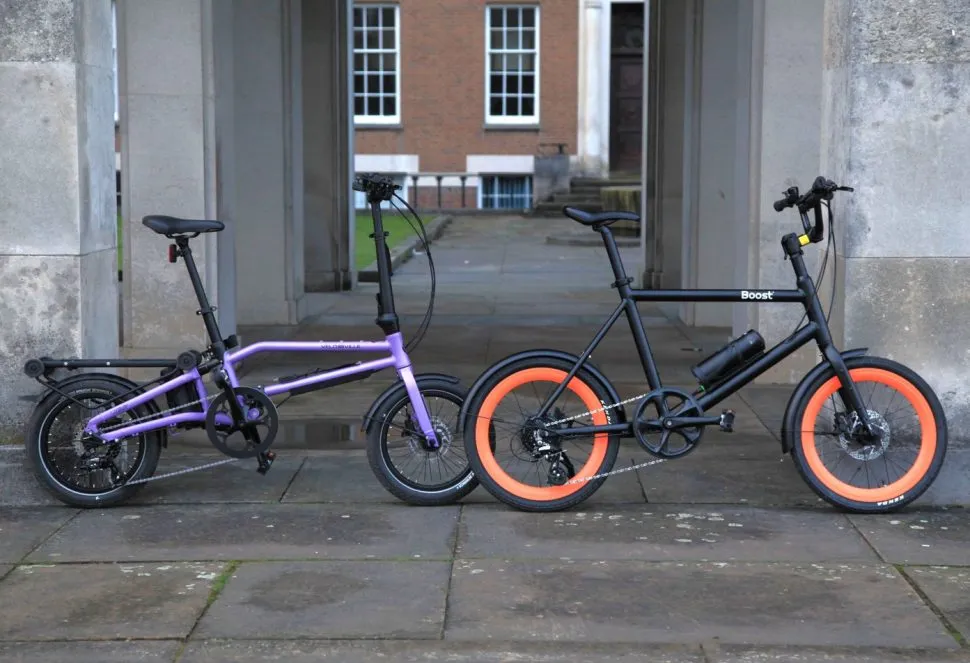
Before diving into what sets these two styles apart, it's worth pointing out what they share. Both folding and compact e-bikes are built with the urban commuter at their core. They tend to feature smaller wheel sizes — typically in the 16- to 20-inch range — which makes them nimble, easy to handle in tight spaces, and simple to park or store in compact living situations.
Whether you go for a folder or a compact model, you'll find that most options in these categories offer pedal-assist or throttle systems, dependable braking, and enough battery range to cover the average daily commute with room to spare. Both types also tend to weigh less than their full-size counterparts, making them easier to carry up a flight of stairs or load into the trunk of a car.
In terms of utility, both styles serve the same fundamental purpose: providing a convenient, eco-friendly, and cost-effective way to navigate the urban environment. The differences emerge when you start looking at how each design prioritizes portability, ride comfort, durability, and overall value.
Electric Folding Bikes — The Pros and Cons
Folding e-bikes have carved out a passionate following among city commuters, and it's easy to see why. Their ability to collapse into a significantly smaller footprint makes them uniquely suited for riders who mix cycling with public transit, have limited storage space at home, or need a bike that can tuck away under a desk at the office.
Reasons to Buy a Folding E-Bike
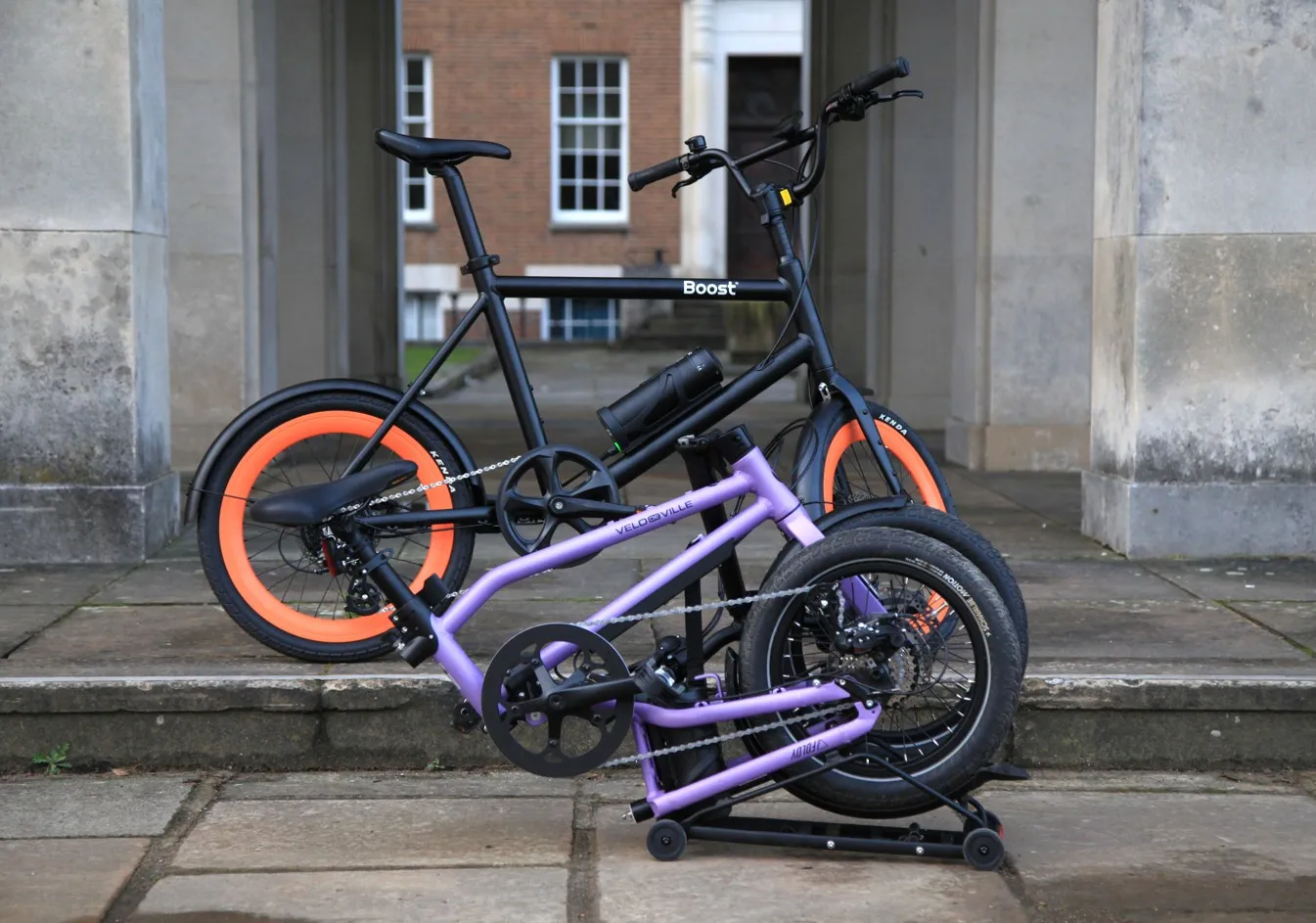
The standout advantage of any folding e-bike is obvious — it folds. In a matter of seconds, you can reduce the bike down to a fraction of its riding size, making it easy to carry onto a bus, slide into a train compartment, or stash in the corner of a small apartment. For anyone dealing with limited space, this is a game-changer.
If your daily route includes a train ride, a ferry, or even a rideshare, folding e-bikes integrate seamlessly. You can ride to the station, fold the bike, hop on, and unfold it on the other end. No need for bike racks, locks, or worrying about theft while your bike sits outside.
Bike theft is a real concern in most cities. With a folding e-bike, you can bring it indoors wherever you go — into the office, into a restaurant, or into your living room. If the bike is always within arm's reach, the risk of losing it drops dramatically.
Many folding e-bikes are engineered to stay as light as possible. While they'll never be featherweight with a battery and motor onboard, manufacturers work hard to keep the overall weight manageable enough for carrying up stairs, lifting onto luggage racks, or loading into a car boot without breaking a sweat.
The Downsides of Folding E-Bikes
Smaller wheels and a folding frame mean some compromises when it comes to how the bike feels on the road. The ride can sometimes feel less stable at higher speeds, and bumps or cracks in the pavement tend to be more noticeable compared to a full-size frame. Not necessarily a dealbreaker, but worth keeping in mind.
The hinges and latches that make a folding bike so convenient also introduce additional maintenance considerations. Over time and with regular use, these mechanisms can loosen or wear, so it's important to inspect and maintain them periodically to ensure safety and a secure fold.
Folding e-bikes are designed for streamlined travel, not heavy hauling. If your commute involves carrying a lot of gear, groceries, or supplies, you may find the loading capacity of a folding model a bit restrictive compared to compact or full-size alternatives.
The adjustable seat posts and handlebars on folding bikes need to be set precisely for comfort. If you're on the taller side, some models might not accommodate your frame as naturally, and the riding posture can feel less intuitive than a purpose-built compact e-bike.

Compact E-Bikes — The Pros and Cons
Compact e-bikes take a slightly different approach to city riding. Rather than folding down for storage, they rely on a naturally smaller frame and wheel size to remain nimble and space-efficient — without the added complexity of hinges and folding joints. The result is often a sturdier, more road-confident ride.
Reasons to Buy a Compact E-Bike
Without the compromises that come with a folding mechanism, compact e-bikes tend to offer a more planted, confident ride feel. The solid frame construction translates to better handling on uneven roads, smoother cornering, and a generally more enjoyable cycling experience over longer distances.
Because there are no folding joints in the frame, compact e-bikes can handle greater stress and load. This makes them a solid choice for riders who plan to use racks, baskets, or panniers for daily errands and grocery runs — or for anyone who simply wants a more rugged build.
Fewer moving parts means fewer things that can go wrong. Without folding mechanisms to worry about, compact e-bikes require less specialized upkeep. Standard bicycle maintenance — tire pressure, brake pads, chain care — is generally all you need to keep things running smoothly.
Compact e-bikes typically use more standardized components, making it easier to find replacement parts and accessories. Whether you want to swap out a saddle, upgrade the grips, or replace the tires, you'll often find a wider range of compatible options compared to folding-specific parts.
The Downsides of Compact E-Bikes
The most obvious limitation — a compact e-bike doesn't fold. If you need to take it on a train, store it in a tight closet, or toss it in the trunk of a small car, it's going to take up more space. For commuters who regularly combine cycling with public transport, this can be a real sticking point.
Even though compact e-bikes are smaller than traditional bikes, they still require a dedicated parking or storage spot. If you live in a studio apartment or share a small space, fitting a non-folding bike indoors can be more of a challenge than you'd expect.
Since a compact e-bike typically stays outside or in a shared bike area, it's more exposed to the risk of theft. Good locks and secure parking options become essential — and even then, the anxiety of leaving an expensive e-bike unattended doesn't fully go away.
Looking for the Perfect Urban E-Bike?
The ENGWE T14 packs a powerful 48V/10Ah battery with a 350W motor into a sleek, foldable mini bike frame — built for city streets and effortless commuting.
ENGWE T14 Mini BikeWhich One Should You Choose?
The decision between a folding e-bike and a compact e-bike ultimately comes down to how you plan to use it. There's no universally right answer — only the answer that works best for your specific situation, commute, and priorities.
Choose a folding e-bike if portability is your top concern. If you regularly combine cycling with bus or rail travel, live in a small apartment, or want the peace of mind that comes from bringing your bike indoors everywhere you go, the folding design will serve you well. The minor trade-offs in ride quality and durability are a fair exchange for that kind of flexibility.
Choose a compact e-bike if ride comfort and structural durability matter most to you. If your commute is mainly on two wheels from start to finish, you have a reasonable place to store or lock the bike, and you want something that feels robust and confidence-inspiring on the road, the compact frame will likely be the better fit.
The Bottom Line
Both folding and compact e-bikes are excellent tools for urban transportation. They save time, reduce costs, lower your environmental impact, and — let's be honest — they're just fun to ride. The best choice is the one that aligns with the way you move through your city every day. Take stock of your storage situation, your commute pattern, and what matters most to you on the road, and you'll find the perfect match.
Urban mobility is evolving fast, and e-bikes are leading the charge. Whether you fold it up and take it on the train or ride it confidently through the bike lane without a hinge in sight, the most important step is simply getting on the saddle and going.