
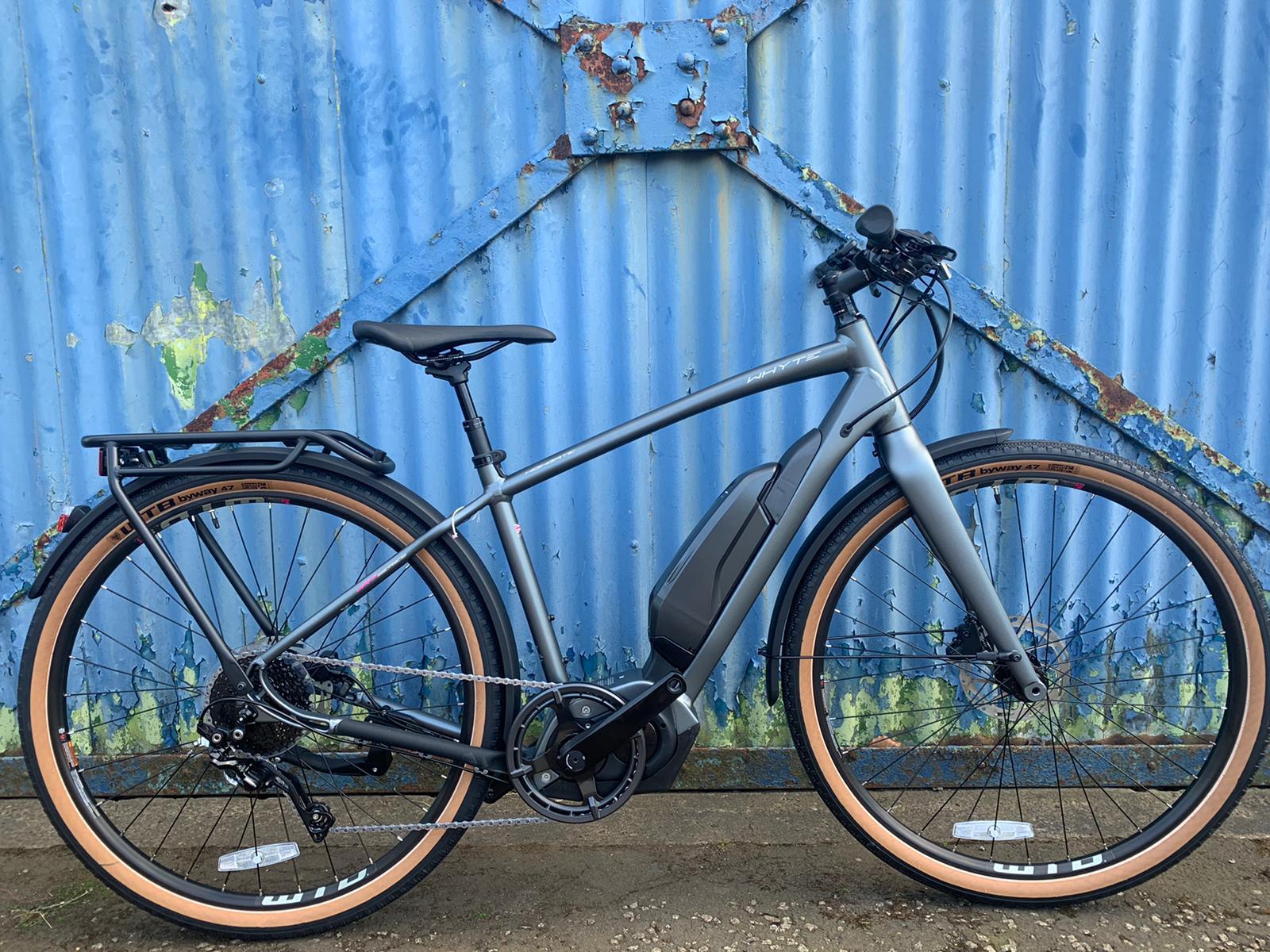
Electric bicycles have rapidly grown in popularity, transforming the way people commute, exercise, and explore the outdoors. Whether you want to conquer steep hills without breaking a sweat or simply extend your riding range, an e-bike could be the perfect solution. But what exactly makes them tick? In this guide, we break down the essential technology behind electric bikes so you can make a confident, informed purchase.
Common E-Bike Categories:
Pedal-Assist (Pedelec): The motor only kicks in when you pedal, providing a boost that makes riding feel effortless. This is the most common type of electric bike on the road today.
Throttle-Controlled: A handlebar throttle lets you engage the motor without pedaling at all — ideal for those who want a moped-like experience on two wheels.
Speed Pedelec: A higher-powered pedal-assist bike capable of reaching speeds up to 28 mph, often classified differently under local regulations.
What Is an E-Bike?
An electric bike — commonly called an e-bike — is essentially a standard bicycle fitted with an integrated electric motor, a rechargeable battery, and a control system. These three elements work together to assist the rider, making pedaling easier and extending the distance you can comfortably travel on a single journey.
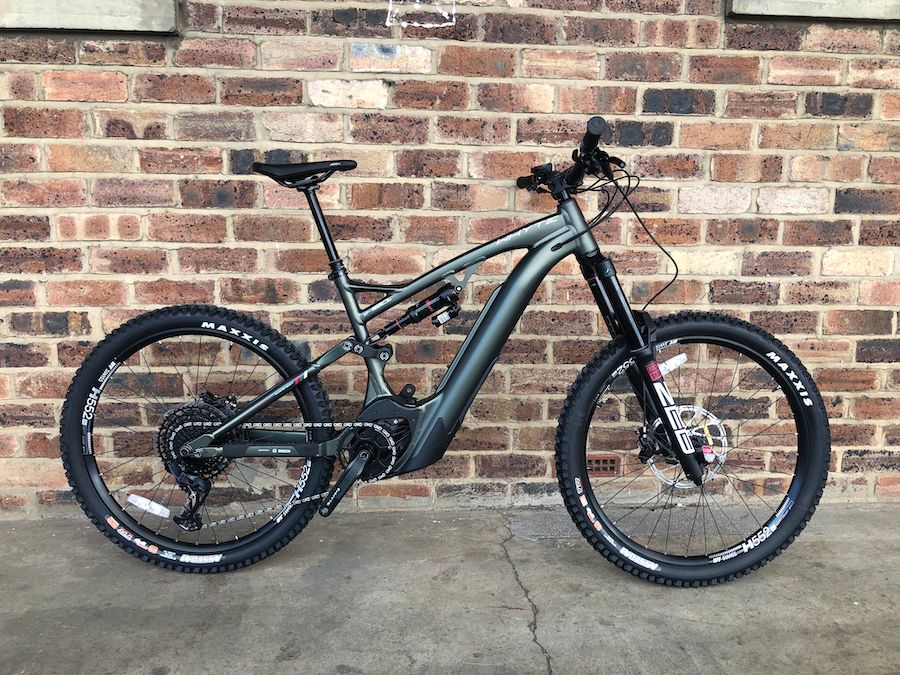
E-bikes come in virtually every style you can imagine: city commuters, mountain bikes, folding bikes, cargo haulers, and more. The electric drivetrain can be added to almost any bicycle frame, which means there is an e-bike out there for nearly every type of rider. Legally, most regions classify e-bikes separately from motorcycles or mopeds, provided the motor stays within specific power and speed thresholds.
The beauty of an e-bike is simplicity. You ride it exactly like a regular bicycle — the motor simply makes each pedal stroke more powerful. When you stop pedaling, the assistance fades. There is no clutch, no gear lever, and no exhaust. It is cycling, just with a helpful push.
E-Bike Components
Every electric bicycle is built around a handful of key components that determine how the bike performs, how far it can travel, and how enjoyable it is to ride. Understanding these parts will help you compare models with confidence and choose the right e-bike for your lifestyle.
The Motor
The motor is the heart of any electric bike. It is the component responsible for converting electrical energy from the battery into mechanical force that propels the bike forward. Motors are typically rated in watts — most consumer e-bikes range between 250W and 750W — and higher wattage generally translates to more climbing power and faster acceleration.
There are two primary motor placements you will encounter:
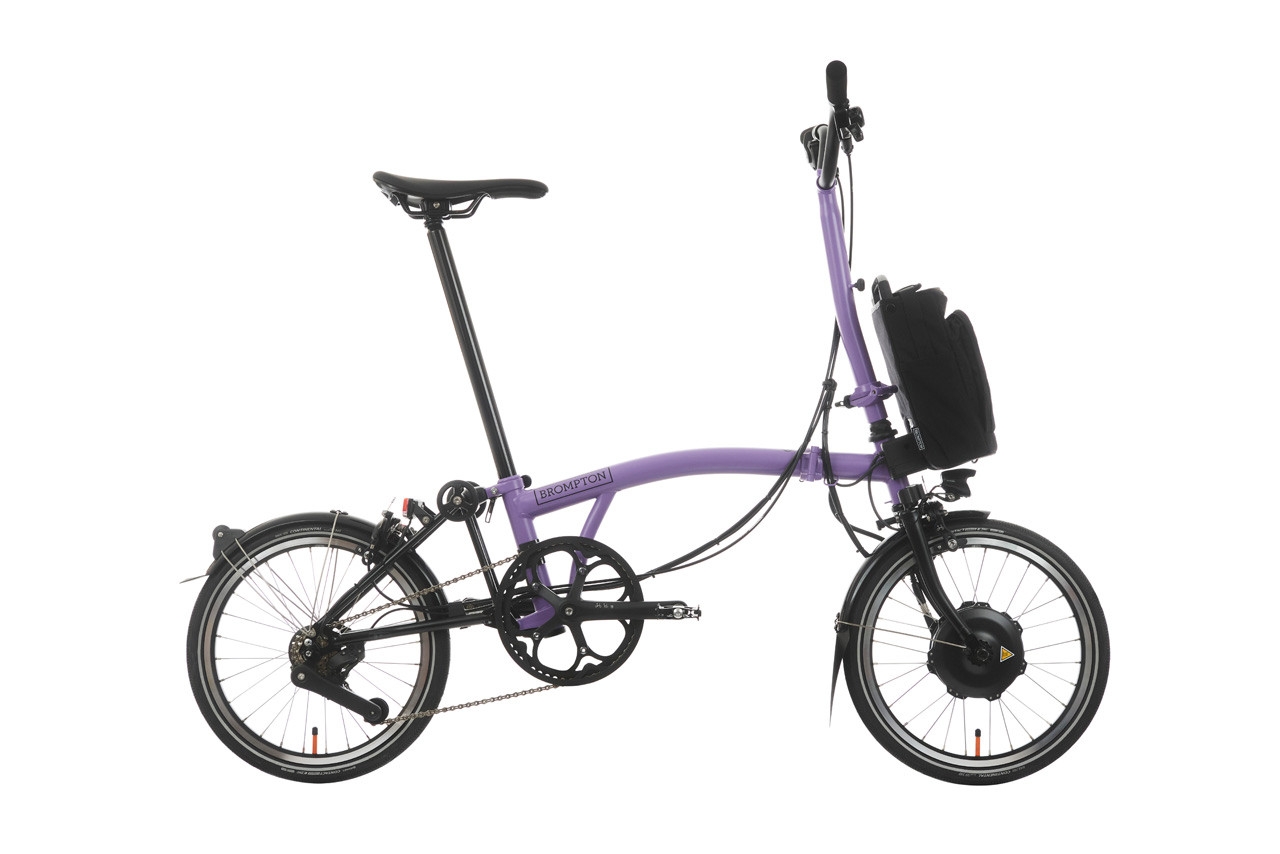
- Hub Motor: Mounted in the center of either the front or rear wheel, hub motors are the most common type. Rear hub motors deliver a natural riding feel by pushing you from behind, while front hub motors pull you forward. They are generally affordable, low-maintenance, and easy to service.
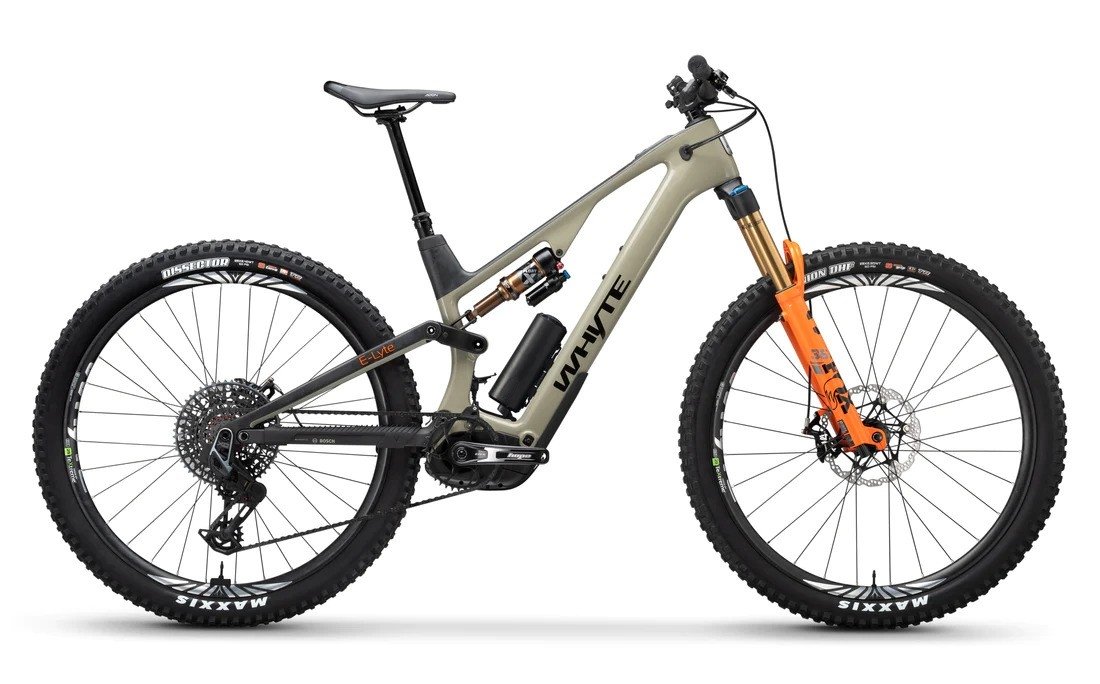
- Mid-Drive Motor: Positioned at the bottom bracket where the pedals attach, mid-drive motors leverage the bicycle's existing gear system. This results in better weight distribution, superior hill-climbing ability, and a more balanced, intuitive riding experience. They are favored by performance-oriented riders and those tackling varied terrain.
The motor type you choose will depend on your priorities. If you mainly ride on flat city streets, a hub motor is efficient and cost-effective. If you regularly face steep gradients or off-road trails, a mid-drive system will serve you far better.
Gear Hub
Some e-bikes feature a geared hub motor rather than a direct-drive hub. Inside a geared hub, a set of internal planetary gears reduces the motor speed and increases torque. This makes geared hubs excellent for stop-and-go city riding and hill climbing, while keeping the overall motor unit compact and relatively lightweight. The trade-off is that the internal gears can eventually wear down over many thousands of miles.
Direct Drive
A direct-drive hub motor has no internal gearing at all — the motor shaft is connected directly to the wheel. This design is mechanically simple, virtually silent, and almost maintenance-free. Direct-drive motors excel at maintaining higher speeds once you get rolling, making them a strong choice for long, flat commutes. They also support regenerative braking on some models, which feeds a small amount of energy back into the battery when you slow down.
One notable characteristic of direct-drive hubs is their size. Because there are no gears to multiply torque, the motor itself must be larger to produce the same force. This means direct-drive wheels tend to be heavier and bulkier than their geared counterparts.
Battery
The battery is the fuel tank of your e-bike. It stores the electrical energy that powers the motor, and its capacity directly determines how far you can travel on a single charge. E-bike batteries are rated in watt-hours (Wh) — a higher number means more stored energy and, generally, greater range.
Modern e-bikes almost universally use lithium-ion battery cells, the same technology found in smartphones and laptops. Lithium-ion cells offer an excellent balance of energy density, weight, longevity, and cost. A typical e-bike battery delivers between 300Wh and 700Wh, with some premium models reaching beyond 1,000Wh for ultra-long-range riding.
What affects your range? Battery capacity is just one piece of the puzzle. Your actual range will vary based on factors such as rider weight, terrain, wind conditions, tire pressure, the level of pedal assistance selected, and ambient temperature. Riding in a higher assist mode or tackling steep climbs will drain the battery faster, while moderate assistance on flat ground stretches it further.
Battery placement varies across e-bike designs and affects both the look and handling of the bicycle:
- Downtube-Mounted: The most common placement. The battery attaches to or integrates into the frame's downtube, keeping weight low and centered for excellent stability.
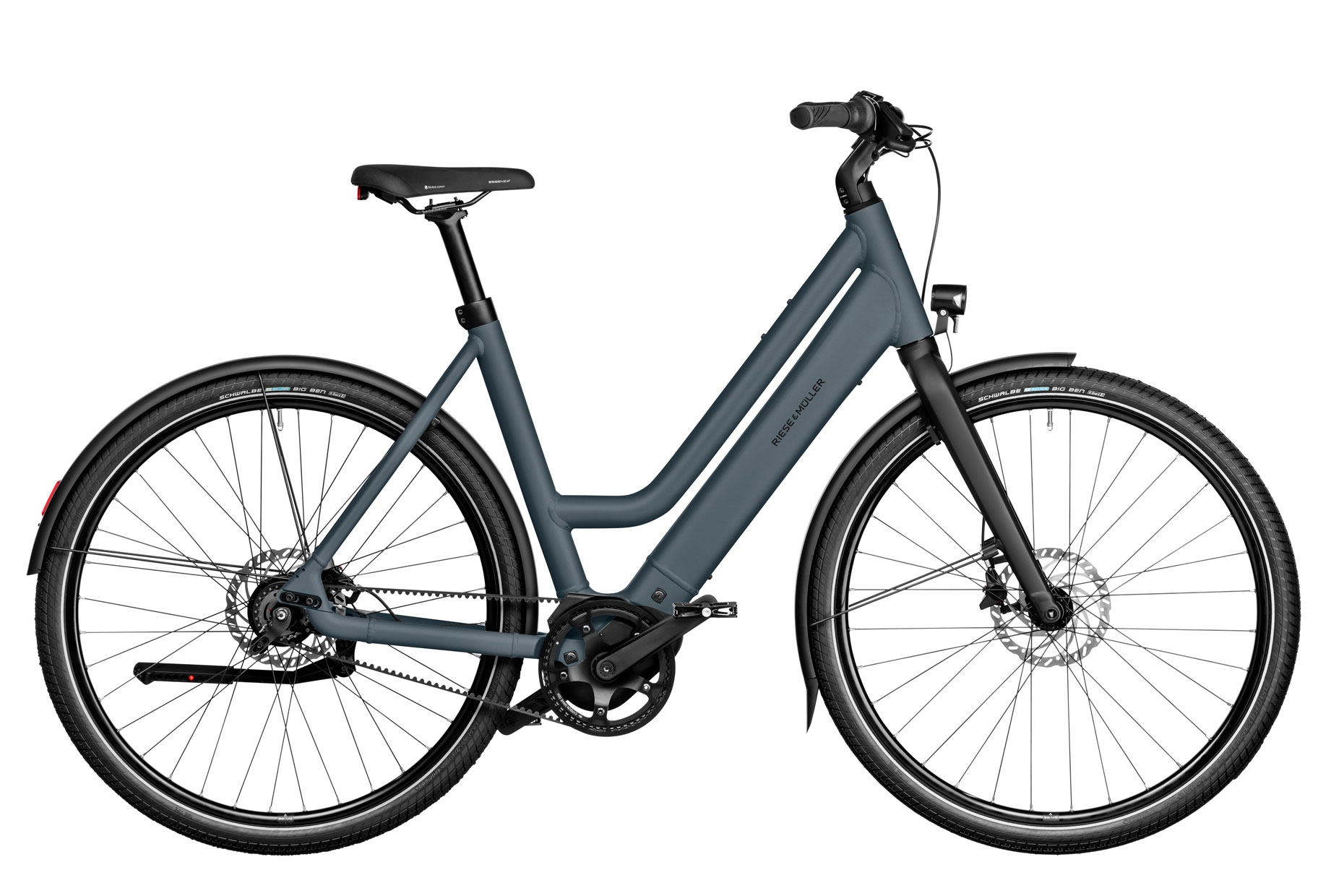
- Integrated: Some modern frames fully enclose the battery inside the frame tube itself. This creates a sleek, stealthy appearance — many people cannot tell it is an e-bike at first glance — though repairs or replacements can be more involved.
- Rear Rack: Occasionally the battery sits on a rack above the rear wheel. This is more common on conversion kits and some urban-style e-bikes. It keeps the frame design simple but raises the center of gravity slightly.
The Sensor
Sensors are the unsung heroes of the e-bike experience. They communicate between your pedaling effort and the motor, ensuring the electric assistance feels natural rather than jarring. There are two main sensor types:
- Cadence Sensor: Detects whether the pedals are spinning and at what speed. When you start pedaling, the motor activates. When you stop, it cuts off. Simple and reliable, but the power delivery can feel somewhat binary — on or off.
- Torque Sensor: Measures how hard you are pressing on the pedals, then provides proportional assistance. Push harder on a hill, and the motor responds with more power. Ease off on a flat stretch, and assistance decreases. This creates a smooth, intuitive ride that closely mirrors the feel of a traditional bicycle.
Many mid-range and premium e-bikes use torque sensors for a superior riding experience, while budget-friendly models often rely on cadence sensors. Some advanced systems combine both for the best of both worlds.
How to Use an E-Bike
Riding an electric bike is refreshingly straightforward. If you can ride a conventional bicycle, you can ride an e-bike — the learning curve is virtually nonexistent. Here is a quick overview of the typical experience:
- Turn on the display or control unit, usually mounted on the handlebars. This powers up the electronic system and allows you to select your preferred assistance level.
- Choose an assist mode. Most e-bikes offer multiple levels — often labeled Eco, Tour, Sport, and Turbo — each providing progressively more motor power. Start with a lower setting and increase as needed.
- Begin pedaling. On a pedal-assist bike, the motor will seamlessly add power to your effort. On a throttle-equipped model, you can also twist the throttle to engage the motor independently.
- Use the brakes normally. On most e-bikes, pulling the brake lever automatically cuts motor power for safe, predictable stopping.
The display typically shows useful information such as your current speed, battery level, distance traveled, and the active assist mode. Some advanced systems also provide GPS navigation, fitness tracking, and smartphone connectivity.
Charging & Battery Care
Taking proper care of your e-bike battery is the single most important thing you can do to protect your investment and maintain peak performance over the long term. Lithium-ion batteries are durable, but they do have specific care requirements that, when followed, will dramatically extend their useful life.
Essential Battery Care Tips:
- Use the provided charger. Always use the charger that came with your e-bike or an approved replacement. Third-party chargers may deliver incorrect voltage or amperage that can damage cells.
- Avoid full depletion. Try not to run the battery down to zero. Lithium-ion cells perform best and last longest when kept between roughly 20% and 80% charge during everyday use.
- Charge after every ride. It is perfectly fine to top off the battery after each outing, even if it is not fully depleted. Frequent partial charges are gentler on lithium-ion cells than deep discharge cycles.
- Store smartly. If you plan to store the bike for an extended period, charge the battery to approximately 50–60% and keep it in a cool, dry location. Avoid leaving a fully charged or fully empty battery sitting unused for weeks.
- Mind the temperature. Extreme cold reduces battery range temporarily, while extreme heat can cause permanent capacity loss. Do not charge the battery in freezing conditions, and avoid leaving the bike in direct sunlight on hot days for long stretches.
- Typical charge time. Most e-bike batteries take between 3 and 6 hours to fully charge from empty, depending on capacity and charger output.
A well-maintained lithium-ion battery can last anywhere from 500 to 1,000 full charge cycles before its capacity noticeably diminishes — that equates to several years of regular riding for most people.
Other Components
Display
The display is your command center while riding. Mounted on the handlebars, it shows critical information such as speed, battery status, trip distance, assist level, and sometimes even a clock or calorie estimate. Some displays are small and minimalist, offering just the basics, while others are full-color LCD or LED screens with turn-by-turn navigation and Bluetooth connectivity.
Internal Gears
Internal gear hubs — such as those made by Shimano and Sturmey-Archer — house all the gearing mechanism inside the rear hub shell. They are protected from dirt, rain, and debris, which makes them incredibly low-maintenance. You can shift gears even while stationary, which is a significant advantage in stop-and-go urban traffic. Internal hubs typically offer between 3 and 11 speed ratios.
External Gears
External derailleur systems — the kind with a visible chain moving across a cassette of sprockets — are lighter and offer a wider range of gear ratios than most internal hubs. They are the standard choice on performance-oriented e-bikes such as electric mountain bikes and road e-bikes. The trade-off is that they require more regular maintenance and are exposed to the elements.
Brakes
Because e-bikes are heavier and often faster than regular bicycles, reliable braking is absolutely critical. The two main brake types you will encounter are:
- Disc Brakes (Hydraulic): The gold standard for e-bikes. Hydraulic disc brakes deliver powerful, consistent stopping power in all weather conditions with minimal hand effort. They self-adjust as the pads wear and handle the extra weight of an e-bike with ease.
- Disc Brakes (Mechanical): Cable-actuated disc brakes are a more affordable alternative. They still offer strong stopping power and work well in wet conditions, but they require more hand force and periodic cable adjustment compared to hydraulic systems.
- Rim Brakes: Found on some budget-friendly models, rim brakes clamp down on the wheel rim itself. While they are lightweight and simple, their performance drops significantly in wet weather and they may struggle to manage the higher speeds and weight of a fully loaded e-bike.

Ready to Experience Electric Riding?
Check out our top-selling compact e-bike — perfect for city commuters and weekend adventurers alike.