
Steel-cutting saw blades are an indispensable tool for any metalworker — from seasoned professionals to weekend warriors tackling home projects. Built to slice through steel studs, sheet metal, rods, pipes, channels, and angle iron, these blades bring precision and durability to every cut.
The best-in-class models feature A.G.E. (Advanced Generation Engineering) carbide grades — a specially formulated material that resists breakage and outlasts standard carbide or abrasive discs by a wide margin. Their unique tooth geometry, specialized carbide formulation, and chip-limiting design prevent overheating and keep your workflow smooth.
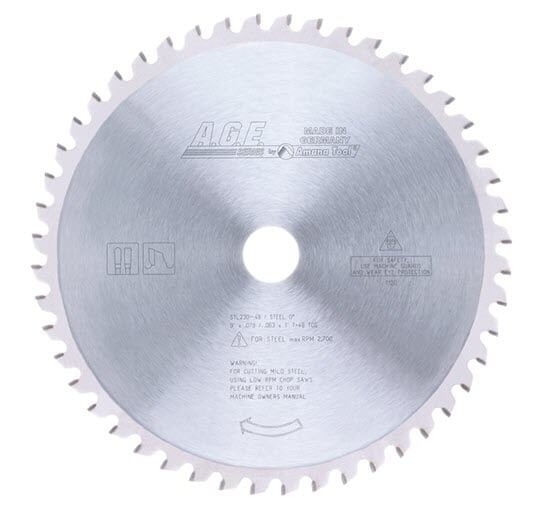
Why Do You Need a Specialty Blade for Steel?
Steel is an iron-based alloy, and it behaves very differently from aluminum or other non-ferrous metals like copper, zinc, and lead. Understanding these differences is key to making clean, safe cuts every time.
Density
Steel — particularly high-carbon variants — is extremely dense and heavy. Non-ferrous metals like aluminum weigh considerably less. This density demands a blade built to handle serious resistance.
Hardness
Steel is significantly harder than non-ferrous metals and will quickly wear down an ordinary blade. Aluminum and its relatives are softer — even gummy at times — requiring entirely different blade profiles.
Conductivity
Aluminum and copper are highly conductive, meaning they need high RPMs to dissipate heat. Steel is not as conductive, so A.G.E. blades are designed for low RPM use — often in chop saws rather than handheld circular saws for safety.
Crossover
While you can use a steel-cutting blade to cut copper, never use an aluminum-cutting blade on steel. These materials are fundamentally different and demand the right tool for the job — always.
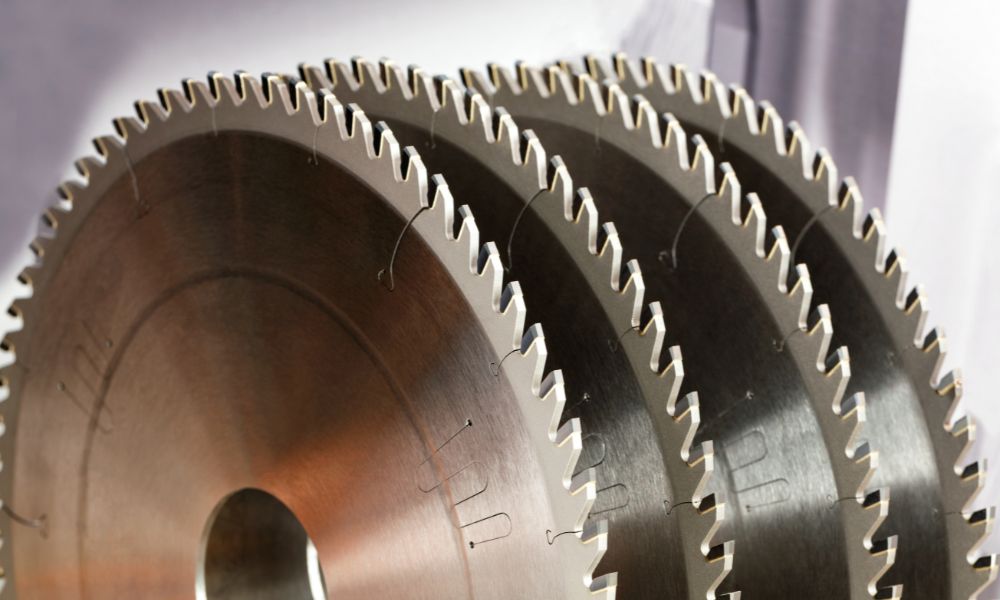
What Sets A.G.E. Steel-Cutting Blades Apart?
The secret lies in A.G.E.'s specially designed tooth geometry, which engages steel from five different angles simultaneously. This multi-point approach produces smoother cuts with minimal vibration.
Additionally, A.G.E. uses European micro-grained carbide — a premium material that resists chipping and breakage far better than standard alternatives, giving you a blade that lasts significantly longer under demanding conditions.
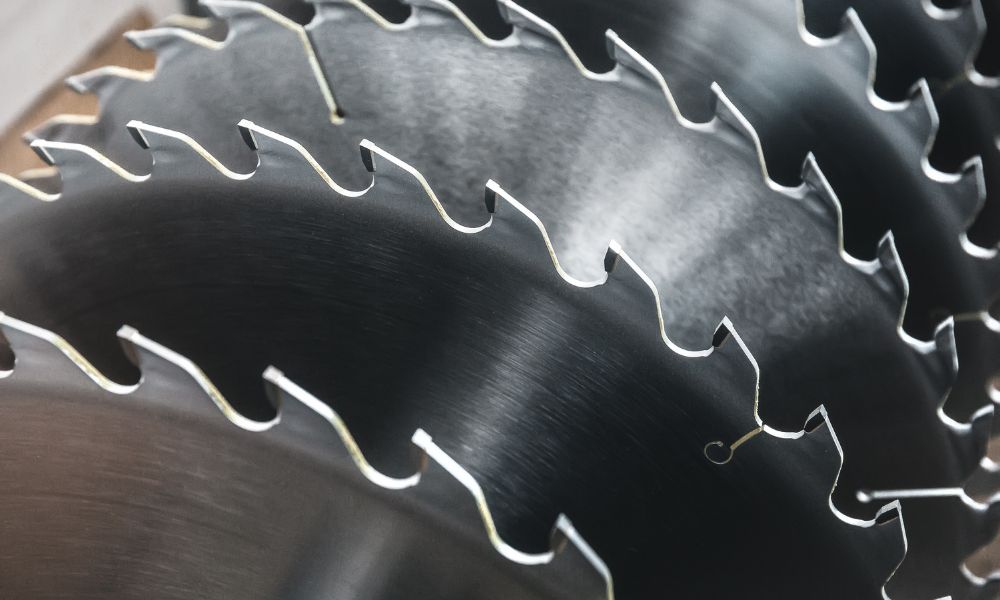
How to Use Steel-Cutting Saw Blades
Getting the most from your steel-cutting blade comes down to following a few essential steps. Here's a reliable process to keep every cut clean and safe:
Pick the Right Blade
Choose a blade engineered specifically for cutting steel. Factor in tooth count, configuration, speed, finish quality, and chip control. Fine-toothed blades deliver smooth finishes, while coarse-toothed options prioritize speed.
Confirm Blade Compatibility
Match the blade's arbor size to your saw. An ill-fitting blade is both dangerous and ineffective — always double-check before mounting.
Prepare Your Workspace
Clear away hazards, ensure proper lighting, and have adequate ventilation. A clean workspace prevents accidents before they happen.
Secure & Set Speed
Clamp the steel firmly in place, then set the speed per the manufacturer's guidelines. Running too fast or too slow can damage the blade and compromise cut quality.
Feed & Cut
Keep stock fed consistently for optimal results. Use a mist lubricant or air cooling to extend blade life. Lower the blade steadily along the marked line and apply steady, even pressure throughout the cut.
Essential Safety & Usage Reminders
Wear protective gear — safety glasses, gloves, and ear protection at all times.
Feed stock properly to prevent dangerous kickback.
Stay alert to sparks, heat, and flying debris during every cut.
Inspect and maintain your blade regularly for consistent performance.
Maintenance & Care for All Saw Blades
Proper upkeep is the difference between a blade that lasts a season and one that serves you for years. Studies show that regular cleaning and maintenance can boost a blade's lifespan by up to 30%.
Cleaning: After every use, remove debris and buildup with compressed air or a stiff brush.
Storage: Keep blades in a dry environment, away from moisture and temperature extremes that promote corrosion.
Sharpening: Although you can re-sharpen dull blades, replacing worn ones is generally more effective. Dull blades increase kickback risk and degrade cut quality.
Inspection: Before every session, check for cracks, chipped teeth, and damaged segments to avoid unsafe operation.
Lubrication: Apply a suitable lubricant to reduce friction and ensure smooth, consistent cutting motion.
Frequently Asked Questions
What factors should I consider when choosing a steel-cutting saw blade?
Think about the type and thickness of steel you'll be cutting, the saw you're using, and the finish quality you need. Match these variables to the blade's tooth count and configuration for the best results.
More teeth vs. fewer teeth — what's the difference?
A blade with more teeth produces smoother cuts but works more slowly. Fewer teeth means faster cutting but a rougher finish. It's a trade-off between speed and precision — pick based on your project's priorities.
Can I use a general-purpose saw blade on steel?
General-purpose blades can handle softer metals, but they aren't designed for steel. For clean, efficient cuts without damaging your equipment, stick with a specialized steel-cutting blade.
What's the recommended cutting speed?
Cutting speed varies based on blade type and steel thickness. Always follow the manufacturer's guidelines for optimal speed settings — this protects both the blade and the material while maximizing cutting efficiency.
How often should I replace my blade?
Blade lifespan depends on usage frequency and the type of steel you cut. As a rule, inspect your blade regularly and replace it as soon as you spot signs of wear, dullness, or physical damage.
How can I stay safe while using a steel-cutting blade?
Always wear safety glasses, gloves, and ear protection. Follow the manufacturer's setup and operation instructions carefully, and make sure the workpiece is securely clamped before you begin cutting.
Ready to put your steel-cutting knowledge to work? Pair the right blade with a purpose-built chop saw for clean, precise results every time.
EVOLUTION Metal Cutting Chop Saw S380CPS© Backyard Provider — Your Trusted Source for Outdoor & Construction Equipment