
Whether you are building a backyard steel pergola, fabricating brackets for a deck project, or repairing metal fencing, cutting metal is a skill every serious DIYer and tradesperson needs. The challenge is not whether you can cut metal — it is picking the tool that matches your material thickness, desired precision, and budget. A poor choice wastes time, ruins materials, and can be downright dangerous.
This guide walks you through ten of the most common metal cutting tools available today. We cover everything from hand-operated shears that cost next to nothing, all the way up to professional-grade plasma cutters. For each tool, you will find realistic cost estimates, ideal use cases, portability considerations, and an honest look at the noise and skill required. By the end, you will know exactly which tool belongs in your workshop — and which ones you can skip.
Quick Tip Before You Start
Always wear proper eye protection, hearing protection, and heavy-duty gloves when cutting metal. Sparks, sharp edges, and flying debris are part of every metal cutting process regardless of the tool you choose.
Tool No. 01
Aviation Shears

Aviation shears — also called tin snips or compound snips — are the most accessible entry point into metal cutting. These handheld tools resemble heavy-duty scissors and are designed to cut thin sheet metal, aluminum flashing, steel ductwork, and similar lightweight materials. They come in three varieties: straight-cut, left-cut, and right-cut, each color-coded for easy identification.
The beauty of aviation shears is their simplicity. There are no cords, no batteries, and no sparks. You squeeze and cut. They are perfect for trimming flashing, cutting thin gauge sheet metal for patches, or shaping ductwork. However, they struggle with anything thicker than about 18-gauge mild steel. Trying to force them through heavier stock will fatigue your hands quickly and produce ragged, bent edges. For thin material work, though, they are unbeatable on cost and convenience.
Cost
$8 – $30
Best For
Sheet metal, thin stock
Speed / Accuracy
Slow / Moderate
Portability
Excellent — fits in a pocket
Noise Level
Quiet
Skill Level
Beginner
Tool No. 02
Hacksaw

The humble hacksaw has been a metalworking staple for well over a century, and for good reason. This simple frame-and-blade design can cut through steel pipe, angle iron, bolts, threaded rod, and a wide variety of metals that aviation shears cannot handle. Standard hacksaw blades come in various tooth counts — fewer teeth per inch for softer metals and more teeth per inch for harder, thinner stock.
The main drawback is speed. Cutting through anything thicker than half an inch of steel by hand is genuinely exhausting work. Accuracy depends entirely on your steady hand and patience. That said, a hacksaw is incredibly versatile, virtually silent compared to power tools, and available at every hardware store for the cost of a fast-food meal. It is the tool you grab when nothing else is available or practical — and it almost always gets the job done eventually.
Cost
$8 – $25
Best For
Pipes, bolts, rods
Speed / Accuracy
Very Slow / Moderate
Portability
Excellent
Noise Level
Very Quiet
Skill Level
Beginner
Tool No. 03
Air-Powered or Electric Die Grinder With 3-Inch Cutoff Wheel

A die grinder fitted with a small 3-inch cutoff wheel is one of the most underrated metal cutting tools you can own. These compact tools — available in both pneumatic and electric versions — spin a thin abrasive disc at extremely high RPMs, allowing you to slice through bolts, sheet metal, thin tubing, exhaust components, and brackets in tight spaces where larger tools simply cannot reach.
The small disc diameter limits your maximum cut depth to about an inch, so this is not the tool for heavy structural steel. But for detail work, trimming welds, notching tubing, and getting into awkward angles, a die grinder with a cutoff wheel is indispensable. Pneumatic versions require an air compressor, while corded and cordless electric models offer more flexibility. Cutoff wheels are consumable and wear down quickly, so keep spares on hand.
Cost
$20 – $80
Best For
Tight spaces, detail cuts
Speed / Accuracy
Moderate / Good
Portability
Good (electric) / Limited (air)
Noise Level
Moderate to Loud
Skill Level
Beginner to Intermediate
Tool No. 04
Chop Saw (Abrasive Cutoff Saw)
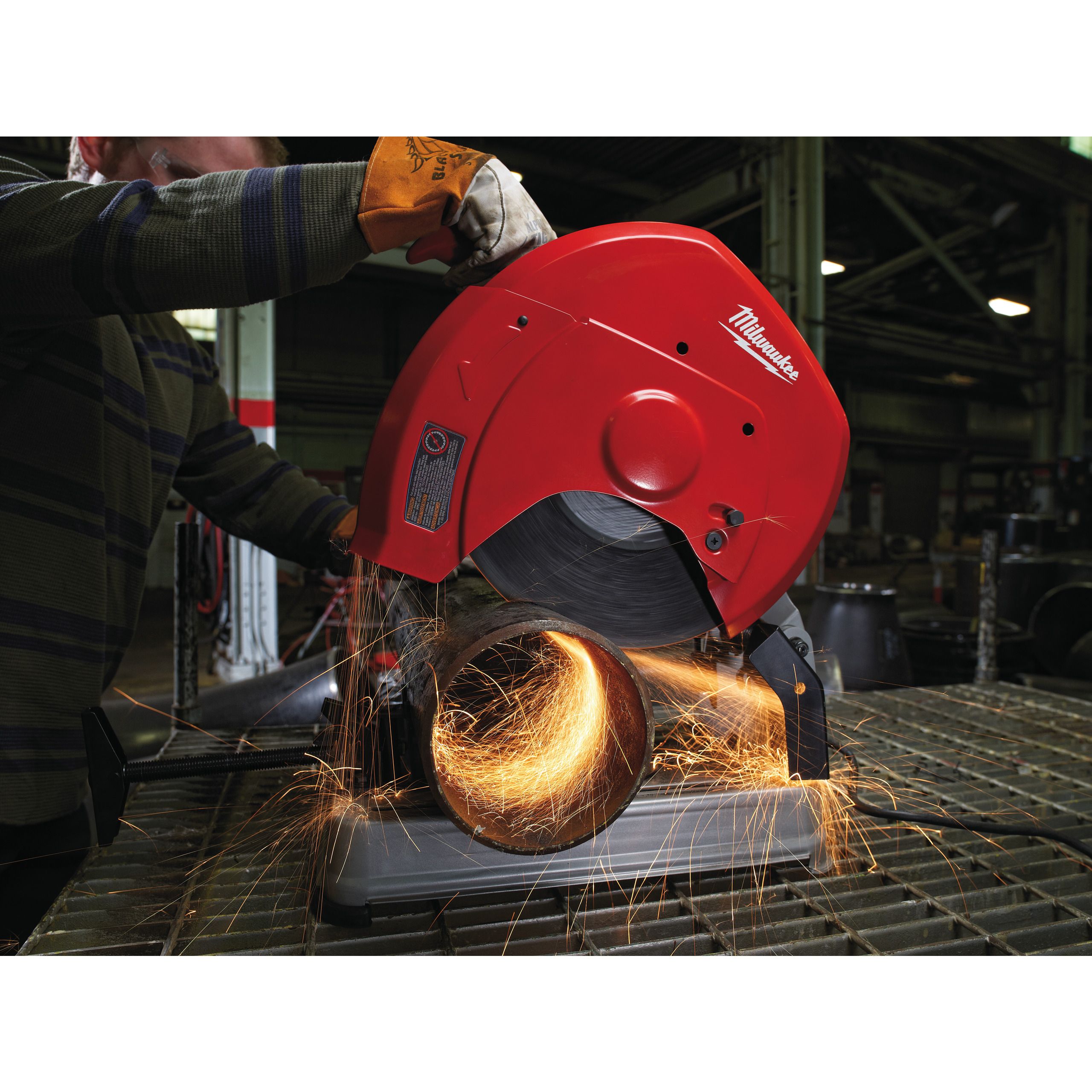
When you need to make fast, straight crosscuts through bar stock, angle iron, pipe, or structural steel, a chop saw is your go-to tool. These stationary machines use large 14-inch abrasive discs or cold-cut metal blades that drop down onto your workpiece clamped in a built-in vise. The result is a reasonably straight, clean cut through material that would take ages with a hacksaw.
Abrasive chop saws are affordable and powerful but create a shower of sparks and leave a rough, heat-affected edge. Newer cold-cut models with carbide-tipped blades produce cleaner results with less heat, fewer sparks, and a burr-free finish — though they cost more upfront. Either way, a chop saw is a workshop essential if you regularly cut metal stock to length. They are loud, they throw debris, and they require a dedicated bench or stand, but nothing beats their combination of speed and straight-line cutting power for the price.
Cost
$80 – $300+
Best For
Straight crosscuts on stock
Speed / Accuracy
Fast / Good
Portability
Low — benchtop unit
Noise Level
Very Loud
Skill Level
Beginner to Intermediate
Tool No. 05
Angle Grinder (4.5-Inch or Larger)

If there is one power tool that belongs in every metalworker's hands, it is the angle grinder. Available in 4.5-inch, 5-inch, 7-inch, and even 9-inch configurations, these versatile tools can cut, grind, sand, polish, and clean metal depending on which disc you attach. Fitted with a thin cutoff wheel, an angle grinder will slice through rebar, steel plate, pipe, bolts, and just about anything else you throw at it.
The tradeoff is control. Freehand cuts with an angle grinder require a steady hand and plenty of practice to achieve anything close to a straight line. They are also loud, aggressive, and generate spectacular showers of sparks. Safety is paramount — always use a guard, safety glasses, face shield, and never remove the side handle. Despite these caveats, an angle grinder remains the Swiss army knife of metalworking. A quality 4.5-inch model costs under $100, runs on battery or mains power, and will handle ninety percent of your cutting and grinding needs.
Cost
$30 – $200+
Best For
All-purpose metal cutting
Speed / Accuracy
Fast / Low to Moderate
Portability
Very Good
Noise Level
Loud
Skill Level
Intermediate
Tool No. 06
Horizontal Bandsaw

A horizontal bandsaw is the machine shop workhorse for cutting metal stock to length. The workpiece sits stationary in a vise while a continuous loop blade slowly descends through the material under gravity or hydraulic pressure. This produces remarkably clean, straight, and cool cuts with minimal material waste — the thin blade kerf means you lose very little stock compared to an abrasive chop saw.
Horizontal bandsaws shine when you need to repeatedly cut round stock, square tubing, or structural shapes to precise lengths. Many models allow you to clamp the material and walk away — the saw cuts through and stops on its own. The downside is that these are fairly large, heavy machines that take up permanent floor or bench space. They are also not fast. Cutting through a 3-inch solid round bar might take several minutes. But for accuracy, edge quality, and hands-off operation, no other tool in this price range comes close.
Cost
$150 – $1,000+
Best For
Precise stock cutting
Speed / Accuracy
Slow / Excellent
Portability
None — stationary
Noise Level
Low to Moderate
Skill Level
Beginner
Tool No. 07
Vertical Bandsaw

Where a horizontal bandsaw excels at straight crosscuts, a vertical bandsaw is built for contour cutting. The blade runs vertically through a flat work table, and you guide the workpiece by hand to cut curves, irregular shapes, and notches in metal plate and sheet. Think of it as a jigsaw on steroids — much more precise, much more powerful, and capable of cutting through significantly thicker material.
Vertical bandsaws are indispensable in fabrication shops where custom brackets, gussets, and shaped components are made regularly. The continuous blade produces smooth cuts without the vibration and aggressive action of a reciprocating tool. Blade width determines your minimum turn radius — narrower blades allow tighter curves. These machines do require floor space and a meaningful investment, but if your projects involve anything beyond simple straight cuts, a vertical bandsaw will transform your capabilities.
Cost
$200 – $2,000+
Best For
Curves and contour cuts
Speed / Accuracy
Moderate / Excellent
Portability
None — stationary
Noise Level
Low to Moderate
Skill Level
Intermediate
Tool No. 08
Oxy/Acetylene Torch
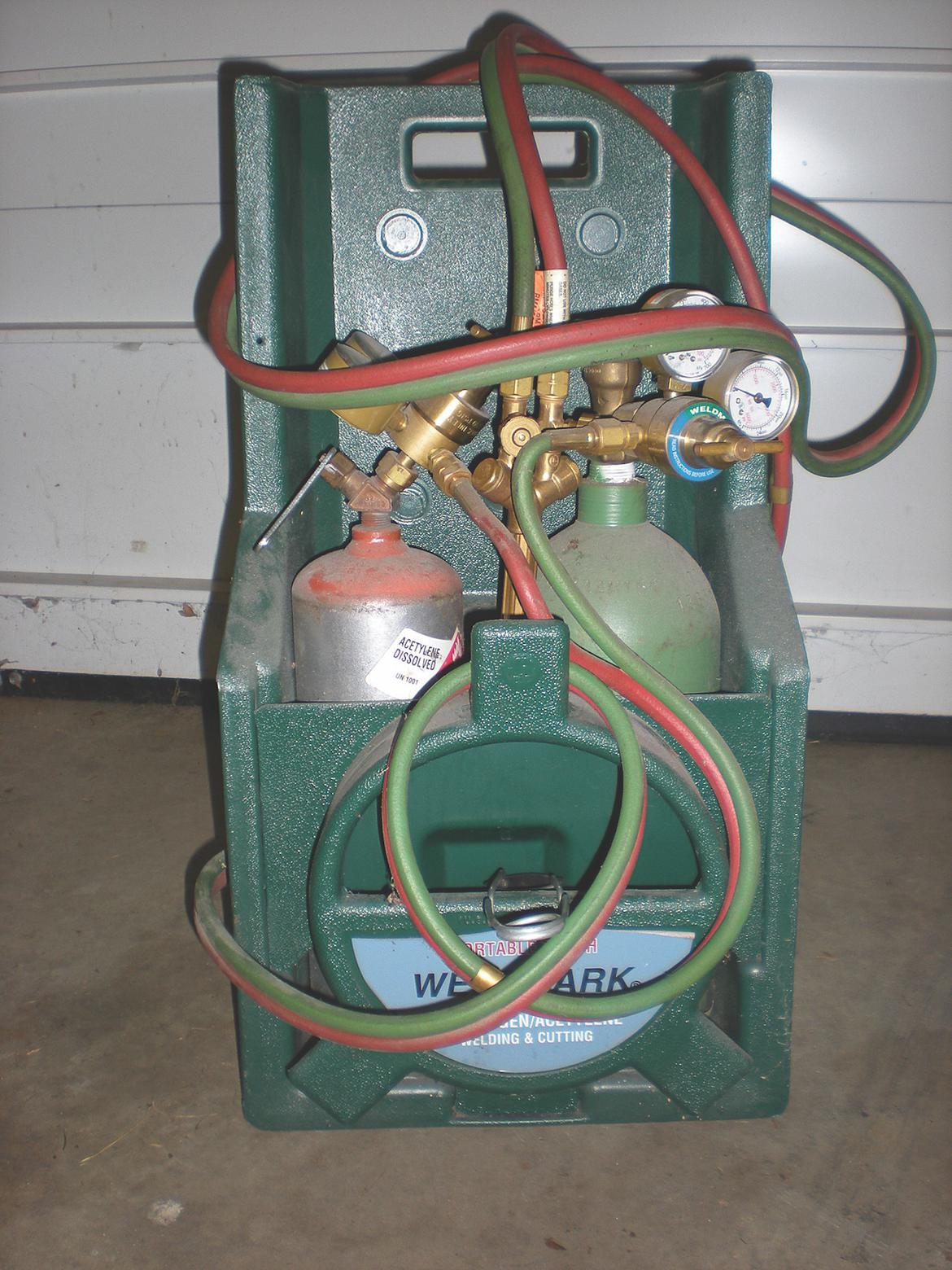
The oxy/acetylene cutting torch is one of the oldest thermal cutting methods and still holds its own in certain applications. By mixing oxygen and acetylene gas, the torch produces a flame hot enough to heat steel to its ignition temperature. A jet of pure oxygen then blasts through the heated metal, literally burning a path through it. This process works remarkably well on carbon steel and can handle extremely thick plate — multiple inches — with the right tip and technique.
The oxy/acetylene rig is far more than just a cutting tool. With different tips, it also welds, brazes, heats for bending, and removes rusted bolts. That versatility makes it a valuable addition to any serious shop. However, it does not cut stainless steel or aluminum effectively, requires handling compressed gas cylinders safely, and demands genuine skill to produce clean cuts. The initial setup cost is significant, ongoing gas refills add up, and fire safety is a real concern. But for cutting heavy steel plate in the field or in the shop, nothing else offers quite the same raw capability.
Cost
$200 – $500+ (plus gas)
Best For
Thick carbon steel
Speed / Accuracy
Moderate / Low to Moderate
Portability
Moderate — wheeled cart
Noise Level
Low to Moderate
Skill Level
Advanced
Tool No. 09
Plasma Cutter
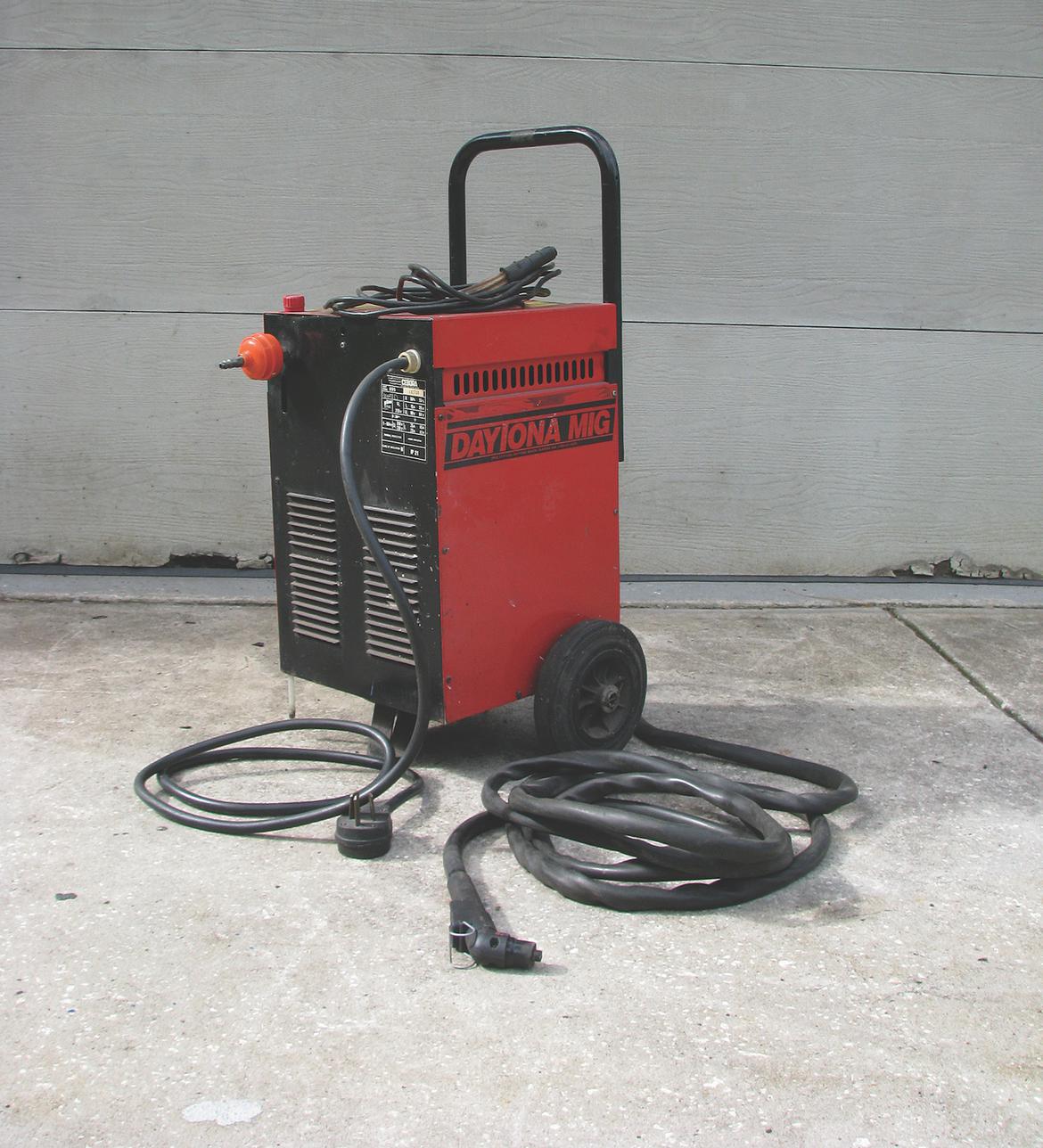
If the oxy/acetylene torch is the old guard of thermal cutting, the plasma cutter is the modern successor. Plasma cutters work by sending a high-velocity stream of ionized gas through a focused nozzle, creating an arc so hot it melts through metal almost instantly. Unlike oxy/acetylene, plasma cuts any electrically conductive metal — steel, stainless steel, aluminum, copper, and brass — making it vastly more versatile for mixed-material shops.
The cuts are cleaner, faster, and produce a smaller heat-affected zone than a gas torch. Entry-level units capable of cutting up to half-inch steel are now available for well under $1,000, and they only need a standard air compressor and electrical outlet to run. The learning curve is gentler than you might expect — most beginners can produce usable cuts within minutes. For fabrication, bodywork, sculpture, and general-purpose metal cutting, a plasma cutter offers the best combination of speed, versatility, and cut quality in the thermal cutting category. Consumable tips and electrodes need periodic replacement, but the per-cut cost is quite reasonable.
Cost
$300 – $1,500+
Best For
All conductive metals
Speed / Accuracy
Fast / Good to Excellent
Portability
Moderate — needs power + air
Noise Level
Moderate
Skill Level
Beginner to Intermediate
Tool No. 10
Reciprocating Saw
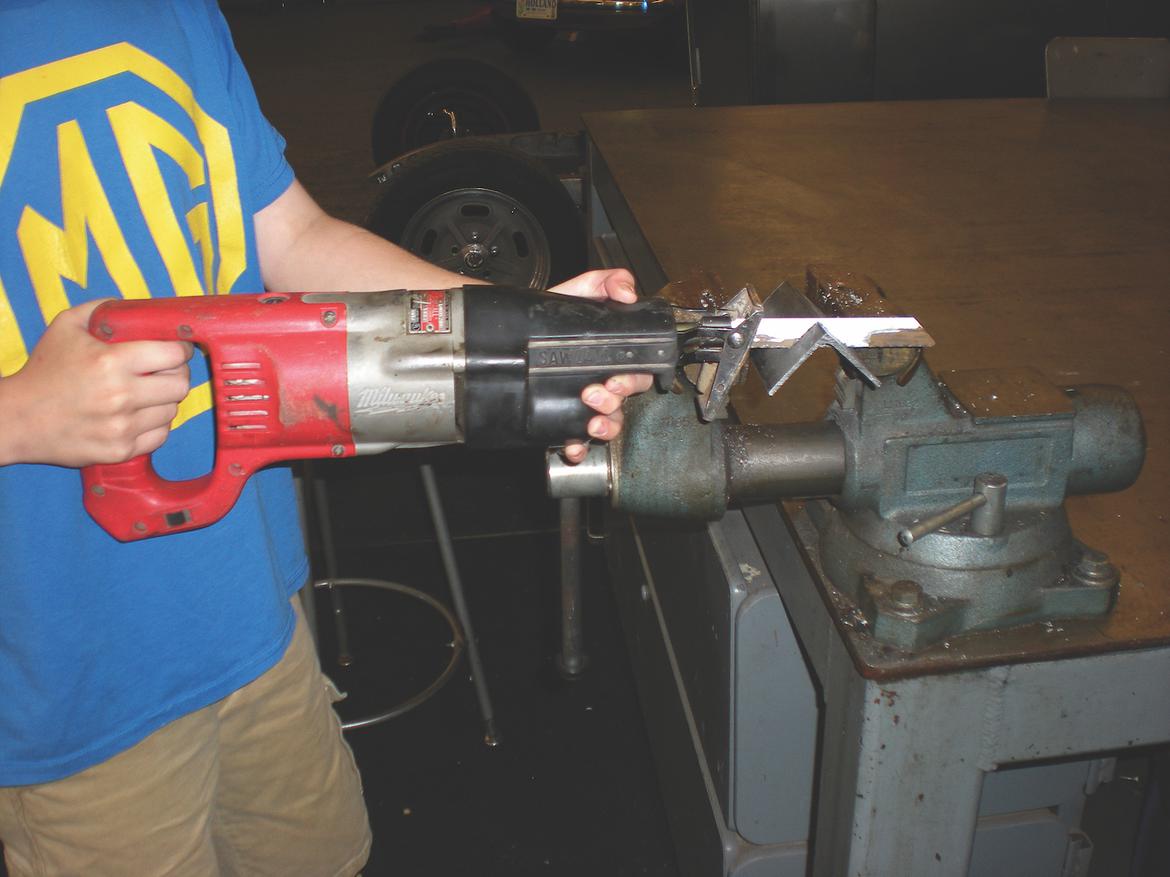
The reciprocating saw — commonly known by the brand name Sawzall — is the demolition king of the tool world. With a metal-cutting bi-metal blade installed, this aggressive handheld tool will chew through pipes, bolts, angle iron, nails, screws, and just about anything else in its path. It is not pretty, it is not precise, and it certainly is not quiet. But when you need to cut metal fast and do not care much about finish quality, nothing matches its brute effectiveness.
Reciprocating saws excel in demolition, plumbing, remodeling, and any scenario where you are removing old metal rather than fabricating new pieces. The reciprocating blade action can reach into tight spaces, cut flush against surfaces, and handle mixed materials — slicing through a nail-embedded stud and a steel pipe in the same job without swapping tools. Modern cordless models from major tool brands offer impressive power and runtime on battery. Keep a variety of blade lengths and tooth counts on hand, and this tool will earn its place in your toolkit many times over.
Cost
$50 – $200+
Best For
Demolition, rough cuts
Speed / Accuracy
Fast / Low
Portability
Excellent — fully handheld
Noise Level
Loud
Skill Level
Beginner
So, Which Tool Should You Buy First?
If you are just getting started with metalwork, the answer is almost always an angle grinder and a hacksaw. Together, they cost under $150 and will handle the vast majority of cutting tasks a homeowner, hobbyist, or weekend builder encounters. Add a pair of aviation shears for thin sheet metal work and you have covered about eighty percent of real-world cutting scenarios.
As your projects grow in scope and your skills sharpen, consider adding a chop saw for repetitive straight cuts and a reciprocating saw for demolition work. When you reach the point where precision and versatility are paramount — and the budget allows — a plasma cutter or bandsaw will open up an entirely new world of fabrication possibilities.
The right tool is always the one that matches your material, your skill level, and your project goals. There is no single perfect solution — but with this guide in hand, you will never waste money on the wrong one.
BACKYARD PROVIDER — Your Workshop, Your Way