
When it comes to making precise, powerful cuts in metal or wood, three tools often come up in the same conversation: the cold saw, the chop saw, and the miter saw. While they look similar at first glance, each one is engineered for different tasks, materials, and levels of precision. Choosing the wrong tool doesn't just slow you down — it can compromise your results and your safety.
The Miter Saw
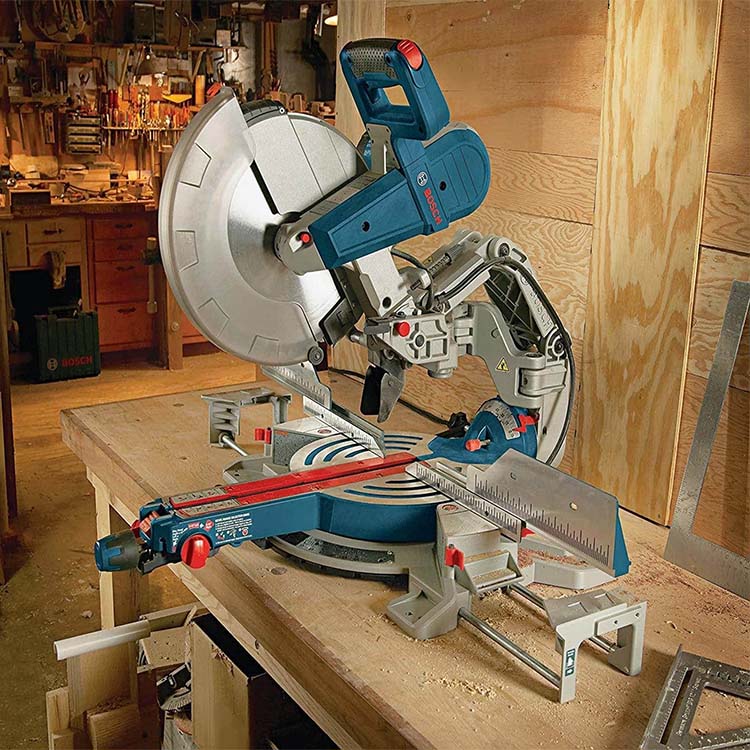
The miter saw is the go-to tool for woodworkers and finish carpenters who need fast, clean angled cuts. Mounted on a fixed base with a rotating arm, this saw excels at cross-cuts and miter angles — hence the name. Whether you're trimming door frames, cutting crown molding, or framing a deck, the miter saw delivers accuracy that's hard to beat with a handheld tool.
A standard miter saw pivots left and right to produce angled cuts in a single plane. A compound miter saw adds the ability to tilt the blade, allowing you to cut compound angles in one pass. Sliding compound miter saws extend the cutting capacity further by allowing the head to slide forward along rails — ideal for wider boards and larger stock.
Miter saws are primarily designed for wood and wood-like materials. Using one on metal without the correct blade is dangerous and will damage your equipment.
Miter Saw: Pros & Cons
Advantages
- Excellent for fast, repeatable angled cuts
- Wide range of sizes and capacities
- Works well for trim, framing, and finish work
- Compound models handle bevels and miters together
Limitations
- Not suited for cutting metal stock
- Limited depth of cut on non-sliding models
- Larger footprint than other saw types
The Chop Saw
The chop saw — often called an abrasive saw or cut-off saw — is built for raw cutting power rather than finesse. Its defining feature is the abrasive disc it uses in place of a toothed blade. This disc grinds through metal rather than slicing it cleanly, which means it can handle hard steel, rebar, angle iron, and other tough materials that would destroy a standard saw blade.
Chop saws make straight 90-degree cuts quickly and with minimal setup. They are a fixture in metal fabrication shops, construction sites, and industrial settings where throughput matters more than surface finish. The trade-off is a rougher cut edge, significant sparks, and considerable heat generated at the cut zone.
While some chop saw models allow limited angle adjustments, they generally lack the angular flexibility of a miter saw. Think of the chop saw as a workhorse: dependable, powerful, and built for volume over precision.
Chop Saw: Pros & Cons
Advantages
- Cuts through hard metals quickly
- Low blade cost — abrasive discs are inexpensive
- Rugged and durable for job site use
- Handles rebar, angle iron, and structural steel
Limitations
- Generates heavy sparks and heat
- Rougher cut finish than cold or miter saws
- Limited to straight cuts in most models
- Abrasive discs wear out relatively quickly
 The Cold Saw
The cold saw is in a class of its own when it comes to precision metal cutting. Unlike the abrasive chop saw, the cold saw uses a toothed circular blade — typically made from high-speed steel (HSS) or tipped with tungsten carbide — to chip away metal rather than grind through it. This method transfers heat into the chips and away from the workpiece, keeping both the blade and the material cool during the cut. That's where it gets its name.
The result is a clean, burr-free cut with a tight tolerance that often requires little to no post-cut finishing. Cold saws run at significantly lower RPM than other saws, but that slow, deliberate cutting action is precisely what delivers such a precise, professional edge. They're widely used in pipe fabrication, structural metalwork, and precision machining environments where cut quality is non-negotiable.
Cold saw blades, while more expensive upfront, can be resharpened multiple times — offering long-term value that abrasive discs simply cannot match. For professionals who cut metal regularly, the cold saw is an investment that pays for itself in blade life, finish quality, and reduced finishing time.
Cold Saw: Pros & Cons
Advantages
- Extremely clean, precision cuts with no burr
- No sparks — safer for enclosed or sensitive environments
- Blade stays cool, extending life significantly
- Blades can be resharpened repeatedly
- Low noise compared to abrasive saws
Limitations
- Higher upfront cost than chop saws
- Cuts more slowly than abrasive methods
- Not designed for wood or non-metal materials
Side-by-Side Comparison
Still deciding which tool is right for your application? Here's a quick-reference breakdown of the key differences:
| Feature | Cold Saw | Chop Saw | Miter Saw |
|---|---|---|---|
| Primary Material | Metal | Metal / Masonry | Wood |
| Blade Type | Toothed (HSS/Carbide) | Abrasive Disc | Toothed (Carbide) |
| Cut Finish | Very clean / burr-free | Rough | Clean |
| Sparks Produced | None | Heavy | None |
| Heat at Cut Zone | Very low | High | Low |
| Angled Cuts | Limited | Mostly straight | Excellent |
| Blade Reusability | Resharpenable | Disposable | Resharpenable |
| Best For | Precision metal work | High-volume metal cutting | Woodworking / trim |
Which One Do You Need?
The answer depends entirely on your material and your standards for finish quality. If you're working with wood and need clean, repeatable angled cuts, the miter saw is your tool. If you're on a construction site cutting structural steel in bulk and speed trumps surface finish, the chop saw delivers. But if you need precise, professional-grade metal cuts with minimal cleanup and zero sparks, the cold saw is the clear choice.
For fabricators, metalworkers, and serious DIYers who won't compromise on cut quality, investing in a heavy-duty cold saw is a decision you won't regret. The Evolution S355MCS is a purpose-built mitering chop saw that brings industrial-grade metal cutting performance to your workshop — handling everything from structural steel to hollow sections with a clean, burr-free finish.
Ready to Cut Metal with Precision?
The Evolution S355MCS delivers professional-grade metal cutting with a 14" mitering blade designed for heavy-duty use.
Evolution 14" S355MCS