
Find the Right Chop Saw for This Job
A chop saw — also commonly referred to as a cut-off saw or abrasive saw — is a power tool specifically designed to make fast, straight cuts through hard materials like steel, aluminum, and other metals. Unlike wood-cutting saws, metal-cutting chop saws rely on high-speed abrasive discs or cold-cut carbide blades to slice cleanly and efficiently through tough stock without generating excess heat or burrs.
When it comes to metalworking, precision and speed matter. A quality chop saw gives you repeatable, accurate cuts at whatever angle your project demands — and with the right model, you can rip through rebar, angle iron, square tube, and structural steel without batting an eye.
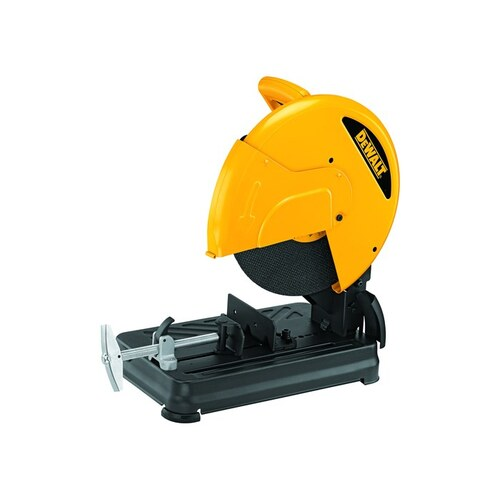
Do A Lot of Cutting Through Steel? Consider These High-Quality Chop Saws for Metal Cutting
If you regularly cut steel on the job site or in your workshop, having an underpowered or poorly made chop saw is more than just frustrating — it's a safety hazard and a money drain. Blade wear, overheating, and poor cut accuracy all add up. The smart move is to invest in a tool built specifically for metal, one that delivers consistent results cut after cut.
Below, we've broken down everything you need to know — from how to choose the right blade to recommendations for both homeowners and professionals — so you can make the right call for your workload.
Why Would Someone Use a Chop Saw for Metalworking?
Chop saws are purpose-built for repetitive, high-volume cutting tasks. If you're cutting lengths of conduit, square tube, angle iron, or threaded rod throughout a workday, a chop saw is dramatically faster and more consistent than an angle grinder or reciprocating saw. The fixed cutting head means every cut lands at exactly the same angle, and a good vise system keeps your workpiece locked firmly in place.
Speed & Efficiency
Make dozens of identical cuts in a fraction of the time compared to hand tools or angle grinders.
Precision & Repeatability
Fixed cutting head and integrated vise ensure every cut is consistent, square, and burr-free.
Durability
Built for tough metalworking environments — heavy cast tables, reinforced guards, and high-torque motors.
For tradespeople such as plumbers, pipefitters, electricians, structural steel workers, and general contractors, a good chop saw is as essential as a tape measure. For serious hobbyists and home metal workers, it's the upgrade that makes every project cleaner and faster.
How Much of Solid Can You Cut with a Chop Saw?
Capacity depends largely on blade size and the saw's motor. Most 14" chop saws — the standard size for heavy metal cutting — can handle solid stock up to around 3 to 4 inches in diameter or rectangular profiles up to about 4" × 4". Cold saw models with smaller blade diameters are optimized for precision over capacity, typically cutting material up to about 3" in diameter with exceptional surface finish.
It's important to match your saw to the type and volume of material you're cutting. Overloading a smaller saw leads to blade wear, motor strain, and potentially unsafe cutting conditions. A properly sized saw will cut cleaner, faster, and last significantly longer.
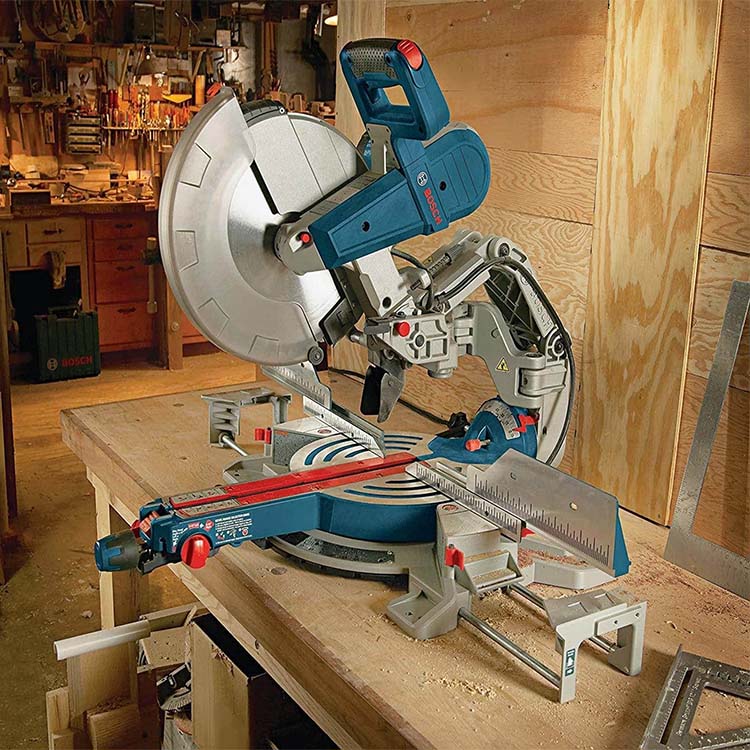
What Blade Is Best for Cutting Metal?
Blade selection is arguably the most important factor in metal cutting performance. The two main categories are abrasive wheels and cold cut (carbide-tipped or TCT) blades, and they behave very differently in use.
Abrasive Wheels
These are the traditional choice — inexpensive, widely available, and effective for cutting steel, cast iron, and stainless. The downside is that abrasive cutting generates significant heat, produces sparks, and leaves a rough edge that often requires deburring. Abrasive discs also wear down with use and need regular replacement.
Cold Cut / Carbide-Tipped Blades
Cold saws use a tungsten carbide or high-speed steel circular blade that cuts metal without generating excess heat — hence "cold cut." The result is a much cleaner, burr-free edge, minimal sparking, and significantly longer blade life. Cold cut saws are the preferred choice for fabrication shops and anyone who values cut quality and blade economy over initial cost.
Pro Tip: Know Your Metal
Not all blades cut all metals equally well. For mild steel and structural steel, both abrasive and cold cut blades perform well. For aluminum and non-ferrous metals, a dedicated TCT aluminum blade is essential — using a ferrous metal blade on aluminum can cause dangerous kickback and rapid blade degradation. Always check blade compatibility before cutting.
Best Chop Saw to Use at Home
For homeowners, hobbyists, and DIY metalworkers, the key is finding a saw that balances capability with ease of use. You don't necessarily need a full industrial cold saw setup — a well-built abrasive or semi-professional TCT chop saw will handle most home workshop tasks with ease.
Look for features like a comfortable vise system, a clear blade guard, and a quick-release angle adjustment so you can tackle miter cuts without too much fuss. Motor size around 15 amps is ideal for home use — powerful enough for solid steel bar and tube, but not overkill for lighter aluminum or conduit work.

- Look for a 14" blade capacity for versatility across stock sizes
- A mitering function (typically 0–45°) dramatically expands what you can build
- Cast iron or heavy steel base ensures stability and vibration dampening
- Integrated chip collection or spark deflector keeps your workspace safer
- Easy blade guard removal for full cut depth access when needed
Best Industrial Chop Saw for Use in Your Shop
Professional fabricators, pipe shops, and structural steel contractors have very different demands from the average DIYer. At this level, you're looking at daily high-volume cutting, tight tolerances, and materials that push the limits of what a standard saw can do. Industrial chop saws are engineered for exactly this environment.
Cold saws dominate the professional space for good reason: they cut cooler, cleaner, and far more quietly than abrasive saws, with minimal spark output and virtually no heat discoloration on the cut edge. For shops where cut quality directly affects downstream welding or assembly, cold cut is the only serious option.

Metal Fabrication
In fabrication shops, consistency is everything. A single chop saw may make hundreds of cuts per day across a variety of steel profiles — square tube, round bar, angle iron, flat stock. The best industrial saws feature heavy-duty gearboxes, variable speed control, and robust clamping systems to maintain accuracy under sustained heavy use. Look for machines with coolant systems if you're cutting at high volumes, as coolant dramatically extends blade life and maintains cut quality over long production runs.
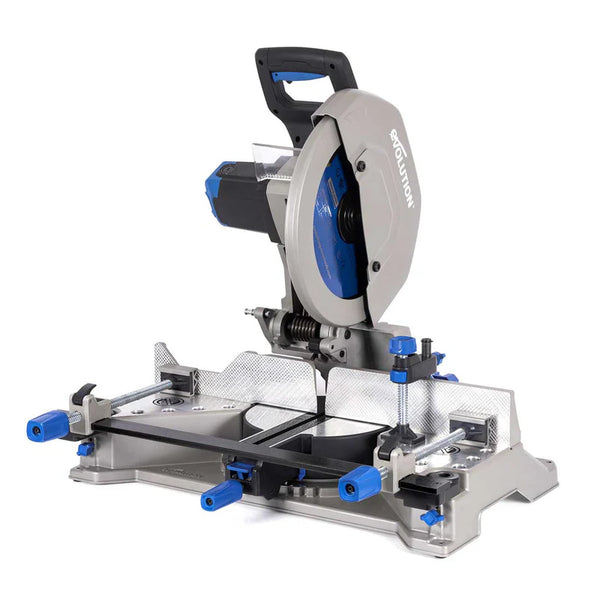
Heavy Duty Industrial
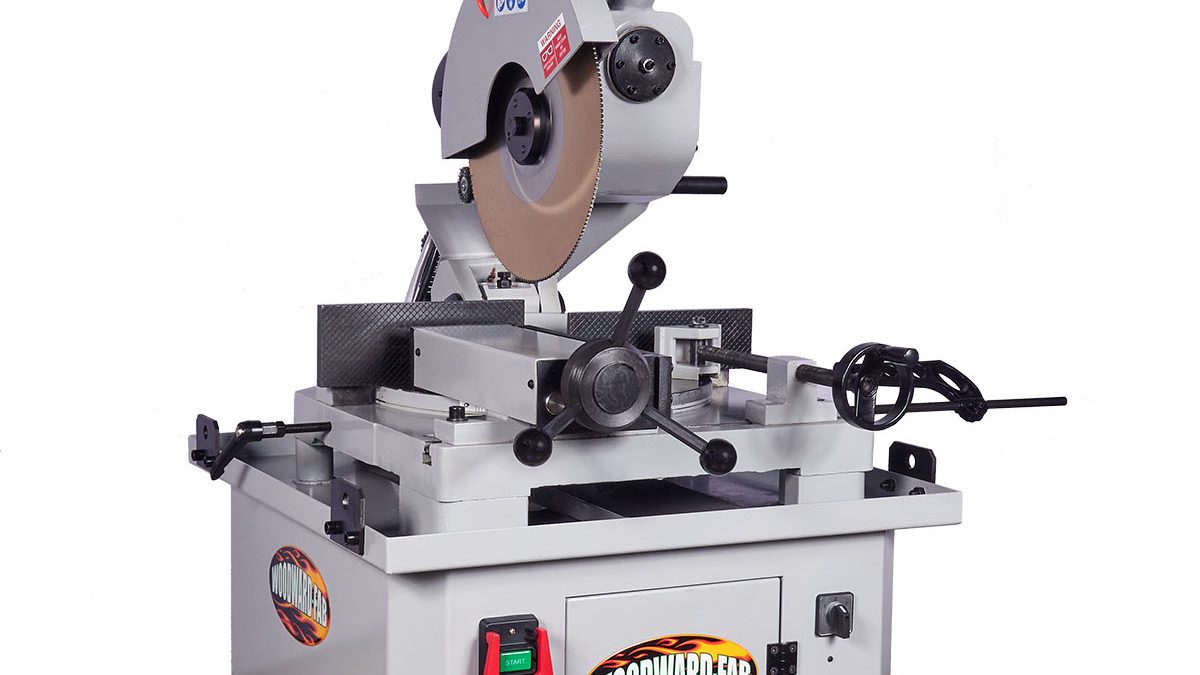
At the top end of the spectrum, you'll find fully automated cold saw systems capable of cutting material continuously with programmatic length control and automatic cycling. These are the tools of high-volume structural steel manufacturers, pipeline contractors, and industrial OEM operations. Even at this level, the core principle remains the same: a carbide blade, proper clamping, and the right speed for the material yield a perfect cut every time.
Chop Saw Safety: What You Need to Know
No discussion of metal-cutting equipment is complete without addressing safety. Chop saws operate at extremely high blade speeds and cut through hard materials — both of which demand proper technique and protective equipment at all times.
- Always wear ANSI-rated safety glasses or a full face shield — sparks and metal fragments move fast
- Use heavy leather or cut-resistant gloves when handling cut stock
- Keep the blade guard fully in place during every cut — never remove it for convenience
- Secure your workpiece firmly in the vise before cutting — never hold material freehand
- Allow the blade to reach full speed before contacting the material
- Let the blade coast to a complete stop before lifting the head or adjusting your workpiece
- Inspect your blade before each use — cracks, chips, or excessive wear are grounds for immediate replacement
- Keep bystanders clear of the cutting arc and spark zone
A chop saw is one of the most effective metal-cutting tools available — but like all power tools, it rewards respect and punishes carelessness. Take your time, follow safe practices, and your saw will serve you dependably for years.
The Bottom Line
Whether you're building a backyard project, outfitting a home workshop, or running a professional fabrication shop, the right chop saw is a game-changer. Focus on blade type, motor power, and cutting capacity that match your actual workload — then invest in quality, because a well-built saw pays for itself in blade savings and time alone.
For a versatile, heavy-duty option that performs at both the professional and serious hobbyist level, the Evolution 14" Mitering Chop Saw delivers serious cutting capability in a package that's built to last.