
When it comes to making precise, clean, and efficient cuts on metal, wood, or composite materials, selecting the right saw makes all the difference. The cold saw, chop saw, and miter saw each occupy a distinct place in the toolkit — and while they may look similar at a glance, their designs, mechanisms, and ideal applications vary considerably. This guide takes an in-depth look at all three to help you make the smartest choice for your workshop or job site.
Miter Saw
A miter saw — sometimes called a drop saw — is a stationary power tool designed to make accurate crosscuts, miter cuts, and bevel cuts in workpieces. It operates by pulling a spinning circular blade downward into the material in a swift, controlled motion. Miter saws are mounted on a pivoting arm that lets the user angle the cut with precision, making them especially useful in trim carpentry, framing, and finish work.
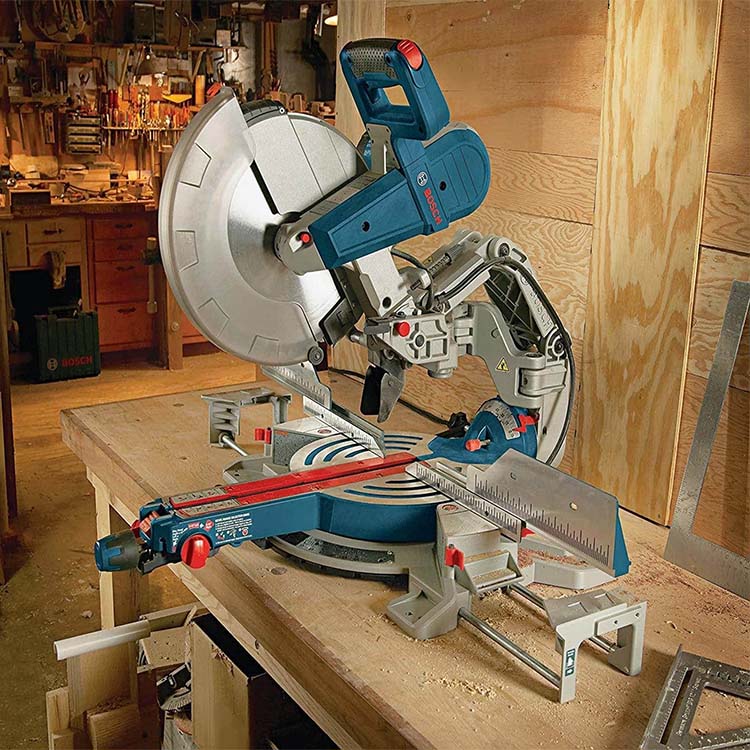
Size
Miter saws are available in a range of sizes. The most widely used blade diameters are 190 mm, 250 mm, and 305 mm (7½", 10", and 12"). Each size has its own cutting depth and capacity depending on the intended use.
Blade
Miter saw blades typically come in 200 mm and 305 mm (10" and 12") configurations and are generally manufactured from carbide steel. Many blades are coated with a finish that reduces friction and extends blade life. Common configurations include flat-top grind and triple-chip grind designs — each optimized for specific materials and cut quality.
Design
The design of a miter saw varies widely. Some models offer 45° mitering capability in both directions, 3° positive detents, and dual-bevel pivoting arms. The saw head is built to lock securely at specific standard angles, giving the user repeatable accuracy across multiple cuts in a single setup.
Use
Miter saws are most commonly used with wood — and can also be found in masonry and metalworking shops when fitted with the appropriate blade. They excel at cutting straight lines, miters, and compound angles, making them a favorite for finish carpenters and builders.
Blade Size
There is a large range of miter saw blade sizes available on the market. Double-bevel blades, sliding compound configurations, and fixed-head styles all serve different cutting needs depending on the project scale and material type.
Cold Saw
A cold saw is a circular saw engineered specifically to cut metal. Unlike abrasive cutting tools, a cold saw uses a toothed circular blade — typically made from high-speed steel (HSS), carbide, or solid high-speed steel — to slice through the material cleanly and efficiently. The defining characteristic of a cold saw is its ability to transfer the heat generated during cutting into the chips it produces, rather than into the blade or the workpiece itself. This results in a cool cut, a longer blade lifespan, and a much cleaner, burr-free finish than traditional abrasive methods.
A cold saw is uniquely engineered to keep both the blade and the workpiece cool during the cutting process. The heat generated is carried away by the chips — not absorbed into the material — which means cleaner results, longer blade life, and no heat-affected zones on your workpiece.
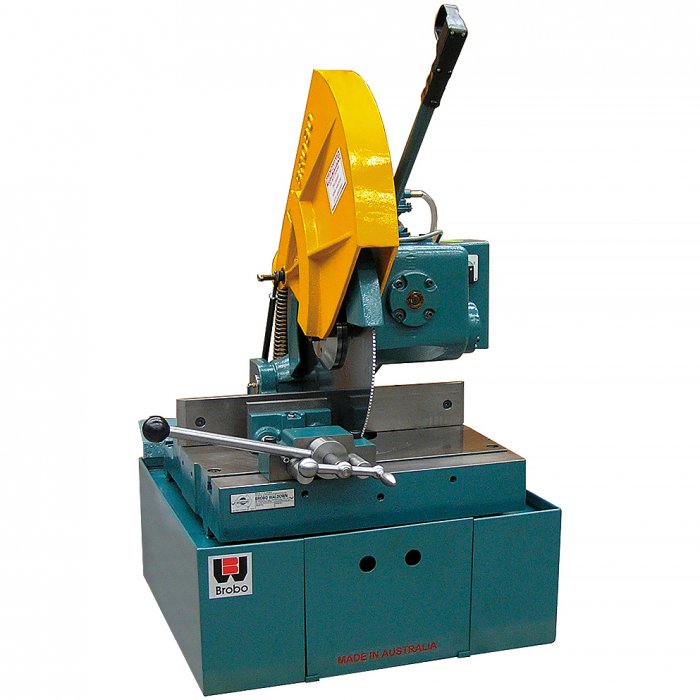
Cold Saw Blade Types
Cermet Cold Saw Blades
Designed for high-production cutting of tubes, pipes, and various steel shapes. These are equipped with fine-toothed geometry and a solid joint for maximum rigidity during continuous cutting operations.
Dry Cut Cold Saw Blades
Optimized to be fitted on a rotary device to cut and then free the cut, eliminating the need for additional finishing or deburring. Dry cut saw blades can usually be moved down the line without requiring a separate operation.
Key Features of Dry Cut Cold Saws
Some features of dry cut cold saws include high-speed circular blades often equipped with carbide inserts specifically engineered to meet high-production demands. A cold saw produces clean, precise cuts with very low distortion, whereas a chop saw creates a finish that usually necessitates a subsequent operation to debur and square up. After multiple saw drives, cold saw blades can usually be moved down the line without requiring a separate operation, which is a significant time saver.
Cutting Ability
While a cold saw can be used as a chop saw, it can also be used to produce a smooth cut that allows you to finish the task quickly. It is no longer necessary to wait for a cold saw to cool — the design itself eliminates this constraint entirely.
Chop Saw
A chop saw is a type of power tool that uses an abrasive disc or blade to cut through tough materials such as metal, ceramics, and concrete. Abrasion — rather than a toothed cutting action — is its primary cutting mechanism. The abrasive particles on the disc grind away the material in a rapid, high-speed cutting and splitting process, allowing the material to be cut relatively quickly. The abrasive particles on the disc are separated from the surface during the cut, which makes it ideal for rough industrial cuts where surface finish is a secondary concern.
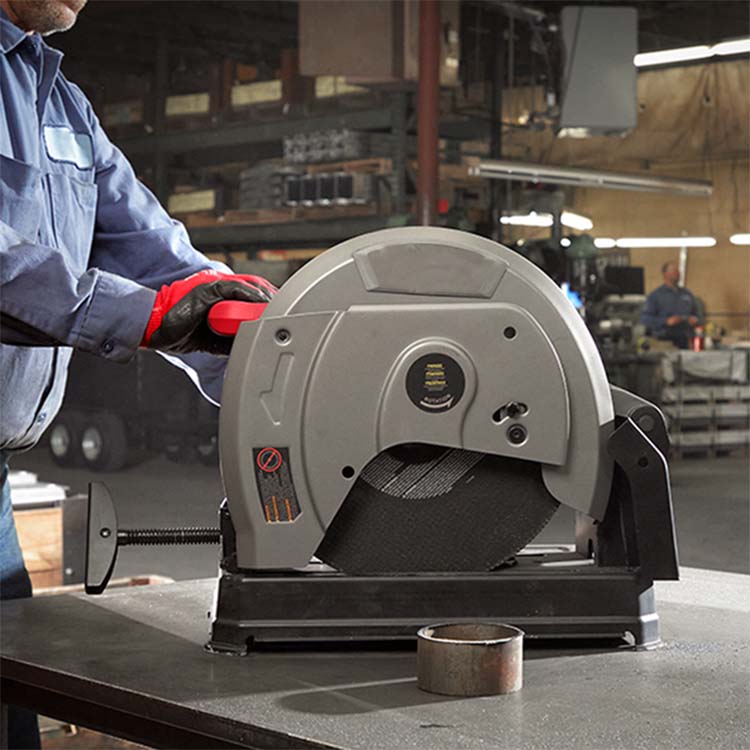
Disc Size
Chop saw discs typically range from 14 to 16 inches in diameter and 1/8 to 1/4 inches in thickness. Larger saws are available with a diameter of 20 inches or more. The disc sizes correspond directly to the cutting capacity of the machine.
Distinguishing Chop Saws from Miter Saws
If someone refers to a chop saw, they are almost certainly referring to a chop saw and not a miter saw. Although someone might casually call their miter saw a chop saw, there is an important distinction — miter saws are built for precision angle cuts, while chop saws are designed purely for straight-through cuts at 90°. Miter saws are capable of cutting straight, mitered, and beveled profiles; chop saws are not.
Key Differences at a Glance
| Feature | Cold Saw | Chop Saw | Miter Saw |
|---|---|---|---|
| Primary Use | Metal cutting (clean) | Metal / masonry (rough) | Wood / angle cuts |
| Blade Type | Toothed HSS or carbide | Abrasive disc | Toothed carbide |
| Cut Quality | Clean, burr-free | Rough, requires finishing | Very clean |
| Heat Generated | Minimal (chips carry heat) | High | Low to moderate |
| Angle Capability | Straight cuts primarily | Straight cuts only | Miter & bevel angles |
| Deburring Needed | Rarely | Almost always | Rarely |
Cold Saw & Chop Saw — Straight Cuts Only
Both the cold saw and chop saw are fundamentally designed to make straight, 90° cuts through materials. If directional or angled cutting is required, a miter saw is the better choice.
Miter Saw — Precision & Versatility
A miter saw is a central piece of equipment in cutting materials for framing, finishing, and dimensional work. It is primarily designed for precision cutting in straight lines, but also handles complex angles with ease.
Conclusion
As a versatile and efficient cutting tool, the Cold Saw is ideal for directly cutting a variety of materials. Its precision and power make it a top choice for both fabrication shops and serious job-site professionals. If clean metal cuts with minimal finishing are the priority, a cold saw is the clear winner.
A Chop Saw is a flexibility-in-a-box instrument well-suited for large-scale rough cutting tasks. When speed matters more than finish quality — especially in demolition or structural work — the chop saw delivers.
A Cold Saw is unique in the field of metal cutting with its cold-cutting technology. The combination of precision, clean results, and extended blade life makes it an indispensable tool for any professional metalworker or dedicated fabricator.
Ready to Cut with Confidence?
Explore our top-rated heavy-duty metal cutting saw — built for professionals who demand clean, precise results every time.
Evolution 14" Mitering Chop Saw