
- Why Rebar Cutting Matters
- Safety Preparation Before You Cut
- Understanding Rebar: Sizes, Grades & Environmental Factors
- Types of Rebar Cutting Tools — Manual, Electric & Hydraulic
- Why a Chop Saw Is the Go-To Choice
- Choosing the Right Rebar Cutting Tool
- Step-by-Step Rebar Cutting Techniques
- Common Mistakes & How to Avoid Them
- Tool Maintenance: Keeping Your Cutter in Peak Condition
- Frequently Asked Questions
1.0 Introduction: Why Rebar Cutting Matters
Rebar — short for reinforcing bar — is the steel skeleton inside concrete structures. Getting the cut length wrong, or cutting it poorly, can compromise the structural integrity of an entire pour. Whether you're a seasoned contractor or a determined DIYer tackling a foundation, knowing how to cut rebar correctly is a non-negotiable skill on the jobsite.
From small residential slabs to large commercial pours, properly cut rebar ensures concrete can carry the loads it's designed for. A clean, square cut also means faster, tighter ties and a more professional result overall. In this guide, we break down every aspect of rebar cutting — from the tools available and when to use them, to advanced technique and long-term maintenance of your equipment.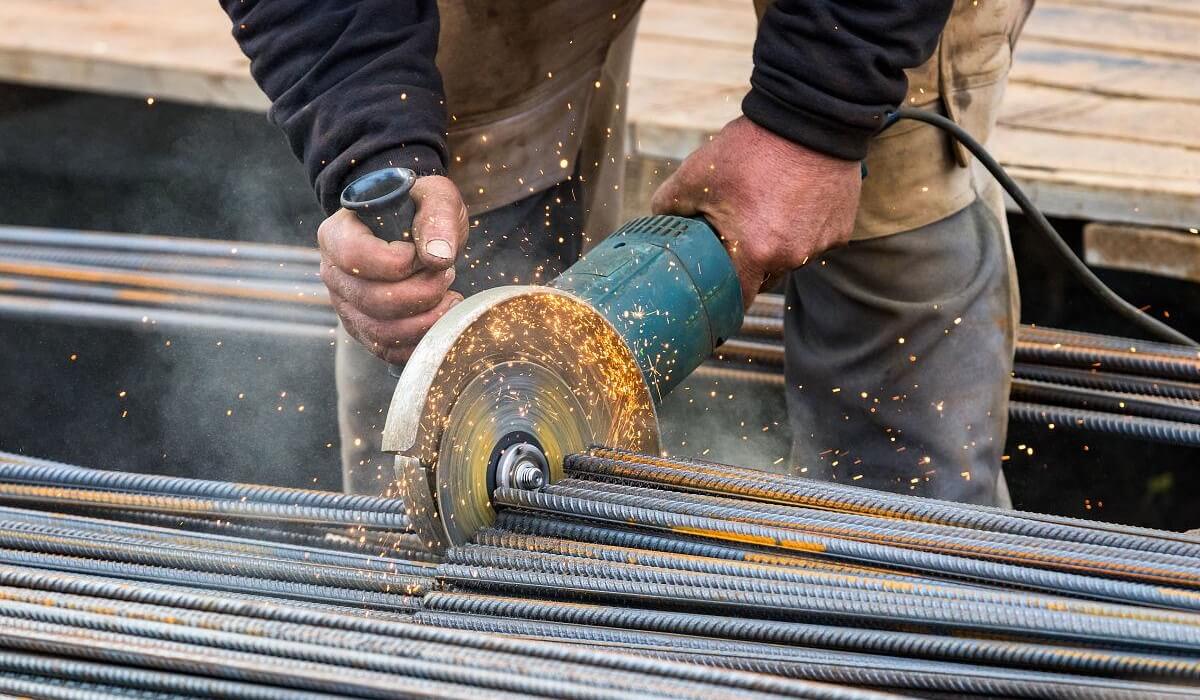
2.0 Safety Preparation Before You Cut
Before you pick up any cutting tool, safety has to come first. Rebar cutting generates metal sparks, sharp burrs, and can throw debris at high velocity. Skipping PPE is never worth the risk.
2.1 Essential Personal Protective Equipment (PPE)
2.2 Worksite Setup & Environmental Hazards
Set up on a stable, flat surface with adequate lighting. If working outdoors, be mindful of wet conditions — electric tools and water are a lethal combination. Keep a fire extinguisher nearby when using an abrasive disc or torch-based cutting method, as sparks can ignite dry material at a surprising distance.
3.0 Understanding Rebar: Sizes, Grades & Environmental Factors
3.1 Common Rebar Sizes
Rebar is sold in standardized bar sizes designated by number. The number corresponds to the bar's diameter in eighths of an inch — so #4 rebar is 4/8" (½") in diameter.
| Bar Size | Diameter (in) | Diameter (mm) | Common Use | Recommended Cutting Tool |
|---|---|---|---|---|
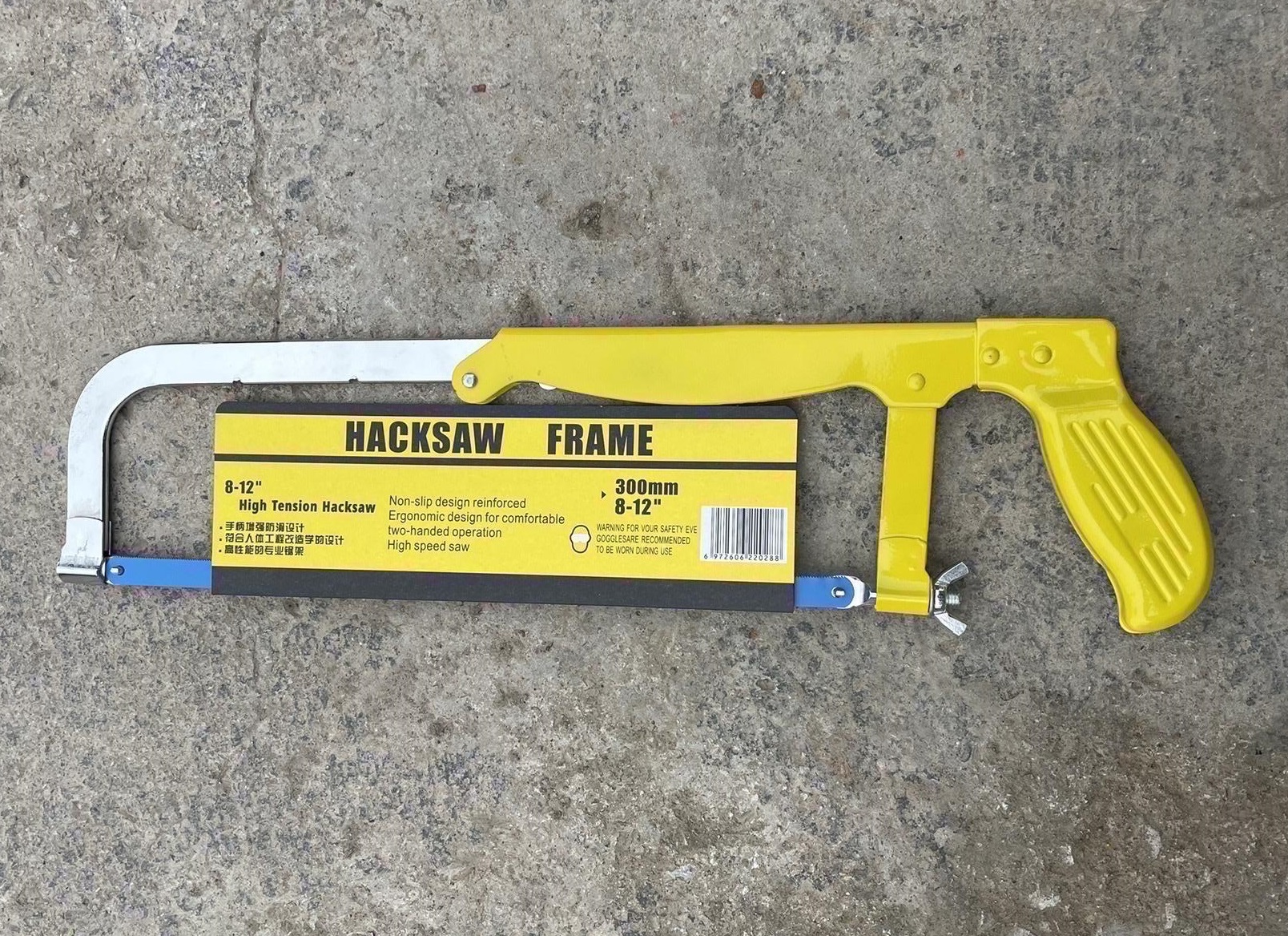
| #3 | 3/8" | 9.5 mm | Driveways, small slabs | Bolt cutters, hacksaw, chop saw |
| #4 | 1/2" | 12.7 mm | Footings, residential walls | Angle grinder, chop saw |
| #5 | 5/8" | 15.9 mm | Beams, columns | Chop saw, hydraulic cutter |
| #6 | 3/4" | 19.1 mm | Heavy structural work | Hydraulic cutter, chop saw |
| #8+ | 1" | 25.4 mm+ | Commercial / industrial | Hydraulic cutter, industrial chop saw |
3.2 Rebar Grades & Material Hardness
Standard construction rebar is Grade 40 or Grade 60 steel. Grade 60 (yield strength: 60,000 psi) is the most common in modern construction and requires more cutting force than Grade 40. Epoxy-coated and stainless steel rebar are used in corrosive environments — both are harder to cut cleanly and require specific blade types.
3.3 Environmental Cutting Factors
Temperature affects both the rebar and your tools. In very cold conditions, steel becomes more brittle and can fracture unpredictably under abrasive cutting. In high heat, blades and abrasive discs wear faster. Always check your tool manufacturer's recommended operating temperature and ensure blades are rated for the rebar type you're cutting.
4.0 Types of Rebar Cutting Tools
Not all cutting tools are built equal, and choosing the wrong one leads to slow cuts, damaged blades, or dangerous situations. Here's a breakdown of the full spectrum — from manual to powered.
4.1 Manual Cutting Tools
4.2 Angle Grinders
A 4½" or 5" angle grinder fitted with a metal cut-off disc is one of the most versatile options for site work. It can handle awkward positions, flush cuts, and a wide range of bar diameters. The trade-off is disc wear, heat buildup, and the need for careful two-handed control. Always use the side handle and keep the guard in place.
4.3 Reciprocating Saws
With the right metal-cutting blade, a reciprocating saw (Sawzall-style) can cut through rebar in awkward, confined positions where a chop saw won't fit. Speed is moderate, and blades dull quickly on heavy bar — keep spares on hand.
4.4 Hydraulic Rebar Cutters
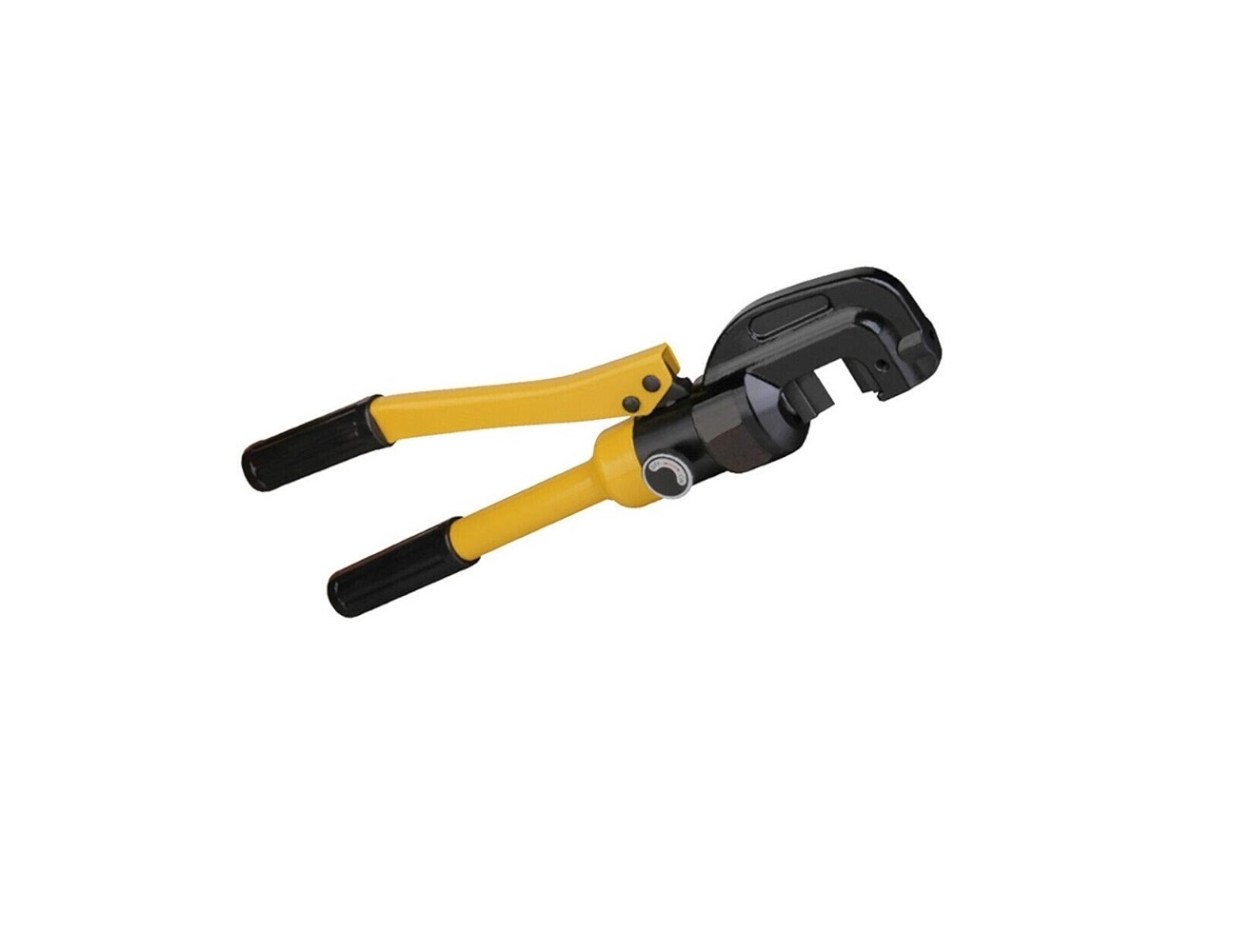
Battery-powered or pump-driven hydraulic cutters are the professional's choice for high-volume work. They cut cleanly, quietly, and with minimal exertion through #6–#8 bar in under two seconds. The drawback is cost and bulk — they're best suited to fabrication yards and large pours.
4.5 Chop Saws (Cold Saws & Abrasive Cut-Off Saws)
For volume cutting, accuracy, and repeatability, a chop saw is the undisputed champion on most construction sites. A stop fence allows repeated cuts to identical lengths, and the downward cutting action keeps the bar firmly in position throughout the cut. The Evolution S355MCS takes this even further with its mitering capability, letting you cut rebar at precise angles for complex reinforcement layouts.
Speed & Volume
When you need to cut dozens or hundreds of bars to the same length, no tool comes close to a chop saw for throughput. Set your stop, cut, repeat. A skilled operator can process an entire bundle of bar in minutes.
Accuracy & Square Cuts
The guided downward stroke of a chop saw produces a perfectly square cut every time — critical for bar ends that sit against forms or connect to splices. Angle grinders and manual methods depend entirely on operator skill for squareness.
Miter Capability
Advanced chop saws allow miter cutting — angled cuts along the horizontal plane. This is invaluable for diagonal bracing, custom cage fabrication, and any project where bars meet at angles other than 90°.
Comparison: Tools at a Glance
| Tool | Speed | Accuracy | Portability | Cost |
|---|---|---|---|---|
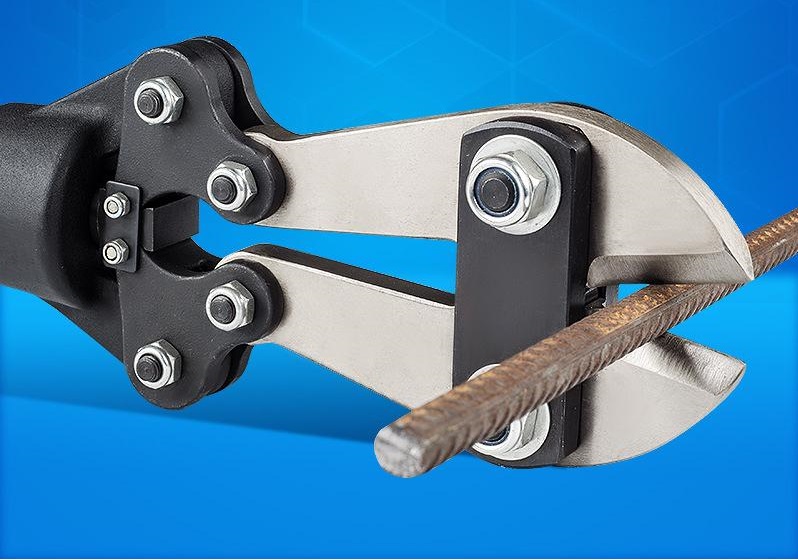
| Bolt Cutters | Fast | Low | High | Low |
| Angle Grinder | Medium | Medium | High | Medium |
| Hydraulic Cutter | Fast | High | Medium | High |
| Chop Saw | Fast | Very High | Medium | Medium |
Heavy Duty Metal Cutting
Purpose-built for demanding metal cutting tasks — cut rebar, steel tube, angle iron, and more with professional accuracy and power.
Evolution S355MCS Chop Saw6.0 How to Choose the Right Rebar Cutting Tool
With so many options available, narrowing down the right tool for your specific situation comes down to five key factors:
7.0 Step-by-Step Rebar Cutting Techniques: Measuring, Marking, and Executing
7.1 Accurate Measuring & Marking
Precision before the cut saves waste and prevents structural errors. Use a steel tape measure — cloth tapes stretch over time. Mark cut lines with a soapstone pencil, paint marker, or chalk for visibility against the bar's surface.
7.2 Cutting Technique with a Chop Saw
- Secure the bar Clamp or vice-grip the rebar firmly in the saw's vise. It must not move during the cut. Support long bars on roller stands or a sawhorse on both sides of the cut.
- Set your stop if batch cutting Clamp a stop block to the fence at the required distance from the blade. Every cut will then be identical without re-measuring.
- Let the blade reach full speed before cutting Turn on the saw and wait for the motor to reach full RPM before lowering the blade into the bar. Plunging a spinning-up blade causes premature wear and can cause the blade to catch.
- Apply steady, moderate downward pressure Don't force the blade — guide it through the bar at a consistent rate. Excessive pressure overheats the blade and slows the cut. Let the blade do the work.
- Complete the cut and release Once through, lift the head back to the rest position before releasing the trigger. Allow the blade to fully stop before adjusting the workpiece.
- Deburr the cut end Use a metal file, bench grinder, or flap disc on an angle grinder to remove any sharp burrs from the cut end. Clean ends are safer and tie together more neatly.

7.3 Cutting Technique with an Angle Grinder
Mark the cut line clearly. Clamp or brace the bar so it won't shift. Use both hands on the grinder with the guard facing the spark direction. Make a shallow score pass first to establish the groove, then increase pressure on the second pass. Never twist or lever the disc — this causes discs to shatter. Allow the cut piece to fall freely — catching it causes the disc to grab.
7.4 Batch Cutting Efficiently: Time & Waste Saving Techniques
Bundle bars in groups of two to four and gang-cut them simultaneously if your saw's capacity allows. Sequence your cuts from longest to shortest to minimize off-cut waste. Create a simple cut list before starting — measuring and marking in bulk before any cutting begins is dramatically faster than measuring one bar at a time during cutting.
8.0 Common Rebar Cutting Mistakes & How to Avoid Them
| Mistake | Why It Happens | How to Avoid It |
|---|---|---|
| Wrong blade for bar material | Using wood or general purpose blades | Always use blades rated specifically for steel or ferrous metal |
| Not securing the bar | Rushing the setup step | Always clamp before cutting — every single time |
| Forcing the cut | Impatience or worn blade | Let the tool do the work; replace blades regularly |
| Skipping PPE | Short cuts for quick single cuts | PPE goes on before the first cut, no exceptions |
| Measuring only once | Overconfidence in memory | Measure twice, cut once — it's a cliché because it's true |
| Ignoring blade wear | Not inspecting blades between uses | Check for cracks, chips, and wear before each session |
9.0 Tool Maintenance: Keeping Your Rebar Cutter in Peak Condition
A well-maintained cutting tool not only lasts longer — it also performs safer, faster, and more consistently. Whether you're using a chop saw, angle grinder, or hydraulic cutter, the same core maintenance principles apply.
9.1 After Each Use
- Remove all metal filings and debris from the tool body, guard, and vise
- Inspect the blade or disc for cracks, chips, or significant wear
- Wipe down metal surfaces with a lightly oiled cloth to prevent surface rust
- Check that all guards are fully functional and properly seated
- Retighten any fasteners that may have loosened through vibration
9.2 Monthly Maintenance
- Lubricate pivot points, hinges, and vise threads per the tool manual
- Check power cord or battery contacts for damage or corrosion
- Inspect carbon brushes (if applicable) and replace if worn
- Test blade guards for smooth, spring-loaded return action
- Blow out motor vents with compressed air to clear metal dust accumulation
9.3 Blade & Disc Selection
The cutting element is the most consumable part of any cutting setup. For chop saws, use abrasive metal cutting discs or, for exceptional longevity and clean cuts, a TCT (Tungsten Carbide Tipped) metal-cutting blade — the type used in the Evolution S355MCS. TCT blades outlast abrasive discs many times over and produce a burr-free, cool-to-the-touch cut.
9.4 Storage Best Practices
- Store tools in a dry, covered location away from direct weather exposure
- Hang abrasive discs flat or store on edge — never stacked under heavy items
- Coil power cords loosely; never wrap tightly around the tool body
- Store hydraulic cutters with the blade retracted and the battery removed
- Use a dedicated case or wall mount to prevent drops and physical damage

10.0 Frequently Asked Questions
14" blade capacity, heavy-duty mitering chop saw engineered for high-volume metal cutting on demanding construction sites.
Evolution S355MCS Chop Saw