
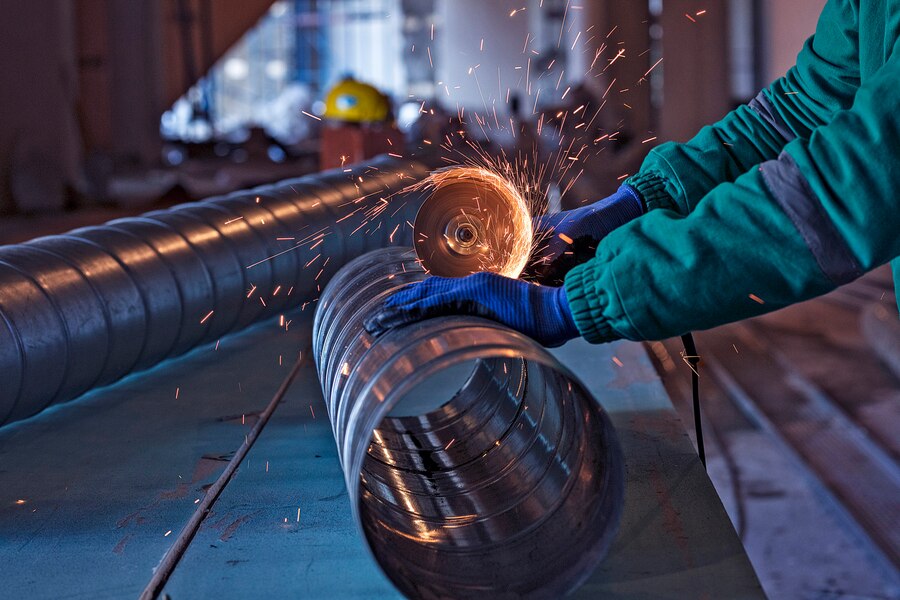
 A pipe beveling machine stand
s as a cornerstone tool within construction, oil and gas operations, and metal fabrication industries. This precision equipment prepares pipe edges for welding by creating angled cuts that enable stronger, more reliable joints. Whether you're building outdoor structures, installing fencing supports, or working on large-scale piping systems, the right beveling tool dramatically improves both the speed and quality of your work.
Throughout this comprehensive guide, we'll explore the capabilities, benefits, and practical applications of pipe beveling machines. We'll also introduce you to FABMAX's exceptional range of solutions—delivering cutting-edge technology that transforms how professionals approach pipe preparation across diverse worksites.
What Exactly Is a Pipe Beveling Machine?
A pipe beveling machine is specialized equipment engineered to shape pipe edges into precise angled cuts—commonly called bevels. These beveled edges are critical for welding applications, as they ensure strong penetration and create robust, lasting joints. The machine either grinds or cuts the pipe wall at calculated angles, producing smooth, consistent results that meet strict industrial standards. From small-diameter residential projects to massive industrial pipelines, pipe beveling tools prove indispensable across countless applications.
How Pipe Beveling Equipment Operates
The beveling process begins with firmly securing the pipe in position. Once stabilized, the beveling tool or cutting head engages the pipe edge, removing material at precisely calculated angles. The specific bevel angle and depth depend on welding specifications and the particular project requirements.
This is where pipe beveling cutting machines truly shine—delivering exceptional precision and remarkable consistency throughout the entire operation. The end result is a perfectly prepared edge that ensures strong, uniform welds every single time.
Understanding Different Bevel Cut Types
Various bevel styles serve different welding applications and requirements:
V-Shaped Bevel
The most common bevel type in pipe welding, creating a V-groove that's perfect for high-pressure applications requiring deep weld penetration.
U-Shaped Bevel
Features a larger, rounded groove ideal for thicker pipes and high-strength materials that demand superior weld quality.
J-Shaped Bevel
Used where high-quality welds are essential, this bevel creates a smooth, consistent joint between pipes of varying thicknesses.
Each bevel style serves distinct purposes, and selecting the appropriate cut depends on material thickness, welding technique, and specific project requirements.
Types of Pipe Beveling Machines
When selecting the right pipe beveling machine, several categories exist to match different operational needs:
Portable Pipe Beveling Machines
A portable pipe beveling machine delivers exceptional flexibility for on-site operations, particularly in construction, oil and gas, and outdoor installation projects. These lightweight yet powerful units excel in remote locations where bringing pipes to a workshop isn't practical.
Key advantages: Compact design for easy transport, adjustable cutting angles, rapid setup time, and versatility across various field conditions.
Stationary Beveling Machines
Workshop environments benefit tremendously from stationary beveling machines, which deliver consistent, high-volume production. These robust units handle larger pipe batches with outstanding accuracy and are built for continuous operation in manufacturing facilities.
Key advantages: Superior precision, high throughput capacity, enhanced stability, and optimized for repetitive production tasks.
Advanced CNC Beveling Machines
CNC beveling machines represent the pinnacle of pipe preparation technology, utilizing computer-controlled automation to achieve complex geometries with extraordinary precision. These systems work exceptionally well with demanding materials like aerospace alloys and specialized steels.
Key advantages: Programmable operations, minimal human error, consistent repeatable results, and capability for intricate bevel profiles.
Key Benefits of Using Pipe Beveling Machines
Precision & Efficiency
Produce exact, consistent bevel angles that eliminate rework and dramatically reduce project timelines.
Versatility & Durability
Handle diverse materials including stainless steel, carbon steel, and exotic alloys across various pipe diameters.
Enhanced Safety
Automated feeding systems reduce manual handling, minimizing workplace accidents and operator fatigue.
Selecting the Right Pipe Beveling Tool
When choosing a pipe beveling tool, consider these critical factors:
Pipe Size & Material: Ensure the machine accommodates your typical pipe diameters and wall thicknesses while handling your primary material types effectively.
Manual vs. Automated: Determine whether a manual setup serves your needs or if automated systems would deliver better productivity gains for high-volume operations.
Production Requirements: For demanding, high-volume applications, consider investing in advanced CNC beveling machines that maximize throughput while maintaining exceptional quality standards.
FABMAX Pipe Beveling Machines
FABMAX delivers an impressive lineup of pipe beveling machines engineered to meet rigorous industrial demands. Their advanced equipment combines precision engineering with user-focused design, making them an excellent choice for professionals who demand consistent, reliable performance.
CHALLENGE Auto
Precision internal and external beveling, ideal for high-production environments demanding exact tolerances.
BIGGER Power
Heavy-duty design for large-diameter pipes, handling demanding workloads with exceptional efficiency.
Split Frame
Perfect for simultaneous cutting and beveling, maximizing efficiency in outdoor construction sites.
Technology Driving Modern Beveling Equipment
The future of pipe beveling machines centers on automation and CNC (Computer Numerical Control) integration. These technological advances enable manufacturers to create beveling equipment that delivers superior precision, exceptional repeatability, and faster production cycles.
Industry 4.0 innovations are pushing boundaries further, incorporating real-time monitoring, diagnostic capabilities, and data-driven insights. Automation not only increases operational efficiency but also reduces human error significantly, producing better-quality results with greater consistency.
Industry Applications for Pipe Beveling Machines
Pipe beveling machines serve essential roles across numerous industries, each benefiting from precise, reliable edge preparation:
Oil & Gas
Pipeline systems requiring precise fitting preparations and leak-proof welded connections.
Construction
Structural pipe components, support columns, and outdoor framework assemblies.
Manufacturing
Custom fabrication tasks using pipe beveling tools for specialty pipe sections.
Conclusion
Investing in a quality pipe beveling machine represents an excellent way to enhance your workflow, reduce errors, and ensure consistently high-quality welds. Whether you're involved in construction, outdoor installations, manufacturing, or oil and gas operations, selecting the right beveling tool for pipe makes a substantial impact on your project's precision, speed, and overall success.
With advanced machines like those from FABMAX, you can work more efficiently while achieving professional-grade results in less time.
Take the Next Step with FABMAX
Explore FABMAX's innovative range of auto-feed pipe beveling machines and other professional-grade tools designed for high-quality, precise beveling work.
PipeCut & Bevel 360 ProFrequently Asked Questions
Q1. What is a pipe beveling machine used for?
A pipe beveling machine creates beveled cuts on pipe edges, which are essential for preparing pipes for high-quality welding. This ensures strong joints, ideal weld penetration, and lasting durability.
Q2. How does a pipe beveling machine work?
The machine secures the pipe firmly, then uses a rotating cutting tool to grind or cut the pipe edge at a specific angle, creating a bevel perfect for welding applications.
Q3. Can I use a portable pipe beveling machine on large pipes?
Yes, portable pipe beveling machines are designed to handle a wide range of pipe sizes and materials, making them suitable for both small-scale projects and large-diameter field operations.
Q4. What are the different types of bevel cuts?
Common bevel cuts include V-shaped, U-shaped, and J-shaped bevels. Each serves different purposes depending on the welding application and material requirements.
Q5. Is a CNC beveling machine more accurate than manual beveling tools?
Yes, CNC beveling machines offer high precision, repeatability, and automation, which makes them ideal for complex or high-volume projects requiring consistent quality.
Q6. What materials can a pipe beveling tool handle?
Pipe beveling tools can handle various materials, including carbon steel, stainless steel, and exotic alloys like titanium and nickel, depending on the machine's capabilities.
Q7. Are there safety concerns when using pipe beveling machines?
As with any power tool, safety precautions must be followed. However, modern pipe beveling tools significantly reduce manual intervention, enhancing workplace safety.
Q8. How do I choose the right pipe beveling tool for my needs?
Consider the pipe size, the material being worked with, and whether you need a manual or automated solution. Portable pipe beveling machines are great for fieldwork, while stationary machines offer high production for workshop settings.