
Discover the thrilling world of river paddling and learn essential skills for navigating wild waters
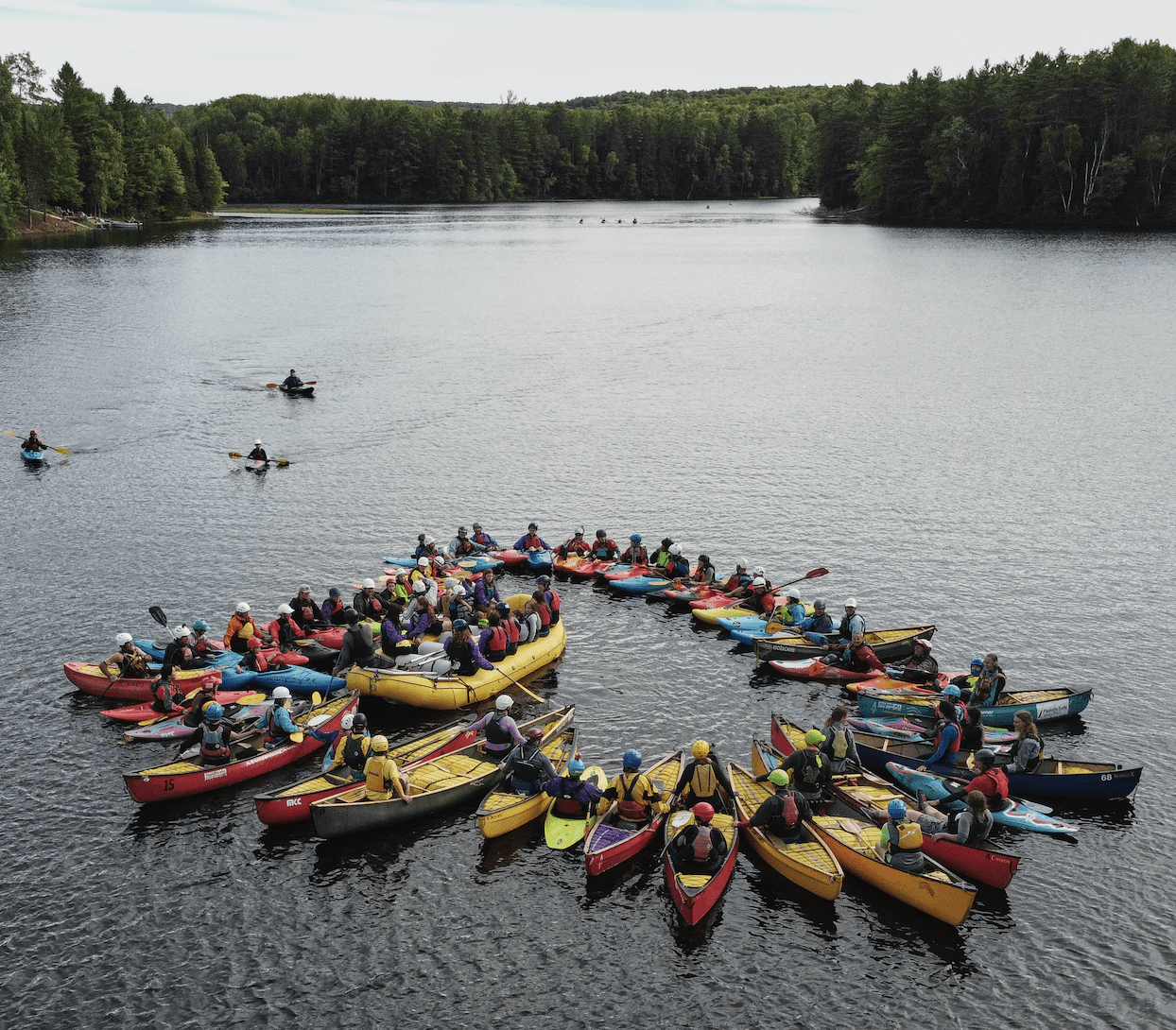
River kayaking represents one of the most exhilarating outdoor pursuits available today. Whether you're drawn to the adrenaline rush of conquering churning rapids or prefer the meditative calm of flatwater paddling, this sport offers something remarkable for everyone. The journey from novice to confident paddler involves learning fundamental techniques, understanding water dynamics, and respecting the raw power of moving water.
Modern kayaking instruction emphasizes progressive skill development within a safe, controlled environment. Participants begin by mastering basic strokes and boat control in calm conditions before gradually advancing to more challenging water features. This methodical approach ensures paddlers build confidence while developing the muscle memory and decision-making abilities essential for river navigation.
Prioritizing Safety on the River
Water safety forms the cornerstone of responsible kayaking practice. Before launching into any river environment, paddlers must understand that moving water possesses tremendous force and demands complete respect. Even seemingly gentle currents can present unexpected challenges to unprepared individuals.
Professional instruction through certified programs provides invaluable knowledge about hazard recognition, rescue techniques, and emergency protocols. Experienced instructors teach students how to identify potential dangers such as strainers, undercut rocks, and hydraulic features while developing strategies to avoid or navigate these obstacles safely.
Essential safety equipment includes properly fitted personal flotation devices, helmets designed for paddling, and appropriate clothing for water temperature conditions. Understanding how to perform wet exits and self-rescue maneuvers represents critical knowledge that every kayaker must possess before venturing onto moving water.
Essential Gear for River Adventures
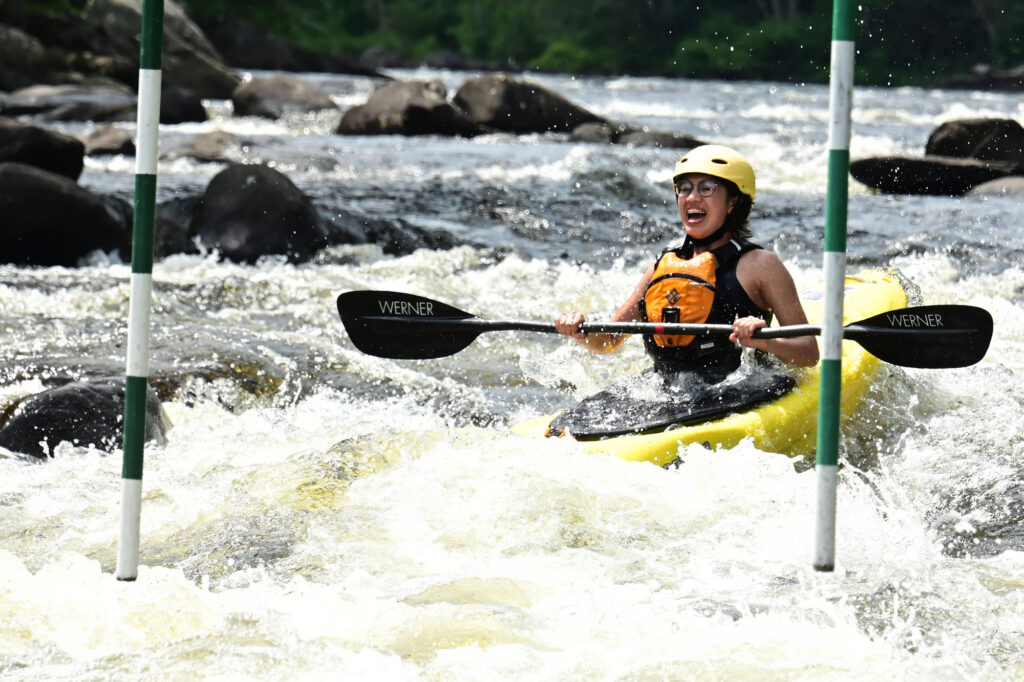
Selecting appropriate equipment significantly impacts your kayaking experience and safety. Whitewater boats differ substantially from recreational or touring kayaks, featuring shorter lengths, increased rocker, and greater volume distribution to handle the demands of turbulent water.
Modern river kayaks utilize advanced materials and hull designs that balance maneuverability with stability. Boats range from highly responsive creek designs for technical descents to playful models optimized for wave surfing and freestyle tricks. Choosing the right craft depends on your skill level, physical attributes, and intended use.
Ready to Hit the Rapids?
Equip yourself with professional-grade kayaking equipment designed for river adventures
Fluid Do-It-Now Kayak
Mastering Core Paddling Techniques
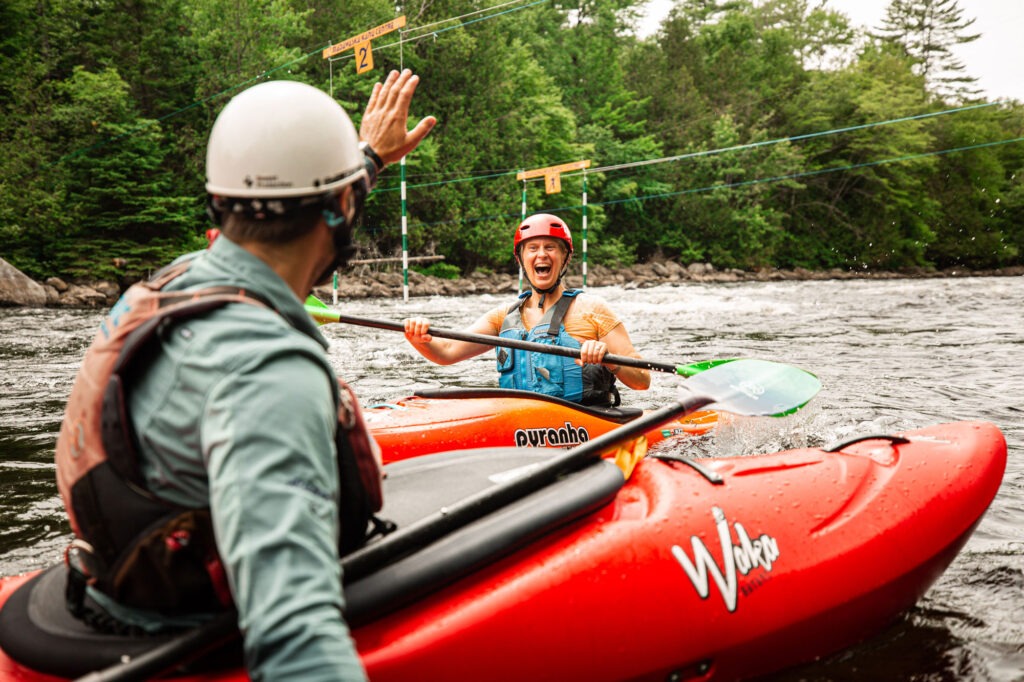
Developing solid paddling fundamentals creates the foundation for all future skill progression. The forward stroke, though seemingly simple, requires proper torso rotation, blade angle, and timing to achieve maximum efficiency. Beginning paddlers often rely too heavily on arm strength rather than engaging their core muscles for power generation.
Sweep strokes enable precise boat rotation, allowing paddlers to change direction quickly and position themselves accurately relative to river features. Mastering both forward and reverse sweeps provides the control necessary for reading and running rapids effectively. Draw strokes and braces add lateral movement capabilities and stability enhancement respectively.
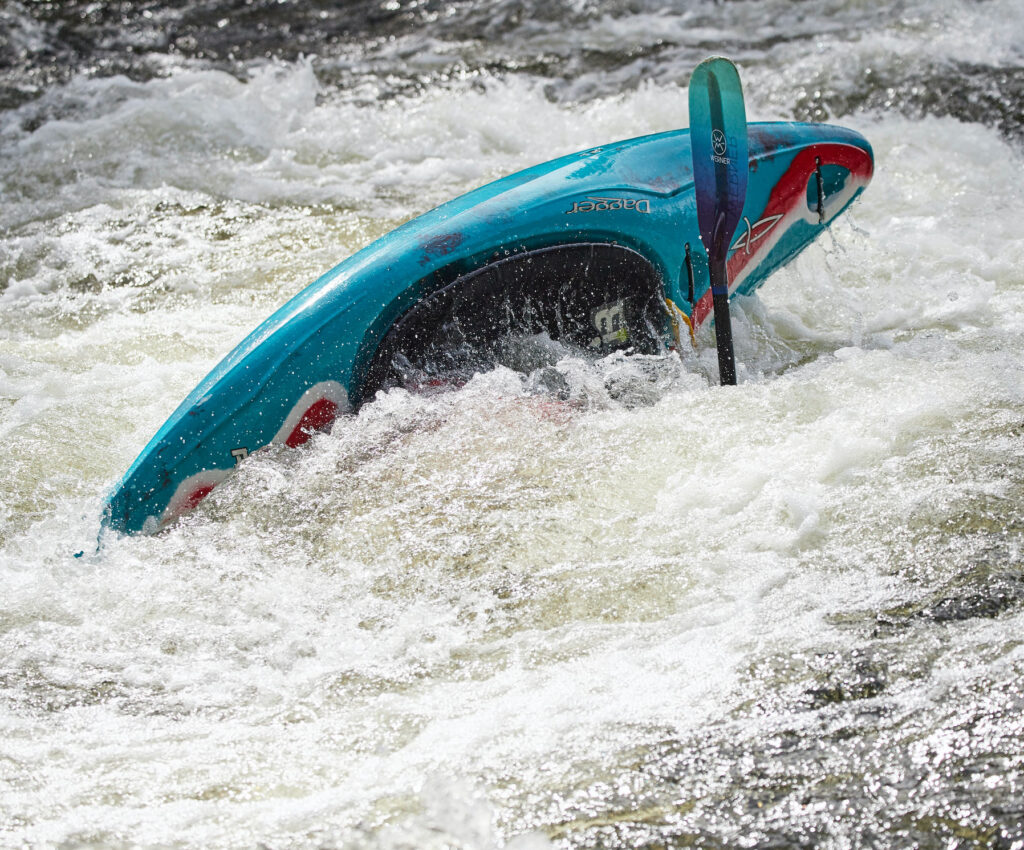
The Eskimo roll represents perhaps the most valuable skill a kayaker can acquire. This self-rescue technique allows paddlers to right their capsized boats without exiting, maintaining control and avoiding potentially dangerous swim situations. While initially challenging, consistent practice under qualified supervision makes rolling second nature.
River Reading Skills
Understanding water dynamics separates confident paddlers from struggling ones. Learning to identify eddies, recognize wave trains, and spot hazards requires developing visual literacy specific to moving water. Experienced kayakers continuously scan downstream, planning routes and backup options while maintaining awareness of their current position.
Progressive Learning
Skill advancement follows a natural progression from flatwater fundamentals through increasingly complex whitewater environments. Structured courses guide students through this journey systematically, ensuring each new challenge builds upon previously mastered skills. Patience and consistent practice prove far more effective than attempting to rush advancement.
 Diverse Kayaking Disciplines
Whitewater kayaking encompasses numerous specialties, each offering unique challenges and rewards. Creek boating focuses on technical descents through narrow, boulder-strewn channels requiring precise boat control and strong decision-making. This discipline demands confidence and commitment as paddlers navigate continuous rapids with limited recovery opportunities.
Playboating or freestyle kayaking emphasizes performing tricks and maneuvers on individual river features such as waves and holes. This discipline has evolved into a competitive sport with dedicated boats designed for maximum aerial performance and carving ability. Playboating provides excellent skill development while offering immediate feedback and progression opportunities.
River running combines elements of all kayaking styles, focusing on efficiently descending rapids while maintaining control and style. This represents the foundation of whitewater paddling, teaching kayakers to link moves together, maintain momentum, and navigate complex rapid sequences smoothly.
Professional Instruction Programs
Quality kayaking courses provide structured learning environments where students progress at appropriate paces under expert guidance. Comprehensive programs cover everything from basic paddle strokes and wet exit procedures through advanced rapid reading and rescue techniques. Small student-to-instructor ratios ensure personalized attention and safety.
Multi-day intensive courses accelerate skill development through immersive experiences combining classroom theory with extensive on-water practice. Students benefit from immediate feedback, video analysis, and progressive challenges calibrated to push boundaries while maintaining appropriate safety margins.
Continuing education opportunities allow experienced paddlers to refine techniques, learn specialized skills, or pursue instructor certification. Advanced courses explore topics like swift water rescue, expedition planning, and leadership development, supporting lifelong learning within the paddling community.
Ideal Learning Environments
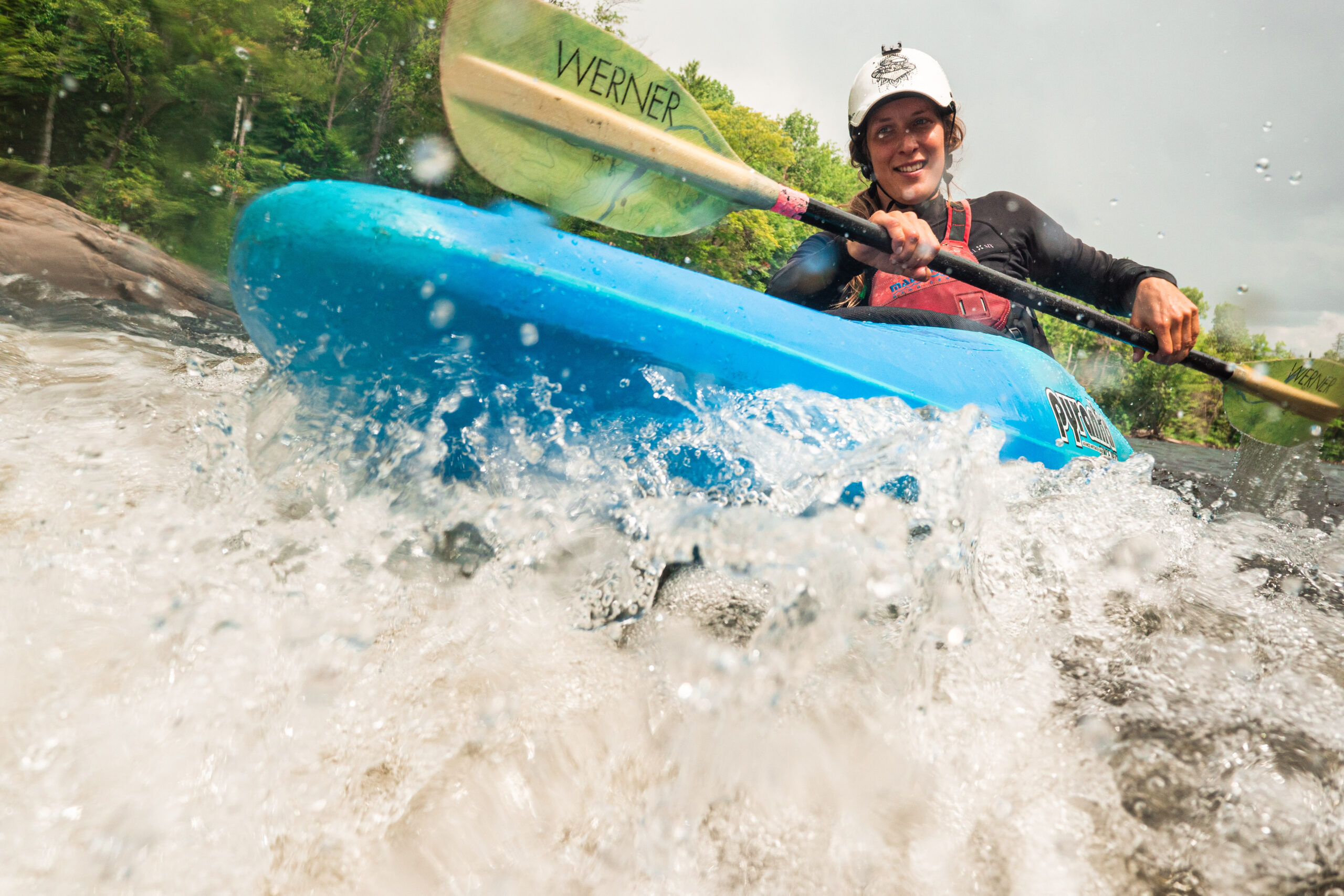
Premier kayaking destinations offer diverse water features within relatively short distances, allowing instructors to match students with appropriately challenging terrain. Rivers featuring pool-drop characteristics with distinct rapids separated by calm water provide ideal learning venues where paddlers can attempt features, recover composure, and reflect on performance before proceeding.
Access to varying difficulty levels within single river systems enables seamless progression as skills develop. Beginning paddlers benefit from gentle class I-II sections before graduating to more demanding class III-IV rapids. This proximity eliminates the need for extensive shuttles while maintaining diverse training opportunities.
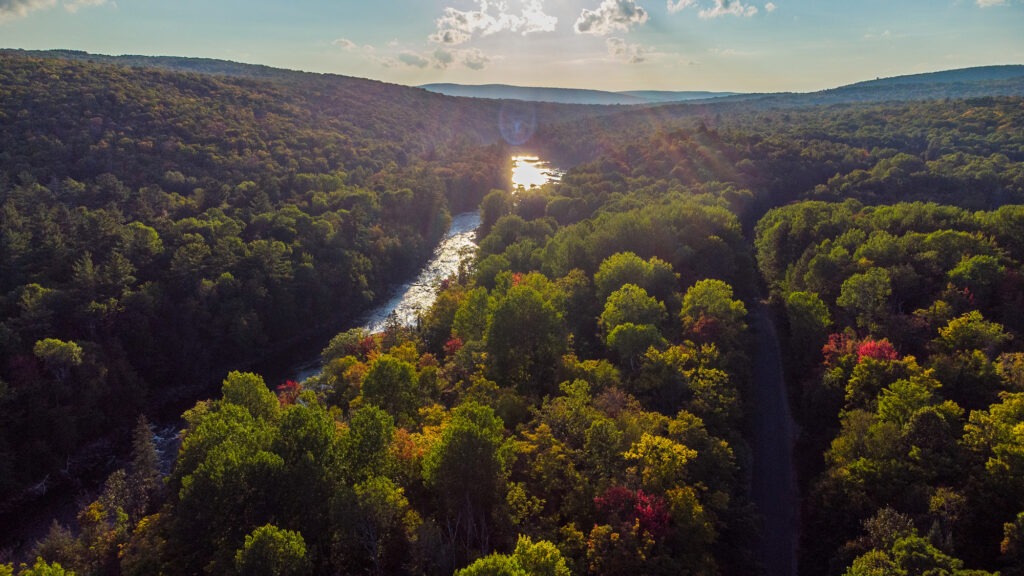
Natural settings enhance the kayaking experience beyond pure skill development. Paddling through pristine wilderness areas, observing wildlife, and connecting with nature's rhythms create memorable experiences that foster deep appreciation for river environments and inspire commitment to conservation.
Protecting River Ecosystems
Responsible paddlers recognize their role as river stewards, minimizing environmental impact while advocating for waterway protection. Leave No Trace principles apply equally to water-based activities, requiring kayakers to pack out all waste, avoid disturbing wildlife, and respect sensitive riparian zones.
River access depends on maintaining positive relationships with landowners, regulatory agencies, and other user groups. Courteous behavior, adherence to regulations, and participation in cleanup efforts strengthen these relationships while preserving access for future generations. Supporting river conservation organizations amplifies individual efforts through collective action.
The Kayaking Community
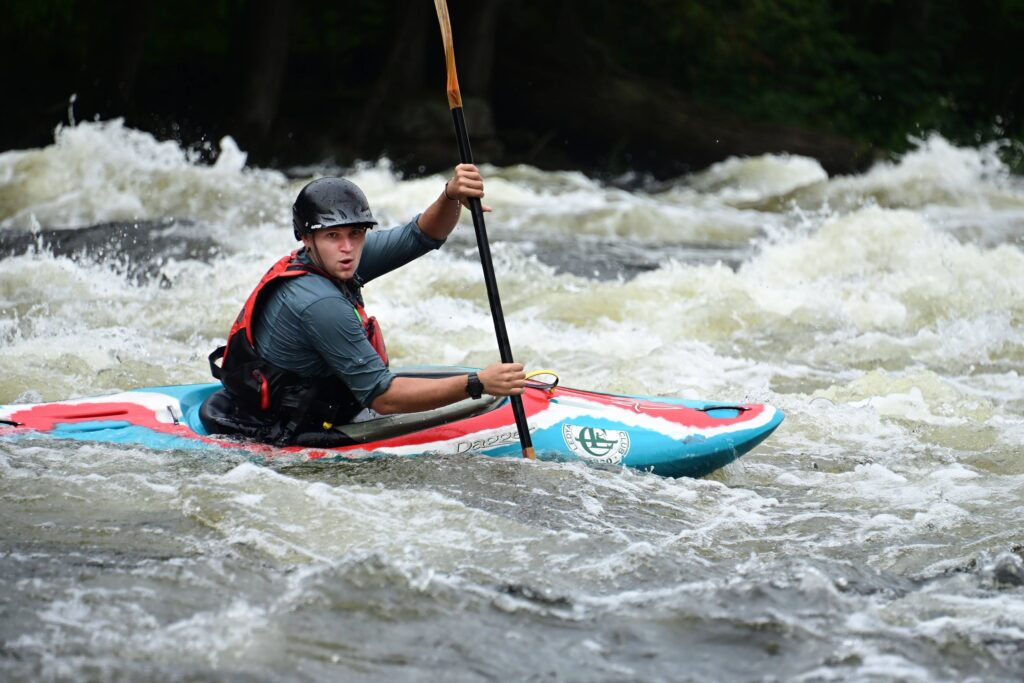
Paddling culture emphasizes camaraderie, mutual support, and shared stoke for river experiences. The kayaking community welcomes newcomers enthusiastically, with experienced paddlers regularly offering guidance, shuttle assistance, and encouragement. This inclusive atmosphere accelerates learning while building lasting friendships centered on common passions.
Group dynamics enhance both safety and enjoyment on river trips. Paddling with others provides rescue backup, route-finding assistance, and moral support when facing challenging sections. The collective energy of group descents amplifies excitement while distributed risk management improves overall safety margins.
Events, festivals, and gatherings strengthen community bonds while celebrating paddling culture. These occasions range from competitive races and freestyle competitions to casual social gatherings and film screenings. Participation connects paddlers across experience levels and geographic boundaries, reinforcing the sport's welcoming, inclusive nature.
Beginning Your Paddling Journey
Starting kayaking requires minimal initial investment when working with established programs providing equipment and instruction. Introductory courses supply all necessary gear, allowing newcomers to explore the sport before committing to equipment purchases. This approach removes financial barriers while ensuring access to appropriate, well-maintained equipment.
Early experiences profoundly influence long-term engagement with kayaking. Quality instruction creates positive first impressions by ensuring safety, managing expectations, and facilitating genuine success. Positive reinforcement and achievable goals build confidence while establishing solid technique foundations that support future growth.
The pathway from beginner to accomplished paddler unfolds through consistent practice, ongoing education, and gradual challenge escalation. Patience with the learning process proves essential, as mastery develops incrementally rather than through sudden breakthroughs. Celebrating small victories maintains motivation during the inevitable plateaus that punctuate skill development.
Embracing the River Experience
Whitewater kayaking offers unparalleled opportunities for adventure, personal growth, and nature connection. The sport challenges participants physically and mentally while rewarding persistence with profound satisfaction and memorable experiences. Rivers provide ever-changing classrooms where lessons extend far beyond paddling technique.
Whether seeking adrenaline-fueled descents, peaceful explorations, or social connections with like-minded individuals, kayaking accommodates diverse interests and abilities. The sport's versatility ensures lifelong engagement opportunities as skills develop and interests evolve.
Taking that first step into a kayak opens doors to incredible adventures and personal transformation. Professional instruction provides the knowledge and skills necessary to pursue these opportunities safely while building confidence for independent exploration. The rivers await—your paddling journey begins with that initial commitment to learning.
Gear Up for Your River Adventure
Experience the thrill of whitewater paddling with high-performance equipment designed for both beginners and experienced kayakers
Shop Fluid Do-It-Now Kayak