
Master the Rapids: Essential Knowledge for Starting Your Adventure
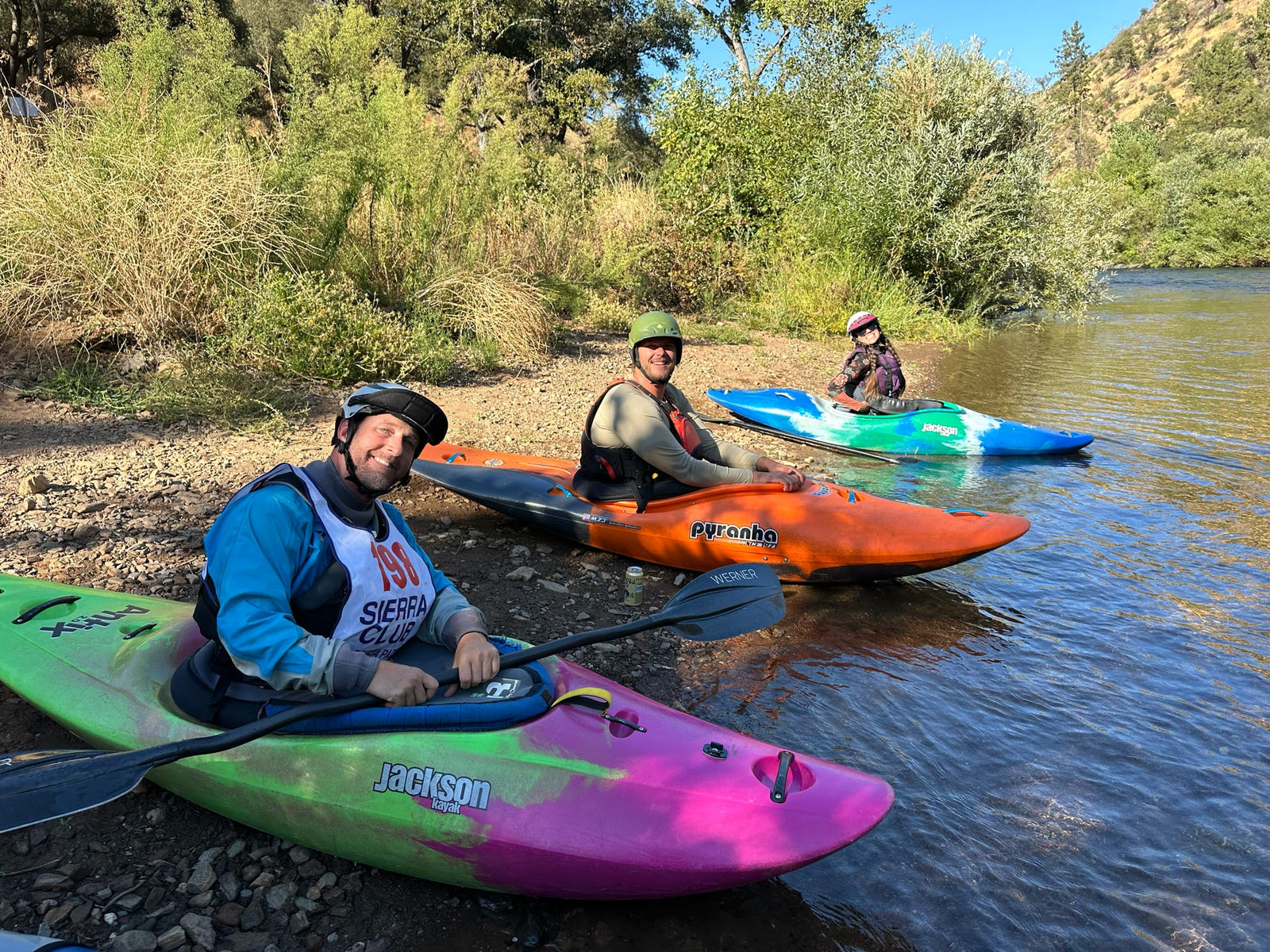 Launching into whitewater kayaking represents one of the most thrilling outdoor pursuits you can embrace. This dynamic water sport combines physical challenge with mental fortitude, delivering an unmatched rush as you navigate through churning rapids and cascading currents. For those captivated by the allure of rushing rivers, whitewater kayaking presents a remarkable opportunity to test your abilities in nature's most powerful element. Whether you dream of conquering Class V torrents or simply want to experience the joy of gliding through moving water, this comprehensive guide will equip you with everything necessary to begin your whitewater journey safely and confidently.
1. Discovering the Allure of River Running
What draws paddlers to whitewater isn't just the excitement of navigating turbulent water—though that certainly plays a major role. The magnetic pull of whitewater kayaking stems from its unique blend of physical exertion, technical mastery, and the pure exhilaration of reading and responding to river dynamics in real-time.
Rivers present constantly evolving challenges, each rapid offering distinct obstacles that demand quick thinking, precise paddle strokes, and unwavering focus. The sport merges cardiovascular conditioning with strategic problem-solving, as you simultaneously maintain balance, execute technical maneuvers, and plot your course through complex hydraulics. This integration of mind and body creates an immersive experience that few activities can match.
Beyond the adrenaline rush, whitewater kayaking opens doorways to pristine wilderness areas accessible only by river. Remote canyons, spectacular gorges, and untouched natural corridors become your playground, offering perspectives on the landscape that land-based adventurers never witness. The river community itself adds another dimension—paddlers universally share a deep respect for the water and for each other, cultivating lasting friendships forged through shared adventures and mutual dependence in challenging conditions.
2. Selecting Your Essential Equipment
Proper gear selection forms the foundation of safe and enjoyable whitewater kayaking. While the equipment list might seem extensive initially, each piece serves a critical function in protecting you and enhancing your performance on the river. Let's examine the fundamental items every whitewater paddler requires:
Kayak Selection
Modern whitewater kayaks come in various designs serving different purposes and skill levels. Beginners typically start with recreational models offering enhanced stability, forgiving handling, and durable construction. As your abilities progress, you might explore playboats for performing tricks, creek boats for technical descents, or river runners for all-around versatility.
Paddle Systems
A quality paddle matched to your size and paddling style makes an enormous difference. Consider blade surface area, shaft material, weight distribution, and whether you prefer a straight or bent shaft. Premium paddles may cost more initially but deliver superior performance and durability that justifies the investment.
Safety Helmet
Your helmet represents non-negotiable safety equipment. Select a model specifically rated for whitewater use that provides comprehensive coverage while allowing unrestricted movement and peripheral vision. Ensure proper fit—a helmet that shifts during impact provides inadequate protection.
Personal Flotation
Whitewater-specific personal flotation devices differ significantly from general recreation vests. Look for high-flotation models with short torsos that won't interfere with spray skirt attachment, reinforced panels for durability, and quick-release rescue features. Proper fit is essential—test your PFD extensively before committing to river conditions.
Spray Skirt
The spray skirt creates a waterproof seal between you and your kayak, preventing water intrusion while allowing rapid exit when necessary. Neoprene skirts offer the best water exclusion for cold conditions and aggressive rapids, while nylon versions provide adequate protection for warmer environments and calmer water.
Thermal Protection
Water temperature dictates your exposure protection needs. Cold water demands wetsuits or drysuits to prevent hypothermia, while moderate temperatures might only require quick-dry clothing layers. Never underestimate the danger of cold water—even summer rivers can induce hypothermia surprisingly quickly without proper insulation.
Additional items enhance safety and comfort: sturdy footwear guards your feet during rocky landings, gloves protect hands in cold conditions, throw ropes enable rescues, and waterproof storage keeps essentials dry. Build your equipment collection systematically, prioritizing quality safety gear before convenience accessories.
Ready to Start Your Whitewater Adventure?
Equip yourself with professional-grade gear designed for river running. Our carefully selected kayaks deliver the perfect balance of stability, maneuverability, and durability for paddlers at every skill level.
Fluid Do-It-Now Kayak3. Mastering Fundamental Techniques
Before tackling whitewater, establishing solid foundational skills in controlled environments proves invaluable. These core techniques form the building blocks for everything you'll accomplish on the river:
Paddle Mechanics
Efficient paddle strokes begin with proper body rotation rather than arm strength alone. Learn to engage your torso muscles, generating power from your core while your arms guide blade placement and angle. Master the forward stroke, sweep strokes for turning, draw strokes for lateral movement, and the essential brace strokes that prevent capsizing.
River Reading Skills
Understanding river hydrology separates competent paddlers from struggling beginners. Study how water flows around obstacles, creating eddies behind rocks, forming waves over submerged features, and generating holes where water pours over drops. Recognize the tongue—the smooth V-shaped pattern indicating the deepest channel—and learn to identify hazards like undercut rocks and dangerous hydraulics from surface indicators.
Wet Exit Proficiency
This fundamental safety skill must become second nature before attempting moving water. Practice until you can calmly and efficiently exit your capsized kayak while maintaining grip on your paddle. The wet exit represents your emergency escape system—confidence in this technique reduces anxiety and enables you to paddle more aggressively.
Eskimo Roll Development
While not immediately necessary, learning to roll your kayak upright after capsizing exponentially expands your capabilities and safety margins. This advanced skill keeps you in your boat during unexpected flips, allowing you to continue running rapids rather than swimming and potentially facing greater hazards. Most paddlers begin roll instruction in pools before transitioning to river practice.
4. Decoding River Difficulty Ratings
The International Scale of River Difficulty classifies rapids from Class I through Class VI, helping paddlers assess whether specific river sections match their abilities. Understanding these classifications prevents paddlers from attempting runs beyond their skill level—a critical safety consideration:
Class I: Moving Water
Minimal waves, negligible obstacles, and straightforward navigation. These sections suit absolute beginners and provide pleasant float trips with gentle current movement.
Class II: Novice Rapids
Moderate waves, clear channels requiring basic maneuvering, and straightforward routes. Paddlers with fundamental skills handle Class II comfortably, making these sections ideal for developing river reading abilities.
Class III: Intermediate Challenge
Larger waves, more complex route-finding, and increased consequences for errors. Class III demands solid technical skills, reliable roll ability for safety, and experience recognizing and avoiding river hazards.
Class IV: Advanced Whitewater
Powerful waves, demanding technical moves, and significant hazard potential. Only experienced paddlers with proven Class III mastery should attempt these rapids, which often require precise boat control in turbulent conditions.
Class V: Expert Territory
Extremely challenging rapids with complex routes, severe hazards, and potentially violent water requiring expert-level skills. Class V represents the domain of highly experienced paddlers who have methodically developed their abilities through years of progressive challenges.
Class VI: Extreme Limits
Rapids at the absolute edge of navigability, typically run only by elite paddlers accepting extreme risk. These sections present life-threatening hazards even for world-class kayakers, and many remain unrun or rarely attempted.
Remember that river conditions fluctuate dramatically with water levels, weather, and seasonal changes. A Class III rapid at moderate flow might become Class IV or even Class V during high water, while low flows might reveal previously submerged obstacles creating entirely different hazards. Always scout unfamiliar rapids and understand that classifications provide general guidance rather than absolute certainty.
5. Engaging with the Paddling Community
Joining established kayaking clubs or enrolling in professional instruction programs represents one of the smartest investments for aspiring whitewater paddlers. These organizations provide structured learning environments, experienced mentorship, and immediate access to the local paddling community.
Certified instructors bring systematic teaching approaches that accelerate skill development while emphasizing safety protocols you might overlook when self-teaching. They identify technique flaws early, preventing bad habits from becoming ingrained, and provide immediate feedback that dramatically shortens the learning curve.
Club memberships connect you with paddlers across all skill levels, from fellow beginners to seasoned experts willing to share knowledge accumulated through decades on rivers. These connections facilitate group trips, equipment sharing, transportation coordination, and the invaluable mentorship that transforms novices into confident river runners. The social dimension enriches the entire experience—whitewater kayaking thrives as a community activity rather than a solo pursuit.
7. Cultivating River Safety Awareness
Never Paddle Solo: Always kayak with companions experienced in swift-water rescue techniques. The buddy system provides essential backup when situations deteriorate unexpectedly.
Verify Environmental Conditions: Research water levels and weather patterns thoroughly before launching. River conditions transform rapidly with rainfall, snowmelt, or dam releases, potentially creating hazardous situations without warning.
Master Self-Rescue: While group support is essential, your ability to self-rescue—executing wet exits cleanly, swimming defensively, and performing self-recovery techniques—determines your survival in emergency situations.
Respect Your Limitations: Pride has no place on rivers. If a rapid appears beyond your abilities, portage around it without hesitation. Every experienced paddler has walked past countless rapids, prioritizing safety over ego.
Maintain Rescue Readiness: Carry appropriate rescue equipment and know how to deploy it effectively. Regular practice with throw ropes, rescue techniques, and emergency procedures ensures you can assist others when seconds matter.
6. Building Progressive Competence
Whitewater kayaking demands gradual skill development built upon consistent practice and incremental challenge progression. Rushing advancement invites accidents and undermines confidence—patience in skill building separates successful paddlers from those who quit after frightening experiences.
Dedicate time to perfecting fundamental strokes before attempting moving water. Once comfortable with basic boat control, progress to easy Class I-II rivers where you can practice techniques without severe consequences for mistakes. As competence grows, gradually increase challenge levels, always ensuring you dominate your current skill tier before advancing.
Physical conditioning enhances every aspect of your paddling. Core strength stabilizes your kayak and generates stroke power, cardiovascular fitness prevents exhaustion during long runs, and flexibility facilitates efficient technique execution. Incorporate targeted exercises addressing these areas, recognizing that stronger paddlers handle challenging conditions more effectively while reducing injury risk.
8. Embracing the Journey
Above all else, whitewater kayaking should deliver joy and fulfillment. While serious about safety and skill development, never lose sight of the fundamental reason you're drawn to rivers—the pure enjoyment of being on the water in spectacular natural settings.
Celebrate progress at every level. Successfully running your first Class II rapid represents just as significant an achievement as a veteran paddler conquering a Class V descent. The kayaking journey offers rewards at every stage—don't fixate solely on future goals while missing present accomplishments.
Some days will test you mentally and physically. Rapids will flip you, swims will humble you, and difficult carries will exhaust you. These challenges form integral parts of the experience, teaching resilience, humility, and respect for nature's power. The most memorable river trips often include unexpected difficulties that later transform into cherished stories shared around campfires.
Connect deeply with the rivers themselves and the remarkable landscapes they carve through. Modern life rarely provides opportunities to disconnect from technology and immerse yourself completely in natural environments. Rivers offer this precious gift—accept it gratefully and let the water wash away accumulated stresses while reconnecting you with what matters most.
Launch Your River Adventure Today
Whitewater kayaking opens doors to extraordinary experiences, personal growth, and lifelong friendships forged through shared river adventures. The path from complete beginner to confident paddler requires dedication, proper instruction, quality equipment, and progressive skill development—but the rewards justify every bit of effort invested.
Start your journey by connecting with local paddling organizations, investing in appropriate safety gear, and committing to methodical skill building under experienced guidance. Respect the river's power, never stop learning, and always prioritize safety above ambition. The rivers await—are you ready to answer their call?