
Essential Knowledge for Rapids, Rivers, and Unforgettable Water Adventures
Whitewater kayaking represents one of the most thrilling outdoor pursuits available, combining physical challenge with natural beauty. Whether you're planning your first river expedition or enhancing your paddling expertise, understanding the fundamentals ensures both safety and enjoyment on the water.
1. Decoding River Difficulty Ratings
Rivers worldwide follow a standardized difficulty rating system known as the International Scale of River Difficulty. This framework ranges from gentle flatwater to extreme rapids, helping paddlers select appropriate waterways for their skill level.
Beginners should exclusively target Class I or II waterways initially, progressively developing abilities before attempting more demanding river sections.
2. Selecting Your Watercraft and Gear
Your equipment choices directly influence your experience on the river. Understanding the distinctions between different watercraft types helps you make informed decisions aligned with your paddling goals.
Watercraft Options Explained
Critical Safety Equipment
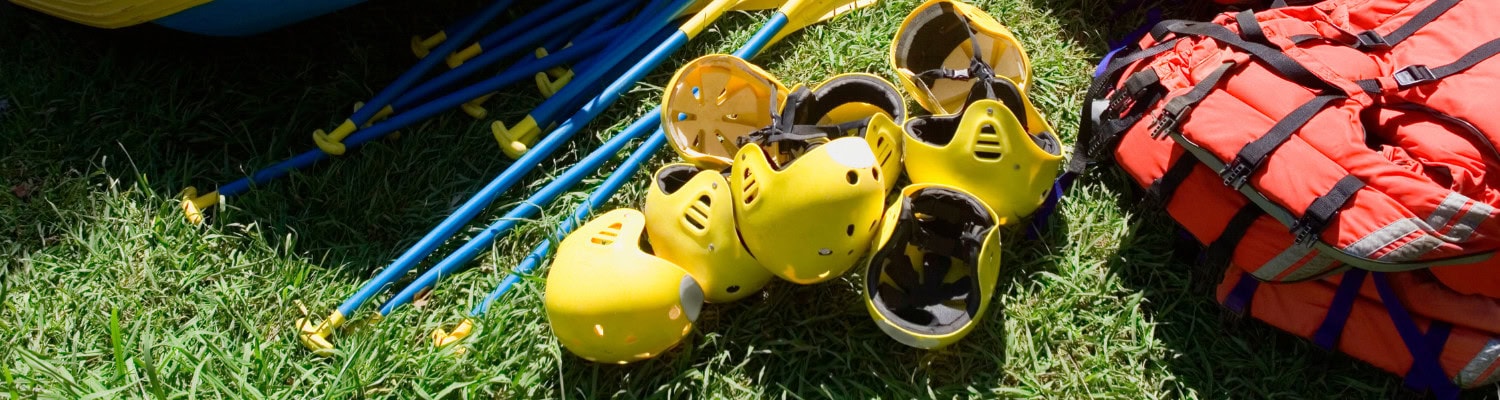
- Personal Flotation Device: Essential for all paddlers regardless of swimming ability. Properly fitted PFDs maintain buoyancy if you capsize.
- Protective Helmet: Shields your head from rocks and debris in the water. Ensure proper fit and whitewater certification before use.
- Rescue Throw Bag: Rope system for swimmer rescue in emergencies. Practice deployment before needing it in actual situations.
- Thermal Protection: Water temperature dictates whether wetsuits or dry suits are necessary. Understanding this distinction prevents dangerous cold exposure.
- Paddleboard Attachment: Paddle UK recommends avoiding leashes on whitewater due to entanglement risks with river features.
3. Understanding River Dynamics
Developing river reading skills transforms you from a reactive paddler to a strategic navigator. Learning to interpret water features and anticipate hazards becomes increasingly important as you progress to more challenging rivers.
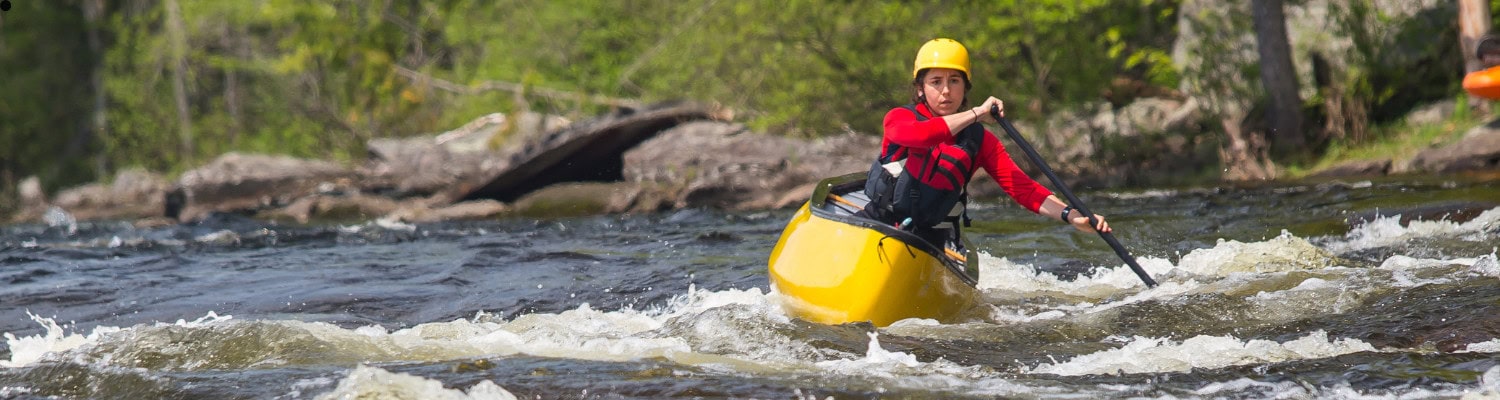
Observe how currents move, identifying acceleration zones and calmer sections. Watch for white foam indicating rapids, rocks protruding above the surface, and debris accumulation. Notice eddy lines where currents reverse direction, creating potential rest areas or repositioning opportunities.
Key River Features to Identify
4. Prioritizing Your Safety
Safety consciousness must override all other considerations when paddling whitewater. Following established safety protocols dramatically reduces risk and ensures everyone returns from river trips unharmed.
Essential Safety Protocols
Remember that whitewater conditions change constantly based on rainfall, snowmelt, and seasonal variations. Water levels fluctuate dramatically, transforming familiar rivers into entirely different challenges requiring fresh assessment.
5. Developing Your Paddling Skills
Skill development follows a natural progression from calm water to increasingly challenging conditions. Begin your whitewater journey on gentle, predictable rivers where paddling techniques feel manageable and safe.
As confidence grows through consistent practice, consider enrolling in structured whitewater courses. Professional instruction from certified guides and delivery partners provides hands-on training with experienced mentors. These programs teach refined techniques, improve river reading abilities, and deepen understanding of safety considerations.
Quality instruction accelerates your learning curve while establishing proper habits from the beginning. Many paddling centers and outdoor adventure companies offer beginner-friendly classes specifically designed to build solid foundations. These courses typically combine classroom theory with practical river time, giving you comprehensive preparation for independent paddling.
Gradual progression through increasingly difficult water allows your skills to develop naturally while maintaining appropriate safety margins. Resist the temptation to advance too quickly - solid fundamentals make challenging rapids more enjoyable when you're truly ready for them.
Whitewater kayaking offers incredible rewards for those who approach it thoughtfully and safely. By understanding river classifications, selecting appropriate equipment, learning to read water features, maintaining rigorous safety standards, and building skills progressively, you'll enjoy countless memorable adventures on rivers for years to come. Start with manageable challenges, respect the water's power, and let your abilities grow naturally through experience and continued learning.