
Understanding the Working Principles of Wall-Mounted Air Conditioning Systems: A Comprehensive HVAC Guide
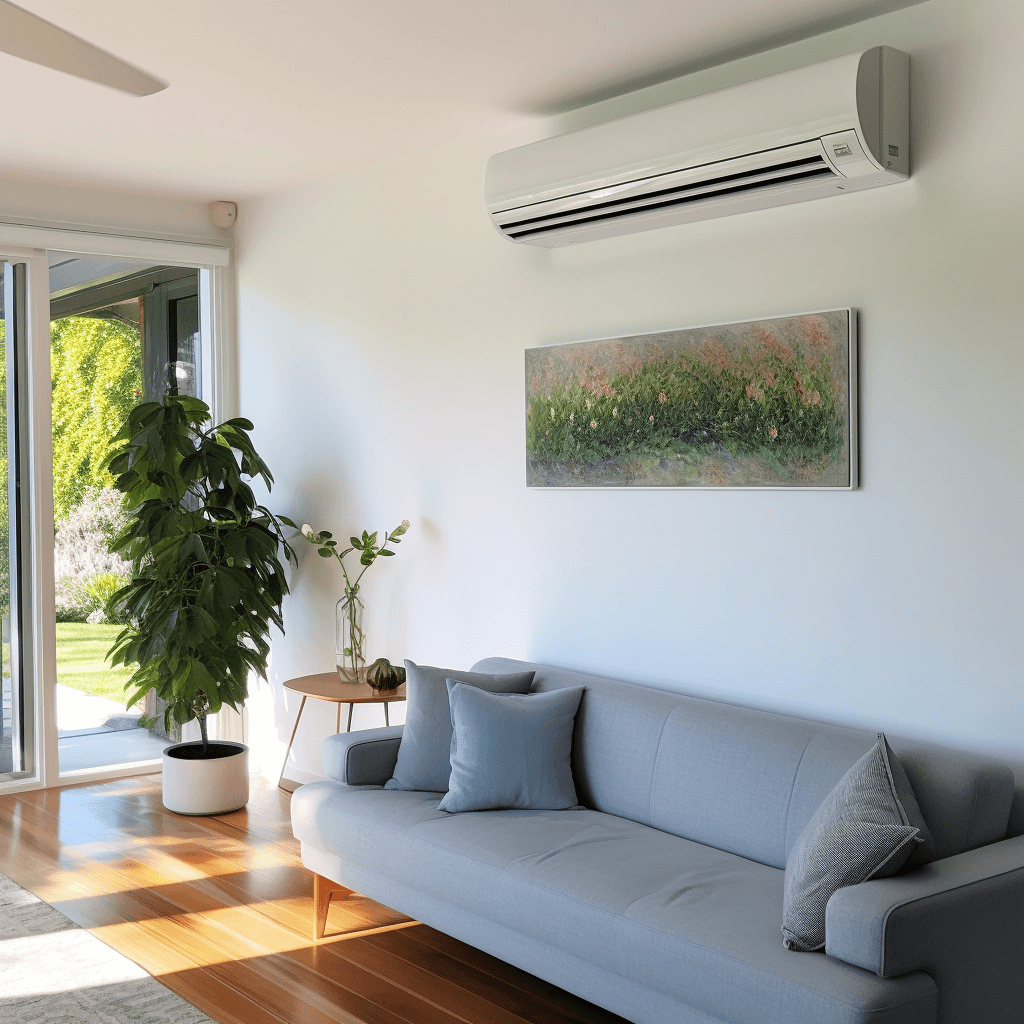
As a trusted provider of HVAC solutions, we understand the importance of bringing innovative and efficient cooling technologies to our customers. Among these advanced systems, wall-mounted air conditioners have revolutionized the way we approach climate control in our homes and businesses. This comprehensive guide will explore the inner workings of wall-mounted air conditioning units, breaking down their complex operations into easily understandable concepts and demonstrating how these systems deliver exceptional cooling performance for your space.
Breaking Down Wall-Mounted Air Conditioner Components
To fully comprehend how wall-mounted air conditioning systems operate, it's essential to first understand their structural design. These innovative systems, commonly referred to as ductless or split air conditioners, are comprised of two primary components: an outdoor compressor unit and an indoor unit that mounts directly onto your wall. These two parts work in harmony, connected by a conduit that houses the power cables, refrigerant tubing, and a condensate drain line.
The Cooling Cycle: From Compression to Condensation
At its foundation, the operation of a wall-mounted air conditioning system revolves around the fundamental principles of thermodynamics, which involve the continuous circulation, compression, and expansion of refrigerant. Here's a detailed breakdown of how the process works:
1. Compression Stage
The cooling cycle initiates in the outdoor unit, where the compressor applies significant pressure to the refrigerant, causing it to heat up as it becomes compressed into a high-pressure, high-temperature gas.
2. Condensation Stage
This superheated, high-pressure gas then flows into the condenser unit. As the hot refrigerant passes through the condenser coil, it is cooled by a fan that blows outside air over the coil. This process causes the refrigerant to cool down and transform into a high-pressure liquid state.
3. Expansion Stage
The refrigerant then travels to the indoor unit through the refrigerant lines. Upon reaching the expansion valve, the high-pressure refrigerant is allowed to expand, which causes a rapid drop in both its pressure and temperature, transforming it into a cool gas ready for heat absorption.
4. Evaporation Stage
The cool, low-pressure gas then moves into the evaporator coil. As the indoor unit fan blows warm room air over the coil, the refrigerant absorbs the heat from the air. This heat exchange process causes the refrigerant to evaporate back into a gas, while the now-cooled air is circulated back into the room, providing comfort and relief.
5. Return to Compression
The low-pressure gas then returns to the outdoor compressor, and the entire cycle begins again, continuously maintaining your desired temperature.
Why Select a Wall-Mounted Air Conditioning System?
So, how does this operation translate into tangible benefits for homeowners and business owners? Wall-mounted air conditioning systems offer numerous compelling advantages:
No Ductwork Required
These systems eliminate the need for complex and invasive ductwork associated with traditional HVAC systems. This feature simplifies installation significantly and eliminates the energy losses that commonly occur with ducted systems, making them ideal for renovations and additions.
Superior Energy Efficiency
Wall-mounted air conditioning systems are remarkably energy-efficient. They cool only the specific zones you want, which significantly reduces energy consumption and lowers your utility bills compared to whole-house cooling systems.
Whisper-Quiet Operation
These units operate with minimal noise compared to traditional air conditioning systems, providing you with comfortable cooling while maintaining a peaceful and quiet environment in your space.
Design Flexibility and Aesthetics
With a sleek and modern design, these systems can seamlessly blend with your interior decor, unlike bulky traditional units. They offer mounting flexibility and don't compromise your room's aesthetic appeal.
As we've explored, the mechanics of wall-mounted air conditioning systems are built on fundamental principles of thermodynamics. Despite their complex operations, the user experience is simple, efficient, and effective for cooling applications. Now that you understand how you can leverage these benefits, consider enhancing your home's comfort with our professional HVAC solutions. Contact us today to learn more about wall-mounted air conditioner installation and discover the perfect cooling solution for your space.