

When it comes to maintaining comfortable temperatures in your backyard structures, patios, garages, or workshops, selecting the right air conditioning system is one of the most impactful decisions you can make. Investing in cooling technology that balances exceptional performance with reduced energy consumption is no longer optional—it's essential. Understanding energy efficiency helps you make informed choices that protect both your comfort and your wallet over time.
As utility costs continue to rise and environmental awareness grows, modern HVAC solutions have evolved to deliver cooling and heating technologies that perform exceptionally while keeping operational costs at a minimum. This guide will walk you through everything you need to know about energy efficiency ratings and what they mean for your backyard comfort.
In This Article
- ✓ Energy efficiency indicators and what they represent
- ✓ How to evaluate cooling performance ratings
- ✓ Understanding global energy labels and standards
- ✓ Technologies that maximize efficient comfort
Energy Efficiency Indicators Explained
To properly assess the efficiency of any air conditioning unit, there are several standardized metrics that manufacturers and consumers rely upon. These energy efficiency labels highlight specific values related to performance output, allowing you to compare different models objectively and select equipment suited to your specific requirements.
Keep in mind that regional regulations and climate conditions may influence which metrics are emphasized in your area. Units that achieve higher ratings in these categories are generally more cost-effective to operate over their lifespan.
Energy Efficiency Ratio
This metric determines the cooling power of an air conditioner measured against its electricity consumption. It's calculated at a standard outdoor temperature of 95°F with 50% relative humidity. Higher EER values indicate better efficiency at peak cooling conditions.
Seasonal Energy Efficiency Ratio
Unlike EER, this rating accounts for how efficiently your unit operates during an entire cooling season, including variations in outdoor conditions. This provides a more realistic picture of year-round performance, particularly valued by homeowners in regions with fluctuating temperatures.
Coefficient of Performance
This ratio measures the heat output or removal relative to electrical input. A COP of 4.0 means the system delivers four units of heating or cooling energy for every unit of electricity consumed. This metric is particularly useful when evaluating heat pump systems for year-round climate control.
Seasonal Performance Factor
This metric evaluates the annual performance of heat pump systems, accounting for seasonal temperature variations. It's essential for understanding long-term efficiency when using your system for both heating and cooling throughout the year in your outdoor spaces.
Pro Tip: When evaluating SEER ratings, look for a minimum value of 14 or higher. However, for optimal energy savings in warmer climates where your outdoor spaces need consistent cooling, we recommend units rated at 18 SEER or above for the best balance of performance and efficiency.
_2021072915001573.jpg)
Energy Efficiency Labels Across Regions
Depending on where you're located, different standards and labeling systems determine how air conditioning efficiency is measured and displayed. In North America, the familiar blue and yellow EnergyGuide label provides consumers with a clear snapshot of a unit's expected power usage alongside its efficiency rating.
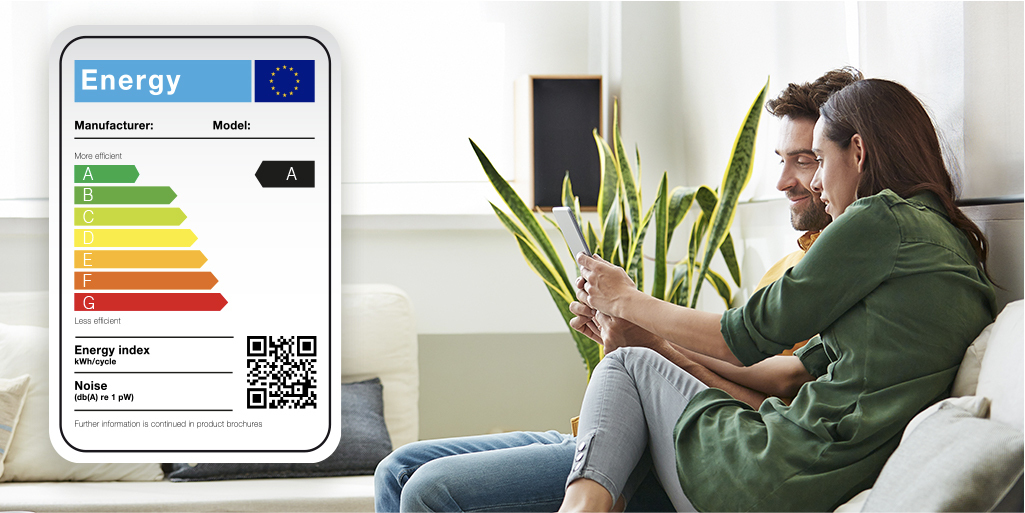
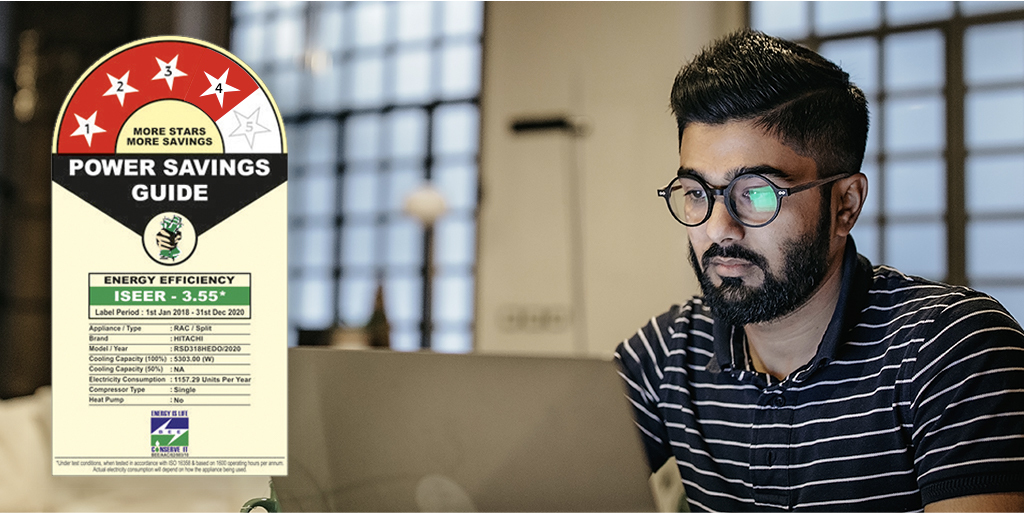
European markets utilize the EU Energy Label system, which assigns ratings from A+++ (most efficient) down to G (least efficient). Meanwhile, regions like India employ their own BEE star rating system, and various other countries have developed similar frameworks tailored to their specific climate conditions and regulatory requirements.
Regardless of which labeling system applies to your region, the underlying principle remains consistent—higher ratings translate to lower operating costs and reduced environmental impact. When shopping for cooling solutions for your backyard buildings, garages, or outdoor entertaining areas, always prioritize units with top-tier efficiency certifications.
How Premium Air Conditioning Transforms Your Space
For backyard enthusiasts, workshop owners, and anyone looking to extend their living space beyond the main house, reliable climate control makes all the difference. Whether you're cooling a detached garage, a she-shed, a pool house, or a fully equipped outdoor kitchen, investing in quality air conditioning equipment ensures year-round comfort regardless of external weather conditions.
Modern through-the-wall and window-mounted units deliver exceptional cooling performance while maintaining the aesthetic appeal of your outdoor structures. With features like variable-speed compressors, smart thermostats, and whisper-quiet operation, today's efficient air conditioners integrate seamlessly into any backyard environment.
Energy Savings
Reduce utility costs with high-efficiency ratings
Quiet Operation
Enjoy peaceful comfort without the noise
Precise Control
Maintain exact temperatures effortlessly
Easy Installation
Designed for simple setup in any space
 Advanced Technologies for Superior Comfort
Beyond standard efficiency ratings, modern air conditioning systems incorporate innovative technologies that further enhance performance and user experience. Inverter-driven compressors adjust their speed dynamically based on cooling demand, eliminating the energy waste associated with traditional on-off cycling.
Smart connectivity features allow you to monitor and control your outdoor space's climate from anywhere using your smartphone. Set schedules, adjust temperatures remotely, and receive maintenance alerts—all designed to maximize convenience while minimizing energy consumption.
Additionally, advanced filtration systems not only cool the air but also purify it, removing dust, allergens, and other particles. This creates a healthier environment in your workshop, studio, or backyard retreat—particularly valuable for those using these spaces for hobbies, crafts, or simply relaxation.
Ready to Upgrade Your Outdoor Comfort?
Discover reliable, energy-efficient cooling solutions designed for garages, workshops, sheds, and outdoor living spaces.
FRIEDRICH WallMaster ACKey Takeaways
Understanding energy efficiency ratings empowers you to make smarter purchasing decisions for your outdoor comfort needs. Look for high SEER and EER values, consider units with inverter technology, and always check for regional energy certifications.
By choosing efficient cooling solutions, you'll enjoy lower utility bills, reduced environmental impact, and reliable comfort in all your backyard spaces throughout the seasons.