
Your complete guide to choosing the right camera system
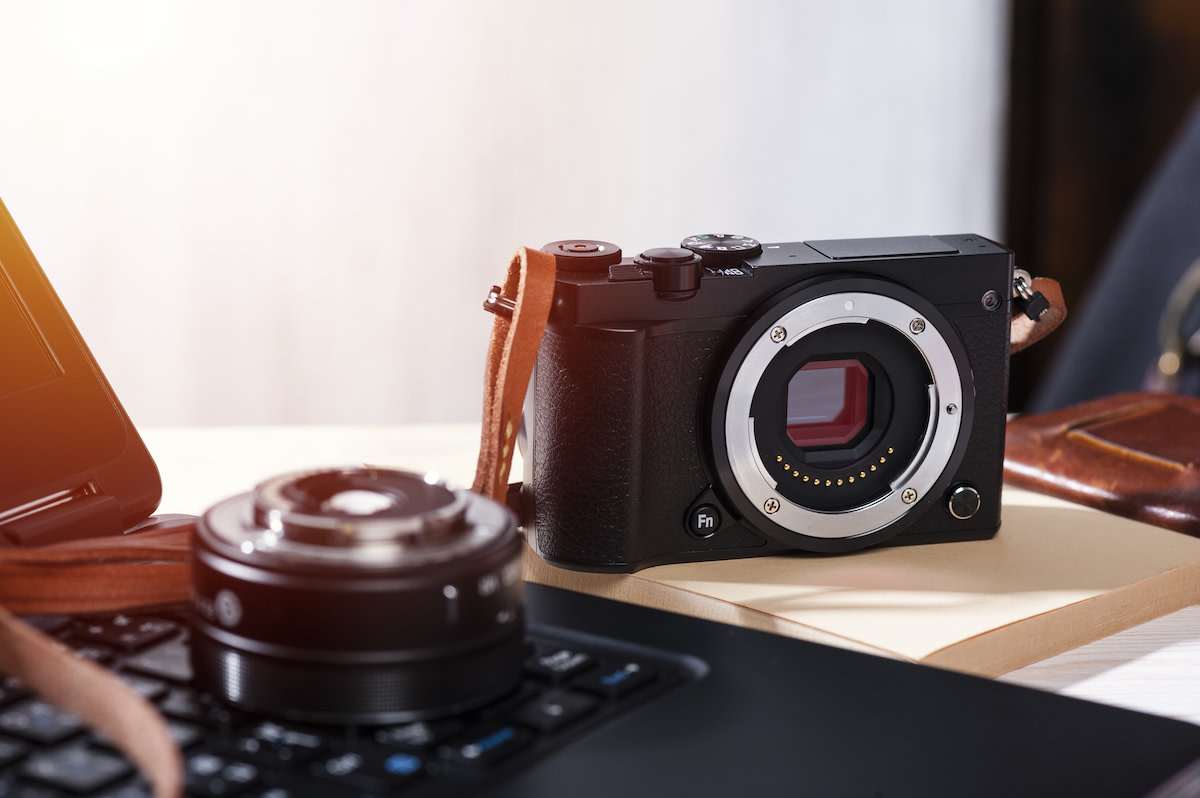
Mirrorless digital cameras have revolutionized the photography world since their emergence in the mid-2000s. These compact system cameras represent a significant shift in how photographers approach their craft, offering a lighter and more streamlined alternative to traditional DSLRs without sacrificing image quality.
Today, all the leading camera manufacturers—including Sony, Nikon, Canon, Panasonic, Fujifilm, Leica, and Olympus—have developed comprehensive mirrorless camera lineups. With so many options flooding the market, understanding the fundamental differences between mirrorless cameras and DSLRs has become essential for anyone looking to invest in a new camera system.
What Exactly Is a Mirrorless Camera?
A mirrorless camera, sometimes called a mirrorless interchangeable-lens camera (MILC), is a digital camera that captures images without the use of a reflex mirror—the key component found in traditional DSLR cameras. Instead of bouncing light through a mirror system to an optical viewfinder, mirrorless cameras direct light straight onto the image sensor.
This streamlined approach means the camera can be significantly smaller and lighter while still delivering professional-grade results. The image you see through the electronic viewfinder (EVF) or LCD screen is a real-time digital preview of exactly what the sensor is capturing.
How Mirrorless Technology Works
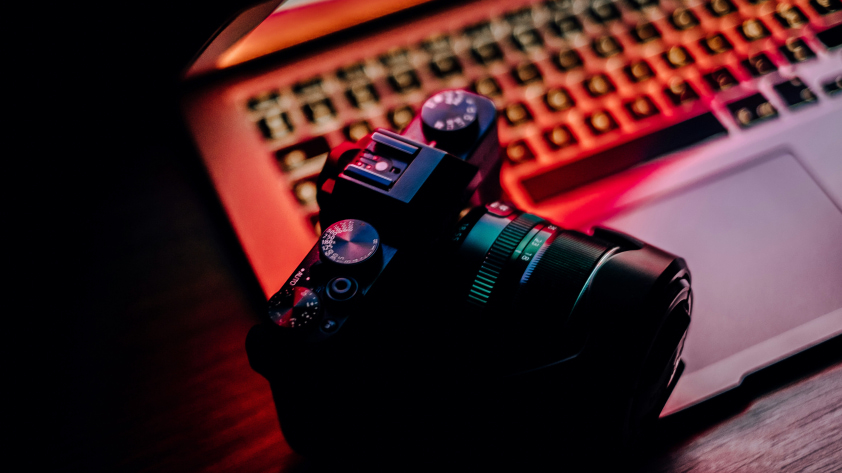
The mechanics behind mirrorless cameras are elegantly simple. When light enters through the lens, it travels directly to the image sensor without any intermediate steps. The sensor continuously reads the incoming light data and displays it on either an electronic viewfinder or the rear LCD screen in real time.
When you press the shutter button, the sensor captures the final image. Some mirrorless cameras use a mechanical shutter that briefly covers the sensor before exposure, while others employ a fully electronic shutter that simply tells the sensor when to start and stop recording light.
This direct sensor-to-display pathway eliminates the need for the complex mirror and pentaprism assembly found in DSLRs, resulting in a more compact camera body with fewer moving parts.
Mirrorless vs. DSLR: Key Differences
Size and Weight
Without the mirror box and optical viewfinder system, mirrorless cameras are considerably more compact and lightweight. This makes them ideal for travel photography, street shooting, and any situation where portability matters.
Viewfinder Experience
DSLRs offer an optical viewfinder showing the actual scene through the lens, while mirrorless cameras use electronic viewfinders displaying a digital preview. Modern EVFs now offer advantages like exposure preview, focus peaking, and the ability to review images without lowering the camera.
Autofocus Capabilities
Contemporary mirrorless cameras have largely caught up to and often surpass DSLRs in autofocus performance. Features like eye-tracking, subject recognition, and phase-detection across the entire sensor have become standard in many mirrorless models.
Battery Performance
DSLRs traditionally offer superior battery life since the optical viewfinder requires no power. Mirrorless cameras constantly power their electronic displays, consuming more energy. However, newer mirrorless batteries and power-saving features have significantly narrowed this gap.
Why Photographers Are Embracing Mirrorless
The photography industry has witnessed a dramatic shift toward mirrorless technology in recent years. Professional photographers and enthusiasts alike are drawn to the combination of compact design and advanced features that these cameras provide.
Silent shooting modes, in-body image stabilization, superior video capabilities, and real-time exposure preview are just some of the advantages that make mirrorless cameras particularly appealing for modern content creators who work across multiple formats.
Whether you're capturing fast-paced sports action, creating cinematic video content, or documenting your outdoor adventures, mirrorless cameras offer the flexibility and performance to meet diverse creative needs.
Making the Right Choice for Your Needs
Selecting between a mirrorless camera and a DSLR ultimately depends on your specific requirements and shooting style. Consider factors like the types of photography you pursue, how important portability is to you, and whether video capabilities factor into your workflow.
If you value a lightweight setup for travel and everyday carry, want cutting-edge autofocus technology, or plan to shoot significant amounts of video alongside stills, a mirrorless camera is likely your best choice.
For those who prefer an optical viewfinder experience, need maximum battery endurance for extended shoots, or have existing investments in DSLR lenses, traditional DSLRs remain excellent tools that continue to produce outstanding results.
Ready to Experience Mirrorless?
Discover the perfect blend of style and performance with our featured mirrorless camera.
Fujifilm X-E5 Silver w/ 23mmExplore our complete collection of cameras and photography equipment at Backyard Provider