
Everything You Need to Know About Hard Tops, Soft Tops, and Making the Right Choice for Your Adventure
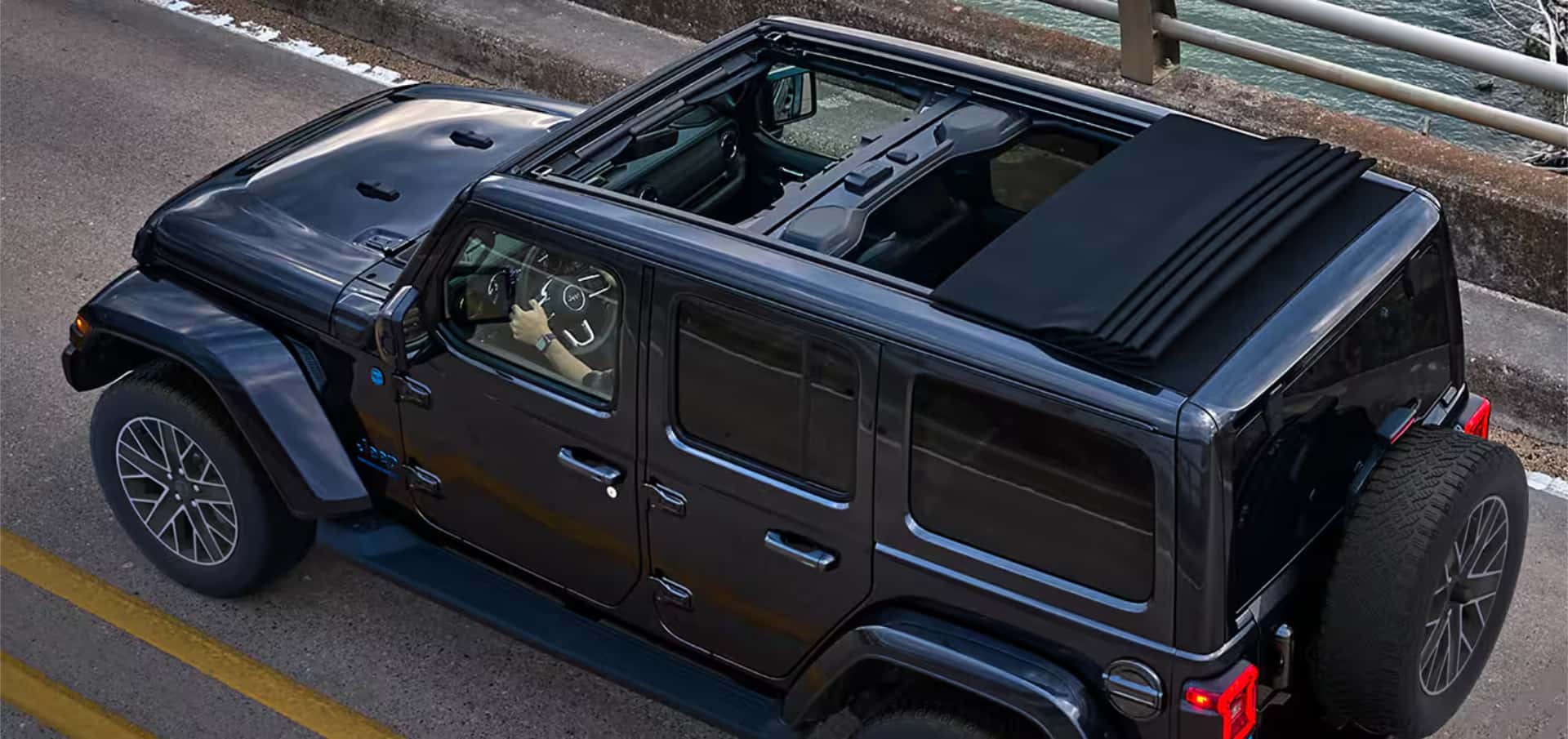
For outdoor enthusiasts looking to maximize the capabilities of their Jeep Wrangler, understanding the differences between hard tops and soft tops is essential. Whether you're planning weekend trail adventures or daily commuting, your Wrangler's top choice significantly impacts comfort, functionality, and your overall driving experience. This comprehensive guide will walk you through everything you need to know about selecting, maintaining, and removing your Jeep's top.
Exploring Your Jeep Wrangler Top Choices
When it comes to Jeep Wranglers, the top configuration presents various options tailored to different lifestyles and requirements. Your choice between a hard top, soft top, or going topless depends on your local climate, usage patterns, and personal preferences for versatility versus protection.
Essential Hard Top Characteristics
Hard tops provide exceptional protection from harsh weather conditions and enhanced security for your vehicle's interior. Constructed from durable composite materials, they offer superior insulation during extreme temperatures, keeping you comfortable in both scorching summers and freezing winters. The rigid structure also provides better noise reduction for highway driving and includes convenient features like rear window defrosters and washers.
Weather Protection
Hard tops excel at shielding occupants from rain, snow, and extreme temperatures with their solid construction and weatherproof seals.
Enhanced Security
The sturdy design offers better protection for your belongings and makes unauthorized entry more difficult compared to soft tops.
Noise Reduction
Experience quieter highway cruising with significantly reduced wind noise and road sound compared to soft top configurations.
Soft Top Benefits and Features
Soft tops offer unmatched flexibility and convenience for Jeep enthusiasts who love the open-air experience. These fabric canopies can be easily retracted or removed, allowing you to transition quickly between covered and open configurations. Modern soft tops feature improved materials that resist tearing and provide better weather protection than older generations, while remaining lightweight and more affordable than hard top options.
Hard Top vs. Soft Top: Making the Right Decision
Choosing between these two configurations requires careful consideration of your priorities and how you use your Wrangler. Here's a detailed comparison to help guide your decision.
Two-Door Models
Compact Wranglers with two-door configurations offer easier maneuverability and are ideal for tight trails. Both top options work well, though removal requires less effort due to smaller dimensions.
Four-Door Variants
Extended wheelbase models provide additional interior space and passenger capacity. Hard tops offer more convenience with removable roof panels, while complete removal demands more time and assistance.
Climate Considerations
Regions with extreme weather benefit from hard top insulation and protection, while moderate climates allow for year-round soft top enjoyment with proper care.
Usage Patterns
Daily commuters appreciate hard top comfort and security, while weekend adventurers may prefer the flexibility and open-air freedom of soft tops.
Safe Hard Top Removal Process
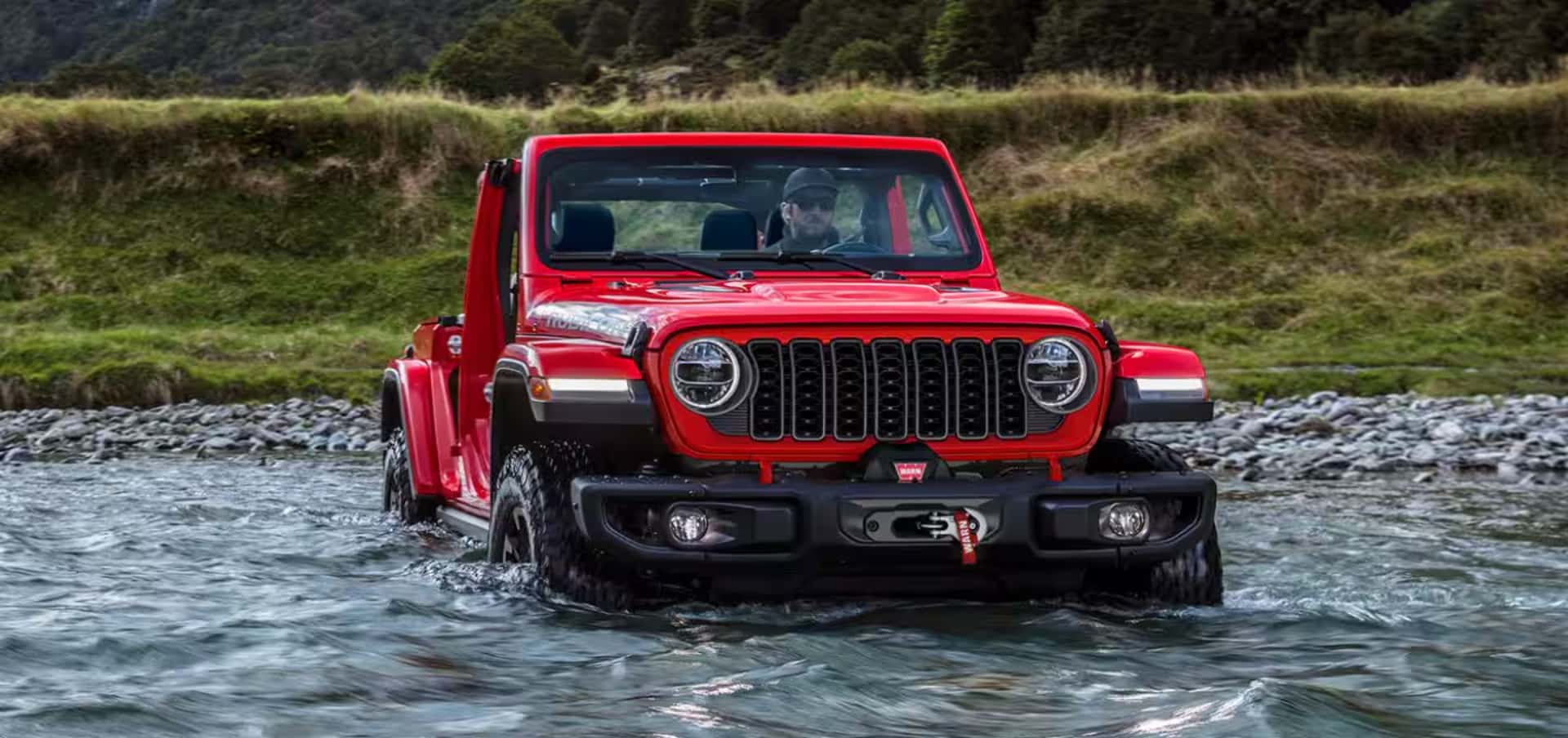
Removing your Wrangler's hard top doesn't have to be intimidating. Following proper procedures ensures you can safely detach it without damage or injury. Before beginning, gather the necessary tools and enlist help from at least one additional person, as hard tops are heavy and awkward to handle alone.
Step 1: Gather Your Tools
Before starting removal, collect all necessary equipment including a socket wrench set, torque specifications, and protective padding. Having everything ready streamlines the process and prevents interruptions.
Step 2: Disconnect Electrical Components
Carefully disconnect the wiring harness for rear window defrosters and any additional electrical features. Label connections if needed to ensure proper reinstallation later.
Step 3: Remove Mounting Hardware
Systematically remove all bolts securing the hard top to the windshield frame and roll bars. Store hardware in labeled containers to prevent loss and confusion during reinstallation.
Step 4: Lift and Store
With assistance, carefully lift the hard top straight up and away from the vehicle. Move slowly and communicate with your helpers to maintain control throughout the process.
Important Safety Note: Hard tops are significantly heavier than they appear and have awkward weight distribution. Always have at least two people for removal, and consider using a specialized hoist system for safer, easier handling, especially if you frequently remove and reinstall your top.
Simplify Your Hard Top Storage
Professional-grade lifting systems make hard top removal safer and more convenient, protecting both your investment and your back.
Hard Top LifterEssential Safety Measures Before Removal
Taking proper precautions before removing your top prevents injuries and protects your vehicle. The lifting system in your top incorporates multiple connection points that must be properly secured. Attempting removal without adequate assistance or rushing through the process increases the risk of dropping the top, which can cause significant damage to both the top itself and your Jeep's body.
Weather conditions also play a crucial role in safe removal. Windy days make handling large panels dangerous, as gusts can catch the top and pull it from your grasp. Always check weather forecasts and plan removal for calm conditions. Additionally, ensure your work area provides adequate clearance above and around the vehicle to maneuver the top safely without obstruction.
Detailed Removal Instructions
Beginning the removal process requires methodical attention to each connection point. Start by rolling down all windows to prevent stress on the door frames. Next, remove any interior trim pieces that might interfere with top detachment. Working systematically from front to back ensures you don't miss any fasteners that could cause problems during lifting.
When loosening bolts, avoid completely removing them initially. Instead, loosen each bolt partially, then go back and remove them completely. This technique prevents the top from shifting unexpectedly and allows you to maintain control throughout the process. Keep track of different bolt types and locations, as they may vary in length and thread pattern depending on position.
Expert Maintenance and Storage Recommendations
Proper care extends your Jeep top's lifespan and maintains its appearance. Regular maintenance prevents common issues and keeps your investment in prime condition.
Regular Cleaning
Wash your top regularly with mild soap and water, avoiding harsh chemicals that can damage materials or cause fading over time.
Inspect Weatherstripping
Check seals and weatherstripping quarterly for wear or damage. Replace worn pieces promptly to prevent leaks and maintain insulation.
Proper Storage
Store removed tops in dry, climate-controlled spaces away from direct sunlight. Use protective covers to prevent dust accumulation and UV damage.
Lubricate Moving Parts
Keep hinges, latches, and mounting points properly lubricated to prevent corrosion and ensure smooth operation during installation and removal.
Avoid Direct Sunlight
When stored outdoors, cover your removed top completely to protect against UV degradation and weather-related deterioration.
Temperature Considerations
Store tops in temperature-stable environments to prevent material warping, cracking, or seal degradation from extreme heat or cold.
Storage Solutions for Different Top Types
Finding appropriate storage for your removed top protects your investment during off-season periods. Hard tops require sturdy mounting systems or dedicated stands that support their weight evenly and prevent warping. Wall-mounted hoists work excellently for garage storage, lifting tops out of the way while keeping them accessible for reinstallation.
Soft tops need protection from creasing and mildew when stored. Fold them carefully according to manufacturer guidelines, avoiding sharp creases that could damage fabric or windows. Store in breathable bags rather than plastic to prevent moisture accumulation that encourages mold growth. Elevated storage keeps them away from potential water damage and provides better air circulation.
| Storage Method | Pros | Cons |
|---|---|---|
| Wall-Mounted Hoist | Space-efficient, easy access, prevents damage | Installation required, initial investment |
| Rolling Cart | Portable, flexible positioning, no installation | Occupies floor space, less secure |
| Ceiling Storage | Maximum space savings, out of the way | Difficult access, complex installation |
| Dedicated Stand | Stable, accessible, protects from damage | Takes floor space, moderate cost |
Final Thoughts
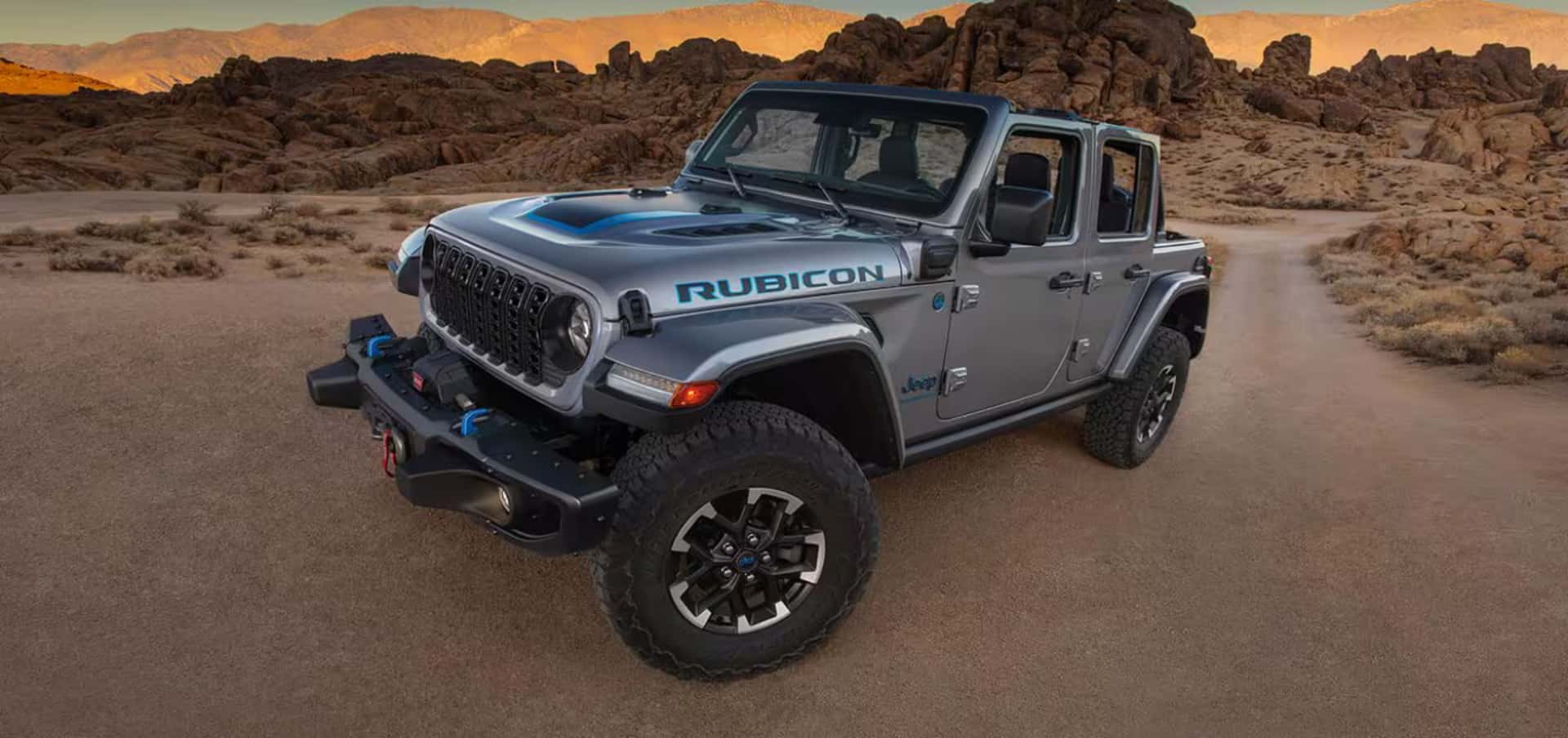
Selecting and managing your Jeep Wrangler's top configuration represents an exciting aspect of ownership that lets you customize your driving experience. Whether you prefer the security and comfort of a hard top or the freedom and versatility of a soft top, understanding proper maintenance, removal, and storage techniques ensures you get maximum enjoyment from your choice.
The Wrangler's reputation as the ultimate adventure vehicle stems partly from this adaptability. With proper care and the right equipment, transitioning between configurations becomes straightforward, allowing you to optimize your Jeep for any situation. Invest in quality tools and storage solutions to make the process safer and more convenient, protecting both your vehicle and yourself.
For detailed guidance on specific hard top removal procedures, visit resources like Jeep Wranglers or consult your local Chrysler Dodge Jeep dealership. Additionally, Quadratec offers comprehensive information about aftermarket accessories and solutions. Your Wrangler adventure awaits, so equip yourself with knowledge and the right tools to make every drive unforgettable.