
Master the art of wood-fired cooking with confidence and precision
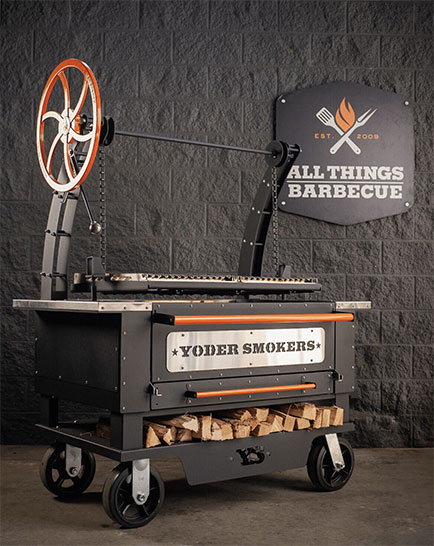
Pellet grills have revolutionized outdoor cooking by combining the rich, smoky flavor of traditional wood-fired cooking with the convenience of modern temperature control. Whether you're smoking brisket low and slow, grilling steaks at high heat, or baking pizzas, your pellet grill can handle it all. This comprehensive guide will walk you through everything you need to know to get the most out of your pellet grill.
Understanding how your pellet grill works is the first step toward achieving consistent, delicious results every time you cook. Let's dive into the fundamentals that will transform you from a beginner to a pitmaster.
Understanding Your Pellet Grill
Before firing up your grill, it's essential to understand the core components and how they work together. Pellet grills share certain features with other grills but operate in fundamentally different ways. A solid understanding of these mechanics will help you troubleshoot issues, maintain your equipment properly, and cook with greater precision.

Your pellet grill consists of several key components working in harmony:
Pellet Hopper: Stores pellets with more or less capacity depending on the model.
Auger: Transfers pellets from the hopper to the firepot at a controlled rate.
Fan: Provides air flow within the cooking chamber to help the fire going and provide air flow.
Firepot: Where pellets are ignited using the igniter rod that kick-starts combustion.
Controller: Choose final user temperature levels allowing chamber to determine pellet feed rate to maintain that level.
Heat Diffuser: Diffuses heat evenly and guides the smoke for that slow cook feel.
Grease Management System: Channels grease away from the heat source into a collection bucket.
Chimney: Allows smoke to escape while creating the necessary draft in the system.
Pellet grills are made of heavy-duty materials specifically designed for outdoor use. The digital controllers on modern units allow you to set precise temperatures and monitor your cook without constantly checking on your food. If you're looking for a versatile, set-it-and-forget-it cooking experience, pellet grills deliver exceptional performance.
Common Pellet Flavors
One of the greatest advantages of pellet grilling is the variety of wood flavors available. Different woods impart distinct flavors to your food, allowing you to customize your cooking experience:
Hickory: Bold, smoky flavor ideal for ribs, pork shoulder, beef, and bacon.
Mesquite: Strong, earthy flavor that pairs well with red meat and game.
Apple: Mild, sweet, fruity flavor perfect for poultry and pork.
Cherry: Subtle, sweet undertones great for all-around smoking.
Pecan: Rich, nutty flavor similar to hickory but milder.
Oak: Medium smoky flavor that complements almost everything.
You can also use blended pellets that combine multiple wood types for a more complex flavor profile. Experimenting with different pellet varieties is one of the most enjoyable aspects of pellet grilling.
Getting Your Grill Operational — And Keeping It That Way
After you break open the box from the outside, find your other setup accessories, and reassemble your grill in your desired location, it's time to prepare it for its first cook. Proper initial setup and ongoing maintenance are crucial for optimal performance and longevity.
Initial Setup
First and foremost, we cannot emphasize enough that you need to read the manufacturer's instructions before attempting to operate your grill. Each brand and model has specific requirements for assembly, seasoning, and operation. While general principles apply across brands, the specifics will vary by model. Attention to detail during setup will ensure years of trouble-free cooking.
Position your grill on a flat, stable surface away from structures and overhanging branches. Ensure adequate ventilation around all sides. Connect the grill to a grounded electrical outlet and fill the hopper with your preferred pellets. Most controllers require an initial priming of the auger system to ensure pellets reach the firepot properly.
Now onto the Seasoning
Before cooking your first meal, you need to season your pellet grill. This process removes manufacturing residues and helps protect internal components from rust and corrosion. Think of it as breaking in a new cast iron skillet—it's an essential step that shouldn't be skipped.

To season your grill, start by filling the hopper with pellets. Turn the grill on and set it to the smoke or lowest temperature setting for about 5-10 minutes. Then increase the temperature to around 350°F to 400°F and let it run for approximately 30-45 minutes. This burns off any manufacturing oils and allows the internal components to cure properly.
After seasoning, you'll notice the interior surfaces have developed a darker patina. This is completely normal and actually helps with heat distribution and prevents rust. Your grill is now ready for its first real cook.
Pro Tip: Some pellet grill enthusiasts recommend lightly coating the grates with cooking oil before the initial seasoning to help develop a non-stick surface similar to well-seasoned cast iron.
Cleaning Your Grill After the First Seasoning
Regular cleaning is vital for maintaining your pellet grill's performance and extending its lifespan. A clean grill produces better-tasting food, heats more efficiently, and reduces the risk of dangerous flare-ups. Here's a comprehensive approach to keeping your grill in top condition.
After Each Cook
While the grill is still warm, brush the grates to remove food debris. Empty the grease bucket and check the drip tray for excess buildup. This quick maintenance takes only a few minutes but prevents grease accumulation that can affect flavor and cause problems over time.
Deep Cleaning (Every 5-10 Cooks)
Remove the grates, drip tray, and heat deflector for thorough cleaning. Vacuum out ash from the firepot and the bottom of the cooking chamber. Scrape any buildup from the heat deflector and drip tray. Clean the temperature probe with a damp cloth to ensure accurate readings. Inspect the chimney cap for blockages that could impede airflow.
Seasonal Maintenance
At least once or twice per year, perform a comprehensive inspection of your grill. Check all electrical connections, inspect the auger for wear, and ensure the fan is operating properly. Apply food-safe lubricant to moving parts as recommended by your manufacturer.

Mastering Temperature Control
Some pellet grills will have an integrated food probe. If yours does, the proper usage is to insert it into the thickest part of the meat to track internal temperature. This precise monitoring eliminates guesswork and helps you achieve perfect results every time.
The digital thermostat on a modern pellet grill makes this easy. The following considerations will help you understand temperature management better:
Ambient Temperature Effects: Cold weather, wind, and rain can all impact your grill's ability to maintain temperature. In cold conditions, your grill will use more pellets and may take longer to reach target temperatures.
Opening the Lid: Each time you open the lid, you release heat and smoke. While it's tempting to check on your food constantly, try to minimize lid openings to maintain consistent temperatures.
Temperature Swings: Slight temperature fluctuations are normal as the controller adjusts pellet feed rates. Most quality grills maintain temperature within 10-15 degrees of your setting.
In some pellet grill models with a combined food probe, you can set your desired internal meat temperature and let the grill do the rest. The controller will automatically adjust to bring your food to the perfect doneness without overcooking.
A Few More Tips, Tricks, and Cooking Truths
Along with the tips we just mentioned, here are some other thoughts from the school of cooking that will elevate your pellet grilling game:
Find Your Flavor Profiles
Mixing with Chunks: Mix pellet hardwood chunks with your regular pellets to get a dose of that signature chunk flavor. This combination enhances the smoky essence and aroma that makes wood-fired cooking exceptional. You'll quickly develop preferences and favorite combinations for different types of meat.
The Low and Slow Philosophy
There is a key sentiment shared in the grill community that this is not a fast food situation. This means we're optimizing for taste and tenderness over speed. Low and slow cooking allows collagen in tough cuts to break down into gelatin, resulting in incredibly tender and flavorful results that simply cannot be achieved with high-heat cooking methods.
Patience is Key
Throughout the entire cooking process, patience remains essential. It's all about temperatures. When you hear someone say cooking time is one hour per pound, that's only a rough guideline. In reality, cooking is done by temperature, not by time. Always use a meat thermometer and trust the internal temperature over any time-based estimate.
The Stall
If you cook meat slowly over low heat, you'll hit a stall when the outer layers of your meat are cooked accordingly. It's a well-known phenomenon where the internal temperature plateaus, sometimes for hours, typically around 150-170°F. Don't panic—this is normal evaporative cooling. You can wait it out or wrap the meat in foil or butcher paper to push through faster.
Rest Your Meat
Always let your meat rest after cooking. Resting allows the juices to redistribute throughout the meat instead of running out onto your cutting board. For large cuts like brisket or pork shoulder, rest for at least 15-30 minutes, or even longer wrapped in a cooler for up to several hours.
Keep a Cook Journal
Track your cooks by recording temperatures, times, pellet types, weather conditions, and results. This information becomes invaluable as you refine your technique and develop your own signature recipes.
Pellet Storage and Care
Proper pellet storage is often overlooked but critically important. Pellets are made of compressed hardwood sawdust, and moisture is their enemy. Wet or damp pellets will expand, crumble, and can jam your auger or cause poor combustion.
Store your pellets in a cool, dry location in airtight containers or sealed bags. If you live in a humid climate, consider using a bucket with a gamma seal lid for maximum protection. Never leave pellets in the hopper for extended periods when the grill isn't in use, especially during humid weather.
Quality matters when it comes to pellets. Premium food-grade pellets contain no fillers, binding agents, or oils. They produce cleaner smoke, less ash, and better flavor. While they cost more than bargain brands, the improved performance and taste are worth the investment.
Common Issues and Troubleshooting
Even well-maintained pellet grills can occasionally experience issues. Here are some common problems and their solutions:
Grill Won't Ignite: Check that the hopper has pellets and the auger is primed. Ensure the firepot is clean of ash buildup. Verify the hot rod igniter is functioning properly.
Temperature Fluctuations: Clean ash from the firepot, ensure pellets are dry and of good quality, and check for air leaks around the lid seal.
Excessive Smoke: Allow the grill to fully preheat before adding food. White smoke during startup is normal; it should transition to thin blue smoke.
Auger Jams: Usually caused by moisture in pellets. Empty the hopper, clear the jam, and refill with dry pellets.
Final Thoughts
Pellet grills are a fantastic addition to any outdoor cooking setup. They offer versatility, convenience, and that authentic wood-fired flavor that's hard to replicate with other methods. With proper care, regular maintenance, and a willingness to experiment, you'll be producing restaurant-quality results in your own backyard.
Remember that becoming proficient takes time and practice. Don't be discouraged by early mistakes—they're part of the learning process. Join online communities, share your experiences, and most importantly, have fun with it. The journey to pellet grill mastery is just as rewarding as the delicious meals you'll create along the way.
Ready to Start Your Pellet Grilling Journey?
Experience the ultimate in wood-fired cooking with precision temperature control and WiFi connectivity.
GMG Peak Prime 2.0 WiFi Grill