
Discover the revolutionary outdoor cooking technology that delivers authentic smoke flavor with modern convenience and precision temperature control
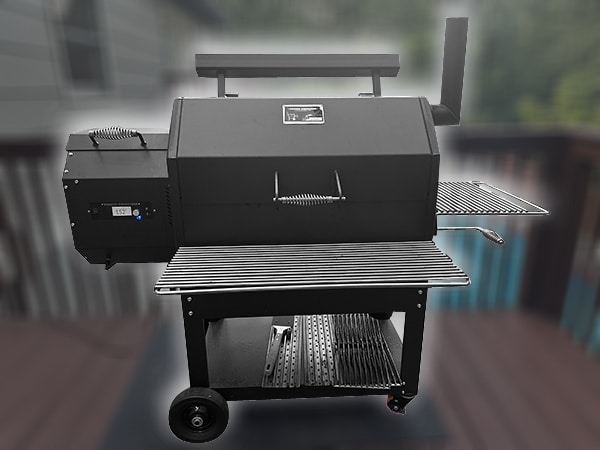
When it comes to outdoor cooking that truly impresses, wood pellet grill smokers have revolutionized the backyard barbecue experience. These remarkable cooking machines combine the authentic smoky flavors of traditional wood-fired cooking with the precision and convenience of modern technology, creating a outdoor cooking platform that delivers consistently excellent results whether you're smoking brisket for twelve hours or grilling weeknight burgers.
Unlike traditional charcoal smokers that demand constant attention and manual temperature adjustments, or gas grills that lack authentic smoke flavor, pellet grills offer the best of both worlds. They automatically feed compressed hardwood pellets into a fire pot, maintaining precise temperatures while infusing your food with genuine wood smoke that elevates every dish from ordinary to extraordinary. If you've been considering upgrading your outdoor cooking game, understanding what makes pellet grills exceptional will help you appreciate why they've become the preferred choice for backyard cooking enthusiasts nationwide.
What Makes Wood Pellet Grills Different?
Wood pellet grills operate through an ingeniously simple yet effective system. Compressed hardwood pellets stored in a hopper automatically feed into a fire pot via an auger mechanism controlled by sophisticated electronics. The grill's digital controller monitors internal temperature constantly, adjusting pellet feed rates to maintain your desired cooking temperature with remarkable precision—typically within 5-10 degrees of your target setting.
This automated temperature management represents a game-changing advancement for outdoor cooking. Traditional offset smokers require experienced pitmasters to constantly monitor and adjust airflow, add fuel, and manage fire intensity throughout lengthy cooking sessions. Pellet grills handle these tasks automatically, allowing you to set your temperature and focus on other aspects of your cooking or simply enjoy time with family and guests rather than babysitting your grill.
The wood pellets themselves come in various hardwood varieties—hickory, mesquite, apple, cherry, oak, and specialty blends—each imparting distinct flavor profiles to your food. This versatility allows you to match wood flavors to specific dishes, creating customized taste experiences that gas grills simply cannot replicate regardless of added smoker boxes or wood chip accessories.
The Benefits of a Pellet Grill Smoker
Set It and Forget It Convenience
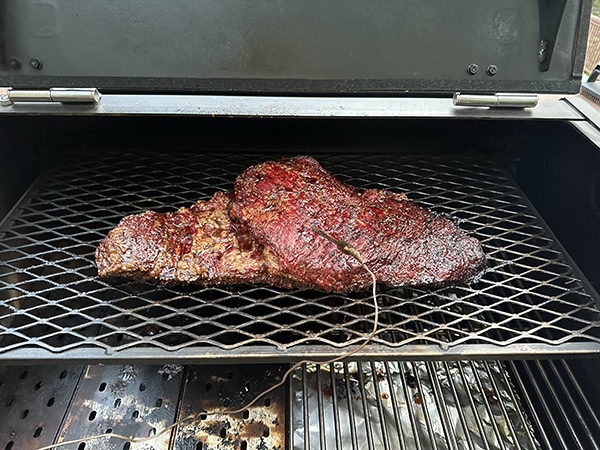
The automated temperature control system transforms challenging cooking techniques into approachable projects. Smoking a brisket traditionally requires overnight vigils, constant temperature monitoring, and fuel management expertise. With a pellet grill, you set your desired temperature, load your meat, and the grill maintains perfect conditions for hours without intervention. Many models even include WiFi connectivity, allowing you to monitor and adjust temperatures remotely via smartphone apps while you handle other tasks or relax indoors.
Authentic Wood-Fired Flavor
Real wood combustion creates genuine smoke flavor that penetrates deep into your food, creating that coveted smoke ring in meats and adding complexity that gas grills cannot match. The continuous, clean-burning smoke from quality hardwood pellets produces consistent flavor without the acrid bitterness that can result from improperly managed charcoal or wood fires. Whether you're smoking ribs, grilling steaks, or even baking pizza, authentic wood smoke elevates every dish with layers of flavor impossible to achieve through other cooking methods.
Incredible Versatility
Pellet grills function as smokers, grills, ovens, and even pizza ovens—replacing multiple pieces of outdoor cooking equipment with one versatile platform. Low-and-slow smoking at 180-225°F for brisket and ribs, moderate roasting at 300-350°F for whole chickens, high-heat grilling at 450-500°F for steaks and burgers, and everything in between falls within their capability range. This versatility means you'll use your pellet grill year-round for diverse cooking applications rather than relegating it to occasional specialty use like traditional smokers.
Consistent, Repeatable Results
The precision temperature control eliminates the guesswork and variability that plague traditional smoking methods. Once you perfect a recipe on your pellet grill, you can replicate those exact results repeatedly because the grill maintains identical conditions every time. This consistency proves invaluable for developing your outdoor cooking skills—you can systematically refine techniques and seasonings knowing that temperature variations won't confound your results or make it impossible to identify what works and what needs adjustment.
Efficient Fuel Consumption
Wood pellets burn efficiently with minimal waste, and the automated feed system delivers only the fuel needed to maintain temperatures rather than over-fueling like manual methods often do. A 20-pound bag of pellets typically costs $15-20 and can fuel multiple extended smoking sessions or weeks of regular grilling. The clean combustion produces minimal ash requiring disposal, and the pellets store compactly without the bulk and mess associated with charcoal or split wood.
Easier Learning Curve
Traditional smoking requires years of experience to master fire management, airflow control, and temperature regulation. Pellet grills handle these complex variables automatically, allowing beginners to achieve impressive results from their very first cook. This accessible entry point encourages experimentation and skill development without the frustration and wasted food that often accompanies learning traditional smoking techniques. You can focus on meat selection, seasoning, and timing while the grill manages the technical challenges.
Ready to Transform Your Outdoor Cooking?
Experience the perfect combination of authentic wood flavor and modern convenience with professional-grade pellet grill technology
Green Mountain Pellet GrillHow Pellet Grills Work: The Technology Behind the Magic
Understanding the mechanics behind pellet grills helps you appreciate their sophistication and reliability. The hopper, typically located on the side of the grill, holds anywhere from 10-30 pounds of wood pellets depending on the model. At the bottom of the hopper, an auger—essentially a large screw mechanism—rotates to feed pellets into the fire pot located in the center of the grill's cooking chamber.
An ignition rod in the fire pot ignites the pellets during startup, establishing the initial fire. Once burning, a fan underneath the fire pot supplies oxygen to support combustion while distributing heat and smoke throughout the cooking chamber. The digital controller acts as the brain of the operation, continuously reading temperature from a probe inside the cooking chamber and adjusting the auger speed to feed more or fewer pellets based on whether temperatures need to rise or fall.
Heat and smoke rise naturally through the cooking chamber, circulating around your food before exiting through a chimney or vent. This convection-style cooking ensures even heat distribution and thorough smoke penetration, eliminating the hot and cold spots common in charcoal grills. Drip pans positioned below the cooking grates catch grease and drippings, preventing flare-ups while some grills feature heat deflector plates that further promote indirect cooking and even temperature distribution.
Advanced models incorporate WiFi connectivity, allowing the controller to communicate with smartphone apps that display real-time temperatures, send alerts when food reaches target temperatures, and permit remote temperature adjustments. Some even include multiple temperature probes for monitoring different items simultaneously or tracking both food and ambient chamber temperatures independently.
Choosing the Right Wood Pellets for Your Cooking
Wood pellet selection significantly impacts your food's final flavor profile, making it worth understanding the characteristics of different varieties:
Hickory
The classic barbecue wood, hickory delivers strong, hearty smoke flavor that pairs perfectly with pork, beef, and game meats. Its bold character stands up well to lengthy smoking sessions and robust rubs or marinades.
Mesquite
Providing the most intense smoke flavor, mesquite works beautifully with beef, particularly steaks and brisket. Its powerful character can overwhelm delicate meats, so use it judiciously or blend it with milder woods for balanced results.
Apple and Cherry
Fruitwoods offer mild, slightly sweet smoke that complements poultry, pork, and fish without overwhelming their delicate flavors. These versatile woods work excellently for longer smoking sessions where you want smoke presence without excessive intensity.
Oak
A medium-intensity wood that provides clean smoke flavor suitable for virtually any meat. Oak serves as an excellent all-purpose choice or base for blending with more distinctive woods to moderate their intensity.
Competition Blend
Many manufacturers offer blended pellets combining multiple wood types for balanced, versatile flavor profiles. These blends work well as everyday pellets that deliver good results across diverse cooking applications without requiring specialized selection for each dish.
Maintaining Your Pellet Grill for Peak Performance
Proper maintenance ensures your pellet grill delivers consistent performance and longevity. After each cooking session, once the grill cools completely, vacuum out ash from the fire pot and clean drip pans to prevent buildup that can restrict airflow or create fire hazards. Most pellet grills produce minimal ash compared to charcoal, making this task quick and straightforward.
Periodically deep clean the grill interior, removing the grates, heat deflectors, and drip pans for thorough washing. Scrape built-up residue from interior surfaces and vacuum thoroughly to maintain optimal airflow and heat circulation. Check the auger and fire pot area for any pellet jams or obstructions that could affect fuel delivery.
Store pellets properly in airtight containers or sealed bags in dry locations, as moisture compromises their performance and can cause them to swell, potentially jamming your auger. If your grill will sit unused for extended periods, empty the hopper and run the auger to clear remaining pellets from the feed system, preventing moisture absorption that could cause starting issues.
Cover your grill when not in use to protect electronic components from weather exposure, and periodically check the temperature probe and fan to ensure they're functioning correctly. These simple maintenance practices keep your pellet grill operating reliably for years, delivering consistent results cook after cook without the degradation that plagues poorly maintained equipment.
What Can You Cook on a Pellet Grill?
The versatility of pellet grills opens up virtually unlimited cooking possibilities. Traditional barbecue items like brisket, pork shoulder, ribs, and chicken reach new heights with authentic wood smoke and precise temperature control. Low-and-slow smoking at 225°F for 12+ hours produces fall-off-the-bone ribs and brisket with perfect bark and smoke rings that rival the best Texas barbecue joints.
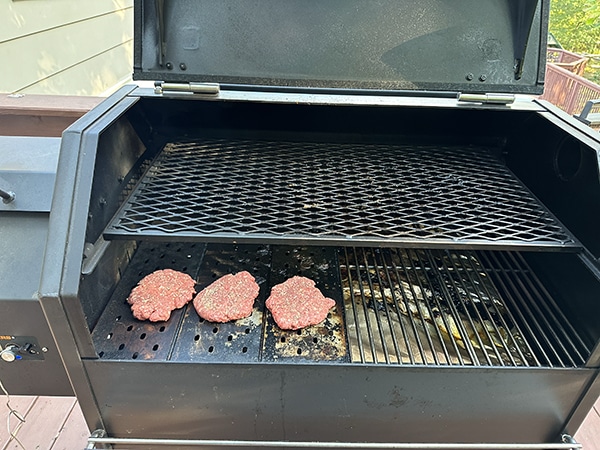
Beyond traditional smoking, pellet grills excel at high-heat grilling for steaks, burgers, and vegetables. Many models reach temperatures exceeding 500°F, delivering beautiful sear marks and caramelization while the wood smoke adds flavor complexity absent from gas grilling. Reverse-searing thick steaks—smoking them low until nearly done, then blasting with high heat to finish—produces restaurant-quality results impossible to achieve with single-temperature cooking methods.
The moderate, consistent temperatures make pellet grills outstanding for roasting whole chickens, turkeys, and prime rib, delivering even cooking and crispy skin. Some enthusiasts even bake bread, cookies, and pizzas on their pellet grills, with pizza stones reaching the high temperatures necessary for authentic wood-fired pizza with leopard-spotted crusts and perfectly melted cheese.
Seafood benefits tremendously from gentle pellet grill smoking—salmon, trout, and even delicate fish like halibut take on wonderful smoke character without drying out. Vegetables like corn, peppers, and Brussels sprouts develop caramelized exteriors and smoky depth that transforms them from sides into stars. The possibilities extend as far as your culinary imagination, with pellet grills adapting seamlessly to virtually any cooking challenge you present.
Elevate Your Backyard Cooking Experience
Wood pellet grill smokers represent the perfect fusion of tradition and technology—delivering authentic wood-fired flavor through modern, convenient operation that makes exceptional outdoor cooking accessible to enthusiasts at every skill level. Whether you're a barbecue novice seeking reliable results from day one or an experienced pitmaster looking to reduce the manual labor while maintaining the flavors you love, pellet grills offer compelling advantages that transform outdoor cooking from challenging work into enjoyable experiences. At Backyard Provider, we're passionate about helping outdoor cooking enthusiasts discover equipment that enhances their culinary adventures, reduces frustration, and delivers the consistent excellence that turns backyard meals into memorable events worth gathering around. The journey to mastering wood-fired cooking begins with choosing the right tools—and pellet grills stand ready to deliver flavor, convenience, and satisfaction for countless meals to come.