
Maximize performance and extend the lifespan of your backyard equipment with proper maintenance
Whether you're preserving your garden harvest through freeze-drying or maintaining outdoor equipment, vacuum pumps play a crucial role in your backyard operations. Proper care and maintenance ensure optimal performance, prevent costly repairs, and significantly extend the life of your investment. This comprehensive guide provides actionable strategies to keep your vacuum pump running smoothly season after season.
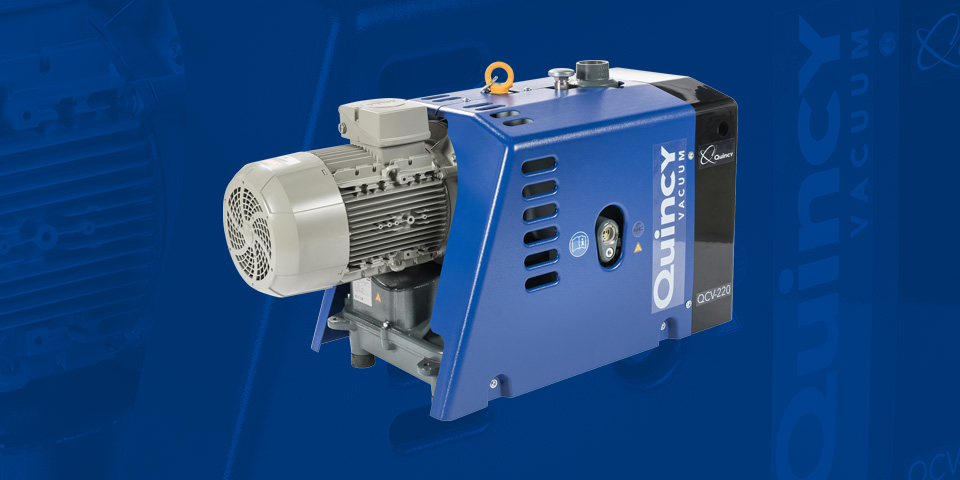 10 Expert Tips for Vacuum Pump Maintenance
Regular maintenance is the foundation of reliable vacuum pump operation. Follow these expert recommendations to avoid breakdowns and maintain peak efficiency throughout the year.
Check and Replace Oil Regularly
Oil is the lifeblood of your vacuum pump, providing essential lubrication and cooling. Contaminated or degraded oil significantly reduces efficiency and can cause permanent damage.
- Inspect oil quality before each use
- Monitor oil levels consistently
- Replace oil when it appears dark or cloudy
- Follow manufacturer's recommended oil change intervals
Monitor Operating Temperature
Temperature fluctuations indicate potential problems. Excessive heat can degrade components and reduce pump lifespan, while proper temperature management ensures consistent performance.
- Observe temperature during operation
- Address overheating issues immediately
- Ensure adequate ventilation around the pump
- Clean air intake vents regularly
Clean or Replace Filters
Filters protect your pump from contaminants and debris. Clogged filters restrict airflow, reducing efficiency and forcing the pump to work harder than necessary.
- Inspect filters weekly during heavy use
- Clean reusable filters according to guidelines
- Replace disposable filters at recommended intervals
- Keep spare filters on hand
Verify Pump Speed and Performance
Performance degradation often occurs gradually. Regular testing helps identify issues before they become serious problems, ensuring your equipment operates at optimal levels.
- Test vacuum levels periodically
- Document performance baselines
- Compare results against manufacturer specifications
- Address declining performance promptly
Tighten or Replace Parts
Vibration during operation can loosen connections and wear components. Regular inspection of mechanical parts prevents air leaks and maintains system integrity.
- Check all connections for tightness
- Inspect seals and gaskets for wear
- Replace worn components immediately
- Keep replacement parts readily available
Monitor and Maintain Fluid Levels
Beyond oil, some systems require additional fluids for cooling or sealing. Maintaining proper fluid levels prevents overheating and ensures consistent vacuum performance.
- Check all fluid reservoirs regularly
- Top off fluids as needed
- Use only manufacturer-recommended fluids
- Watch for unexpected fluid consumption
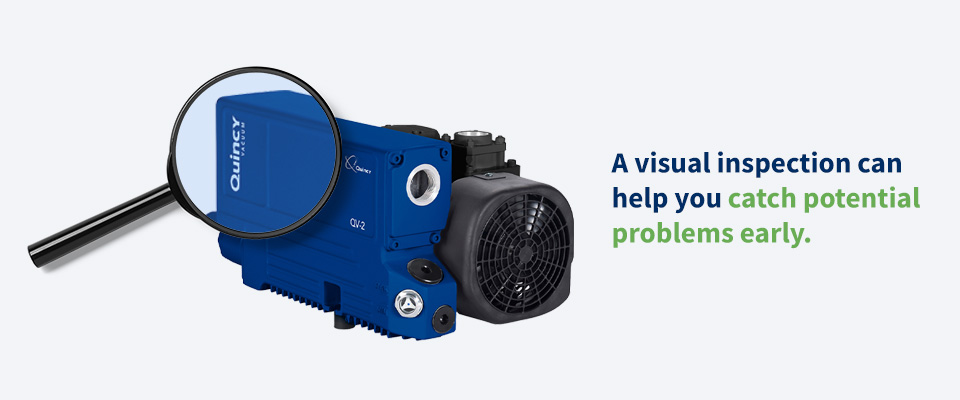
Conduct Visual Inspections
A thorough visual examination can reveal potential problems before they escalate. Look for signs of wear, leaks, corrosion, or damage during routine checks.
- Inspect hoses and connections for cracks
- Check for oil leaks around seals
- Look for unusual wear patterns
- Document any changes in appearance
Listen for Unusual Sounds
Your ears are valuable diagnostic tools. Strange noises often signal developing problems such as worn bearings, loose components, or inadequate lubrication.
- Familiarize yourself with normal operation sounds
- Investigate any unusual noises immediately
- Listen for grinding, squealing, or knocking
- Shut down if sounds indicate serious problems
Keep It Clean
Cleanliness prevents contamination and allows proper heat dissipation. A clean pump runs cooler, performs better, and lasts longer than one covered in dirt and debris.
- Wipe down exterior surfaces regularly
- Remove dust buildup from cooling fins
- Clean the work area around the pump
- Prevent dirt from entering air intakes
Inspect the Surrounding Environment
External conditions significantly impact pump performance. Proper placement and environmental controls protect your equipment from premature wear and damage.
- Ensure adequate ventilation space
- Protect from extreme temperatures
- Keep away from moisture sources
- Maintain stable operating conditions
Upgrade to Professional Performance
Experience superior reliability and efficiency with the Harvest Right Premier Vacuum Pump. Engineered for demanding backyard applications, this premium upgrade delivers exceptional performance for freeze-drying and preservation operations.
Premier Vacuum PumpPreventive Maintenance Schedule
Establish a consistent maintenance routine to ensure peak performance and longevity. Adjust frequency based on usage intensity and operating conditions.
- Daily: Perform visual inspection for leaks, damage, or unusual conditions
- Weekly: Check and verify oil levels and quality
- Bi-Weekly: Monitor operating temperature patterns
- Monthly: Inspect and clean or replace filters as needed
- Quarterly: Verify pump speed and performance metrics
- Bi-Annually: Tighten connections and replace worn components
- Annually: Complete comprehensive system inspection and cleaning
- As Needed: Replace oil when contaminated or degraded
 Common Questions About Vacuum Pump Care
How Do I Protect My Vacuum Pump From Moisture?
Moisture is one of the primary enemies of vacuum pump longevity. Always operate your pump in a dry environment with proper ventilation. Use moisture traps or filters if your application involves processing wet materials. After operation, allow the pump to run briefly to purge any residual moisture from the system. Store the pump in a climate-controlled area when not in use.
How Long Do Vacuum Pumps Last?
With proper maintenance, quality vacuum pumps can operate reliably for many years. Lifespan depends on usage frequency, operating conditions, and adherence to maintenance schedules. Pumps used for seasonal applications like harvest preservation may last longer than those running continuously. Regular oil changes and component inspections significantly extend operational life.
How Often Should Oil Be Changed?
Oil change frequency depends on usage intensity and operating conditions. For frequent use, inspect oil quality weekly and change when it appears contaminated or dark. Light users should change oil at least once per season or every six months. If you notice declining performance or the oil looks milky or contains particles, change it immediately regardless of time elapsed.
Can I Perform Vacuum Pump Maintenance Myself?
Most routine maintenance tasks are straightforward and can be performed by equipment owners. Oil changes, filter replacements, visual inspections, and basic cleaning require minimal technical expertise. However, internal repairs, seal replacements, or electrical work should be handled by qualified professionals. Always consult your owner's manual and follow manufacturer guidelines for maintenance procedures.
Trust Quality Equipment for Reliable Results
Investing in premium vacuum pump equipment from trusted manufacturers ensures superior performance and longevity. Quality components resist wear, maintain efficiency, and provide consistent results season after season. When you choose professional-grade equipment, you're not just buying a tool—you're investing in peace of mind and reliable operation for your backyard preservation and maintenance projects.
Ready to Upgrade Your Equipment?
Discover the difference professional-grade performance makes. The Harvest Right Premier Vacuum Pump delivers exceptional reliability and efficiency for all your backyard applications.
Shop Premier Pump