
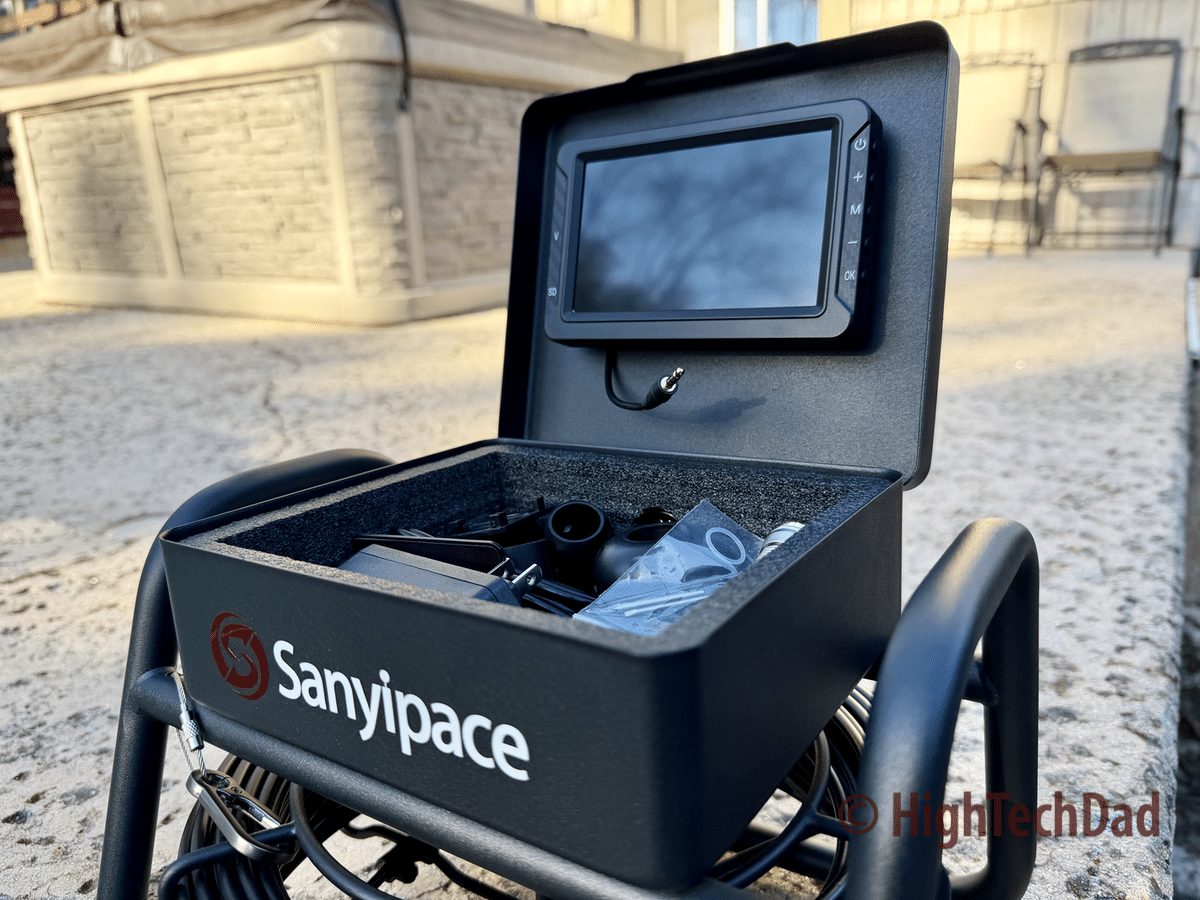
When a drain backs up or you suspect damage to underground pipes, the typical response is to call a plumber. But that service call often starts at $200 or more just for the camera inspection alone. What if you could handle these inspections yourself, saving money while gaining complete control over your property's plumbing health?
Professional-grade sewer cameras have become increasingly accessible to homeowners, property managers, and contractors who want to take diagnostics into their own hands. With the right equipment, you can inspect drain lines, locate blockages, identify root intrusion, and assess pipe condition without scheduling appointments or waiting for availability.
In this guide, we explore what makes a drain inspection camera worth the investment, how to use one effectively, and why tools like the Hathorn H7 Camera system represent the gold standard for serious DIY inspections and professional applications alike.
What You'll Learn
- Why drain camera inspections pay for themselves quickly
- Key features that separate professional equipment from toys
- Step-by-step guide to your first inspection
- Real-world testing in challenging conditions
- Technical specifications that matter
- Honest assessment of pros and limitations
- Who benefits most from owning a sewer camera
See It in Action: Hands-On Demonstration
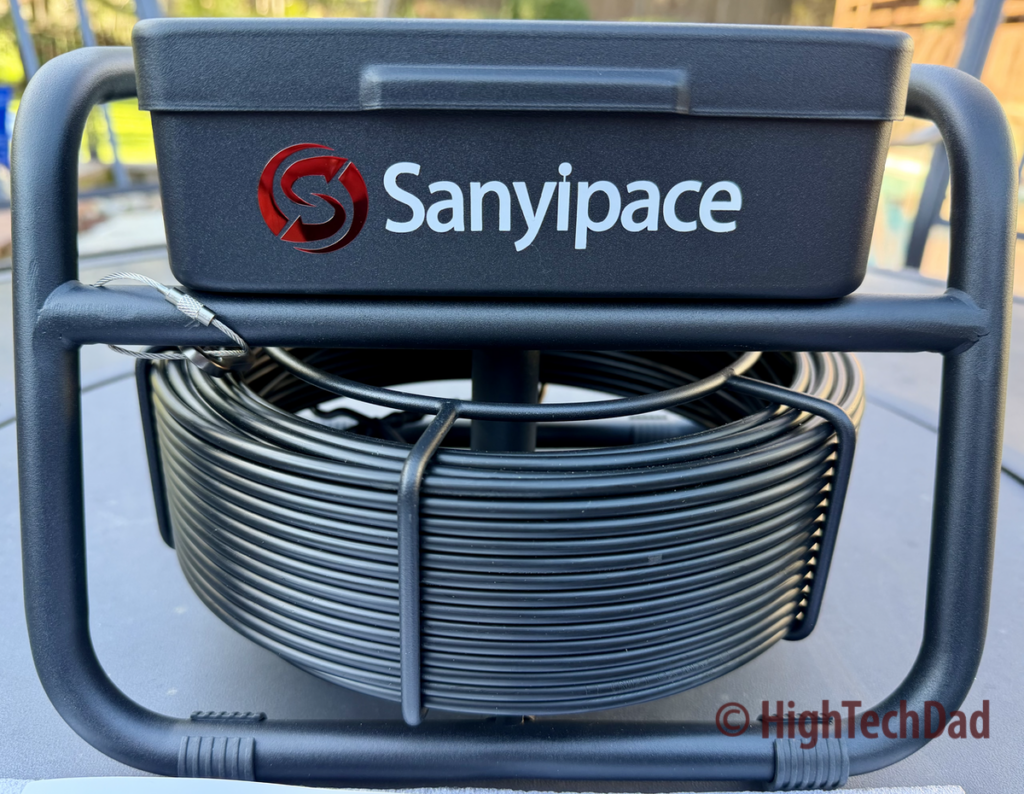
Nothing beats watching equipment perform in real conditions. Professional drain cameras should handle tight bends, murky water, and extended push distances without losing image quality or signal. The best systems maintain crystal-clear footage even when navigating the most challenging residential and commercial plumbing configurations.
What Makes a Drain Camera Actually Practical for DIY Use?
Self-Leveling Camera Head
The camera automatically maintains an upright orientation regardless of how the push rod twists or turns. This means you always see the pipe interior right-side-up, making it far easier to identify problems and understand what you're looking at.
Sufficient Cable Length
Budget cameras often include only 30-50 feet of cable. Professional units provide 100-200+ feet, enough to reach main sewer lines from cleanout access points. For most residential applications, 200 feet handles virtually any scenario.
Built-In Recording
Recording capability lets you document findings, share footage with contractors for quotes, or maintain records for property documentation. Look for systems with ample onboard storage—64GB allows hours of continuous recording.
Durable Construction
Sewer environments are harsh. Quality cameras feature waterproof ratings, reinforced cable jackets, and scratch-resistant sapphire lens covers. The equipment should handle being dragged through debris without losing functionality.
Getting Started: Your First Drain Inspection
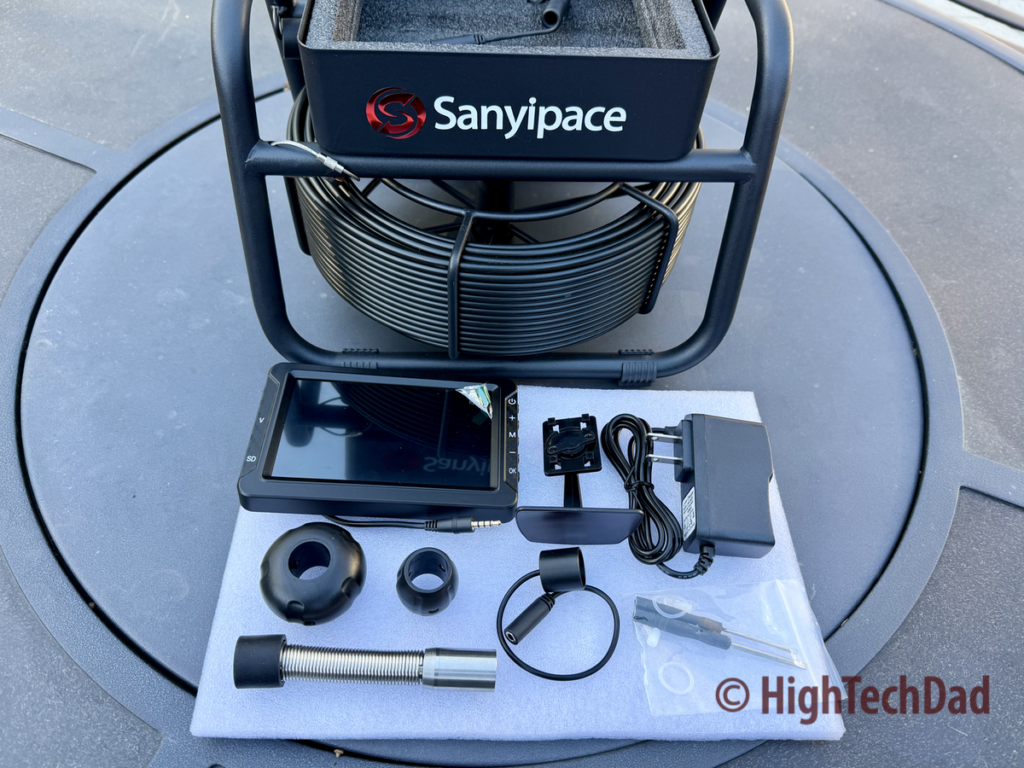
Setting up a professional drain camera system is more straightforward than most people expect. Quality equipment arrives pre-configured and requires minimal assembly. Typically, you'll connect the camera head to the push rod, attach the monitor unit, and power on the system.
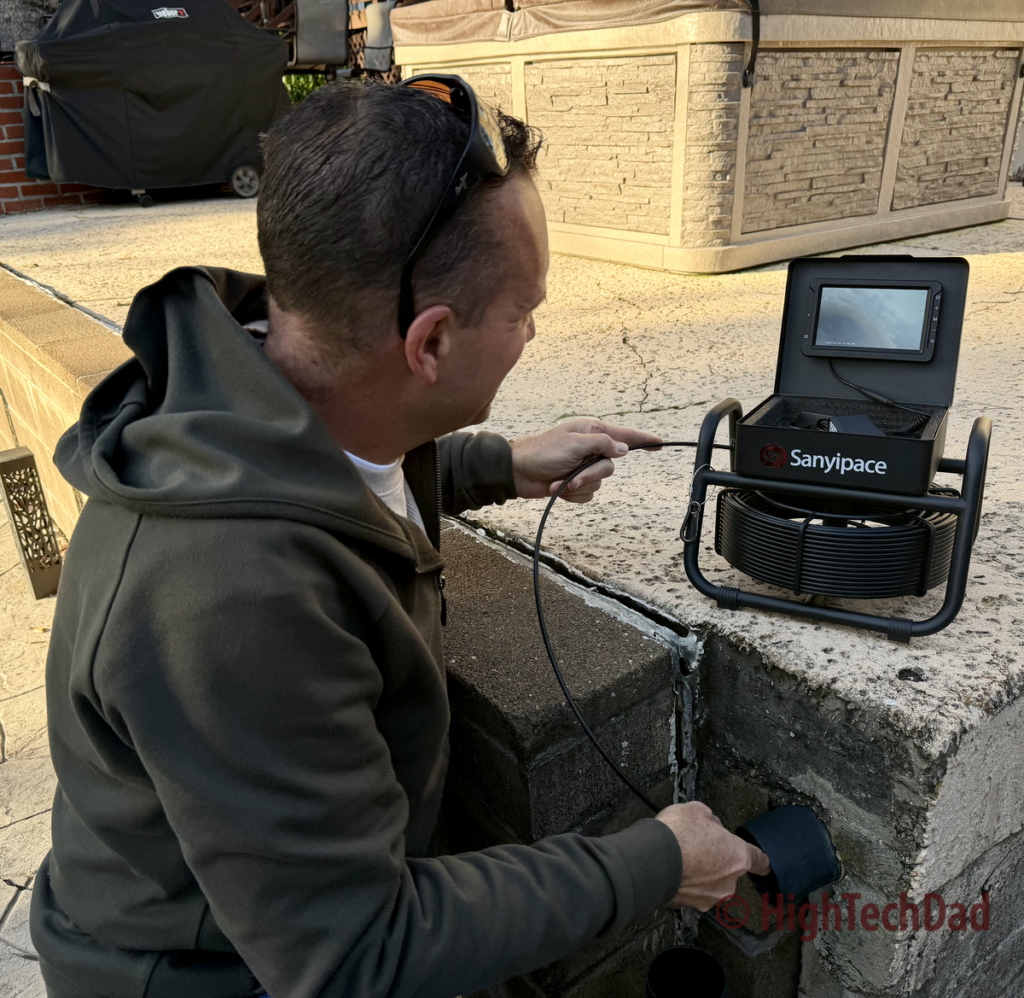
Begin by locating your cleanout access point—usually a capped pipe near your home's foundation or in the yard. Remove the cap and slowly feed the camera into the line. The self-leveling head orientation adjusts automatically as you push further into the system.
Watch the monitor as you advance. Look for root intrusion appearing as hair-like fibers, scale buildup showing as rough or narrowed sections, cracks or offsets in pipe joints, and standing water indicating low spots or blockages. The built-in LED lighting illuminates everything clearly, even in completely dark conditions.
Pro Tip: Mark your push rod at regular intervals with tape before beginning. This allows you to estimate how far into the system you've traveled, making it easier to locate problems from above ground when excavation is needed.
Real-World Performance: Testing Under Challenging Conditions
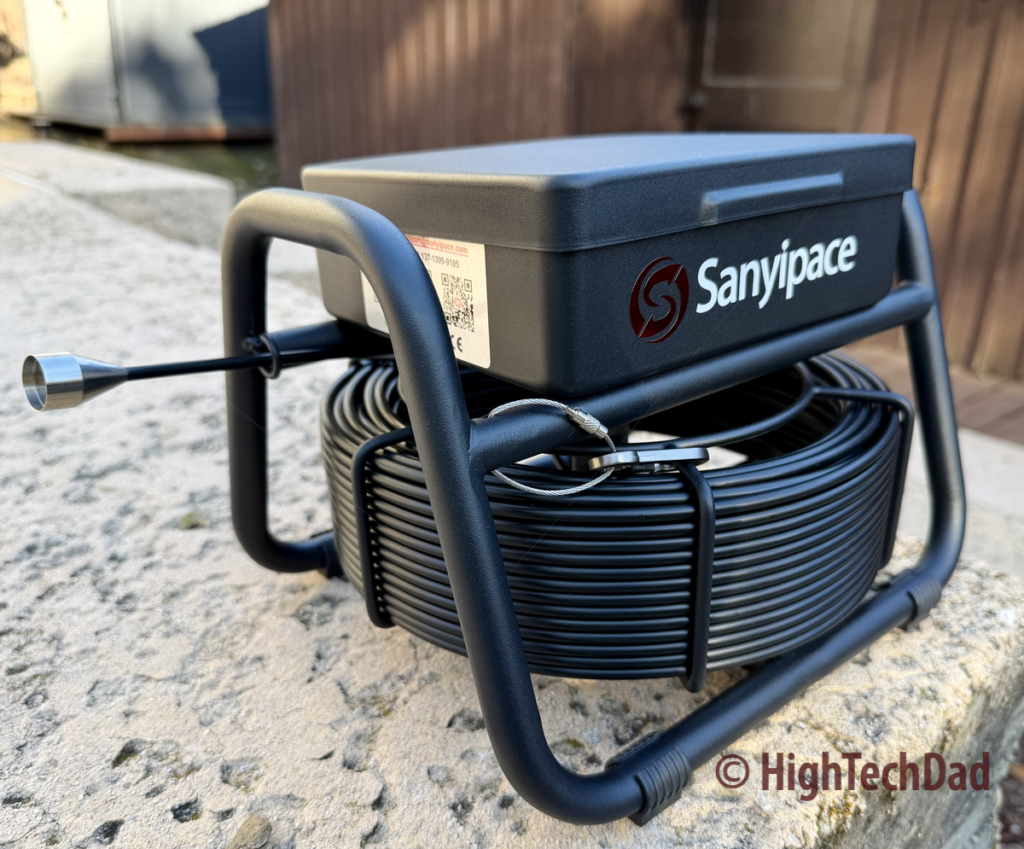
The true test of any inspection camera comes when you push it into real plumbing systems with decades of use, multiple bends, and accumulated debris. Under-slab drains present particular challenges—the camera must navigate 90-degree turns, push through standing water, and maintain image quality in tight spaces.
Professional-grade equipment handles these conditions without complaint. The sapphire lens cover resists scratching even when pushing through calcified buildup. High-intensity LEDs maintain visibility in murky water. And the flexible push rod transmits enough force to advance through resistance while remaining supple enough to navigate bends.
Where budget cameras struggle or fail entirely, professional systems keep delivering clear, usable footage that allows confident diagnosis and decision-making.
Who Benefits Most from Owning a Drain Camera?
Property Managers
Managing multiple properties means frequent plumbing calls. Having your own camera lets you assess issues before calling contractors, verify completed work, and maintain proactive inspection schedules.
Home Inspectors
Adding sewer scope services differentiates your business and creates an additional revenue stream. Buyers increasingly request drain inspections as part of due diligence before purchasing older homes.
Serious DIY Homeowners
If you own an older home with cast iron or clay pipes, regular inspections catch problems early before they become expensive emergencies. The camera pays for itself by preventing just one major repair.
Contractors & Plumbers
Professional-grade equipment establishes credibility with clients, speeds diagnosis, and provides documentation for estimates and completed work. Quality tools enhance reputation and efficiency.
Technical Specifications: Under the Hood
| Camera Head Diameter | 1.23 inches (fits 2"+ pipes) |
| Push Rod Length | 200 feet (60+ meters) |
| Recording Storage | 64GB internal memory |
| Camera Type | Self-leveling (SL) head |
| Waterproof Rating | Fully submersible camera head |
| LED Lighting | High-intensity adjustable LEDs |
| Monitor Display | Color LCD with sunlight visibility |
The Good and the Considerations
✓ Advantages
- Self-leveling camera maintains proper orientation automatically
- 200-foot push rod reaches virtually any residential drain line
- 64GB storage provides ample recording capacity
- Professional-grade construction built for repeated use
- Compact camera head navigates tight bends effectively
- Bright LED lighting works in all conditions
○ Considerations
- Higher initial investment than consumer-grade alternatives
- Learning curve for interpreting what you see on screen
- Equipment requires proper storage and maintenance
- May be overkill for occasional single-property use
- Physical effort required for extended push distances
Frequently Asked Questions
Can I inspect my own main sewer line?
Absolutely. If you have cleanout access, which most homes built after the 1970s include, you can feed the camera directly into your main line. The 200-foot cable typically reaches from the house to the municipal connection.
What pipe sizes work with this camera?
The 1.23-inch camera head fits into pipes 2 inches and larger. This covers most residential drain lines including bathroom drains, kitchen lines, and main sewer pipes. Smaller lines like sink p-traps would require a different tool.
Do I need any special training?
No formal training required. After a few practice runs, most users develop confidence reading the footage. Online resources and video tutorials help accelerate the learning process for identifying common issues.
How long do professional sewer cameras last?
With proper care, quality equipment provides years of reliable service. The main maintenance involves rinsing the camera head after use, properly coiling the push rod, and storing the unit in a dry location.
Ready to Take Control of Your Drain Inspections?
Invest in professional-grade equipment that pays for itself. The Hathorn H7 Camera system delivers the reliability and performance that serious users demand.
Hathorn H7 Camera 200-FtFinal Thoughts: A Tool That Pays for Itself
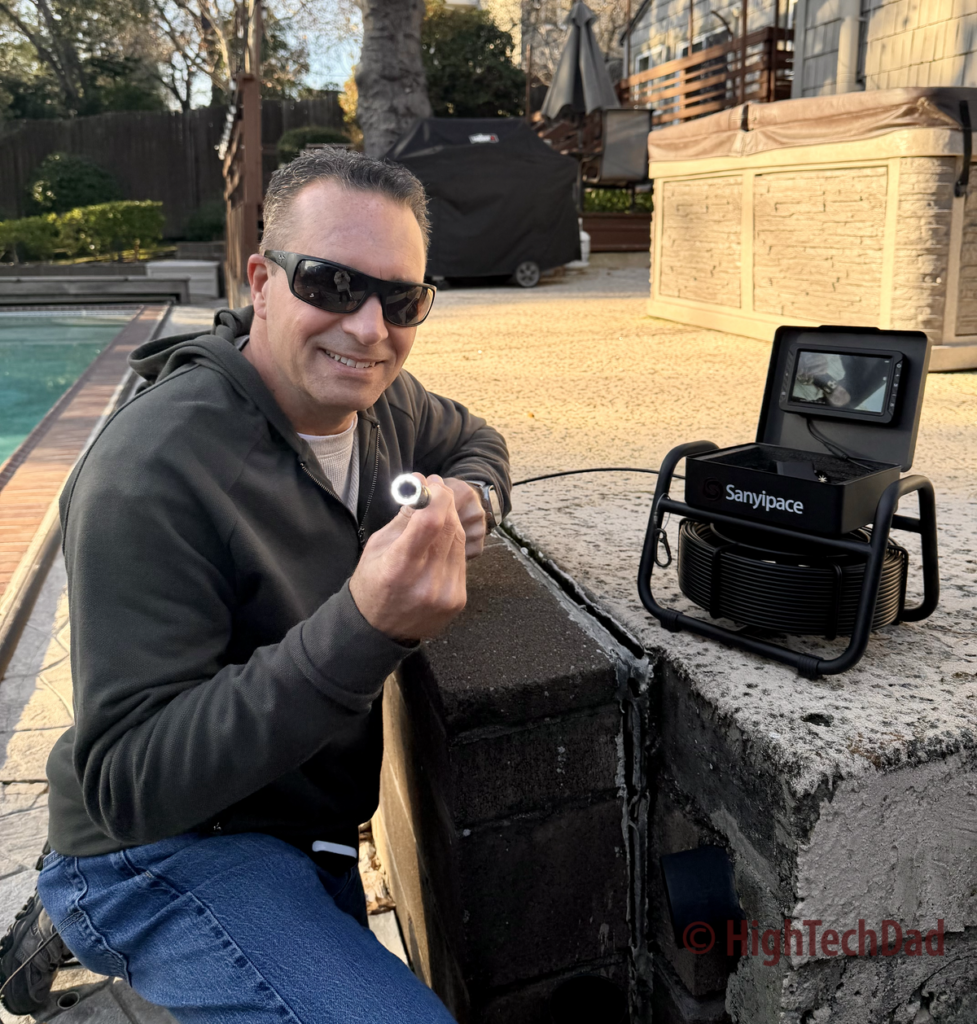
Professional drain inspection equipment represents a different category entirely from consumer gadgets. While the initial investment is higher, the capability, durability, and long-term value justify the cost for anyone who manages properties, works in related trades, or simply wants the ability to diagnose plumbing issues without relying on outside contractors.
The math works out quickly: a single professional camera inspection runs $200-400. Two or three DIY inspections using your own equipment, and you've recovered a significant portion of the purchase price. Beyond the financial calculation, there's tremendous value in having immediate access to diagnostic capability when problems arise—no waiting for appointments, no scheduling hassles, just answers when you need them.
For property owners and professionals alike, a quality sewer camera isn't an expense—it's an investment in capability, convenience, and long-term savings. Choose equipment built to professional standards, and it will serve you reliably for years to come.
Explore our complete selection of inspection equipment and outdoor tools at BACKYARD PROVIDER — your source for professional-grade equipment that gets the job done right.