
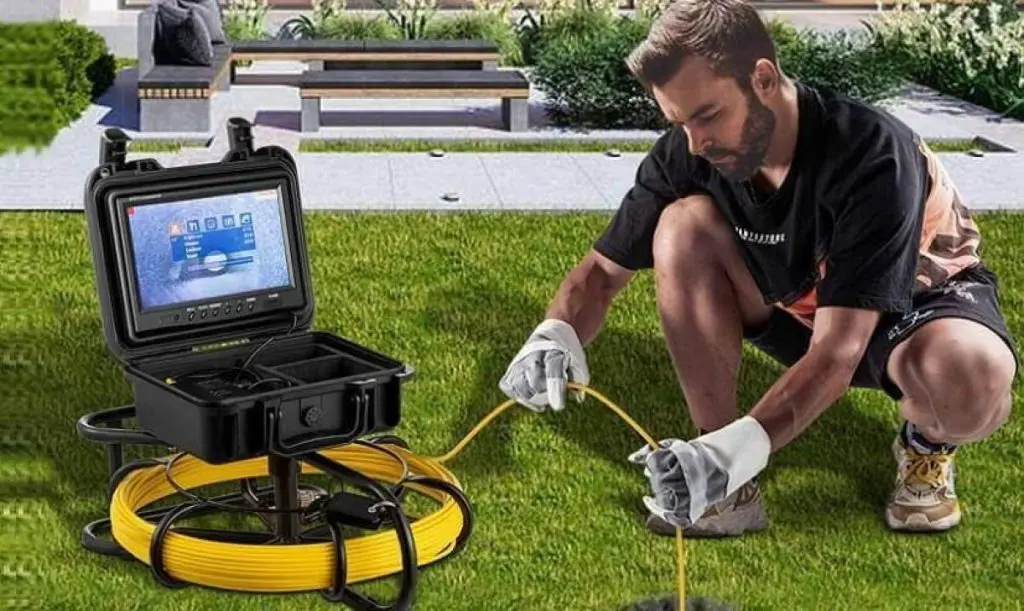
There's a lot of important plumbing work happening underneath our homes and buildings. When pipes develop issues, traditional diagnostic methods often require invasive and costly procedures. A pipe inspection camera changes everything, offering a non-invasive way to visually inspect the interior of plumbing systems without tearing apart walls or digging up yards.
By the end of this guide, you'll have a solid understanding of the essential features that make an inspection camera worth your investment. Whether you're a professional contractor, a dedicated DIY enthusiast, or a homeowner looking to tackle maintenance independently, choosing the right camera can save you significant time, money, and frustration.
5 Essential Tips for Choosing the Best Pipe Inspection Camera
When shopping for an inspection camera, certain features separate the exceptional units from the mediocre ones. Here's what you need to prioritize in your search.
1. Waterproof Rating
The first feature to look for is whether the camera can function while submerged in pressurized water. Since you'll be navigating through pipes that may contain standing water, sewage, or other liquids, your camera must be fully waterproof. Look for units with an IP68 rating or higher to ensure complete protection against water damage during extended underwater operation.
2. Powerful Illumination System
The interior of pipes presents completely dark environments without any ambient light source. An optimal inspection camera should feature adjustable LED lighting systems. Brightness control enables you to adapt illumination levels according to pipe diameter and surface reflectivity, preventing glare on metallic surfaces while ensuring adequate visibility in larger conduits.
3. Chemical-Proof Construction
Residential and commercial drainage systems often transport various chemical compounds. Cleaning agents, industrial waste, and naturally corrosive substances flow through these passages regularly. Premium inspection cameras utilize materials specifically engineered to withstand prolonged chemical exposure without degradation, ensuring longevity even under harsh operating conditions.
4. Adequate Cable Length
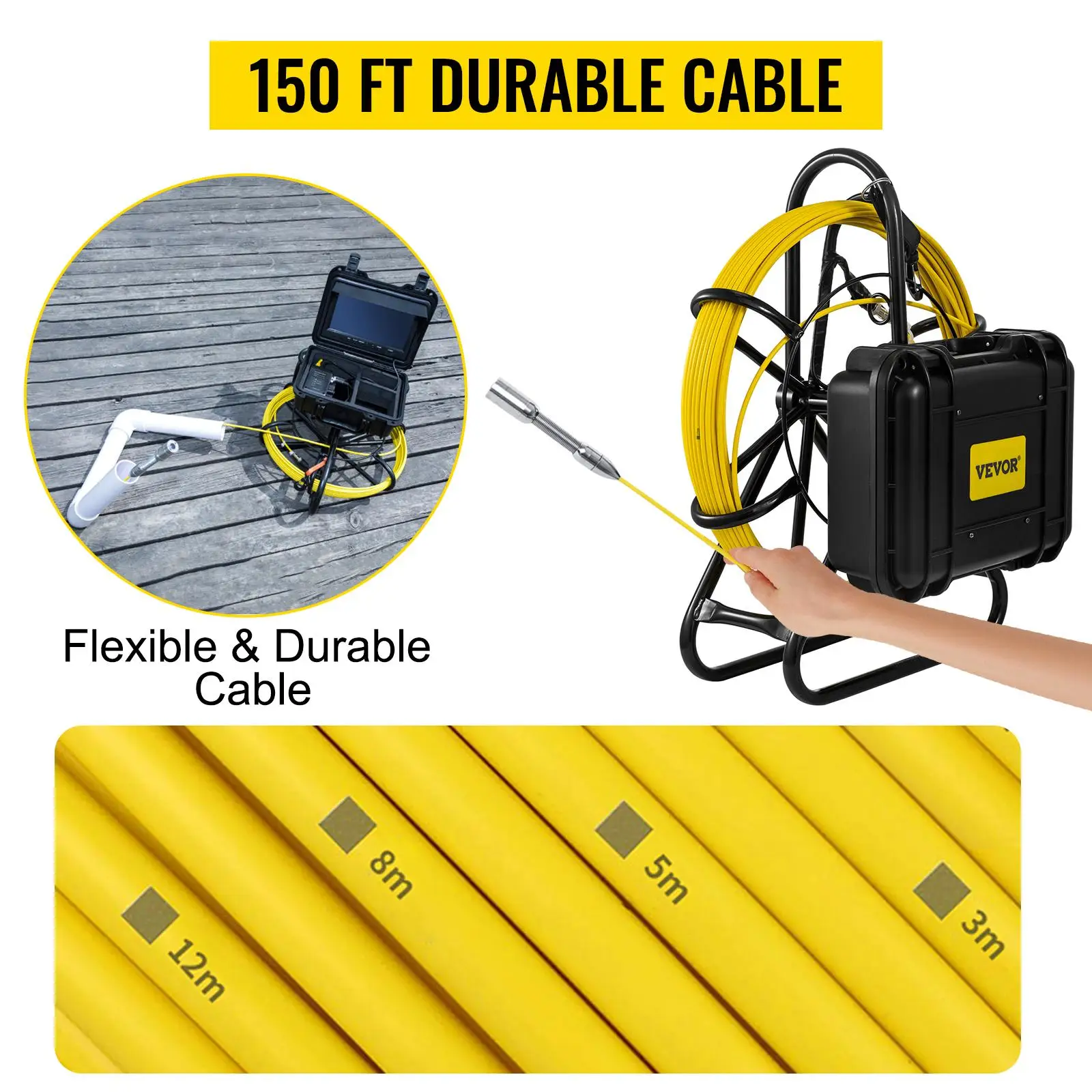
A quality inspection camera requires sufficient reach to access the full extent of your plumbing infrastructure. For residential applications, push rod lengths between 100 to 200 feet generally prove adequate. However, the cable must maintain transmission quality across its entire length while remaining flexible enough to navigate bends and turns within the pipe system.
5. High-Quality Display
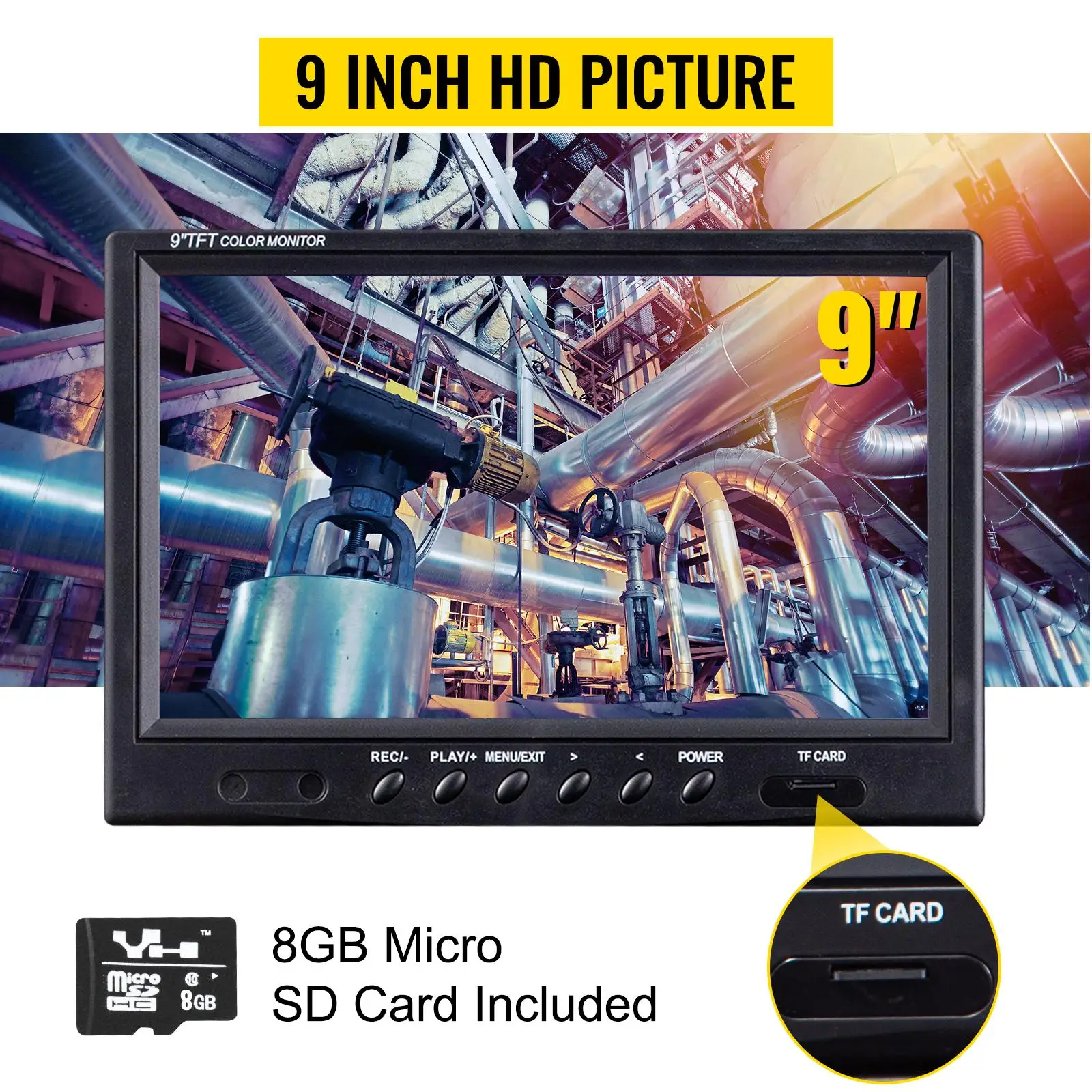
The monitor is your window into the pipe's interior, making screen quality critically important. Opt for cameras featuring color displays with adequate screen dimensions, typically 7 to 9 inches for comfortable viewing. Higher resolution panels allow you to identify hairline cracks, minor corrosion spots, and small obstructions that lower-quality screens might obscure.
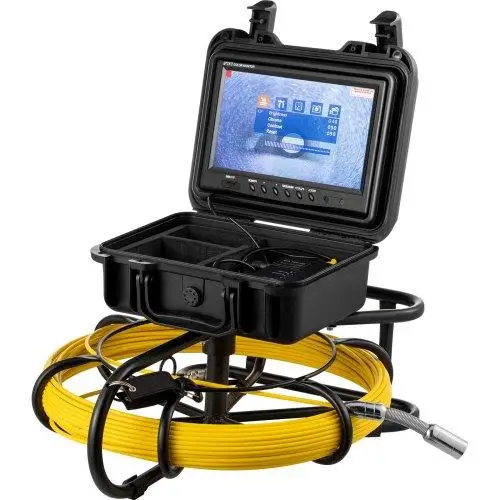
Our Top Pick: Professional-Grade Pipe Inspection Camera
Our recommendation combines industry-leading specifications with exceptional durability. Featuring an IP68 waterproof camera head, this unit delivers crystal-clear imagery even in the most challenging conditions. The camera can operate reliably through standing water, sludge, and debris without compromising visual quality.
IP68 Waterproof Excellence
9"
HD Display
200 Ft
Push Rod
64GB
Storage
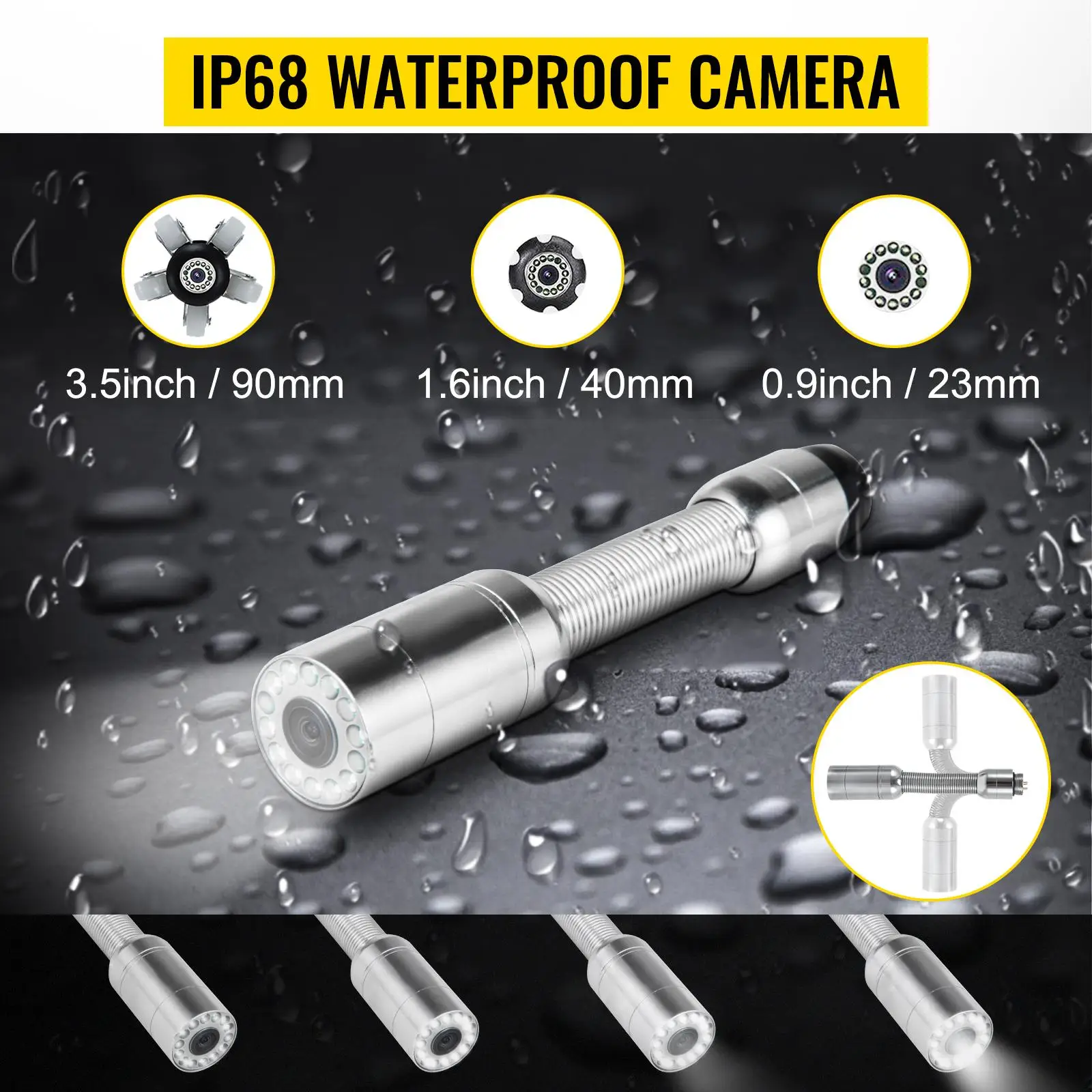
The actual pixel density of the camera ensures exceptional clarity for professional plumbing inspections. The camera head captures detailed footage that reveals even subtle pipe damage, root intrusion, or structural defects. With an included storage card, you can document inspections thoroughly and share findings with clients or contractors.
Durability isn't just about water resistance. The reinforced push rod withstands significant mechanical stress while maintaining flexibility for navigating complex pipe configurations. Self-leveling camera technology automatically orients the image correctly regardless of the camera head's rotational position, eliminating disorienting upside-down footage.
Built for Professional Demands
The integrated rechargeable lithium battery delivers extended operational time, supporting comprehensive inspections without interruption. Battery indicators keep you informed about remaining charge, preventing unexpected shutdowns during critical assessments.
Whether you're conducting routine maintenance checks, investigating suspected blockages, or performing pre-purchase property inspections, this camera system provides the capability and reliability professional results demand.
Versatile Applications
Residential Plumbing: Inspect drain lines, sewer connections, and water supply pipes without excavation. Identify blockages, root intrusions, and pipe deterioration before they become emergencies.
Commercial Applications: Large-scale facilities require regular pipe monitoring. These cameras enable efficient inspection of extensive plumbing networks in commercial buildings, industrial facilities, and municipal systems.
HVAC and Ductwork: Beyond traditional plumbing, inspection cameras prove invaluable for examining ductwork, vents, and other enclosed systems where visual assessment would otherwise be impossible.
Different Types of Pipe Inspection Cameras
Push Rod Portable Cameras
The most common type of inspection camera, featuring a flexible cable that operators manually push through pipe systems. The camera head, monitor, and push rod come in a convenient carrying case for portability. Perfect for residential applications and smaller commercial jobs.
Self-Leveling Camera Systems
The inspection camera automatically adjusts through rotation to always display right-side-up images on the monitor. As the camera navigates turns and inverted sections, the picture orientation remains consistent, making it significantly easier to identify issues and document findings accurately.
Frequently Asked Questions
Is it worth getting a sewer inspection camera?
Absolutely. The investment in a quality inspection camera typically pays for itself after just a few uses by eliminating guesswork and preventing unnecessary excavation costs. Professional plumbers and serious DIY enthusiasts find these tools indispensable for accurate diagnosis.
How does an inspection camera work?
An inspection camera consists of a waterproof camera head mounted on a flexible push rod. The camera transmits real-time video to a portable monitor, allowing operators to visually navigate through pipes while observing conditions. LED lights integrated into the camera head illuminate the pipe interior.
How far can an inspection camera reach?
Push rod lengths vary by model, typically ranging from 50 feet for basic units to 200 feet or more for professional-grade systems. The appropriate reach depends on your specific application requirements. Residential inspections generally require less reach than commercial or municipal projects.
What size pipes can these cameras inspect?
Camera head diameters determine minimum pipe size compatibility. Most residential cameras feature heads between 0.9 to 1.5 inches, suitable for pipes ranging from 2 inches to 12 inches in diameter. Larger municipal cameras can inspect significantly bigger conduits.
Ready to Upgrade Your Inspection Capabilities?
Discover professional-grade pipe inspection equipment designed for demanding applications.
Shop Hathorn H7 Camera