
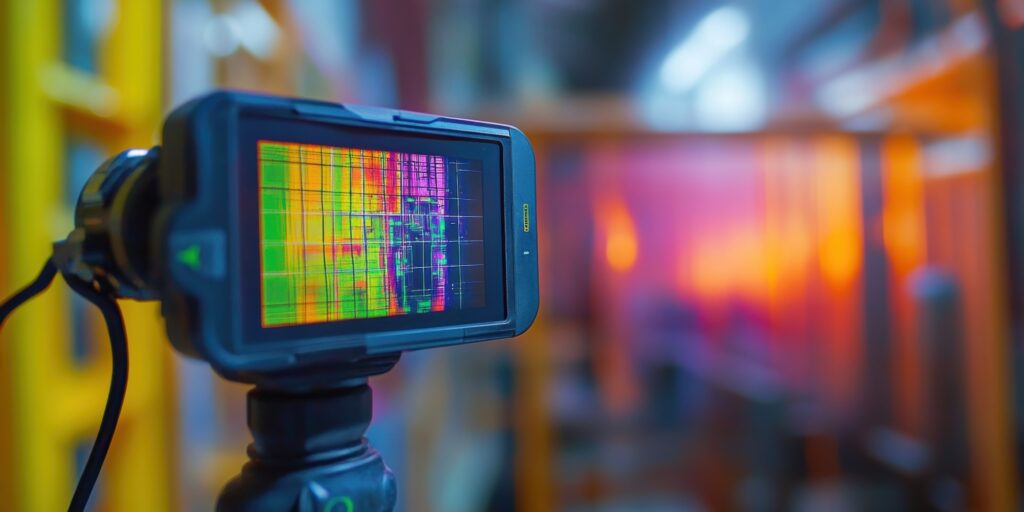
When tackling home improvement projects, maintaining outdoor equipment, or diagnosing issues in hard-to-reach spaces, having the right inspection camera makes all the difference. These versatile tools have evolved from bulky industrial equipment into accessible, feature-rich devices that every serious DIYer and professional should consider adding to their toolkit.
Whether you need to examine the inside of pipes, check for blockages in gutters, inspect HVAC ductwork, or investigate structural concerns, modern inspection cameras deliver crystal-clear visuals that eliminate guesswork and save countless hours of unnecessary demolition or excavation.
Premium Inspection Cameras for Home and Outdoor Projects
The inspection camera market offers solutions ranging from budget-friendly handheld units to professional-grade systems with advanced capabilities. Here are the categories and features that matter most for backyard, construction, and maintenance applications.

1. Push Rod Sewer Cameras
Push rod cameras represent the workhorses of plumbing and drainage inspection. These systems feature a flexible cable housing a waterproof camera head that navigates through pipes ranging from small residential drains to larger sewer lines. High-end models offer self-leveling camera heads that automatically orient the image right-side-up regardless of the camera's position.
Key specifications to consider: Cable length typically ranges from 100 to 200+ feet, camera head diameter determines pipe compatibility, and LED brightness affects visibility in dark or murky conditions. Look for systems with built-in recording capability and distance counters for accurate location identification.
Ideal applications: Sewer line inspections, drain diagnostics, septic system evaluation, underground pipe mapping, and pre-purchase property assessments.
2. Handheld Borescopes and Endoscopes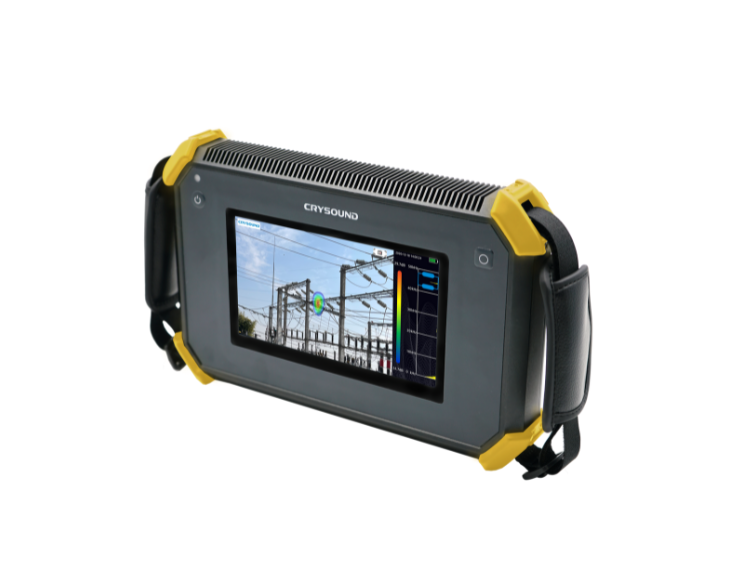
Compact and highly portable, handheld inspection cameras excel at examining confined spaces, engine components, wall cavities, and equipment interiors. These devices typically feature articulating camera heads that bend in multiple directions, allowing users to navigate around obstacles and view surfaces at various angles.
Key specifications to consider: Probe diameter (smaller is better for tight spaces), articulation range and control precision, display resolution, and wireless connectivity options for smartphone integration.
Ideal applications: HVAC system inspection, automotive diagnostics, machinery maintenance, wall and ceiling cavity examination, and small appliance troubleshooting.
3. Thermal Imaging Cameras
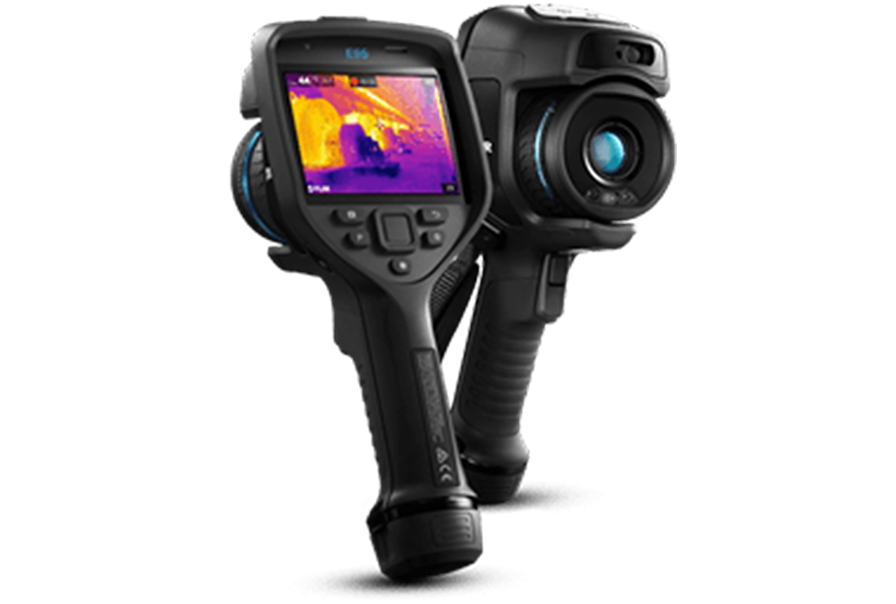
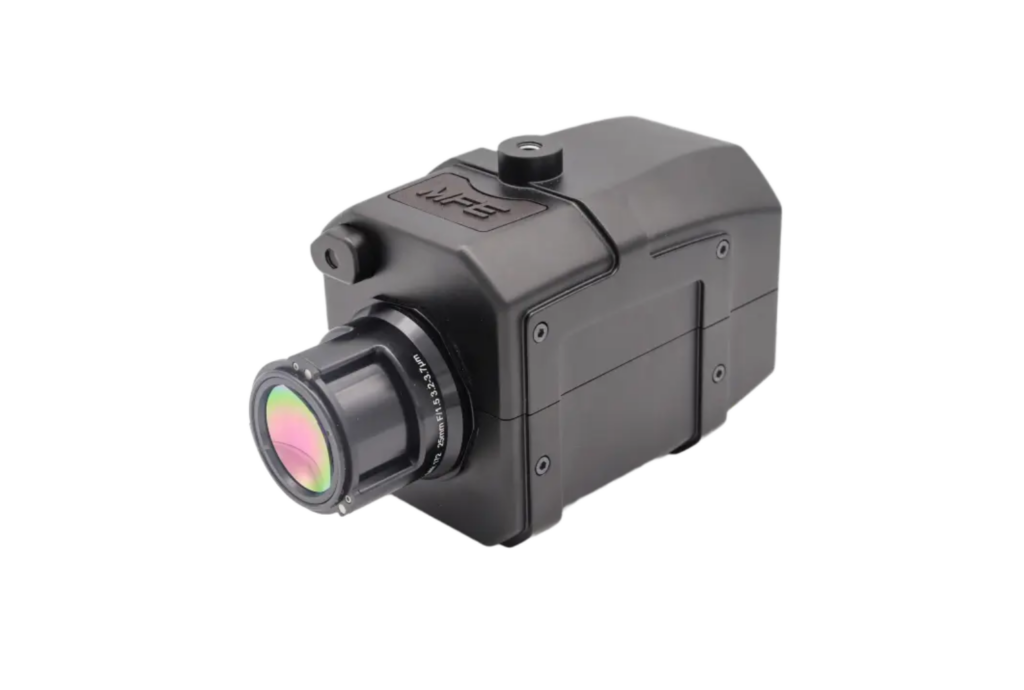
Thermal cameras detect infrared radiation and convert temperature differences into visible images. This technology reveals hidden issues invisible to standard cameras: water leaks behind walls, inadequate insulation, electrical hotspots, HVAC efficiency problems, and even pest infestations in wall cavities.
Key specifications to consider: Thermal resolution (higher pixel count means more detailed heat maps), temperature measurement range, thermal sensitivity, and image blending capabilities that overlay thermal data on standard photos.
Ideal applications: Energy audits, leak detection, electrical system inspection, HVAC performance analysis, radiant floor heating diagnostics, and building envelope assessment.
4. Videoscope Systems
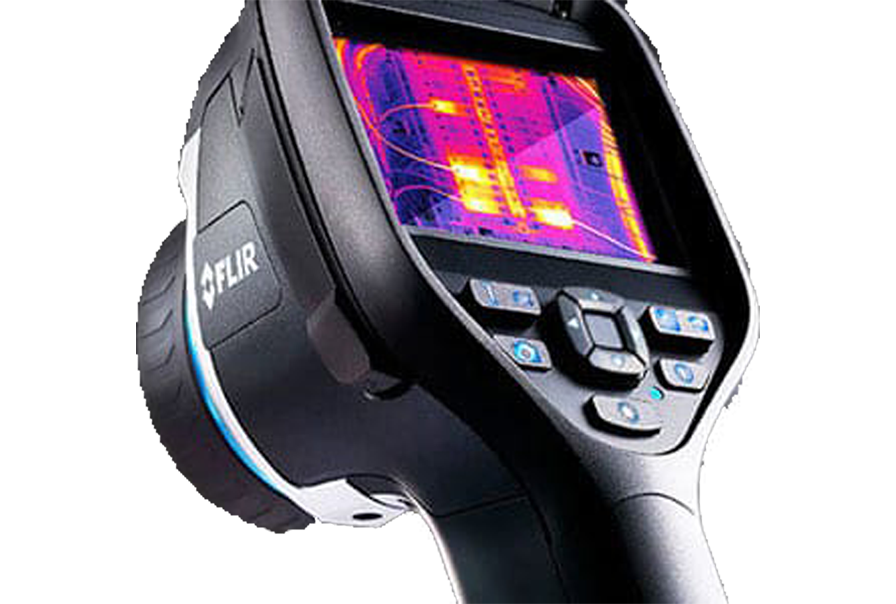
Videoscopes bridge the gap between basic borescopes and full sewer camera systems. They provide superior image quality with larger integrated displays, professional-grade articulation controls, and robust construction designed for daily professional use in demanding environments.
Key specifications to consider: Display size and brightness for outdoor visibility, probe interchangeability, image and video storage capacity, battery life for extended inspections, and durability ratings.
Ideal applications: Professional plumbing services, industrial equipment inspection, turbine and engine examination, and detailed documentation needs.
Featured Product
Professional-grade inspection technology for serious diagnostics and comprehensive visual documentation.
Hathorn H7 Push Rod CameraAdvanced Inspection Systems for Complex Projects
For larger properties, commercial applications, or specialized inspection needs, advanced systems provide capabilities beyond traditional handheld units. These technologies expand what's possible for thorough property assessment and maintenance planning.
Robotic Crawler Systems
Robotic crawlers navigate large-diameter pipes and conduits that push rod cameras cannot effectively traverse. These motorized platforms carry pan-tilt-zoom cameras through extensive underground infrastructure, providing comprehensive documentation of pipe conditions over long distances.
Best suited for: Municipal-scale drainage systems, large commercial properties, industrial facilities, and comprehensive underground infrastructure assessment projects.
Drone-Mounted Inspection Cameras

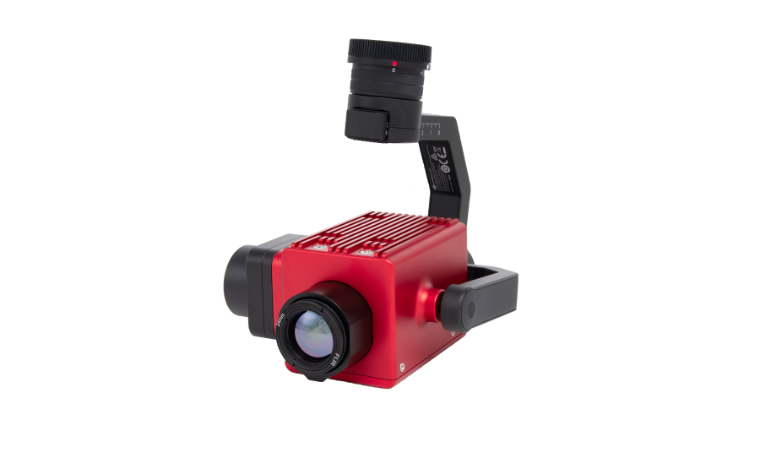
Aerial inspection platforms combine high-resolution cameras with unmanned flight systems to access rooftops, chimneys, tall structures, and expansive properties without scaffolding or ladder work. Advanced models integrate thermal imaging for comprehensive building envelope analysis.
Best suited for: Roof inspections, gutter assessment, chimney examination, solar panel surveys, large property overviews, and post-storm damage documentation.
Jetter-Camera Combination Units
These integrated systems combine high-pressure water jetting with inspection cameras, allowing operators to clear blockages and immediately verify results. The efficiency gains from having both capabilities in one unit significantly reduce labor time for drain cleaning and maintenance operations.
Best suited for: Professional drain cleaning services, property management maintenance, recurring blockage issues, and commercial kitchen drain maintenance.
Understanding Inspection Camera Categories
Visual Inspection Cameras
Standard optical cameras providing real-time video and still image capture. These form the foundation of most inspection work, offering direct visual access to otherwise hidden areas. Quality varies widely from basic smartphone-connected units to professional systems with HD recording and advanced lighting.
Thermal Imaging Cameras
Infrared-based systems that visualize temperature variations across surfaces. Essential for identifying energy loss, moisture intrusion, electrical faults, and HVAC performance issues. Higher resolution models provide more detailed thermal mapping for precise problem identification.
Moisture Detection Cameras
Specialized thermal or multi-sensor cameras optimized for detecting water damage and moisture accumulation. These tools identify leaks, condensation issues, and water intrusion paths before visible damage occurs, preventing costly repairs and mold remediation.
Multi-Sensor Platforms
Advanced systems combining multiple sensor types including visual, thermal, ultrasonic, and gas detection capabilities. These comprehensive platforms provide the most thorough inspection data but require greater investment and operator expertise.
Industry Applications Across Sectors
Plumbing & Drainage
Locate blockages, assess pipe condition, identify root intrusion, verify repairs, and document pre-existing conditions for property transactions.
HVAC Systems
Inspect ductwork cleanliness, verify insulation integrity, identify air leaks, assess equipment condition, and diagnose efficiency issues.
Construction
Quality verification, progress documentation, structural assessment, utility location, foundation inspection, and code compliance verification.
Property Maintenance
Roof condition assessment, gutter inspection, chimney flue examination, pest identification, and preventive maintenance scheduling.
Electrical Systems
Thermal scanning of panels and circuits, identifying overloaded connections, locating hotspots, and preventive maintenance for fire prevention.
Automotive & Equipment
Engine inspection, exhaust system examination, hydraulic line assessment, and machinery internal component diagnostics.
Best Practices for Effective Inspections
Proper Lighting
Adjust LED intensity based on the inspection environment. Too much light causes glare and washout while too little obscures critical details.
Methodical Approach
Inspect systematically rather than randomly. Document your path and findings to ensure complete coverage and enable future comparison.
Record Everything
Capture video of entire inspections and still images of specific findings. Comprehensive documentation supports accurate reporting and future reference.
Equipment Care
Clean camera heads after each use, properly coil cables to prevent kinking, and store equipment in protective cases to maintain accuracy and longevity.
Maintenance and Equipment Longevity
Protecting your investment in inspection equipment requires consistent care and proper handling. Follow these guidelines to maximize the service life and accuracy of your cameras:
After Each Use: Clean lens surfaces with appropriate materials, inspect cables for damage, verify waterproof seals are intact, and charge batteries fully before storage.
Regular Calibration: Thermal cameras require periodic calibration to maintain measurement accuracy. Follow manufacturer schedules and document calibration dates.
Storage Conditions: Keep equipment in climate-controlled environments when possible. Extreme temperatures and humidity can damage sensitive electronics and optics.
Software Updates: Keep firmware and software current for optimal performance, bug fixes, and access to new features.
Frequently Asked Questions
What camera head diameter do I need for residential plumbing?
Most residential drain lines range from 1.5 to 4 inches in diameter. A camera head around 1 to 1.5 inches provides versatility for typical home plumbing while maintaining image quality. Smaller heads navigate tighter bends but may sacrifice lighting or durability.
How much cable length is necessary for home inspections?
For most residential applications, 100 feet of cable handles the majority of situations. Properties with longer sewer laterals or commercial needs may require 150 to 200+ feet. Consider your typical inspection scenarios when selecting cable length.
Are smartphone-connected inspection cameras worth considering?
Smartphone-connected cameras offer convenience and lower entry costs for occasional users. However, dedicated systems with integrated displays provide superior reliability, battery life, and image quality for regular professional use.
What thermal camera resolution is adequate for building inspections?
Entry-level thermal cameras around 80x60 pixels handle basic applications. For detailed building diagnostics, 160x120 pixels provides significantly more useful data. Professional applications typically require 320x240 or higher resolution for precise analysis.
How do self-leveling camera heads improve inspections?
Self-leveling heads automatically orient the image right-side-up regardless of the camera's rotation within a pipe. This significantly improves orientation awareness, reduces operator fatigue during long inspections, and produces more professional documentation.
Invest in Visibility
The right inspection camera transforms guesswork into certainty. Whether maintaining your property, running a service business, or tackling complex construction projects, professional-grade visual diagnostics save time, prevent unnecessary demolition, and ensure problems are solved correctly the first time.
Hathorn H7 Push Rod CameraBrowse our complete selection of inspection equipment and professional-grade tools at BACKYARD PROVIDER.