
Why Visual Inspection is the Foundation of Modern Sewer Diagnostics
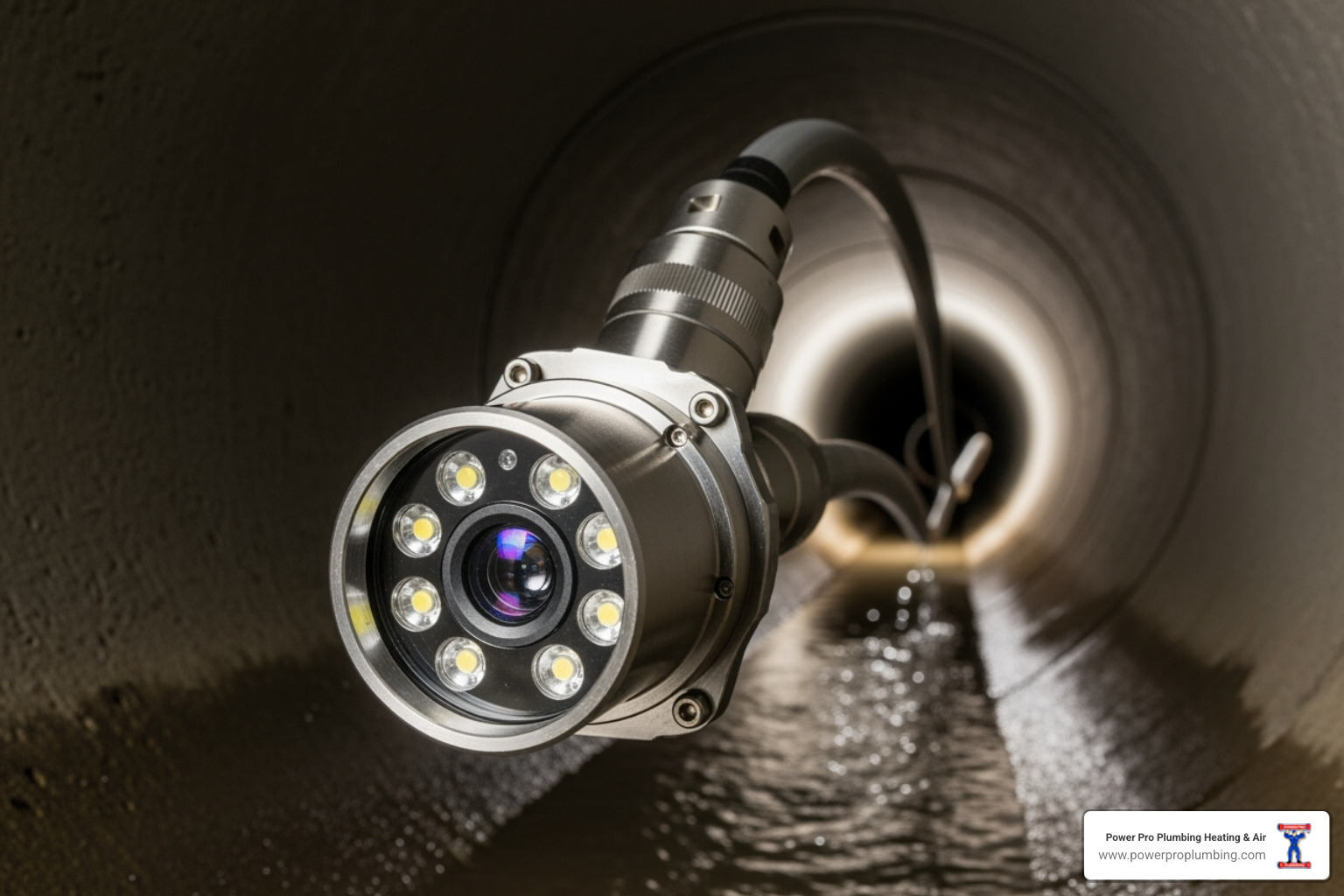
In the world of plumbing and drainage maintenance, guesswork is no longer acceptable. When pipes run underground or behind walls, identifying blockages, cracks, or root intrusions requires more than intuition. Professional plumbers and property owners alike have discovered that sending a specialized camera into sewer lines delivers precise answers without invasive digging or costly trial-and-error repairs.
Visual pipe inspection has revolutionized how we approach plumbing diagnostics. Rather than excavating entire yards to locate a single problem area, technicians can now pinpoint issues with remarkable accuracy, saving both time and money while protecting landscaping and property structures.
What Exactly is a Sewer Inspection Camera?
A sewer inspection camera is a specialized diagnostic tool consisting of a waterproof camera head attached to a flexible push rod. This equipment allows operators to navigate through pipes of varying diameters, transmitting real-time video footage to an above-ground monitor. The camera captures detailed imagery of pipe interiors, revealing conditions that would otherwise remain invisible.
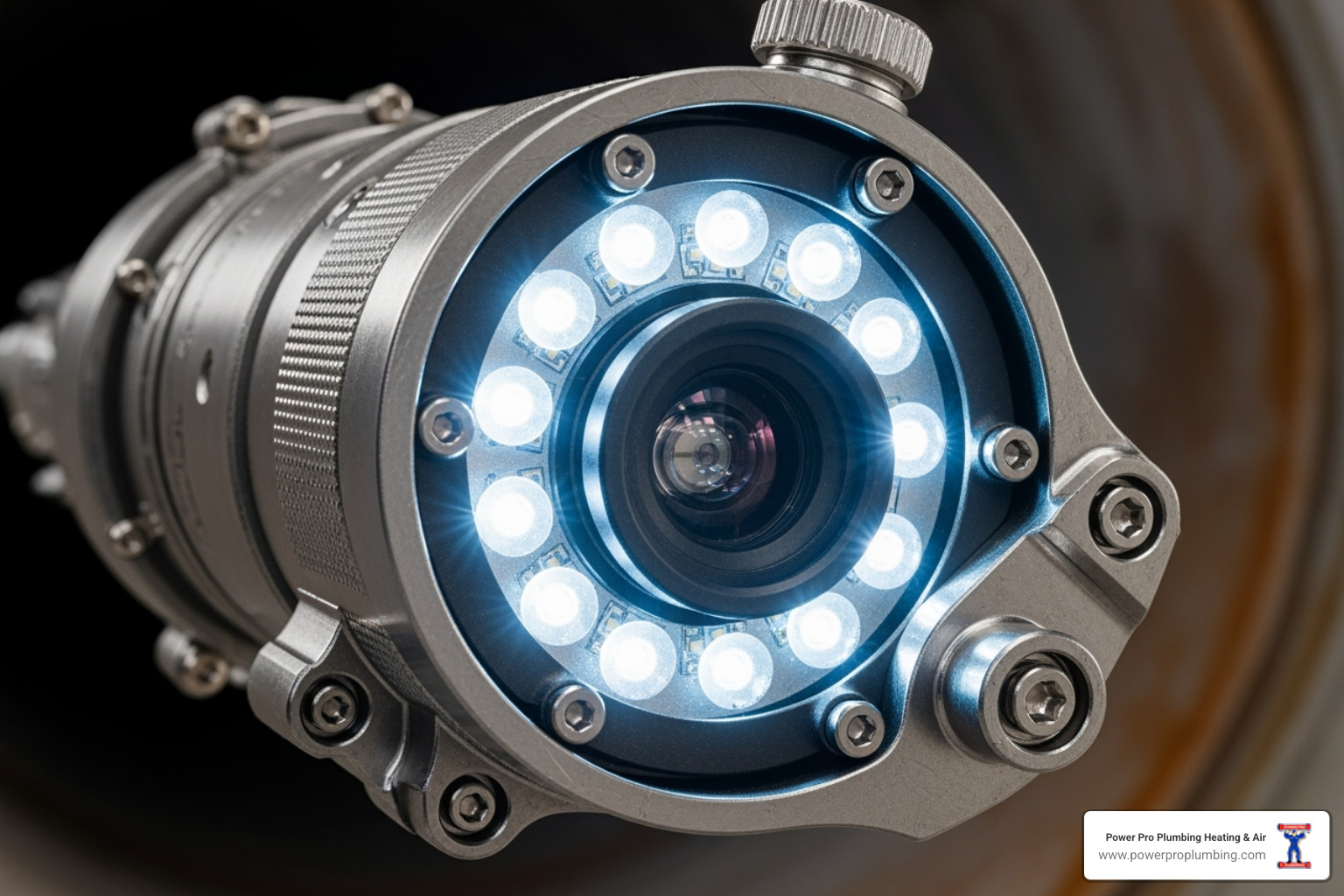
These systems typically include high-intensity LED lighting built into the camera head, ensuring clear visibility even in the darkest pipe environments. Modern units often incorporate recording capabilities, enabling documentation of findings for client reports or insurance claims.
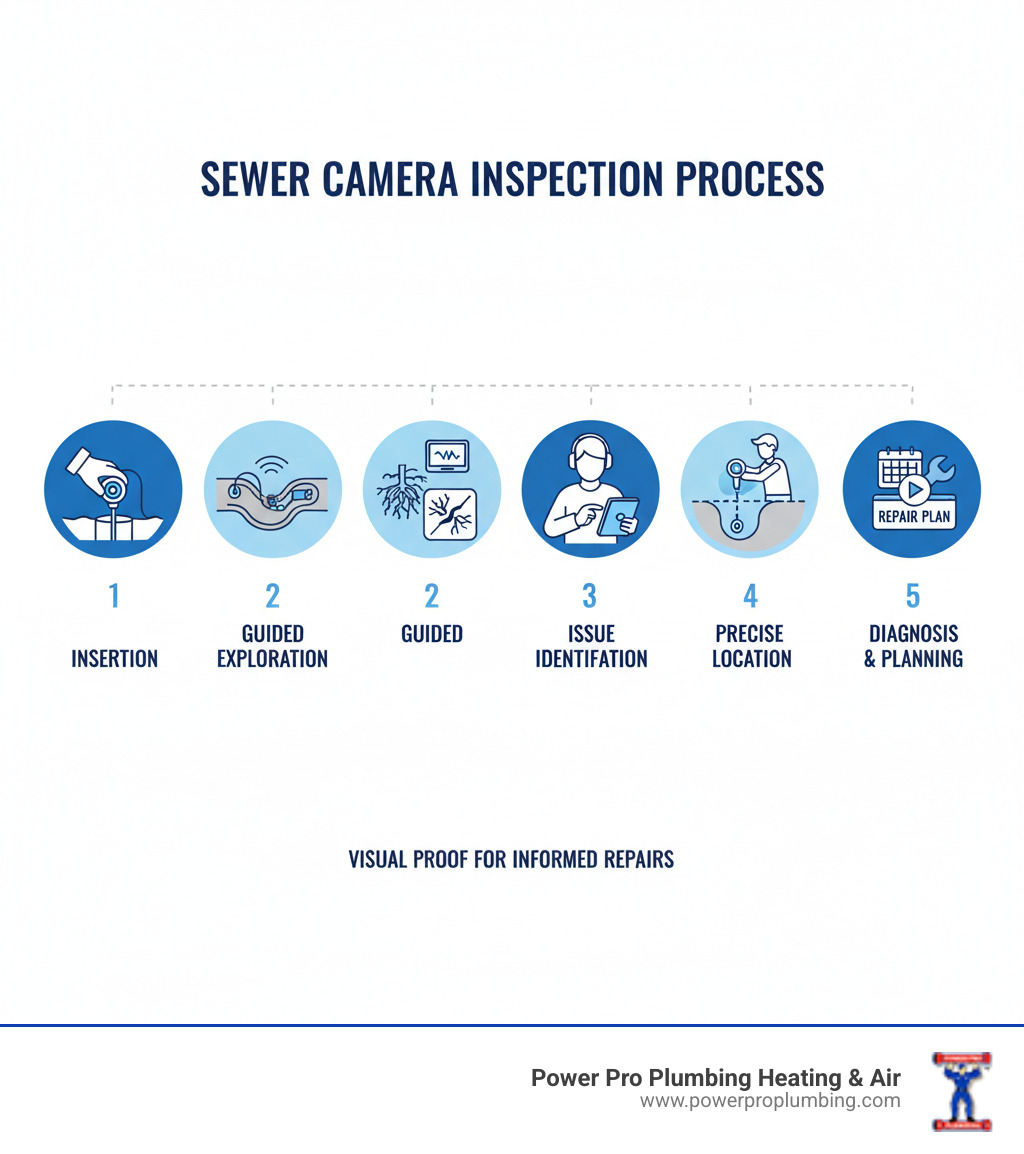
The Sewer Camera Inspection Process
Access Point Location
Camera Insertion
Line Navigation
Issue Identification
Documentation
How Sewer Cameras Uncover Hidden Plumbing Problems
Identifying drainage issues presents unique challenges because the entire infrastructure lies beneath the surface. A sewer camera eliminates the mystery by providing direct visual access to pipe interiors. Whether dealing with slow drains, recurring backups, or suspected line damage, the camera reveals the true source of the problem.
Common issues detected through camera inspection include tree root infiltration, pipe corrosion and deterioration, grease accumulation, foreign object blockages, joint separations, and bellied pipe sections where settling has occurred. Each condition requires a different remediation approach, making accurate diagnosis essential for effective repairs.
For property buyers, pre-purchase sewer inspections have become increasingly standard practice. Discovering a compromised sewer line before closing can save thousands in unexpected repair costs or provide leverage for price negotiations.
Essential Features in a Quality Sewer Inspection System
Image Quality, Monitor Size, and Illumination
The camera head determines diagnostic capability. Higher resolution sensors capture finer details like hairline cracks or early-stage corrosion. The monitor should be large enough for clear viewing in outdoor conditions with anti-glare properties. Built-in LED arrays must provide sufficient brightness to illuminate pipe walls without creating hot spots or reflections that obscure important details.
Self-Leveling Camera Technology
Premium inspection cameras incorporate self-leveling mechanisms that automatically maintain an upright image orientation regardless of how the camera head rotates within the pipe. This feature dramatically improves viewer comfort and interpretation accuracy. Without self-leveling, operators must mentally reorient constantly changing perspectives, increasing fatigue and the risk of missing critical defects.
Transmitter and Locator Functionality
Finding a problem is only half the battle—knowing exactly where that problem exists underground completes the picture. A built-in transmitter (also called a sonde) emits a signal from the camera head that can be detected at the surface using a compatible locator. This allows technicians to mark precise dig locations, minimizing excavation area and reducing repair costs substantially.
Push Rod Length and Flexibility
The push rod connects the camera to the control unit and determines how far into the system you can inspect. Residential applications typically require 100 to 200 feet of reach, while commercial or municipal work may demand 300 feet or more. Rod flexibility must balance between being rigid enough to push through resistance and flexible enough to navigate bends without kinking or damaging the cable.
Selecting the Right Sewer Camera for Your Requirements
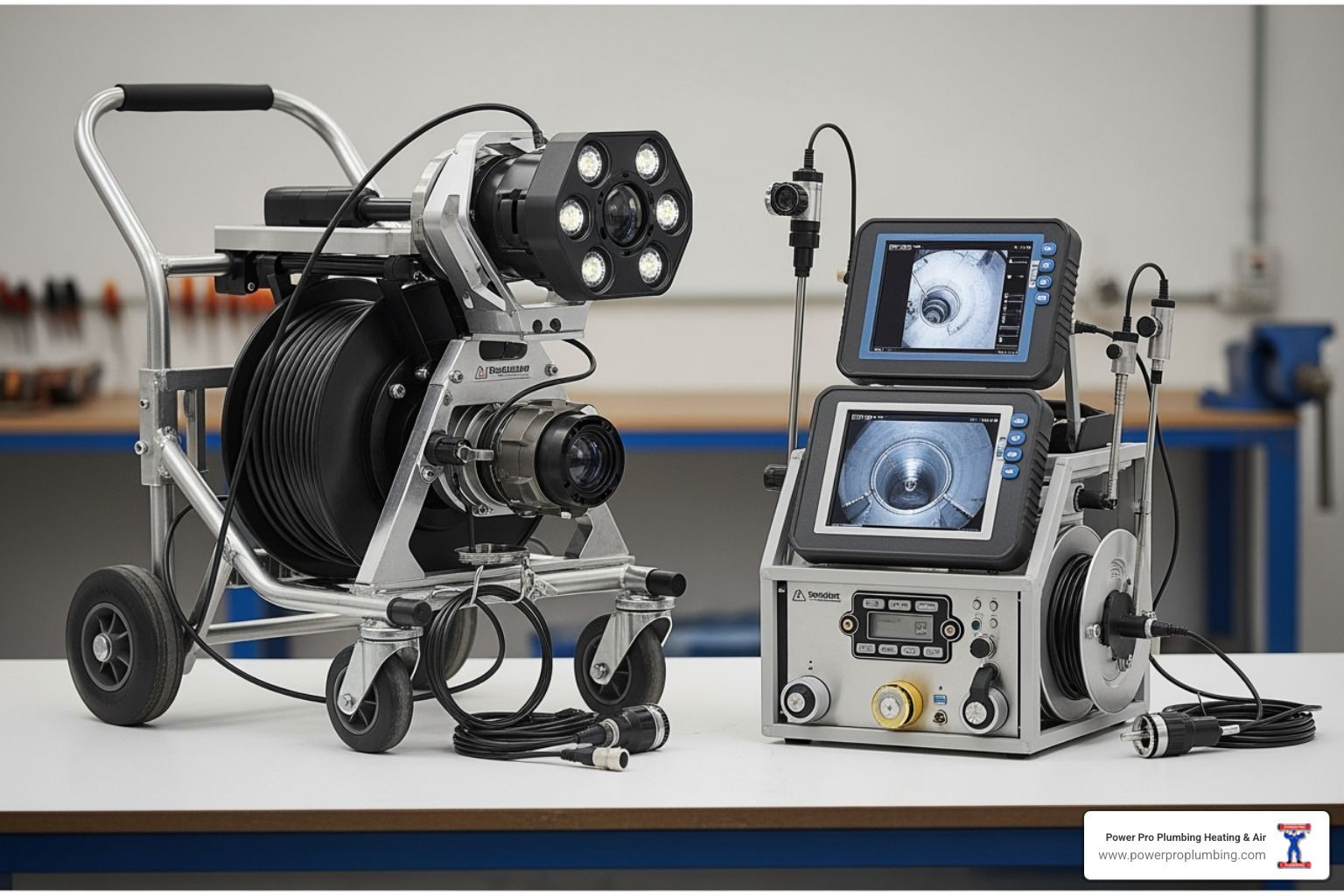
Not every inspection job demands the same equipment specifications. Understanding your typical application scope helps determine the appropriate investment level and feature set.
Compact Systems for Property Owners and DIY Users
Homeowners dealing with occasional drain issues benefit from portable, user-friendly units. These systems typically feature smaller camera heads suited to 2-4 inch residential drain lines, moderate push rod lengths around 50-100 feet, and simplified controls. While lacking some professional features, they provide excellent value for periodic maintenance inspections and basic troubleshooting.
Professional-Grade Systems for Extensive Applications
Plumbing contractors and municipal workers require robust equipment built for daily use across diverse conditions. Professional systems offer larger camera heads for main sewer lines (4-12 inches), extended push rod lengths exceeding 200 feet, self-leveling capability, integrated transmitters, recording functions with USB or SD storage, and rugged construction designed to withstand field conditions. The higher investment pays dividends through reliability, comprehensive diagnostics, and professional documentation capabilities.
Featured Professional Inspection Camera
Equip yourself with industry-leading diagnostic capability
Hathorn H7 Camera 200-Ft Push RodFrequently Asked Questions About Sewer Cameras
How do you operate a sewer inspection camera?
Operation begins by accessing the pipe through a cleanout, drain opening, or removed toilet. The camera head is inserted and gradually pushed through the line while monitoring the display. The operator advances the push rod steadily, pausing to examine areas of concern. Most units include footage counters to track position within the line. Recording functions capture documentation as needed.
Can a sewer camera navigate through a toilet?
While technically possible with some smaller camera heads, inspecting through a toilet is not recommended standard practice. The toilet's internal trap creates a difficult passage that risks damaging equipment. Professional technicians typically remove the toilet to access the floor flange directly, providing a straight path into the drain line and protecting both the camera and the fixture.
Is camera inspection always necessary for sewer problems?
Not every plumbing issue requires camera inspection. Simple clogs near accessible drains often resolve with basic clearing methods. However, camera inspection becomes invaluable for recurring problems, suspected line damage, pre-purchase property evaluations, post-repair verification, and any situation where the problem source remains unclear after initial troubleshooting. The diagnostic accuracy typically justifies the investment by preventing unnecessary repairs.
Gain Complete Visibility Into Your Plumbing Infrastructure
A quality sewer inspection camera transforms plumbing diagnostics from guesswork into precision. Whether you manage properties, operate a plumbing business, or simply want to maintain your home's drainage system proactively, camera inspection technology provides the clarity needed to make informed decisions.
Understanding pipe conditions before they escalate into emergencies saves money, prevents property damage, and delivers peace of mind. Invest in the right inspection equipment and take control of your plumbing infrastructure's health.