
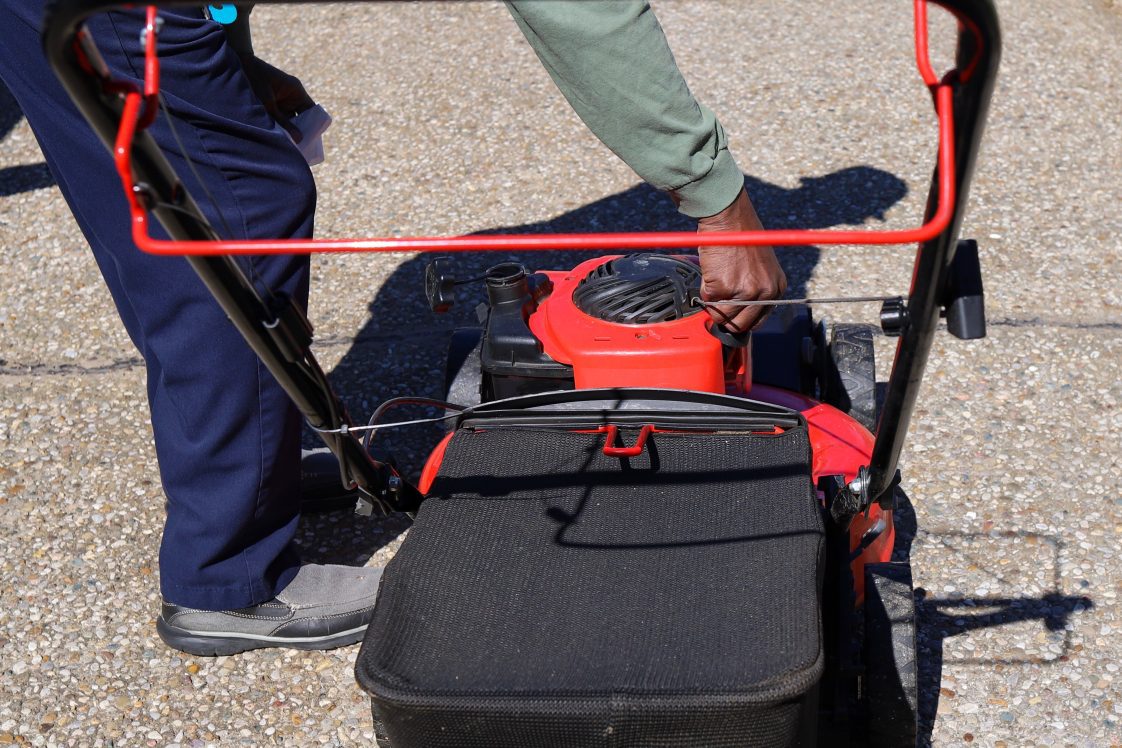
Lawn mowers serve as indispensable equipment for homeowners and professional landscapers alike. Regardless of whether you tend to acres of property or maintain a modest suburban lawn, consistent maintenance practices are crucial for optimal performance and extended equipment longevity.
Every mower eventually reaches the end of its service life, but implementing these ten maintenance procedures will significantly delay that day while helping you avoid costly repair bills down the road.
Stabilize Your Fuel
Fuel that remains stagnant in your mower's tank can wreak havoc on the carburetor system. While regular operation during mowing season naturally prevents this issue, periods of inactivity exceeding thirty days require intervention.
A quality fuel stabilizer—available at most lawn and garden retailers for under ten dollars—is essential when preparing your equipment for off-season storage. Neglecting this step often results in expensive professional carburetor cleaning come springtime. Always adhere to the manufacturer's recommended dosage instructions and consult your owner's manual for specific guidance.
Perform Regular Oil Changes
Fresh oil is the lifeblood of your mower's engine. The internal components generate substantial friction during operation, producing heat that gradually degrades the oil and causes accelerated wear on moving parts.
When adding oil, fill precisely to the dipstick's designated mark—overfilling is equally detrimental as underfilling. Premium-grade oil enhances engine performance, lubrication efficiency, and fuel economy. Reference your equipment manual for recommended oil change intervals specific to your model.
Maintain Battery Health
A properly charged battery directly impacts your equipment's overall efficiency. Your mower relies on adequate voltage to power essential components including lighting systems, sensors, blade engagement mechanisms, starter motors, and ignition coils. Periodic battery inspection and charging ensures reliable starts every time.
Keep the Deck Clean
The underside of your mower deck accumulates grass clippings that trap moisture and promote rust formation. After each use, thoroughly rinse the deck and dry it completely. For stubborn buildup on hard-to-reach surfaces, a stiff-bristled brush works wonders. Many professionals apply silicone spray treatments to create a protective barrier against future accumulation.
Replace Spark Plugs
Spark plugs are fundamental to proper fuel combustion—without adequate electrical spark, your engine simply won't fire. Standard replacement intervals fall around every 100 operating hours, though rough engine performance often indicates earlier replacement is needed. Spark plugs typically cost between five and ten dollars depending on your equipment specifications, making this an affordable yet critical maintenance item.
Sharpen the Blades
Cutting blades are the workhorses of grass maintenance. Dull blades force the motor to work harder while producing ragged cuts that tear grass tips rather than slicing them cleanly. This results in unsightly white-tipped grass that takes days to recover its healthy appearance.
Properties with fast-growing turf require more frequent sharpening. Smart owners keep a spare blade set on hand—replacement blades typically run around thirty dollars. Always use manufacturer-recommended blades designed for your specific mower model.
Pro Tip:
Balanced blades are just as important as sharp ones. Unbalanced blades create vibrations that accelerate wear on bearings and other engine components.
Inspect the Air Filter
Your engine requires optimal air-to-fuel ratios for efficient combustion. During operation, the air filter captures dust particles and grass debris before they enter the engine. Periodically clean your filter with mild detergent, or replace it entirely when cleaning no longer restores adequate airflow. Air filters generally cost under ten dollars, and your service manual outlines recommended maintenance intervals.
Service the Fuel Filter
Clean fuel delivery is essential for smooth engine operation. The fuel filter removes particulates from gasoline before they reach sensitive engine components. Larger equipment typically includes dedicated fuel filters, while smaller mowers utilize fuel bulb primers that serve a similar function. Regular inspection and replacement according to your service manual ensures consistent fuel delivery.
Monitor Tire Pressure
Proper tire inflation directly affects cutting quality. Uneven tire pressure causes the deck to tilt, resulting in an inconsistent cut height across your lawn. Beyond aesthetics, underinflated tires create unnecessary friction that strains the engine and transmission. Make tire pressure checks a regular part of your pre-mowing routine.
Examine the Drive Belts
Drive belts transfer power from the engine to the cutting system and wheels. Inspect belts regularly for cracks, fraying, or worn spots that could lead to sudden failure. Compromised belts reduce cutting power and may prevent your mower from tackling inclines effectively. Belts also connect to the blade pulleys, so deterioration directly impacts cutting performance.
Commit to Consistent Care
Following your manufacturer's service guidelines alongside these ten essential maintenance steps will keep your lawn mower performing reliably season after season. A well-maintained mower delivers superior cutting results, operates more efficiently, and serves you faithfully for years to come.
Featured Equipment
Ready to Upgrade Your Mowing Game?
Experience professional-grade performance with commercial-quality equipment built to last.
Bradley 36" Walk Behind Mower