
A Complete Walkthrough for Homeowners Ready to Harness the Sun
Going solar isn't just about saving money on electricity bills—it's about taking control of your energy future and reducing your carbon footprint. With rising utility costs and growing environmental concerns, more homeowners are turning to DIY solar installations as a practical and rewarding solution.
The beauty of building your own solar system lies in the flexibility and cost savings. While professional installations can run tens of thousands of dollars, a well-planned DIY approach can cut those costs dramatically while giving you complete understanding and control over your home's energy infrastructure.
Can I Actually Build a Solar System Myself?
Absolutely. If you're comfortable working with basic electrical systems and have a reasonable understanding of hand tools, building your own solar array is entirely within reach. Thousands of homeowners successfully complete DIY solar installations every year, and with the right guidance and preparation, you can join their ranks.
That said, it's crucial to be realistic about your skill level. Solar installation requires working at heights, understanding electrical wiring principles, making weatherproof connections, and navigating local building codes. You'll need to be comfortable on your roof, able to safely lift and position panels, and willing to learn about DC and AC electrical systems.
The good news? Modern solar equipment has become incredibly user-friendly. Pre-wired components, plug-and-play connections, and comprehensive instruction manuals have simplified the process considerably. What once required specialized knowledge is now accessible to anyone willing to invest the time to learn the fundamentals.
Before you commit to the project, honestly assess your comfort level with electrical work, your ability to work safely at heights, and your willingness to navigate permit requirements. If you're confident in these areas, DIY solar can be an incredibly rewarding project that pays dividends for decades to come.
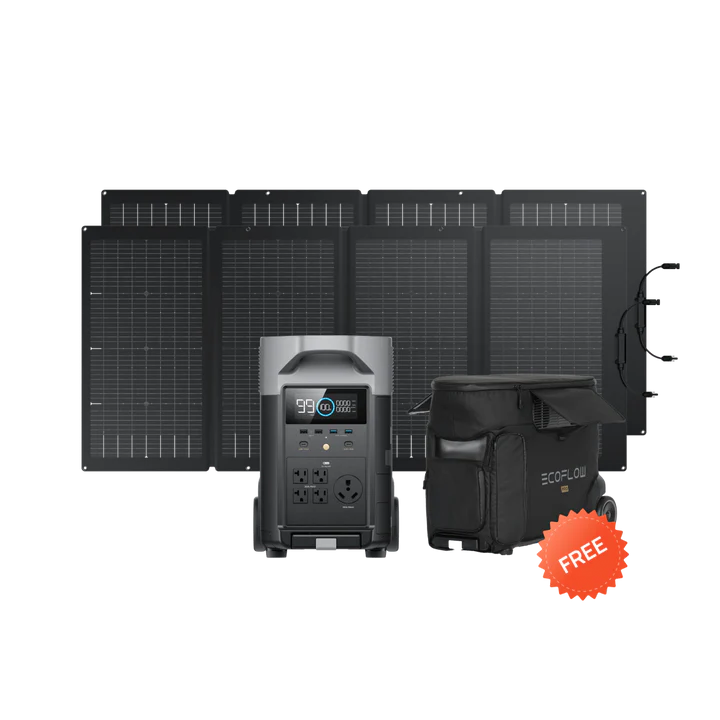
Your Complete DIY Solar Installation Roadmap
1. Evaluate Your Home's Solar Capabilities
Start by carefully examining your property's solar potential. Walk around your home at different times of day, noting where shadows fall and how sunlight moves across your roof. Southern-facing surfaces in the Northern Hemisphere typically receive optimal sun exposure, though east and west-facing installations can also be highly productive.
Consider any obstructions that might cast shadows on your panels—trees, chimneys, neighboring buildings, or other structures. Even partial shading can significantly reduce system efficiency. If trees are the issue, you may need to trim branches or explore alternative mounting locations like ground mounts or dedicated solar structures in your yard.
Inspect your roof's condition thoroughly. If your shingles are nearing the end of their lifespan, address that first—you don't want to install solar panels only to remove them in a few years for roof replacement. Your roof should be structurally sound and capable of supporting the additional weight of solar panels, which typically add 3-4 pounds per square foot.
Measure your available roof space carefully. Most residential solar panels measure approximately 65 by 39 inches and require proper spacing for airflow and maintenance access. Calculate how many panels you can realistically fit while maintaining safe working clearances from roof edges and penetrations.
2. Calculate Your Energy Requirements
Review your electricity bills from the past twelve months to understand your consumption patterns. Look for your kilowatt-hour usage—this tells you exactly how much energy you need to generate. Most homes use between 800 and 1,200 kilowatt-hours monthly, but your specific usage will dictate your system size.
Consider seasonal variations in your energy use. Summer air conditioning and winter heating can create significant spikes in consumption. If you're planning to add electric vehicles or major appliances in the near future, factor those anticipated increases into your calculations to avoid undersizing your system.
Decide whether you want to offset all your electricity use or just a portion. A complete offset requires a larger initial investment but maximizes long-term savings. Many homeowners start with a partial system covering 60-80% of their needs, leaving room for future expansion while managing upfront costs.
3. Select Your System Components
Choosing the right components is critical to your system's performance and longevity. Solar panels themselves come in several varieties—monocrystalline, polycrystalline, and thin-film—each with distinct advantages. Monocrystalline panels offer the highest efficiency and work well in limited space, while polycrystalline panels provide good value for money when roof space isn't a constraint.
Your inverter is equally important, converting the DC electricity your panels generate into AC power your home uses. String inverters are cost-effective for straightforward installations, while microinverters attached to each panel offer better performance in partially shaded conditions and easier troubleshooting.
Don't overlook mounting hardware quality. Your racking system must withstand decades of weather exposure, including high winds, snow loads, and temperature extremes. Invest in corrosion-resistant materials with proven track records—this isn't the place to cut corners, as failures here can damage both panels and your roof.
If you're incorporating battery storage, research systems compatible with your panels and inverter. Battery technology has advanced rapidly, with lithium-ion systems offering excellent performance and longevity. Size your battery bank based on how much backup power you want during outages or for evening use.
Essential Component Checklist:
- Solar panels with appropriate wattage ratings
- Inverter system (string or micro-inverters)
- Weather-resistant mounting rails and brackets
- Waterproof electrical connectors and junction boxes
- Properly rated electrical wiring and conduit
- Grounding equipment and surge protection
- Monitoring system for performance tracking
- Optional battery storage for backup power
4. Navigate Permits and Regulations
Before purchasing any equipment, contact your local building department to understand permit requirements. Most jurisdictions require permits for solar installations, and inspections are typically mandatory before you can connect to the grid. This process protects you by ensuring your system meets safety standards and building codes.
Reach out to your utility company early in the planning process. They'll need to approve your interconnection and may have specific requirements for equipment and installation methods. Some utilities offer net metering programs that credit you for excess power you generate—understanding these programs helps you maximize your investment's value.
Check for homeowner association restrictions if applicable. Some HOAs have rules about visible solar installations, though many states now have "solar access" laws limiting HOA authority to deny reasonable solar projects. Address these issues before making significant purchases.
Research available incentives, tax credits, and rebates at federal, state, and local levels. The federal solar tax credit currently allows you to deduct a significant percentage of your system cost from your taxes. Many states and utilities offer additional incentives that can substantially reduce your net investment.
5. Design Your Mounting Configuration
Create a detailed layout showing exactly where each panel will be positioned and how they'll be oriented. The goal is to maximize sun exposure while maintaining structural integrity and adhering to safety clearances. Use your roof measurements and panel dimensions to create a scale diagram.
Plan your mounting rail placement to align with roof rafters whenever possible. This ensures solid attachment points that can bear the weight and withstand wind uplift forces. Use a stud finder from inside your attic to locate rafters precisely, marking their positions on your diagram.
Consider the optimal tilt angle for your latitude. While mounting flush to your roof is simplest, tilted mounting systems can increase energy production, especially on roofs with suboptimal pitch angles. Weigh the added complexity and cost against potential energy gains.
Plan your wire routing from panels to inverter and from inverter to your electrical panel. Keep runs as short as possible to minimize voltage drop and material costs. Ensure your plan includes proper conduit protection for all exterior wiring and complies with electrical codes.
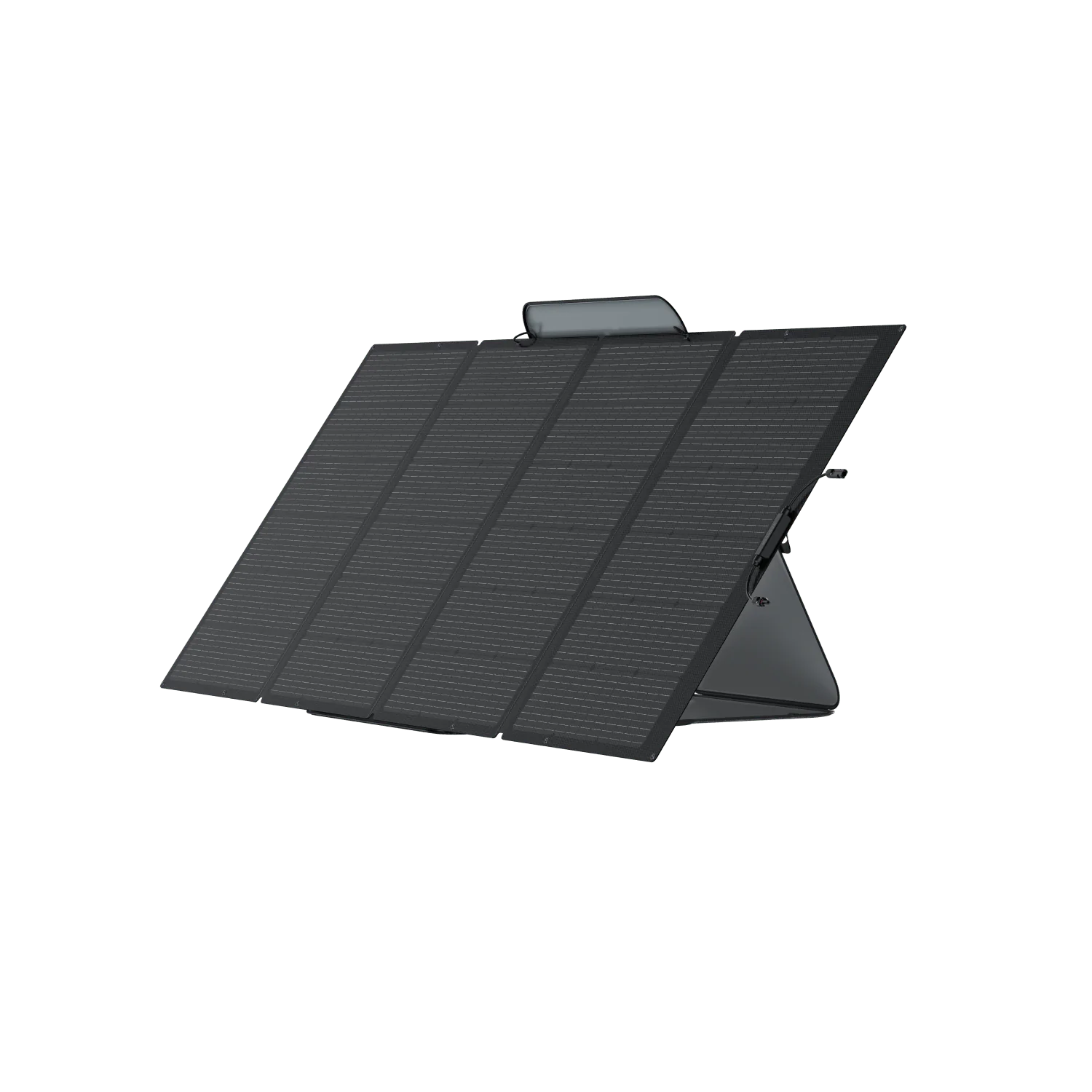
6. Install the Mounting Framework
Begin installation on a calm, dry day with good weather forecasted. Safety is paramount when working on roofs—use proper fall protection equipment, work with a partner, and never rush. Set up staging areas for tools and materials to minimize trips up and down ladders.
Start by installing roof anchors or standoffs at marked rafter locations. These create attachment points for your mounting rails while keeping them elevated above the roof surface for water drainage. Apply generous amounts of roofing sealant around each penetration to ensure waterproof integrity.
Attach mounting rails to the standoffs, ensuring they're level and properly aligned. Most systems use adjustable hardware that allows you to fine-tune alignment. Take your time here—properly positioned rails make panel installation much easier and ensure optimal appearance.
Double-check all connections and torque specifications before proceeding. Loose hardware can lead to rattling, accelerated wear, and potential failure in high winds. Install any necessary grounding attachments to your mounting system as required by electrical code.
7. Mount and Wire the Solar Panels
Carefully transport panels to the roof one at a time or use a pulley system for safer material handling. Panels are fragile despite their sturdy appearance—avoid dragging them or placing weight on their surface. Position each panel onto the mounting rails according to your layout plan.
Secure panels using the provided clamps or clips, following manufacturer torque specifications. Panels should be snug but not overtightened, which could cause stress fractures. Leave small gaps between panels for thermal expansion and to facilitate water drainage.
Connect panels electrically according to your system design—series, parallel, or a combination. Series connections increase voltage while parallel connections increase amperage. Most residential systems use series strings connected to a central inverter or individual microinverters attached to each panel.
Test each connection with a multimeter as you work to catch any issues immediately. Ensure all connections are tight and properly seated—loose connections create resistance, generate heat, and reduce efficiency. Install any necessary wire management clips to keep cables organized and protected from weather exposure.
8. Install Your Inverter System
Choose an installation location for your inverter that's protected from direct weather exposure but allows adequate ventilation for cooling. Garages, covered exterior walls, and utility rooms work well. Ensure the location is accessible for monitoring and maintenance but secure from tampering.
Mount the inverter securely to a solid surface following manufacturer instructions. Most inverters require specific clearances around them for airflow and service access. Plan your mounting location to minimize the distance from your panels and your main electrical panel.
Run conduit from your rooftop panels to the inverter location, protecting wires from UV exposure and physical damage. Use appropriate wire gauges for your system voltage and amperage to prevent voltage drop and overheating. All exterior conduit runs should be weatherproof and meet local electrical codes.
Connect your array's DC output to the inverter input terminals, paying careful attention to polarity. Then connect the inverter's AC output to a dedicated circuit breaker in your main electrical panel. Install any required disconnect switches and surge protection devices as specified by code and manufacturer requirements.
9. Connect to Your Home's Electrical System
This is the most critical electrical work and where many DIYers choose to hire a licensed electrician. The connection from your inverter to your main panel must meet all electrical codes and safety standards. If you're confident in your electrical skills and your local jurisdiction allows homeowner electrical work, proceed carefully with proper safety precautions.
Install a dedicated circuit breaker for your solar system in your main electrical panel. This breaker must be appropriately sized for your system's maximum output current. In some cases, you may need to upgrade your main panel if there's insufficient space or capacity for the additional circuit.
Ensure all grounding connections are properly made throughout your system. The solar array, mounting system, inverter, and electrical panel must all be bonded to your home's grounding system. Proper grounding protects against lightning strikes and electrical faults.
Label all components clearly, including circuit breakers, disconnect switches, and junction boxes. This helps inspectors, future maintenance personnel, and emergency responders understand your system quickly. Keep detailed documentation of your installation, including photos and wiring diagrams.
10. Schedule Inspections and Testing
Contact your building department to schedule required inspections once installation is complete. Inspectors will verify that your work meets building and electrical codes. Be present during inspections so you can learn from any feedback and address any concerns immediately.
Before connecting your system to the grid, work with your utility company to install a bi-directional meter if required. This meter tracks both electricity you consume and excess power you export back to the grid. The utility will inspect your installation to ensure it meets their interconnection requirements.
Perform comprehensive system testing before regular operation begins. Measure voltage and current at various points to verify everything is functioning correctly. Check that your monitoring system is properly tracking production and that all safety features like rapid shutdown and ground fault protection are working.
Once you receive approval from inspectors and your utility, you can energize your system and begin generating clean, renewable electricity. Monitor performance closely during the first few weeks to ensure everything operates as expected and address any issues promptly.
11. Integrate System Monitoring and Optimization
Install and configure your system's monitoring software or app. Most modern inverters and optimizers include comprehensive monitoring that shows real-time production, historical data, and alerts for any issues. This visibility helps you understand your system's performance and quickly identify problems.
Establish baseline performance expectations based on your location, system size, and seasonal variations. Understanding what's normal for your system helps you recognize when something isn't working properly. Most monitoring systems can send alerts if production drops below expected levels.
Track your utility bills to verify you're receiving proper credits for excess generation and seeing expected savings. Some utilities have online portals showing detailed energy usage and net metering data. Compare this information with your solar production data to ensure everything aligns.
Consider setting up automated alerts for system issues and regular performance reports. Many monitoring systems can notify you immediately if production stops or drops significantly, allowing you to address problems quickly and minimize lost generation.
Complement Your Solar Setup
Looking to maximize your renewable energy system? Consider adding solar water heating to reduce energy costs even further while leveraging the same abundant solar resource.
Solar Water Heater KitCritical Factors Before Starting Your Solar Project
Technical Expertise
Be honest about your skill level with electrical systems and roofing work. While DIY solar is achievable for many homeowners, it requires working with high-voltage DC electricity, navigating building codes, and performing work at significant heights. If any of these areas make you uncomfortable, consider hiring professionals for those specific portions.
Local Building Codes
Every jurisdiction has specific requirements for solar installations. Some areas require licensed electricians to make final connections, while others allow homeowner installations with proper permits. Research your local regulations thoroughly before beginning, and factor any required professional help into your budget and timeline.
Roof Condition and Structural Integrity
Installing solar panels on a roof nearing the end of its life is false economy. You'll face the expensive prospect of removing panels, replacing the roof, and reinstalling everything. If your roof has more than a few years of life remaining, solar installation makes sense. Otherwise, prioritize roof replacement first.
Shading and Sun Exposure
Even small amounts of shading can dramatically reduce solar panel efficiency. Trees that cast shadows only during winter mornings might seem insignificant but can cut production by surprising amounts. Carefully evaluate your site throughout different seasons and times of day before committing to panel placement.
System Longevity and Warranties
Quality solar equipment should last 25-30 years or more. Purchase components with strong warranties and proven track records. Saving money on cheap equipment often backfires when panels degrade prematurely or inverters fail after just a few years. This is a multi-decade investment—choose components accordingly.
Is DIY Solar Right for Your Situation?
DIY solar installation can save you thousands of dollars compared to professional installation, often reducing total costs by 40-50%. For a system that might cost $25,000 professionally installed, you could potentially complete it for $12,000-15,000 by doing the work yourself. These savings represent real money that could expand your system size or go toward battery storage.
Beyond financial savings, DIY installation gives you intimate knowledge of your system. You'll understand exactly how it's configured, making troubleshooting easier and routine maintenance simpler. This knowledge empowers you to optimize performance and handle minor issues without calling expensive service providers.
However, professional installers bring significant value. They have experience with local permitting processes, relationships with inspectors, and expertise handling unexpected complications. Their work typically comes with warranties covering both labor and system performance. If problems arise during installation, they absorb the cost and hassle of fixing them.
Consider a hybrid approach if you're uncertain. Many homeowners successfully handle mounting and mechanical installation while hiring electricians for the electrical connections and utility interconnection. This preserves significant cost savings while ensuring critical electrical work meets professional standards.
Ultimately, your decision should balance your comfort level with the required skills, the time you can invest, potential cost savings, and your willingness to navigate the learning curve. For confident, hands-on homeowners with good research skills and attention to detail, DIY solar can be an incredibly rewarding project that delivers decades of clean energy and substantial savings.
Your Solar Journey Starts Here
Building your own solar power system represents one of the most impactful home improvements you can undertake. It reduces your carbon footprint, increases energy independence, and provides financial returns that compound over decades. The technology has matured to the point where motivated homeowners can successfully complete installations that rival professional work in quality and performance.
Take your time planning and researching before buying equipment or breaking ground. Join online forums and solar communities where experienced DIYers share knowledge and troubleshoot problems. Watch installation videos, read technical documentation, and don't hesitate to consult with professionals when questions arise. The solar community is remarkably helpful, and most people who've completed their own installations are eager to help others succeed.
Remember that perfection isn't required—good enough really is good enough for most aspects of your installation. Focus on getting the critical elements right: proper electrical connections, waterproof roof penetrations, and structural integrity. Aesthetic details like perfect wire routing or precise panel alignment matter less than functionality and safety.
The sun delivers more energy to Earth in one hour than humanity consumes in an entire year. By capturing even a small fraction of this abundant resource, you're taking control of your energy future while contributing to a cleaner, more sustainable world. Whether you complete the entire installation yourself or take a hybrid approach with professional help for specific tasks, you'll gain knowledge, skills, and independence that pay dividends long after your system begins generating power. Start planning today, and soon you'll be producing clean energy from your own rooftop solar array.
Ready to harness the power of the sun? Your journey to energy independence begins with a single step.