
Transform your backyard into a basketball haven with proper installation techniques and ongoing maintenance strategies
Installing a residential basketball system represents an exciting investment in your family's active lifestyle and outdoor entertainment. Whether you're nurturing future athletes or simply creating opportunities for recreational fun, understanding proper setup procedures and maintenance protocols ensures your system delivers years of reliable performance. This comprehensive resource walks you through every critical aspect of installation and upkeep, helping you maximize your investment while maintaining optimal safety standards.
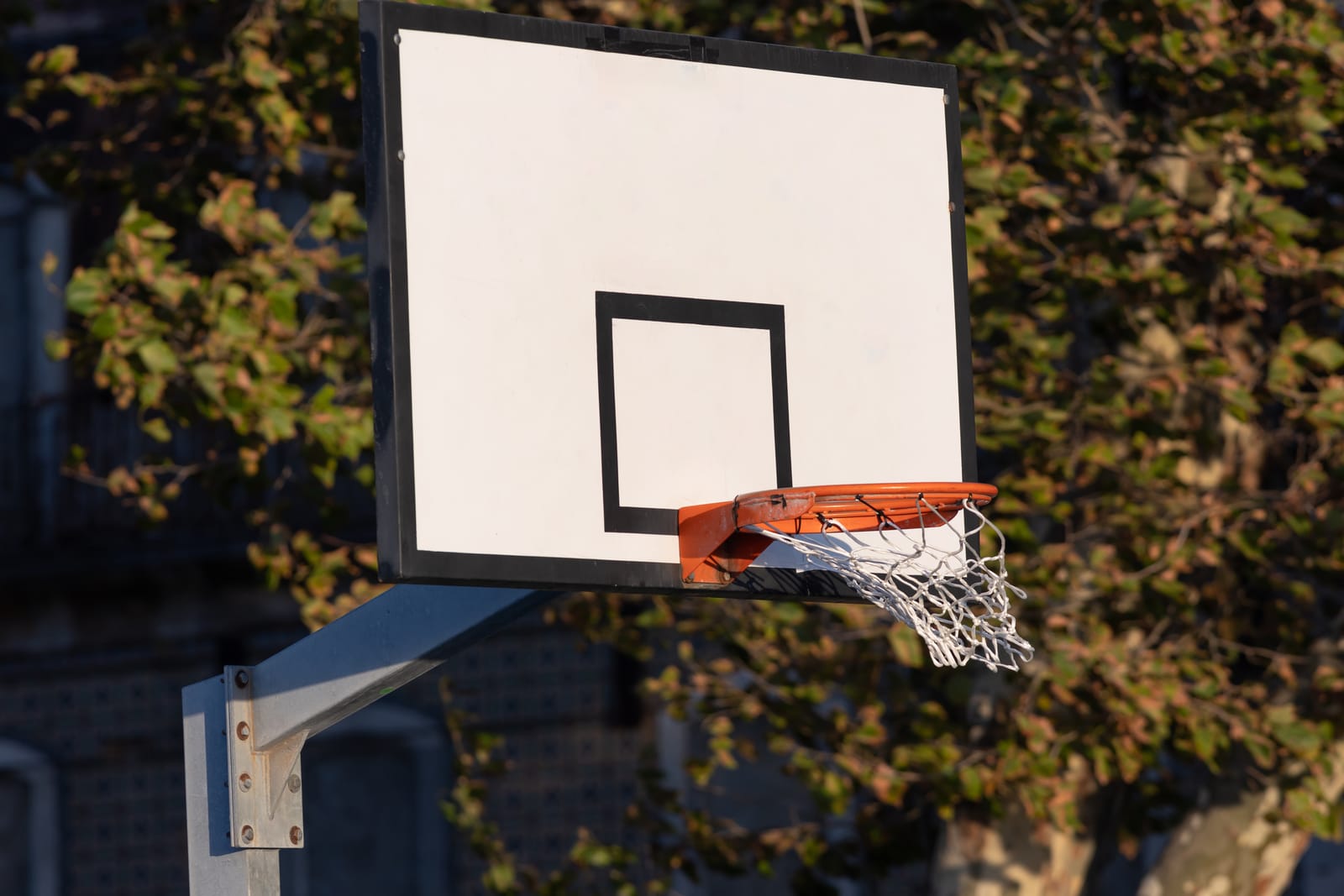
Complete In-Ground Basketball System Installation Guide
Establishing a permanent in-ground basketball system demands meticulous planning and precise execution. The foundation determines everything—a properly anchored system withstands weather extremes, vigorous play, and years of use without compromising stability or safety.
Strategic Location Selection
Choosing your installation site requires balancing multiple practical considerations. Survey potential locations with attention to playing surface levelness, overhead clearances from trees and power lines, and adequate space extending beyond the court perimeter. Consider sun positioning throughout the day—afternoon glare can significantly impact playability. Verify underground utility locations before any excavation begins, and evaluate drainage patterns to prevent water accumulation around your system's foundation.
Foundation Excavation and Concrete Work
The foundation serves as the critical anchor for your entire basketball system. Excavate a hole measuring minimally 48 inches deep, with diameter specifications matching your pole size—typically 30 inches for standard residential systems. This depth extends below the frost line in most climates, preventing seasonal ground movement from destabilizing your installation. Mix concrete according to manufacturer specifications, ensuring proper consistency for maximum strength. Position the pole perfectly vertical using temporary bracing and levels checked from multiple angles. Allow the concrete a full 72 hours minimum to cure before subjecting the system to any stress or attempting to attach the backboard assembly.
System Assembly Protocol
Following concrete curing, systematic assembly prevents complications and ensures structural integrity. Attach the extension arm to your pole using all provided hardware, tightening bolts to specified torque values. Mount the backboard to the extension arm, verifying all connections achieve proper tightness without overtightening that might crack composite materials. Install the rim assembly last, confirming it sits at regulation 10-foot height for standard play. Double-check every bolt, bracket, and connection point before declaring the installation complete. Consider enlisting assistance for backboard mounting—these components prove unwieldy and awkward for solo handling.
Upgrade Your Basketball System
Enhance your setup with professional-grade adjustment systems designed for durability and ease of use.
Jaypro Little Champ AdapterMaintenance Protocols for Outdoor Basketball Systems
Consistent maintenance preserves your basketball system's condition and extends its functional lifespan significantly. Outdoor systems face constant environmental exposure—sun, rain, temperature fluctuations, and seasonal weather patterns all contribute to gradual wear. Implementing regular care routines prevents minor issues from escalating into expensive repairs or premature replacement needs.
Routine Cleaning and Inspection
Backboard surfaces accumulate dirt, pollen, and environmental debris that diminish ball rebound quality and visibility. Clean your backboard monthly using mild soap solutions and soft cloths—avoid abrasive cleaners that scratch acrylic or polycarbonate materials. Inspect the rim regularly for loose bolts, bent components, or net deterioration. Examine pole sections and extension arms for rust formation, structural cracks, or loosening hardware. Address discovered issues promptly—small problems caught early prevent cascading failures that compromise safety and performance.
Seasonal Weather Protection
Extreme weather demands proactive protective measures. Before severe storms approach, lower adjustable systems to their minimum height, reducing wind resistance and stress on mounting hardware. Winter climates require special attention—remove nets before freezing temperatures arrive, as ice accumulation causes material brittleness and tearing. Consider applying protective pole wraps in coastal areas where salt air accelerates corrosion. After major weather events, conduct thorough inspections for wind damage, water intrusion into adjustment mechanisms, or foundation settling that affects system levelness.
Mechanical Component Care
Moving parts require ongoing lubrication to maintain smooth operation and prevent premature wear. Apply silicone-based lubricants to height adjustment mechanisms quarterly, working the system through its full range to distribute lubricant evenly. Check all bolt connections annually, retightening any that have loosened through vibration and use. Examine hydraulic systems on adjustable hoops for fluid leaks or pressure loss indicating seal deterioration. Replace worn components immediately rather than waiting for complete failure—preventive replacement costs substantially less than emergency repairs or injury-related liability.
Critical Safety Standards and Inspection Requirements
Safety considerations transcend mere recommendations—they represent essential responsibilities for system owners. Basketball activities involve dynamic movement, physical contact, and equipment stress that can expose hidden weaknesses or developing hazards. Vigilant safety practices protect players while preserving your system's structural integrity.
Structural Integrity Checks
Conduct comprehensive structural assessments quarterly, examining welds, connection points, and support components for stress fractures or material fatigue. Test backboard mounting security and pole stability. Any detected weakness warrants immediate professional evaluation—structural failures during use create severe injury risks.
Playing Area Safety
Maintain clear zones extending minimum 10 feet behind the baseline and 6 feet beyond sidelines. Remove obstacles, hard landscaping features, and tripping hazards from playing areas. Consider pole padding for systems positioned close to playing boundaries. Ensure adequate lighting for evening play prevents collision injuries and improves visibility.
Age-Appropriate Equipment
Younger players benefit significantly from adjustable-height systems that accommodate developing skills and physical capabilities. Regulation height overwhelms small children, potentially fostering poor shooting habits and frustration. Adjustable systems grow with your family, providing appropriate challenges across age ranges while maximizing long-term utility.
Comparing Portable and In-Ground Basketball Systems
Selecting between portable and permanent in-ground systems involves evaluating multiple factors specific to your situation. Each configuration offers distinct advantages and limitations that influence long-term satisfaction with your investment.
Portable System Advantages
Portable systems deliver unmatched flexibility and convenience. Their mobility allows repositioning to optimize sun angles, accommodate landscape changes, or clear driveway space when needed. Installation requires no excavation, concrete work, or permanent property modifications—ideal for renters or homeowners anticipating relocation. Quality portable systems provide surprisingly stable performance when properly weighted, though they never quite match in-ground stability during aggressive play. Base tanks require periodic water or sand level checks to maintain optimal weight distribution and stability.
In-Ground System Benefits
Permanent in-ground installations represent premium performance and durability. Their concrete foundations provide unshakeable stability that enhances play quality, ball response, and overall user experience. These systems handle vigorous dunking, aggressive rebounds, and intense competition without movement or vibration concerns. In-ground systems typically feature heavier-duty construction, superior backboard materials, and professional-grade components that justify their higher initial investment through extended service life and enhanced performance characteristics. Property value considerations also favor permanent installations—quality basketball courts represent attractive amenities for future buyers.
Troubleshooting Frequent Basketball System Issues
Even well-maintained systems occasionally develop problems requiring troubleshooting and corrective action. Understanding common issues and their solutions empowers owners to address problems efficiently, minimizing downtime and repair expenses.
Height Adjustment Mechanism Failure
Adjustment systems experiencing difficulty raising or lowering typically suffer from lubrication deficiency or debris accumulation in mechanical components. Apply penetrating lubricant generously to all moving parts, working the mechanism repeatedly to distribute lubricant throughout. Remove visible debris from tracks and gear assemblies. Persistent problems may indicate internal component wear requiring professional service or replacement part installation.
Backboard Vibration and Noise
Excessive vibration during play indicates loose mounting hardware or deteriorated vibration-dampening components. Systematically tighten all connection bolts between backboard, rim, extension arm, and pole assembly. Replace worn rubber bushings or dampening pads that no longer absorb impact energy effectively. Verify backboard mounting bracket integrity—cracked brackets require immediate replacement to prevent catastrophic failure during use.
Rim Alignment Problems
Rims that no longer sit level or have developed noticeable bends compromise shooting accuracy and player safety. Minor misalignment often results from loose mounting bolts—retightening frequently resolves the issue. Significant bending or warping requires rim replacement—attempting to bend components back into position weakens metal structure and creates failure points. Always replace rather than repair severely damaged rims to maintain safety standards.
Foundation Settlement Issues
In-ground systems developing noticeable lean or instability often experience foundation settling or erosion. This serious problem requires professional assessment—attempting DIY corrections risks system collapse and severe injury. Foundation remediation might involve excavating around existing concrete, installing additional support, or complete system reinstallation with improved foundation specifications. Never ignore progressive leaning—it indicates structural compromise demanding immediate attention.
Installing Basketball Systems on Concrete Playing Surfaces
Concrete slab installations present unique considerations compared to traditional ground mounting. While concrete provides excellent playing surface characteristics and durability, proper system attachment requires specialized techniques ensuring secure, stable mounting that withstands playing forces without damaging the slab.
Anchor Bolt Installation Methods
Mounting to existing concrete requires heavy-duty expansion anchors or epoxy-set anchor bolts capable of handling substantial lateral and uplift forces. Position anchors according to base plate specifications, drilling holes to precise depths and diameters. Clean holes thoroughly before anchor insertion—concrete dust compromises holding strength. Expansion anchors offer easier installation but epoxy systems provide superior holding power for demanding applications. Allow epoxy anchors full cure time before loading—premature stress causes anchor failure and concrete damage.
Concrete Surface Requirements
Concrete slabs supporting basketball systems must meet minimum thickness and strength specifications. Residential slabs should measure at least 4 inches thick with 3,000 PSI minimum compressive strength. Thinner or weaker concrete risks cracking under system weight and playing stresses. Inspect existing slabs for structural integrity before installation—visible cracks, spalling, or deterioration indicate repair needs before system mounting. Consider reinforcing questionable areas with additional concrete or structural support systems.
Drainage and Water Management
Proper drainage prevents water accumulation around system bases that causes rust, concrete deterioration, and foundation instability. Ensure concrete slopes away from mounting locations, directing water toward drainage systems or permeable areas. Seal anchor bolt penetrations with appropriate sealants preventing water intrusion. In freeze-thaw climates, standing water creates destructive ice formation that damages both mounting hardware and concrete surfaces.
Managing Basketball Systems Through Extreme Weather Conditions
Climate extremes test basketball system durability and require proactive protective measures. Understanding weather-related risks and implementing appropriate safeguards extends system lifespan while preventing weather-induced damage that compromises safety and performance.
Winter Protection Strategies
Cold weather creates multiple challenges for outdoor basketball systems. Remove nets before freezing temperatures arrive—ice accumulation causes material brittleness and tears. Apply cold-weather lubricants to adjustment mechanisms maintaining operation in low temperatures. Cover backboards during ice storms preventing surface damage from falling ice. Avoid playing on frozen equipment—cold makes materials brittle and prone to catastrophic failure under normal use stresses.
Storm Preparation Protocols
Severe storm warnings demand immediate protective action. Lower adjustable systems to minimum height reducing wind resistance and stress on mounting hardware. Remove loose items including nets, basketballs, and portable practice equipment that become dangerous projectiles in high winds. Consider temporary bracing for systems in hurricane-prone regions. Following major storms, conduct thorough inspections before resuming play—hidden damage creates serious safety hazards.
Heat and Sun Damage Prevention
Intense sun exposure degrades materials over time through UV radiation damage. Acrylic and polycarbonate backboards benefit from UV-protectant treatments reducing yellowing and brittleness. Metal components require protective coatings preventing heat-accelerated corrosion. Consider shade structures for systems receiving all-day direct sun exposure—extended UV bombardment significantly shortens material lifespan regardless of quality levels.
Understanding Height Adjustment System Technologies
Height adjustment capabilities transform basketball systems into versatile family assets accommodating users from young children through adults. Different adjustment technologies offer varying convenience levels, durability characteristics, and price points. Understanding these systems helps owners maintain them properly while making informed decisions when purchasing or upgrading equipment.
Manual Crank Adjustment Systems
Manual crank mechanisms represent the most common and affordable adjustment technology. Users rotate a handle engaging gear systems that raise or lower the backboard assembly. These reliable systems require minimal maintenance beyond periodic lubrication and offer excellent durability. The primary limitation involves convenience—height changes require several minutes of cranking, making frequent adjustments tedious. Crank systems work well for families settling on specific heights for extended periods.
Pneumatic and Hydraulic Adjustment
Gas-assist and hydraulic systems enable effortless height changes through pressure-assisted mechanisms. Users activate levers or handles that engage gas springs or hydraulic cylinders providing mechanical advantage for smooth, quick adjustments. These premium systems excel in convenience but demand more careful maintenance including seal inspections, pressure verification, and fluid level monitoring for hydraulic versions. Cold weather can temporarily affect gas-assist performance until systems warm during use.
Counterweight Balance Systems
Counterweight designs use balanced weight systems making height adjustments surprisingly easy despite purely mechanical operation. Internal weights offset backboard assembly weight, requiring minimal force for smooth movement through the height range. These systems combine manual adjustment simplicity with excellent ease of use. Maintenance focuses on cable or pulley system inspection, lubrication, and ensuring counterweight components remain properly secured and functional.
Selecting Appropriate Basketball System Dimensions
System sizing dramatically influences playing experience, spatial requirements, and overall satisfaction with your basketball investment. Understanding dimensional considerations ensures your selected system fits your space appropriately while meeting your family's playing needs.
Backboard Size Considerations
Backboards range from compact 44-inch models through regulation 72-inch sizes. Larger backboards provide more authentic playing experiences with improved bank shot angles and rebound characteristics. However, oversized backboards in confined spaces create cramped playing conditions and clearance problems. Measure your available space carefully—allow minimum 3 feet clearance beyond backboard edges for safe, comfortable play. Most residential installations find 54-inch to 60-inch backboards offer excellent balance between performance and spatial requirements.
Overhang and Extension Specifications
Overhang distance—the measurement from pole to backboard face—critically affects playing comfort and safety. Greater overhang creates more under-basket space reducing collision risks with poles during aggressive play. Minimum residential overhang should measure 2 feet, with 3-4 feet preferred for serious players. Driveway installations particularly benefit from extended overhang preventing vehicles from interfering with playing space. Balance overhang desires against structural requirements—excessive extension creates stability challenges requiring heavier-duty mounting systems.
Frequently Asked Questions
What timeframe should I expect for in-ground basketball system installation?
Complete in-ground installation spans approximately one week accounting for all phases. Excavation and concrete pouring consume the first day, followed by a mandatory 3-4 day concrete curing period before any loading occurs. Final assembly including pole installation, backboard mounting, and rim attachment requires an additional half-day for careful, proper execution. Rushing installation compromises foundation integrity and system stability.
How frequently should I perform maintenance inspections on my basketball system?
Conduct basic visual inspections monthly, checking for obvious problems like loose hardware, rim damage, or backboard deterioration. Perform comprehensive maintenance quarterly including hardware tightening, lubrication application, and detailed structural assessment. Schedule annual professional inspections for systems receiving heavy use or approaching warranty expiration. Address any discovered issues immediately rather than deferring repairs—small problems escalate quickly without intervention.
Can I successfully install a basketball hoop without professional assistance?
Capable DIY enthusiasts can complete basketball system installations following manufacturer instructions carefully and using proper tools. However, these projects demand significant physical labor, precise measurements, and concrete working knowledge. In-ground installations prove particularly challenging due to excavation requirements, concrete mixing, and heavy component handling. Consider professional installation for permanent systems—the modest additional cost ensures proper installation preventing expensive future problems. Portable systems offer more manageable DIY installation experiences.
What concrete specifications does my basketball system foundation require?
Standard residential installations require concrete holes measuring minimum 48 inches deep and 30 inches diameter, filled with 3,000 PSI minimum strength concrete. Depth must extend below your region's frost line preventing seasonal ground movement from destabilizing installations. Premium systems or areas with challenging soil conditions may demand larger dimensions or reinforced concrete including rebar reinforcement. Always consult manufacturer specifications—requirements vary based on pole size and system weight.
What strategies maximize outdoor basketball hoop lifespan?
Lifespan maximization combines regular maintenance, protective measures, and quality component selection. Clean backboards monthly, lubricate moving parts quarterly, and inspect hardware annually at minimum. Protect systems from extreme weather through net removal before winter, storm preparation protocols, and consideration of protective covers during extended non-use periods. Address problems immediately upon discovery—deferred maintenance accelerates deterioration exponentially. Quality systems receiving proper care deliver 15-20+ years of reliable service.
Is portable basketball hoop height adjustment reliable for various age groups?
Quality portable systems provide excellent height adjustment accommodating users from young children through adults. Modern adjustment mechanisms operate smoothly and maintain secure positioning across the height range. However, verify system specifications before purchasing—some budget models offer limited adjustment ranges or cumbersome adjustment procedures reducing practical versatility. Premium portable systems rival permanent installations for adjustment convenience while maintaining portability advantages.
Invest in Quality Equipment and Proper Maintenance
Your basketball system represents a significant investment in family recreation, physical fitness, and outdoor entertainment. Proper installation establishes the foundation for years of reliable performance, while consistent maintenance preserves that investment protecting against premature deterioration. Understanding your system's requirements, implementing appropriate care routines, and addressing issues promptly ensures maximum return on your investment through extended lifespan, enhanced safety, and optimal playing experiences for everyone in your household.
Whether you're setting up your first residential basketball court or maintaining an existing system, the guidelines presented here provide comprehensive direction for achieving professional-quality results. Take time to follow installation procedures carefully, establish maintenance schedules from day one, and never compromise on safety considerations. Your diligence creates a recreational asset your family enjoys for decades while minimizing repair costs and safety concerns throughout your system's service life.
Ready to Enhance Your Basketball Setup?
Explore professional-grade accessories and adjustment systems designed to maximize your basketball system's versatility and longevity.
Shop Basketball Accessories