
Transform your backyard into the ultimate play zone with a professionally installed basketball hoop that delivers years of enjoyment and active play for the whole family
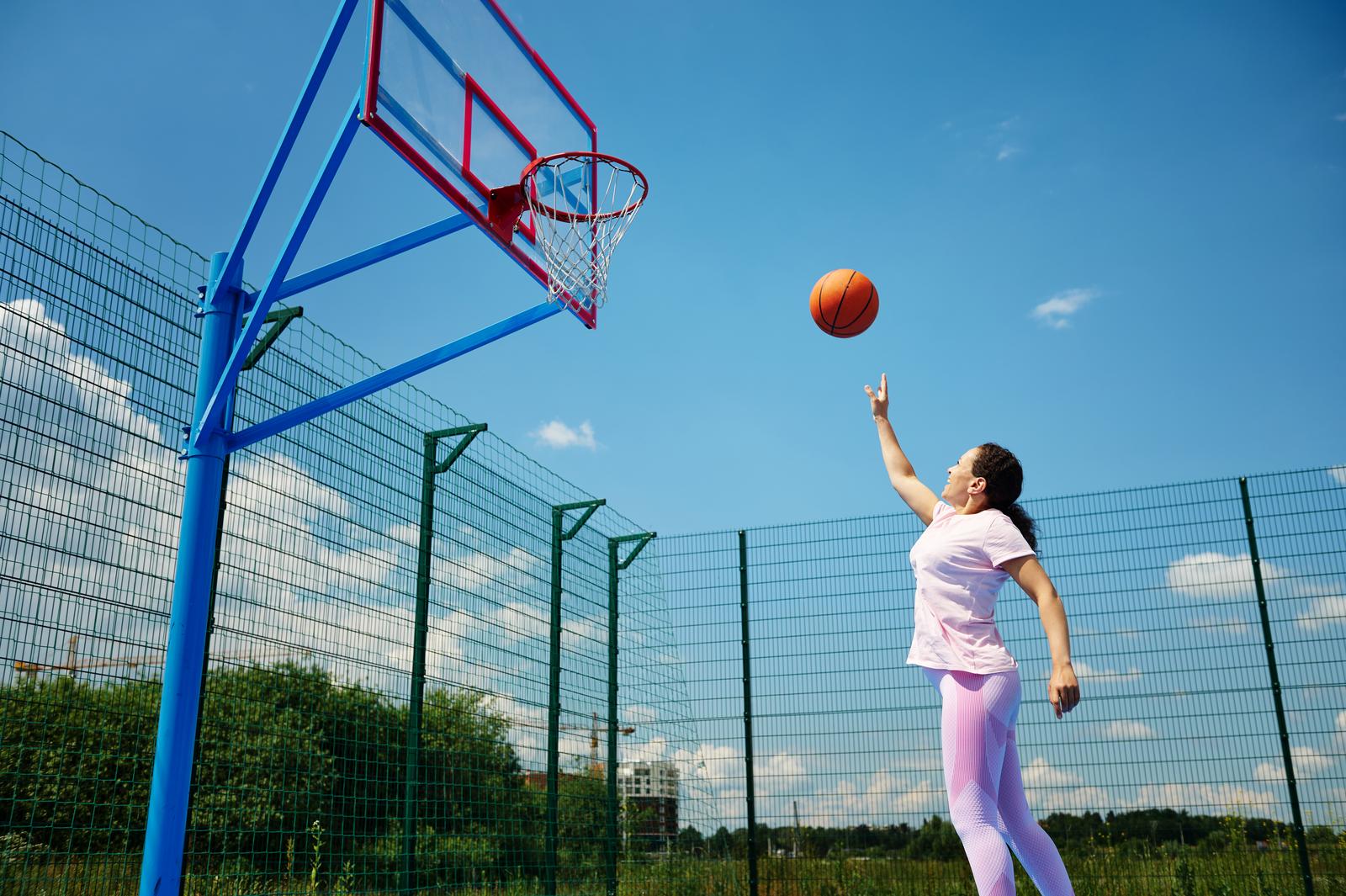
Looking to elevate your backyard game with a wall-mounted basketball system? You've come to the right place. Unlike portable options that wobble and shift during play, a wall-mounted hoop provides rock-solid stability that makes every shot feel authentic. Whether you're helping your kids develop their skills or creating your own practice space, proper installation is the foundation of years of reliable performance.
This comprehensive guide walks you through every critical step of the installation process, from choosing the perfect location to making your final adjustments. Let's get started on bringing professional-quality basketball action right to your home.
Choosing the Perfect Location for Maximum Playability
Assess Your Available Space
Before you break out the tools, take a careful look at your space. You'll need adequate clearance extending well beyond the hoop to ensure safe and enjoyable play. Consider both the vertical height from ground to mounting point and the horizontal depth for your playing area. A cramped court leads to frustration and potential safety concerns, so prioritize locations that offer generous room to move and play comfortably.
Think about nearby structures, landscaping features, and overhead obstacles. Power lines, tree branches, and building overhangs can all interfere with gameplay. Safety should always come first—choose a spot with plenty of clearance in all directions to prevent accidents during enthusiastic play sessions.
Surface Quality Matters
Your playing surface dramatically impacts both safety and enjoyment. Concrete and asphalt provide excellent, consistent bounces and work perfectly for serious practice sessions. Make sure your chosen surface is level and free from significant cracks or damage that could create tripping hazards or unpredictable ball behavior.
Essential Equipment and Purchasing Guidelines
Selecting Your Backboard, Net, and Hoop System
When shopping for a wall-mounted basketball system for your backyard, focus on the backboard material first. Steel backboards offer exceptional durability and weather resistance, making them ideal for year-round outdoor use. They provide honest, true rebounds that help players develop consistent shooting mechanics. If you're investing in quality equipment, prioritize systems specifically engineered for permanent outdoor installation.
Look for systems that deliver regulation-height adjustability and professional-grade construction. Premium models feature reinforced steel framing to handle aggressive play styles, while weather-resistant powder coating ensures your investment stands up to the elements season after season. A high-quality system isn't just about durability—it's about creating an authentic playing experience that grows with your family's skills.
Understanding Hoop and Net Specifications
Regulation basketball hoops maintain an 18-inch diameter, and there's good reason for this standardization. Sticking with regulation dimensions ensures that skills developed in your backyard translate directly to competitive play. Premium rims incorporate breakaway mechanisms for player safety during aggressive dunking and competitive play—a feature that significantly extends the lifespan of your entire system.
For the net, select all-weather materials engineered to resist fading and deterioration from constant sun exposure. Quality nets maintain their appearance and performance through years of outdoor use, while cheaper alternatives quickly become brittle and break down.
Tools You'll Need for Professional Installation
Core Installation Tools
To successfully install a wall-mounted basketball system, you'll need several essential tools. Start with a reliable power drill and a comprehensive masonry bit set—these are non-negotiable for drilling into concrete or brick walls. You'll also need sturdy tape measures, precision levels, and combination wrenches for securing all connections properly. These fundamental tools form the backbone of any professional-quality installation.
Depending on your wall material, you might need specialized equipment. A hammer drill or rotary hammer makes quick work of concrete installations, while standard drilling equipment often suffices for softer materials. Having a step ladder or sturdy work platform on hand lets you reach higher mounting points safely when attaching the mounting brackets.
Safety Equipment
Never compromise on safety gear during installation. Protect your eyes with quality safety glasses—flying debris from drilling poses real risks. Sturdy work gloves shield your hands from sharp edges and rough surfaces, while steel-toed boots provide crucial foot protection when handling heavy equipment. Take your time, work methodically, and prioritize safety at every step.
Pro Tip: Always wear appropriate protective equipment including safety glasses, work gloves, and proper footwear throughout the entire installation process.
Important: Gather all necessary tools before beginning installation to maintain workflow efficiency and prevent unnecessary delays.
Step-by-Step Mounting Bracket Installation
Establishing Secure Attachment Points
When installing a wall-mounted basketball system for your backyard, the mounting bracket attachment process requires meticulous attention. Begin by identifying the optimal mounting height—regulation height sits at 10 feet from the playing surface to the rim. Position your brackets accordingly, ensuring they're perfectly level and properly spaced to support the backboard's dimensions. Even minor misalignment creates problems down the road, so invest time in getting this step absolutely right.
Your mounting bracket needs to anchor into solid, structural material for maximum stability. Before drilling, verify that you're targeting wall studs or solid concrete—never rely on hollow drywall or lightweight materials to support a basketball system's weight and playing forces. If you're working with a brick exterior, position your mounting hardware to catch multiple mortar joints or, better yet, drill directly into the brick itself for superior holding power.
Verifying Precise Alignment
Before driving in your first anchor, triple-check everything for perfect level alignment. Use a quality bubble level on both horizontal and vertical axes to confirm proper positioning. This crucial verification step prevents the frustrating scenario of discovering misalignment after you've already drilled mounting holes. Take measurements from multiple reference points and have a helper confirm your readings for absolute certainty. The few extra minutes spent on precise alignment prevents hours of corrective work later.
Securing the Hoop to the Backboard Assembly
Proper Mounting Configuration
For installing a wall-mounted basketball system in your backyard, begin by carefully positioning the hoop and making precise markings with a pencil or marker. Double-check that you're hitting pre-drilled mounting holes in the backboard, and confirm that everything aligns perfectly with your earlier bracket placement. Misalignment at this stage creates stress points that compromise your system's longevity and performance.
Work your way through each mounting bolt methodically, tightening them firmly but stopping short of overtightening. Metal components can strip or crack under excessive force, particularly in colder weather when materials become more brittle. Make your way around the mounting pattern multiple times, gradually increasing tension to achieve even, consistent pressure across all connection points. This measured approach prevents warping and ensures optimal structural integrity.
Confirming Structural Stability
After completing your installation, thoroughly test the system's stability through careful pressure application. Apply controlled force from various angles to verify that the mounting system shows zero movement or flex. Check every connection point, bracket, and fastener for tightness. Listen for any unusual sounds—creaking or grinding noises signal problems that need immediate attention before allowing regular play on your new basketball system.
Mounting the Backboard to Your Wall Structure
Determining Optimal Positioning
Positioning your backboard correctly determines your entire system's playability and safety. Carefully measure and mark the mounting location on your wall, keeping in mind that proper spacing from the wall allows adequate clearance behind the backboard. This standoff distance prevents player contact with the wall structure during rebounds and layups, significantly reducing injury risks while maintaining authentic court dimensions. The standard position places the backboard four feet from the baseline, but you can adjust this measurement based on your specific space constraints and usage requirements.
Executing the Mounting Process
Mark your drilling locations precisely at every mounting bracket position. Carefully drill pilot holes to the specified depth recommended by your mounting hardware manufacturer. Insert heavy-duty lag bolts or expansion anchors—these specialized fasteners provide the tremendous holding power needed to support dynamic basketball forces. Thread each bolt carefully before tightening to final torque specifications. Always recruit at least one assistant for this phase—backboards are deceptively heavy and awkward to maneuver, making solo installation both difficult and potentially dangerous.
Final Stability Verification
Once you've mounted the backboard, conduct comprehensive stability testing through careful inspection. Apply measured pressure at multiple points around the backboard perimeter and check for any flex, movement, or concerning sounds. Every fastener should be torqued to manufacturer specifications—referring to the included installation guide ensures you're meeting all safety and performance standards. A properly installed backboard should feel absolutely solid with zero detectable movement under reasonable force.
Professional Net Installation for Wall-Mounted Basketball Systems
Securing the Net Properly
For installing a wall-mounted basketball system in your backyard, start net attachment after you've fully secured the hoop and backboard assembly. Thread each net loop through the rim's corresponding hooks, working your way methodically around the entire circumference. Maintain even tension distribution as you work—uneven pulling creates premature wear patterns and shortens your net's lifespan. Take your time with this seemingly simple step, as proper net installation contributes significantly to your system's professional appearance and durability.
Making Final Adjustments
After securing every loop, step back and visually inspect the net's hang. It should drape evenly around the rim with no twisted sections or caught loops. A properly installed net hangs in a clean, straight line without bunching or irregular gaps. If you notice any issues, take a moment to correct them now—it's much easier to make adjustments before your first game than after weeks of play have set the net's position.
Setting and Fine-Tuning Your Rim Height
Understanding Height Requirements
For installing a wall-mounted basketball system in your backyard, remember that regulation rim height measures exactly 10 feet from the playing surface. This standard applies across all competitive levels from youth leagues to professional play. If you're planning to use your hoop for practice or skill development, maintaining regulation height ensures that muscle memory and shooting form translate directly to competitive situations.
Precise Height Setting Process
Measure carefully from your playing surface to the rim's upper edge using a quality tape measure. Verify your measurement from multiple positions to account for any ground slope or irregularities. Most adjustable systems include clearly marked height indicators, but it's wise to confirm with an independent measurement. For younger players or skill development purposes, you might choose to start at lower heights—many quality systems offer adjustment ranges from 7.5 to 10 feet, allowing you to raise the rim progressively as players grow and improve.
Adjustment System Guidelines
If you've chosen a system with height adjustment capabilities, familiarize yourself thoroughly with the adjustment mechanism before your first use. Some systems utilize crank handles, others employ pneumatic systems, and still others use pin-and-hole configurations. Understanding your specific adjustment method prevents damage and ensures smooth, easy height changes whenever needed. Test the adjustment mechanism through its full range before declaring the installation complete.
Completing Your Wall-Mounted Basketball Installation
Comprehensive Pre-Play Inspection
Before inviting anyone to play on your newly installed system, conduct a thorough final inspection. Systematically check every bolt, bracket, and connection point to verify proper tightness and security. Give special attention to the main mounting brackets—these bear the system's primary loads and must be absolutely secure. Run your hands along all edges to identify any sharp points or protruding hardware that could cause injuries during play.
Adjustment Period Considerations
Your first few days of play serve as a break-in period for your new basketball system. Monitor the installation closely during initial use, watching for any settling or loosening that sometimes occurs as components adjust to regular playing forces. It's perfectly normal to need minor tightening adjustments after the first few play sessions—this doesn't indicate poor installation, just the natural settling that happens with any mechanical system under load.
Establishing Maintenance Routines
Schedule regular inspection intervals to maintain your system in peak condition. Monthly quick-checks of all hardware take just minutes and catch potential problems before they become serious. Pay attention to the net's condition—outdoor nets eventually deteriorate from UV exposure and weather, but quality materials last significantly longer. When you notice fraying or significant wear, replace the net promptly to maintain your system's professional appearance and functionality.
Long-Term Care for Your Basketball System
Seasonal Preparation
As seasons change, your basketball system requires different types of attention. Before winter arrives in regions with harsh weather, consider applying a protective coating to metal surfaces to guard against corrosion. In areas experiencing significant temperature swings, perform extra-thorough inspections of mounting hardware, as thermal expansion and contraction can gradually loosen connections over time. These preventive measures extend your system's lifespan considerably while maintaining optimal performance through all weather conditions.
Cleaning and Surface Care
Keep your backboard clean for optimal visibility and professional appearance. A simple washing with mild soap and water removes accumulated dirt, pollen, and environmental debris that naturally builds up outdoors. Avoid harsh chemical cleaners or abrasive materials that might damage protective coatings or scratch playing surfaces. Regular cleaning also provides an excellent opportunity to inspect the system for any developing issues while maintaining that fresh, new appearance that makes your backyard court inviting and enjoyable.
Ready to Transform Your Backyard?
Equip your backyard with professional-grade basketball equipment that delivers authentic playing experiences and years of reliable performance
Jaypro Backboard AdapterYour Path to Backyard Basketball Excellence
Installing a wall-mounted basketball system represents more than just adding equipment to your property—you're creating a lasting space for active recreation, skill development, and quality family time. By following these comprehensive installation guidelines and maintaining your investment properly, you're ensuring years of enjoyment and countless memorable moments on your personal court.
Remember that successful installation combines careful planning, quality equipment, proper technique, and ongoing maintenance. Whether you're helping young players develop their fundamentals or maintaining your own skills, a professionally installed wall-mounted system delivers the authentic playing experience that makes practice effective and enjoyable. Take pride in your installation work, maintain your system conscientiously, and get ready for years of fantastic backyard basketball action.