
Discover how battery-operated aerial platforms are transforming work site operations with sustainable, efficient elevation solutions
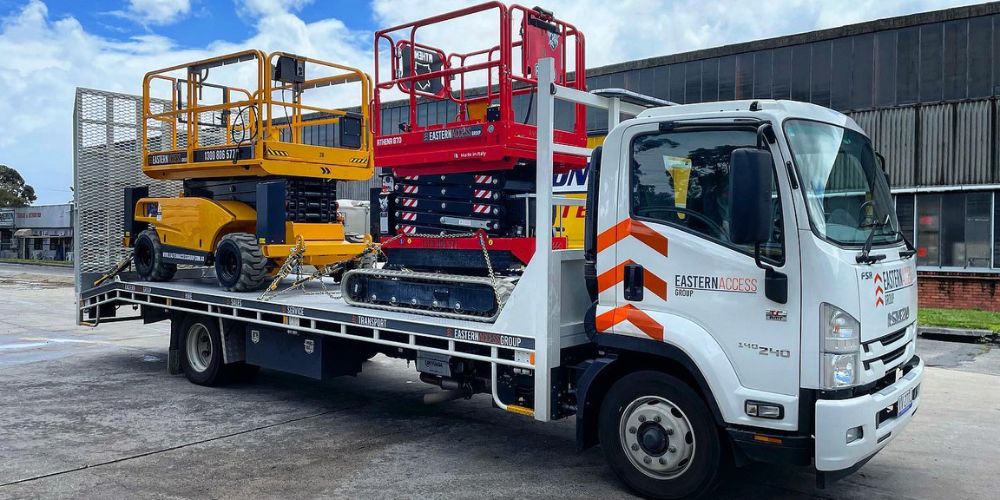 Understanding Electric Scissor Lifts
Battery-powered scissor lifts represent a category of mobile aerial work platforms (MAWPs) that utilize rechargeable electric motors instead of traditional combustion engines. These innovative machines are specifically engineered for tasks requiring vertical elevation in controlled environments, providing workers with stable, elevated access to perform construction, maintenance, installation, and repair operations safely and efficiently.
The fundamental mechanism of battery-operated scissor lifts involves raising and lowering a working platform using a scissor-like linkage system powered by an electric motor. This configuration creates crossing supports that extend vertically, delivering both stability and platform-level operation. Unlike their fuel-powered counterparts, electric models generate zero on-site emissions and operate with significantly reduced noise levels, making them particularly advantageous for indoor applications and environmentally sensitive work zones.
The growing popularity of electric scissor lifts across diverse industries stems from their exceptional versatility in confined spaces and their ability to operate without generating exhaust fumes. These characteristics make them indispensable equipment for warehouse operations, facility maintenance, retail environments, and any indoor setting where air quality and sound control are priorities.
Electric Versus Diesel-Powered Scissor Lifts: Key Differences
The fundamental distinction between electric and diesel scissor lifts centers on their power generation methods, which subsequently influences their operational characteristics, suitable environments, and financial considerations. Both equipment categories feature unique strengths and limitations that warrant thorough evaluation before selection.
Battery-powered models excel in interior and noise-sensitive applications due to their whisper-quiet operation and complete absence of harmful emissions. They demonstrate superior maneuverability across smooth, level surfaces such as polished concrete floors, and their minimal maintenance requirements translate to reduced long-term operational expenses. However, their effectiveness becomes limited when confronted with outdoor terrain, inclement weather conditions, or extended operational periods without recharging opportunities.
Diesel-powered alternatives are purpose-built for demanding outdoor environments and rugged terrain applications. They deliver substantially greater weight capacity and extended operational duration compared to battery variants, making them ideal for large-scale construction projects and uneven ground conditions. The trade-offs include elevated noise generation, exhaust emission production, and higher fuel and maintenance costs. Additionally, their operational restrictions in enclosed spaces due to pollution concerns and their disadvantage on uneven surfaces within confined areas must be considered.
The determination between these technologies ultimately depends on your project's specific environmental conditions, the operational setting characteristics, available budget parameters, and regulatory compliance requirements within your work jurisdiction.
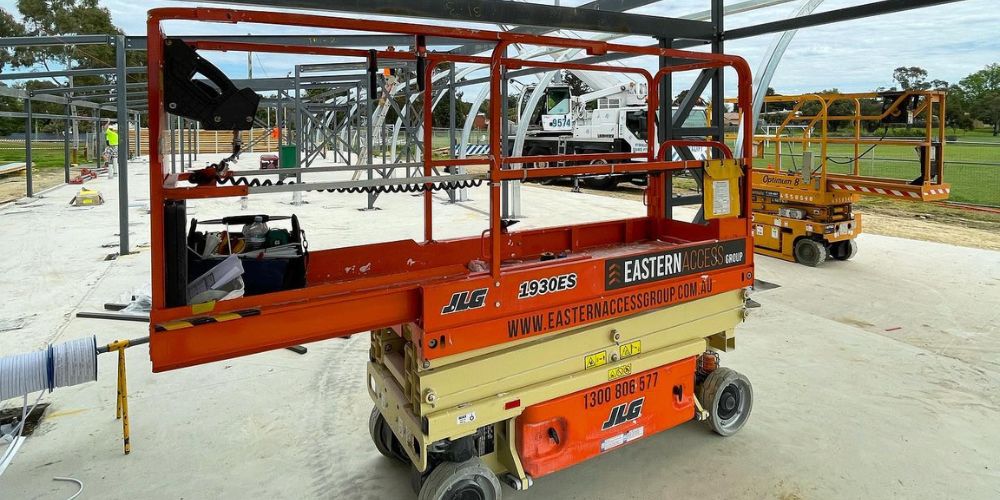 Advantages of Electric Scissor Lifts
Key Benefits
Whisper-Quiet Performance
Battery-powered scissor lifts deliver remarkably silent operation, making them perfectly suited for indoor environments and noise-restricted areas. Unlike their diesel counterparts that generate significant audible disruption and environmental pollution, electric models produce minimal operational sound. This acoustic advantage proves invaluable in occupied commercial spaces, healthcare facilities, educational institutions, and residential projects where maintaining a peaceful atmosphere is essential while work proceeds.
Zero Emission Operation
Electric scissor platforms are genuinely emission-free during operation, generating no harmful pollutants whatsoever. Diesel-powered alternatives create toxic exhaust fumes that compromise air quality and pose health risks, particularly in confined environments with restricted ventilation. Battery-operated elevators offer a clean, healthful alternative that enables organizations to meet stringent environmental standards and maintain safe indoor air quality for workers and building occupants alike.
Reduced Operating Expenses
Electric models eliminate fuel costs entirely and demand considerably less maintenance compared to diesel-powered equipment. The absence of internal combustion engines means fewer mechanical components requiring service, replacement parts, or repairs. Battery recharging represents a fraction of diesel fuel expenses, and electric motors typically demonstrate superior longevity. Over extended ownership periods, these cost advantages accumulate substantially, often offsetting higher initial acquisition prices and improving return on investment.
Simplified Operation
The straightforward control mechanisms, responsive acceleration and deceleration characteristics, and minimal training requirements make electric scissor lifts accessible to operators of varying experience levels. Smooth surface maneuverability surpasses diesel alternatives, and the compact footprint facilitates navigation through restricted spaces. Minimal setup time and reduced physical demands on operators contribute to enhanced productivity and operational efficiency across diverse applications.
Important Limitations
Restricted Runtime Duration
Battery capacity imposes inherent operational time constraints on electric scissor lifts. Unlike diesel models offering continuous operation through simple refueling, battery-powered equipment requires recharging after several hours of use. Charging cycles typically consume considerable time, and depleted batteries mid-project can disrupt schedules significantly. This limitation proves particularly challenging for extended-duration assignments or remote locations lacking convenient electrical infrastructure for recharging.
Limited Outdoor Capability
Electric scissor lifts face significant challenges in exterior applications, particularly regarding weather vulnerability. Precipitation exposure can accelerate battery deterioration and create safety hazards. Cold temperature conditions dramatically reduce battery performance and operational capacity. These environmental sensitivities restrict outdoor deployment, especially during adverse weather periods, limiting their versatility compared to weather-resistant diesel alternatives designed specifically for rugged outdoor conditions.
Elevated Initial Investment
Battery-powered scissor lifts generally command higher purchase prices than comparable diesel models due to advanced battery technology and sophisticated electrical systems. These premium acquisition costs can present budgetary obstacles for some organizations, particularly smaller operations or those requiring multiple units. While long-term operational savings often justify the investment differential, the substantial upfront capital requirement remains a significant consideration in procurement decisions.
Constrained Operational Range
Electric models feature more limited vertical reach capabilities compared to diesel-powered alternatives. Maximum platform heights typically remain below those achievable with fuel-powered equipment. Furthermore, battery charge depletion on remote job sites lacking recharging facilities creates additional range limitations. Applications requiring extreme elevation or extended operation in areas without electrical access may necessitate diesel equipment selection instead.
Explore Professional-Grade Electric Scissor Lifts
KT-X85 8000lb Scissor LiftFrequently Asked Questions
What applications are electric scissor lifts best suited for?
Electric scissor lifts excel in indoor environments and climate-controlled facilities where emissions control and noise reduction are priorities. Optimal applications include warehouse operations, retail store maintenance, commercial building construction and renovation, manufacturing facility work, convention center setup, and any interior space requiring elevated access without environmental pollution or excessive sound generation.
What charging duration do electric scissor lift batteries require?
Charging times vary depending on battery capacity, charger specifications, and depletion level. Standard charging typically requires 6-12 hours for complete replenishment. Fast-charging technology can reduce this duration significantly but may impact long-term battery longevity. Planning charging schedules during non-operational periods, such as overnight, optimizes equipment availability and minimizes project disruptions.
Can electric scissor lifts function effectively in outdoor settings?
While technically capable of outdoor operation on level, paved surfaces during favorable weather conditions, electric scissor lifts are not optimally designed for exterior applications. Weather exposure, particularly moisture and temperature extremes, significantly compromises battery performance and equipment longevity. For consistent outdoor work, diesel-powered alternatives specifically engineered for rugged environmental conditions represent more appropriate choices.
How does maintenance compare between electric and diesel scissor lifts?
Electric scissor lifts require substantially less maintenance than diesel models. Without internal combustion engines, they eliminate oil changes, fuel filter replacements, emission system servicing, and numerous other mechanical maintenance requirements. Primary maintenance focuses on battery care, electrical system inspections, and standard hydraulic component servicing. This simplified maintenance schedule reduces downtime and lowers long-term ownership costs considerably.
Which industries most commonly utilize electric scissor lifts?
Diverse industries extensively employ electric scissor lifts, including commercial construction, facility maintenance services, warehousing and logistics operations, retail and hospitality sectors, manufacturing and industrial facilities, entertainment and event production, healthcare institutions, educational campuses, and property management organizations. Any industry requiring safe, efficient indoor elevated access while maintaining air quality standards benefits from battery-powered elevation equipment.
Final Considerations
Electric scissor lifts provide substantial advantages for specific applications, particularly indoor operations requiring emission-free performance, reduced noise generation, economical operation, and straightforward usability. These benefits have established battery-powered models as preferred equipment across numerous industries and operational contexts. However, potential limitations including restricted runtime duration, outdoor application constraints, elevated acquisition costs, and limited maximum elevation must be carefully evaluated against project requirements.
When selecting between electric and diesel scissor lift technologies, thoroughly assess the unique demands of your specific work environment. Consider operational setting characteristics (indoor versus outdoor), surface conditions, required elevation heights, project duration expectations, available budget parameters, and applicable environmental regulations. Analyzing these factors comprehensively ensures optimal equipment selection that maximizes productivity, safety, and cost-effectiveness.
For operations conducted primarily indoors or in environmentally sensitive locations, where emission control and acoustic management are paramount, electric scissor lifts represent the superior choice. Their combination of operational efficiency, environmental responsibility, and long-term economic advantages makes them invaluable assets for modern workplace elevation requirements. Evaluating your particular operational needs against equipment capabilities will guide you toward the most appropriate platform solution for achieving your project objectives successfully.