
Comprehensive insights into scissor lift functionality, applications, and safety considerations for professional use
Scissor lifts represent a fundamental category of aerial work platforms that have revolutionized how professionals approach elevated tasks. These mechanical lifting devices utilize a crisscross mechanism to elevate workers and equipment vertically, providing stable and secure access to heights that would otherwise require complex scaffolding systems.
Whether you're involved in construction, facility maintenance, warehouse operations, or installation projects, understanding the capabilities and proper utilization of scissor lifts is essential for maximizing efficiency and ensuring workplace safety.
 What Defines a Scissor Lift?
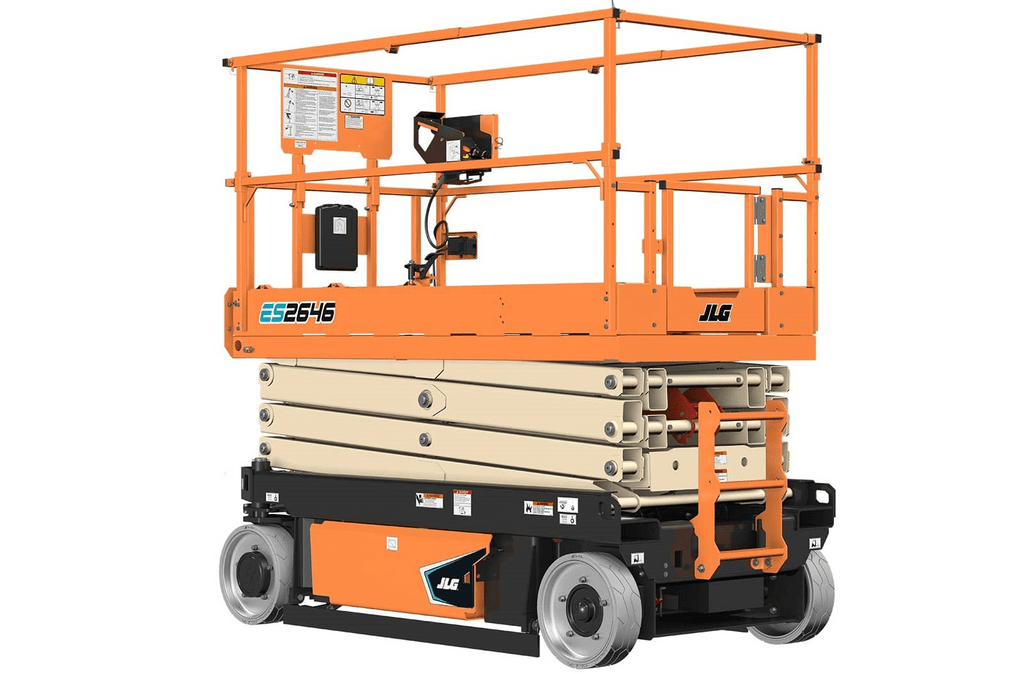
A scissor lift is a specialized mobile elevated work platform (MEWP) engineered with a distinctive scissoring mechanism that enables vertical elevation. The equipment features a platform mounted atop a series of linked, folding supports arranged in a crisscross pattern, resembling the action of scissors opening and closing.
This innovative design allows the platform to ascend and descend smoothly while maintaining a level working surface throughout the entire range of motion. The scissor mechanism creates exceptional stability compared to other aerial lift varieties, making these units particularly suitable for tasks requiring steady work surfaces at elevated positions.
The typical scissor lift operates within a height range of 20 to 50 feet, though specialized models can reach considerably greater elevations depending on the specific application requirements and engineering specifications.
Primary Applications and Use Cases
Scissor lifts serve diverse functions across multiple industries, offering practical solutions for various elevated work scenarios:
Construction & Installation
Facilitates overhead construction tasks, ceiling installations, electrical system work, and structural modifications with stable platform support for tools and materials.
Warehouse Operations
Enables efficient inventory management, stock retrieval from elevated storage systems, and maintenance of warehouse lighting and ventilation infrastructure.
Maintenance & Repair
Provides secure access for routine facility maintenance, HVAC system servicing, lighting replacements, and general building upkeep activities.
Painting & Finishing
Offers steady platforms for interior and exterior painting projects, surface treatments, and decorative finishing work requiring precision at height.
Retail & Merchandising
Supports store display setup, signage installation, inventory organization, and promotional material placement in retail environments.
Film & Event Production
Facilitates camera positioning, lighting setup, stage construction, and equipment installation for entertainment and media production.
 Mechanical Operation Principles
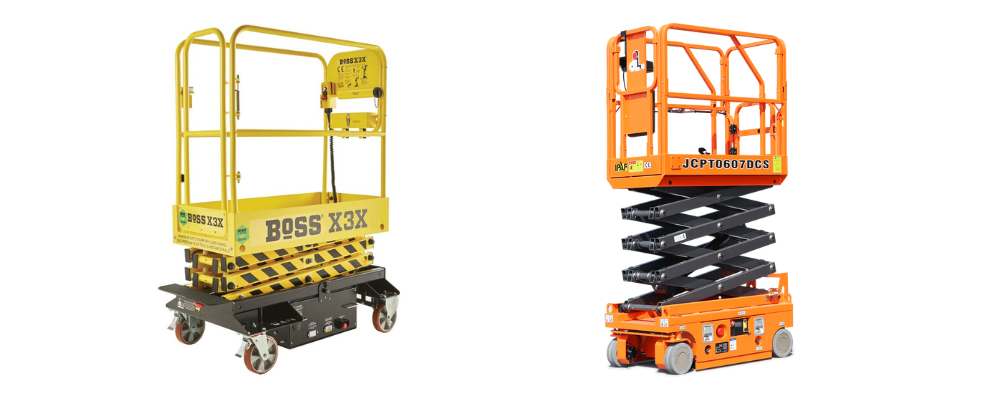
The operational mechanics of scissor lifts involve a sophisticated combination of hydraulic or pneumatic power systems coupled with the distinctive scissor-style linkage mechanism. When the operator activates the elevation control, hydraulic fluid or compressed air drives cylinder actuators that extend or retract.
This action causes the crossed support arms to either expand (elevating the platform) or compress (lowering the platform). The ingenious geometric design ensures that regardless of the platform's height position, it remains perfectly horizontal and stable, providing operators with a secure work surface that doesn't tilt or shift during elevation changes.
Modern scissor lifts incorporate advanced safety mechanisms including emergency lowering systems, overload sensors, tilt alarms, and automatic descent prevention features that engage if platform stability is compromised.
Electric vs. Diesel Scissor Lifts: A Comparative Analysis
Selecting between electric and diesel-powered scissor lifts requires careful consideration of your specific operational environment, performance requirements, and practical constraints:
Electric Scissor Lifts
Advantages:
- Zero emissions operation ideal for indoor environments
- Significantly quieter operation minimizing noise disruption
- Lower operational costs with reduced maintenance needs
- Non-marking tires suitable for finished floor surfaces
- Compact dimensions for navigating confined spaces
Limitations:
- Requires smooth, level surfaces for optimal performance
- Battery runtime limitations necessitate recharging planning
- Not suitable for rough terrain or outdoor construction sites
- Weather-sensitive operation with moisture concerns
Diesel Scissor Lifts
Advantages:
- Robust performance on uneven and rough terrain
- Greater lifting capacity for heavier loads and equipment
- Extended continuous operation without recharging
- Weather-resistant for all-season outdoor use
- Excellent traction on construction sites
Limitations:
- Exhaust emissions prohibit indoor operation
- Considerably louder operation levels
- Higher fuel and maintenance costs
- Larger footprint requiring more maneuvering space
Professional-Grade Scissor Lift Solution
Elevate your operations with the Katool KT-X85, an industrial-strength mid-rise scissor lift engineered for demanding professional applications. Featuring electric lock technology and 8000lb lifting capacity, this unit delivers exceptional performance and reliability.
Katool KT-X85 Scissor Lift
 Essential Safety Protocols and Best Practices
Operating scissor lifts safely requires comprehensive understanding and strict adherence to established protocols. Implementing these critical safety measures protects personnel, equipment, and project integrity:
1 Pre-Operation Inspection Protocol
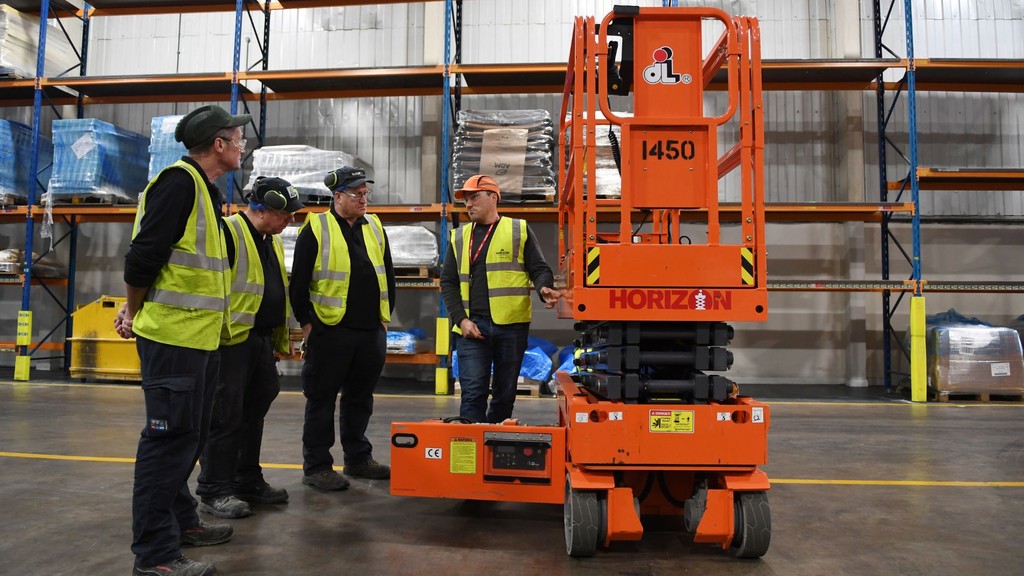
Conduct thorough equipment examination before each use. Verify hydraulic system integrity, assess control functionality, inspect guardrails and gates for security, examine tire condition and pressure, confirm emergency stop mechanisms operate correctly, and review load capacity specifications to ensure compliance with intended use.
2 Operator Certification and Training
Ensure all operators possess current certification and comprehensive training specific to scissor lift operation. Training should encompass equipment capabilities and limitations, load management principles, hazard recognition, emergency procedures, and regulatory compliance requirements mandated by occupational safety standards.
3 Personal Protective Equipment Requirements
Mandate appropriate protective gear for all personnel operating or working near scissor lifts. Essential equipment includes properly fitted hard hats, high-visibility safety vests, steel-toed protective footwear, and full-body harnesses with lanyards when regulations or site conditions require fall protection systems.
4 Environmental Assessment and Surface Evaluation
Carefully evaluate the work environment before deploying scissor lifts. Confirm surface stability and levelness, identify overhead obstacles including power lines and structural elements, assess wind conditions for outdoor operations, verify adequate clearance for elevation and movement, and mark potential hazards clearly.
5 Load Management and Weight Distribution
Strictly observe manufacturer-specified weight capacities, accounting for the combined weight of operators, tools, and materials. Distribute loads evenly across the platform to prevent tipping hazards. Never exceed rated capacity or modify equipment to accommodate heavier loads, as this compromises structural integrity and safety margins.
6 Operational Movement Restrictions
Exercise extreme caution during elevated operations. Never drive the scissor lift with the platform raised unless the equipment is specifically designed and manufacturer-approved for elevated travel. Avoid sudden movements, maintain awareness of surroundings, and utilize spotters when navigating congested areas or confined spaces.
⚠️ Safety compliance is non-negotiable. Violations of operating procedures can result in serious injury, equipment damage, and regulatory penalties. When uncertain about any operational aspect, consult manufacturer guidelines or seek expert guidance.
Strategic Advantages of Scissor Lift Implementation
Organizations that integrate scissor lifts into their operational frameworks realize substantial advantages across multiple dimensions:
Enhanced Safety Profile
Dramatically reduces fall risks compared to ladders or scaffolding, providing secure platforms with guardrails, stable work surfaces, and controlled elevation mechanisms that protect workers at height.
Operational Efficiency
Accelerates project completion by providing quick elevation adjustments, eliminating time-consuming scaffolding assembly, and enabling operators to transport tools and materials to elevated positions efficiently.
Versatile Application Range
Adapts to diverse work environments and task requirements, from precision installation work to heavy-duty construction applications, offering solutions across industries and project types.
Mobility and Positioning
Facilitates easy repositioning throughout job sites, allowing operators to adjust location as work progresses without lengthy setup procedures, maintaining project momentum and reducing downtime.
Cost-Effectiveness
Delivers superior return on investment through reduced labor hours, minimized equipment setup time, decreased injury-related costs, and elimination of rental expenses for alternative elevation methods.
Precision and Stability
Provides exceptionally stable work platforms that remain level during elevation, enabling precision work at height that would be challenging or impossible with less stable elevation solutions.
Critical Factors in Scissor Lift Selection
Selecting the optimal scissor lift for your specific requirements demands thorough evaluation of several key parameters that influence performance, suitability, and operational success:
Maximum Working Height Requirements
Determine the maximum elevation needed for your typical applications, accounting for the reach requirements of personnel when standing on the platform. Select equipment that provides adequate working height with appropriate safety margins beyond minimum requirements.
Load Capacity Specifications
Calculate the total weight including operators, tools, equipment, and materials that will be elevated simultaneously. Ensure selected equipment exceeds calculated requirements by an appropriate safety margin to accommodate variations in actual operational loads.
Operational Environment Characteristics
Assess whether primary usage will occur indoors or outdoors, the surface conditions where equipment will operate, space constraints that may affect maneuverability, and environmental factors such as weather exposure or ventilation limitations that influence power source selection.
Terrain and Surface Conditions
Evaluate the surface characteristics where the lift will operate. Smooth, level concrete floors suit electric models, while rough, uneven terrain necessitates rough-terrain diesel units with enhanced ground clearance and robust tire configurations.
Platform Dimensions and Configuration
Consider the workspace requirements on the platform itself. Larger platforms accommodate multiple operators and extensive tool arrangements, while compact platforms facilitate navigation through restricted access points and confined working areas.
Duration and Frequency of Use
Analyze usage patterns to inform purchase versus rental decisions. Consistent, long-term requirements typically justify equipment ownership, while occasional or project-specific needs may be better served through strategic rental arrangements.
Maintenance Protocols and Equipment Longevity
Comprehensive maintenance programs are fundamental to preserving scissor lift performance, extending operational life, and ensuring continuous safety compliance. Implementing systematic maintenance procedures protects your investment and prevents costly downtime.
Daily Maintenance Checklist:
- Visual inspection of hydraulic system for leaks or damage
- Verification of control responsiveness and accuracy
- Assessment of tire condition and proper inflation
- Examination of safety features including emergency stops
- Battery charge level verification for electric units
- General cleanliness and debris removal from platform and mechanisms
Schedule comprehensive professional inspections at manufacturer-recommended intervals, typically annually or after predetermined operating hours. These detailed examinations identify wear patterns, potential failure points, and necessary component replacements before issues compromise safety or operational capability.
Maintain detailed maintenance records documenting all inspections, repairs, and component replacements. This documentation establishes compliance history, aids in troubleshooting recurring issues, and provides valuable information for warranty claims or equipment valuation.
Maximizing Value Through Informed Decision-Making
Scissor lifts represent invaluable assets for organizations requiring reliable, safe, and efficient access to elevated work positions. Their versatility across industries, combined with superior stability and operational advantages, makes them indispensable tools in modern professional environments.
Success with scissor lift implementation requires thoughtful equipment selection aligned with specific operational requirements, unwavering commitment to safety protocols, comprehensive operator training, and diligent maintenance practices. Organizations that invest appropriately in these areas maximize equipment value, enhance worker safety, and achieve superior project outcomes.
Whether your applications involve construction, maintenance, warehousing, or specialized installations, understanding scissor lift capabilities and limitations enables informed decisions that drive operational excellence and project success. The right equipment, properly maintained and operated, becomes a catalyst for improved productivity and enhanced workplace safety.