

Whether you are upgrading your laundry area, organizing your workshop, or simply looking for a more practical washing station in your basement or garage, a utility sink might be the ideal solution. When chosen wisely, it becomes one of the most hardworking fixtures in your home. But the world of utility sinks goes well beyond basic function — they come in a wide range of materials, sizes, and configurations that offer both style and substance. Let us walk you through everything you need to know so you can make an informed decision.
Introduction to Utility Sinks
Before diving into the specifics, it helps to understand what makes a utility sink different from your standard kitchen or bathroom basin. A utility sink — sometimes called a laundry sink or service sink — is designed to handle heavier, messier tasks. These sinks are typically deeper and wider, built to accommodate large items, heavy-duty cleaning, and rugged everyday use. Common placements include laundry rooms, garages, workshops, basements, and even outdoor patios or sheds.
Various Types of Utility Sinks
Utility sinks are available in a variety of styles, each suited to different environments and needs. Here are some of the most popular configurations:
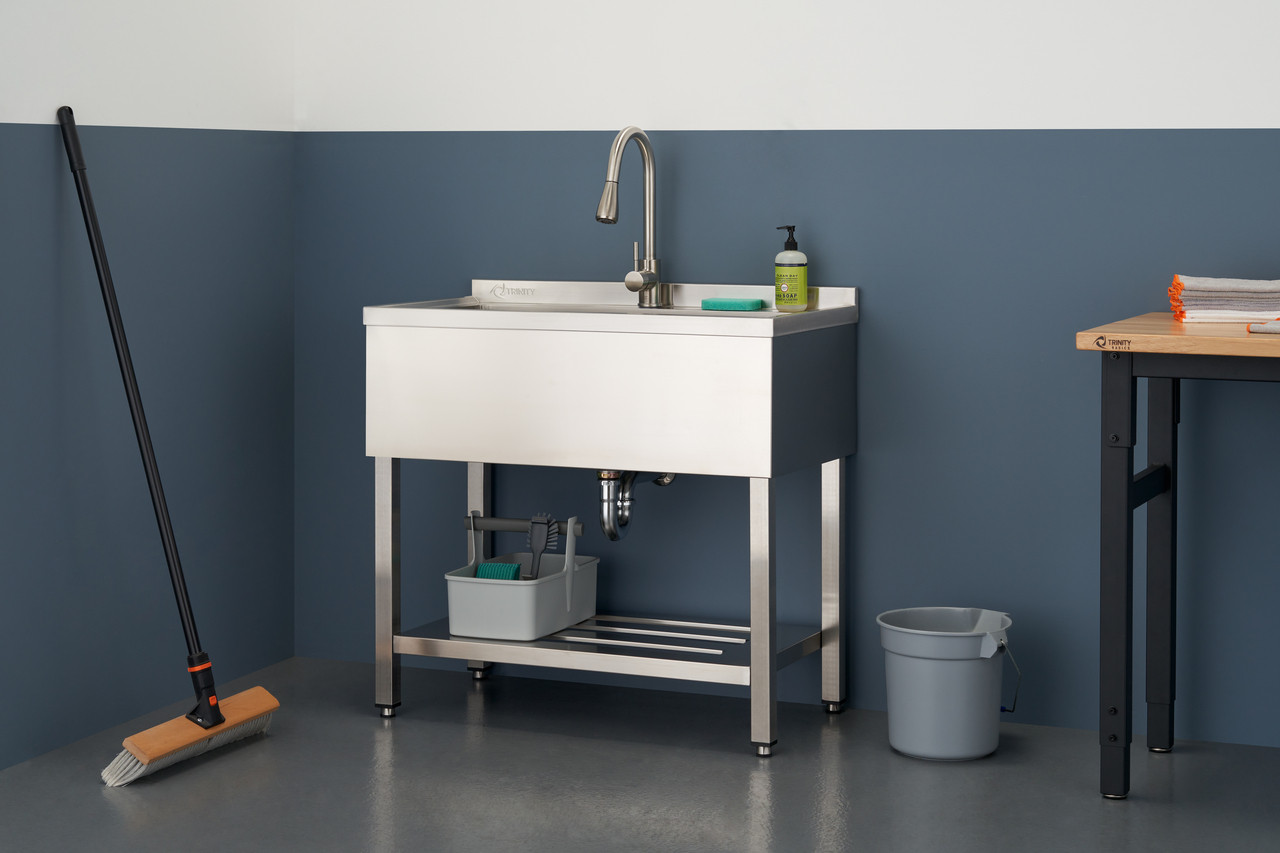
Freestanding Utility Sink
This type of sink stands alone without needing a countertop or cabinet. It is ideal for locations where floor space is available and heavy-duty tasks are common.
Wall-Mounted Utility Sink
Attached directly to the wall, this sink frees up valuable floor area. It works well in tighter spaces like utility closets or compact garages.
Countertop Utility Sink
Built into a countertop surface, this type provides extra workspace around the basin. It suits garages and workshops where tools and parts need a flat surface nearby.
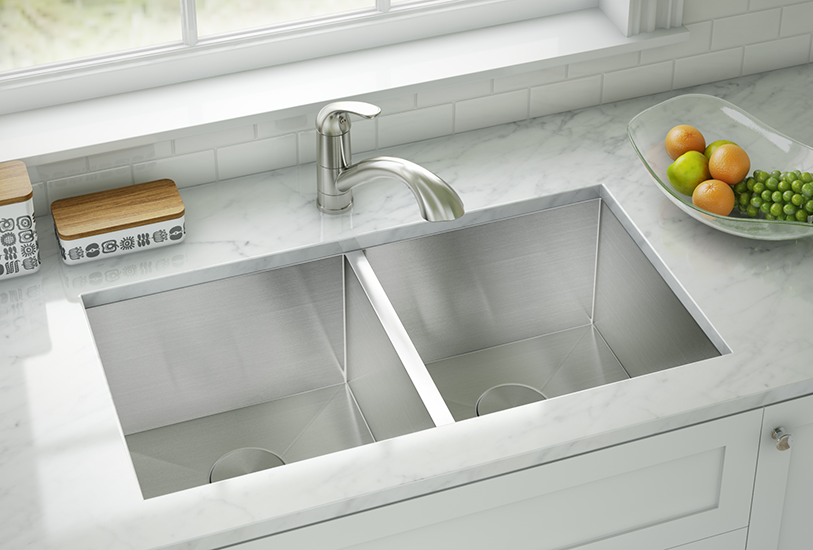
Undermount Utility Sink
Installed beneath the counter surface for a seamless, clean look. This option is popular in modern laundry rooms where aesthetics matter just as much as functionality.
Different Material Options for Utility Sinks
The material of your utility sink determines its durability, maintenance requirements, and overall appearance. Here is a breakdown of the most common choices:
Factors to Consider When Purchasing a Utility Sink
Selecting the right utility sink involves more than just picking a material and color. There are several practical factors worth weighing carefully before making your purchase.
Size of the Sink
The physical dimensions of your utility sink should be dictated by the space you have available and the types of tasks you plan to handle. A larger basin can manage bulkier items but requires more room. Measure your designated area carefully and account for clearance around plumbing connections.
Installation Method
Think about whether you need a freestanding unit, a wall-mounted design, a drop-in model, or an integrated configuration. Each approach has different structural requirements and will affect the overall look and usability of the space.
Material of the Sink
As outlined above, different materials offer different advantages. Your decision should be guided by how heavily the sink will be used, how much maintenance you are willing to do, and what visual effect you are hoping to achieve.
How to Care for Your Utility Sink
Utility sinks, like any worthwhile investment in your home, need regular care and attention to maintain their longevity. Here are a few essential tips:
Clean regularly: Wipe down the surface after heavy use. Mild soap and warm water are usually sufficient for daily cleaning. Avoid abrasive pads on stainless steel or acrylic to prevent surface scratching.
Avoid harsh chemicals: Steer clear of bleach-based or highly acidic cleaners unless the manufacturer specifically recommends them. These substances can degrade finishes over time and weaken seals.
Inspect the plumbing: Periodically check connections and pipes beneath the sink. Catching a small leak early can save you from significant water damage and costly repairs down the road.
Selecting the right utility sink — and taking proper care of it — ensures years of dependable service and can even enhance the look of your workspace.
Frequently Asked Questions About Utility Sinks
Where can a utility sink be installed?
Utility sinks can be placed in almost any area of your home — laundry rooms, garages, basements, workshops, mud rooms, and even covered outdoor spaces. Some homeowners install them near garden areas or in sheds for convenient outdoor cleanup.
What is the primary purpose of a utility sink?
A utility sink serves as a multipurpose washing station. It handles everything from soaking stained laundry and rinsing garden tools to cleaning paintbrushes, bathing pets, and washing large or awkwardly shaped items that would not fit in a standard kitchen or bathroom basin.
What materials are utility sinks made from?
The most widely used materials include stainless steel, acrylic, cast iron, fireclay, and composite plastics. Each brings its own balance of durability, weight, cost, and visual appeal — so the right choice depends on how and where you plan to use it.
What is the typical size of a utility sink?
Standard utility sinks typically measure around 22 to 25 inches in length, 18 to 24 inches in width, and 10 to 25 inches in depth. However, oversized commercial-style models are available for those who require extra capacity.
How difficult is it to install a utility sink?
Difficulty varies depending on several factors, such as your sink type, existing plumbing setup, and mounting preference. Freestanding sinks tend to be the simplest to install, while undermount or wall-mounted styles may call for professional assistance.
Can a utility sink be portable?
Yes, some utility sinks are designed with portability in mind. Lightweight freestanding models with quick-connect faucet hookups can be moved between locations, making them convenient for temporary setups in workshops or outdoor events.
How do you maintain and clean a utility sink?
Routine cleaning with mild soap and warm water keeps most utility sinks in excellent condition. For tougher build-up, a baking soda paste works well. Always consult the manufacturer's recommendations for your specific material to avoid damaging the finish.
What is the typical cost of a utility sink?
Pricing ranges widely depending on material, size, and brand. Budget-friendly plastic or composite models can start around $50 to $100, while premium stainless steel or fireclay options may run anywhere from $200 to $600 or more.
What should I consider before purchasing?
Before buying, think about the available space in your home, your budget, the primary tasks the sink will handle, the type of material you prefer, and any specific features you need, such as built-in storage, a drainboard, or a sprayer attachment. Matching these needs to the right product ensures lasting satisfaction.
Pros & Cons of Utility Sinks
✓ Advantages
Multi-purpose functionality: The greatest advantage of owning a utility sink is its sheer adaptability. From washing garden boots to soaking delicate fabrics to filling large buckets, it handles tasks no other sink can.
Saves other fixtures: A utility sink absorbs the heavy, messy jobs so your kitchen and bathroom sinks stay clean and undamaged.
Convenience: Having a dedicated utility sink in your garage or laundry area means you do not have to track dirt, paint, or debris through the house to use a sink.
Design variety: Modern utility sinks come in a wide range of styles, finishes, and configurations, making it easy to find one that complements your space rather than detracting from it.
Durability: Quality utility sinks are built from robust materials — stainless steel, fireclay, cast iron — that stand up to years of heavy use with minimal wear.
✗ Drawbacks
Space requirements: Utility sinks occupy additional room that may be limited in smaller homes or apartments, especially freestanding models with cabinet bases.
Installation complexity: Certain utility sinks — particularly undermount and wall-mounted designs — may require professional plumbing work, increasing the initial cost.
Aesthetic mismatch: While designs have improved significantly, a utility sink may still look out of place in highly finished interior spaces if not chosen carefully to match the décor.
Summary
The practicality and convenience of a utility sink make it an invaluable addition to any well-rounded home. Whether you need a tough washing station for garden tools, a laundry soak basin, or a dedicated cleanup area in your garage, there is a utility sink designed to meet that need. Simple plastic fixtures can handle budget-conscious setups, while premium stainless steel or fireclay models deliver both performance and visual refinement.
Versatility and resilience remain the defining traits of a great utility sink. When you choose the right size, material, and mounting style for your specific situation, you gain a fixture that will serve you reliably for years to come — keeping your other sinks clean, your workspace organized, and your daily routine running smoothly.
Article by BACKYARD PROVIDER — Your trusted source for outdoor living, home improvement, and backyard essentials.