
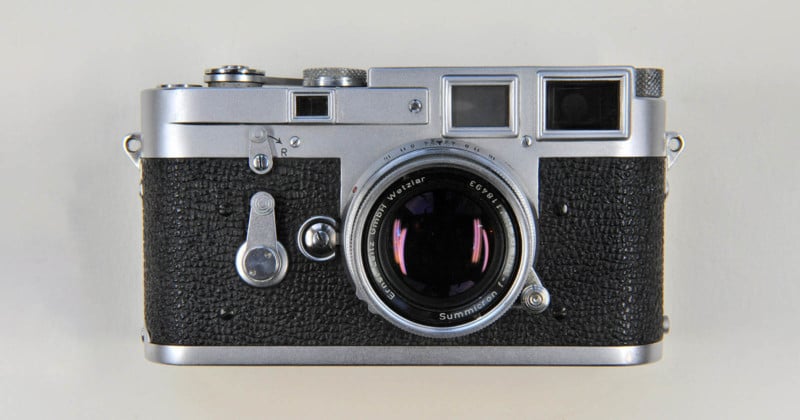
In the ever-evolving landscape of camera technology, mirrorless systems continue to rise while DSLRs take a back seat. Yet amid this relentless march forward, rangefinder cameras remain standing — sharp, refined, and satisfyingly demanding. These seemingly old-fashioned instruments still reward photographers with an unmatched shooting experience.
A rangefinder may not be for everyone, but any photographer who values craftsmanship should try one at least once. Digital models exist, yet film rangefinders outnumber them significantly. With no autofocus, no zoom lenses, and no unnecessary extras, a rangefinder strips photography down to its purest form — a streamlined instrument that consistently produces outstanding images.
Table of Contents
1. Understanding the Rangefinder System
2. The Origins and Evolution of Rangefinder Cameras
3. Advantages of Shooting with a Rangefinder
4. Limitations and Trade-Offs
5. Rangefinder Cameras Worth Exploring
Understanding the Rangefinder System
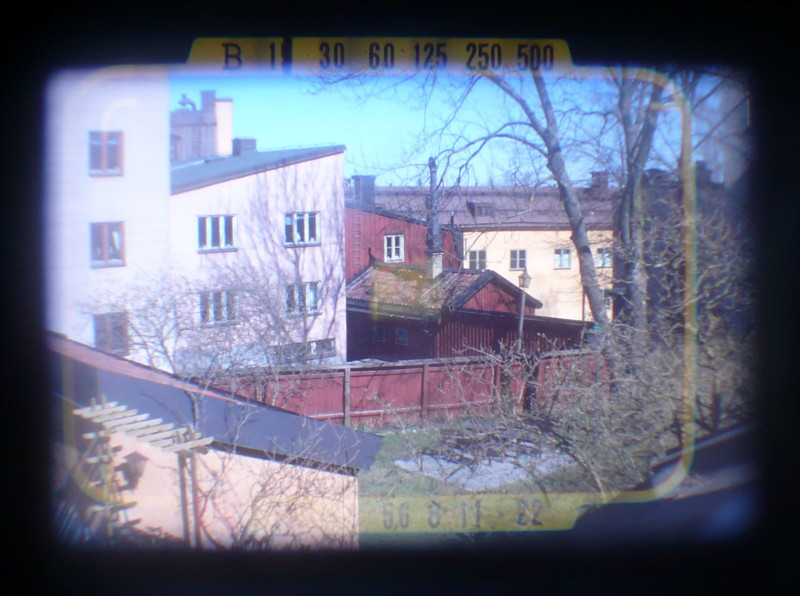
Rangefinder cameras rely on a dual-window mechanism that delivers remarkably accurate manual focus. A viewfinder window contains bright frame lines showing the boundaries of the image, while a secondary rangefinder window sits alongside it. This second window projects a separate image into the viewfinder, and when these two overlapping images align perfectly, the lens is locked in sharp focus on the subject.
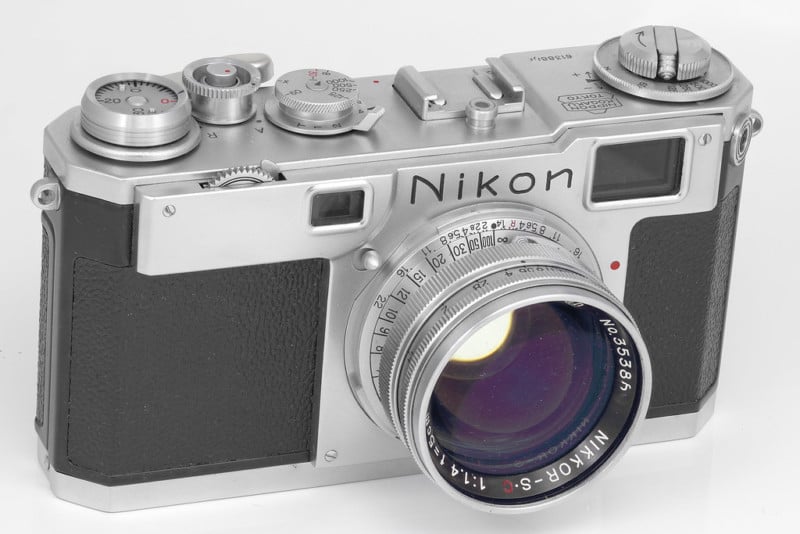
Focusing a rangefinder is elegantly simple. The photographer turns the lens focus ring until a small patch — visible in the center of the viewfinder — matches up cleanly with the surrounding scene. When the double image merges into one cohesive picture, perfect focus has been achieved.
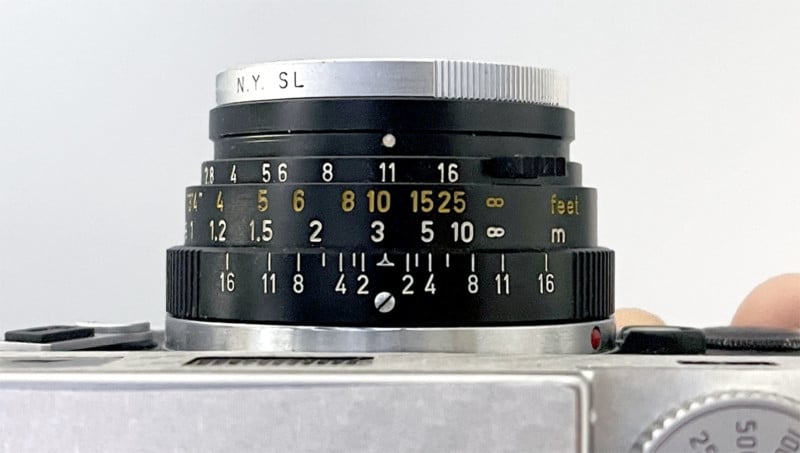
Beyond focus accuracy, rangefinders also serve as practical depth-of-field tools. Historically used by cartographers and navigators, the rangefinder operates through triangulation to calculate the exact distance to a subject. Once you focus on your target, a quick glance at the distance scale on the lens barrel reveals the precise focusing distance. From there, you can use the depth-of-field scale to determine the range of sharpness at each aperture setting. It takes a bit of effort and thought, but the process becomes instinctive over time.

Beginners can certainly pick up a rangefinder and start shooting, but seasoned photographers will appreciate the system most. Image quality remains consistently high for several reasons. First, rangefinders work exclusively with prime lenses — zoom lenses cannot couple with the rangefinder mechanism because their focal length changes constantly. Prime lenses are generally known for delivering superior sharpness and clarity compared to zooms.
Additionally, because rangefinders lack the internal mirror found in SLR cameras, the lens sits much closer to the film plane or digital sensor. This shorter distance between glass and recording surface produces an exceptionally sharp, well-defined image. The absence of a mirror also introduces several other notable benefits, discussed further below.
The Origins and Evolution of Rangefinder Cameras
The earliest rangefinder cameras were uncoupled devices. Photographers would use a separate rangefinder unit to measure the distance to their subject, then manually transfer that value to the lens focus ring. While functional, this two-step process was far from seamless.
The coupled rangefinder era kicked off in 1916 with the Kodak 3A Autographic Special, which integrated the rangefinder directly into the camera body. This was a transformative moment in camera engineering.
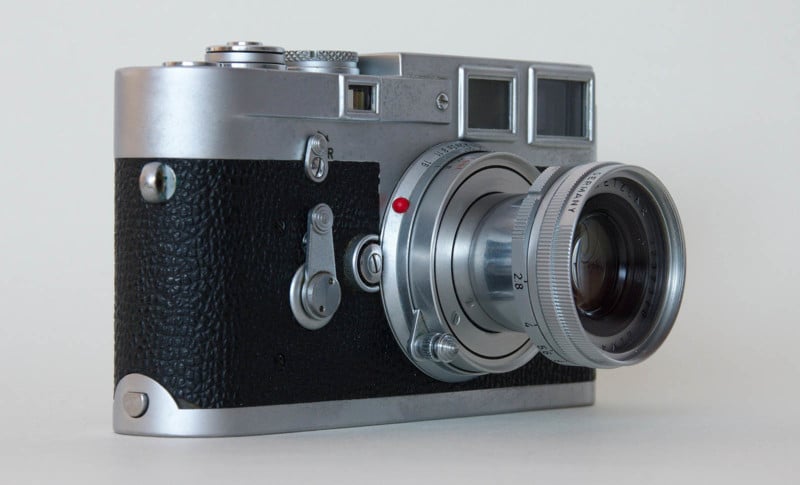
The real revolution came through Leica's 35mm film cameras. While earlier Leica models had popularized external rangefinder accessories, the iconic M3 — introduced in 1954 — was the first to unify the viewfinder and rangefinder into a single window. The M in the name refers to "Messsucher," the German term for a viewfinder-rangefinder hybrid. The M3 became a massive commercial hit, selling more than 220,000 units across its twelve-year production cycle ending in 1966.
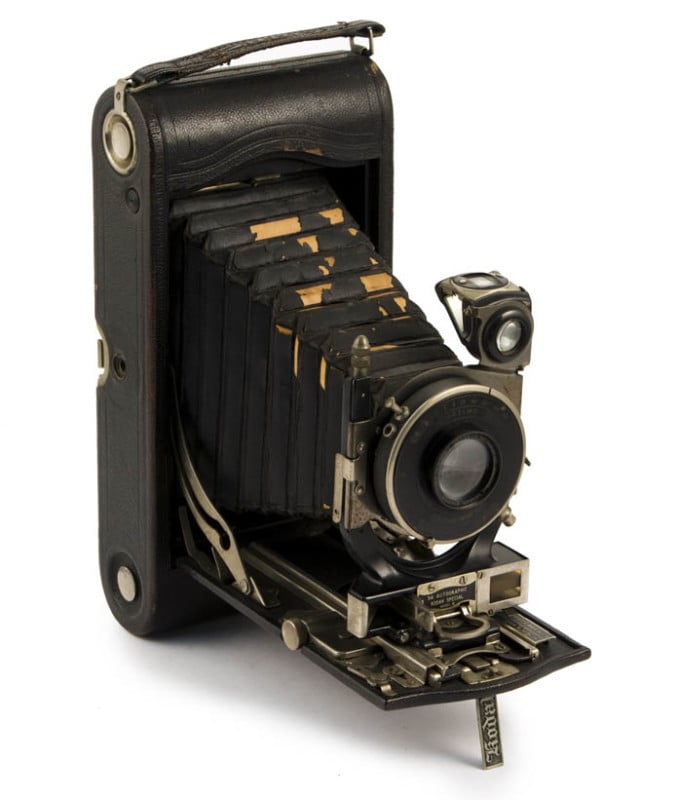
Other manufacturers found considerable success during the golden age of film rangefinders, including Nikon, Canon, Kodak, Zeiss, Contax, and Argus. However, the arrival of the SLR camera — headlined by revolutionary models like the Nikon F in 1959 — and the subsequent development of autofocus lenses gradually ended the rangefinder's dominance. Yet these innovations never fully eliminated the rangefinder from the marketplace.
Affordable rangefinder models continued to thrive during the 1960s, and Japanese brands including Canon, Fujica, Olympus, Yashica, Ricoh, Minolta, and Mamiya kept producing popular fixed-lens 35mm rangefinders that persisted until compact autofocus cameras overtook them.
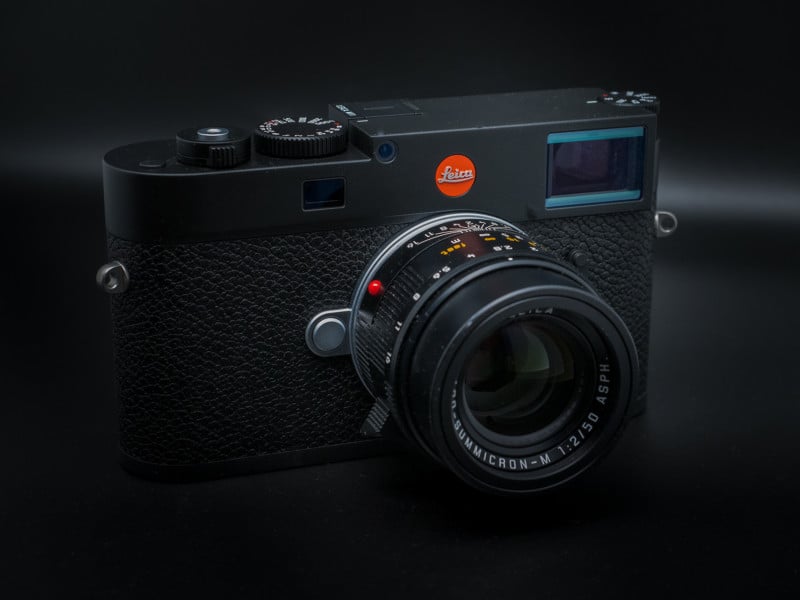
Today, despite the dominance of electronic viewfinders, companies like Pixii are building sophisticated new rangefinders, and Leica's latest digital M-series cameras command prices higher than virtually any other full-frame camera body on the market. The rangefinder's strengths continue to outweigh its weaknesses, keeping the design alive and relevant more than a hundred years after its invention.
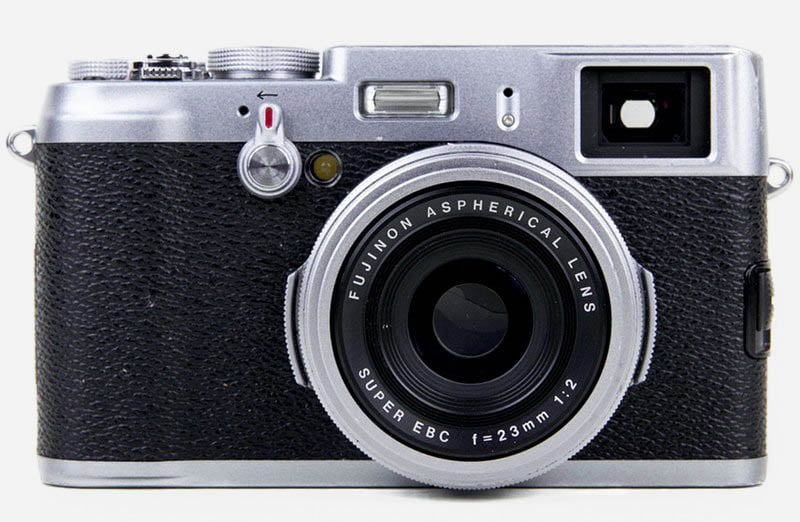
It is also worth mentioning Fujifilm's X100 series, launched in 2010. These cameras adopted a rangefinder-inspired aesthetic and quickly became influential in the digital photography space. However, despite their vintage appearance, they are not true rangefinders — they lack the optical dual-image focusing mechanism that defines the rangefinder system. Later models introduced an "electronic rangefinder" feature, which is essentially a magnified EVF insert within the optical viewfinder, rather than a genuine rangefinder overlay.
Advantages of Shooting with a Rangefinder
Rangefinders offer a distinct set of advantages that continue to draw photographers away from more modern systems. The focus precision, minimalist ethos, and hands-on shooting experience create something that no SLR or mirrorless camera can quite replicate.
Pinpoint Focus Accuracy
The most celebrated quality of any rangefinder is its remarkably precise focusing capability. In the early SLR era, before autofocus became standard, the entire viewfinder image appeared hazy until the lens found its subject. A rangefinder, by contrast, presents a crisp focusing rectangle at the center of the viewfinder. The human eye is far more skilled at recognizing when two overlapping images merge into one than it is at judging subtle gradations of sharpness — this gives the rangefinder a clear advantage.
For subjects with vertical edges, like poles or door frames, the split-image method works beautifully — when the line runs unbroken from the viewfinder through the focusing patch and back out again, focus is dead-on. For organic subjects like a person's face, the double-image method applies — an out-of-focus face appears as two faint overlapping images, and when they fuse into one sharp picture, focus is locked. You can even combine both methods for extra confidence. A handy trick for subjects with horizontal lines is to rotate the camera vertically for focusing, then rotate back to horizontal for the final shot.
Quick and Confident Focusing
These focusing techniques perform admirably even in dim lighting, and they accommodate photographers with less-than-perfect vision. Telling whether a subject is out of alignment is intuitive — you can instantly sense which direction to turn the focus ring. Rangefinders have earned a strong reputation in street photography and documentary work, but they also excel at photographing children, animals, and even fast-paced action. One powerful technique involves pre-focusing on a specific spot and then releasing the shutter at the precise moment your subject passes through. When the machine gets out of the way, photography naturally becomes faster.
A View Beyond the Frame
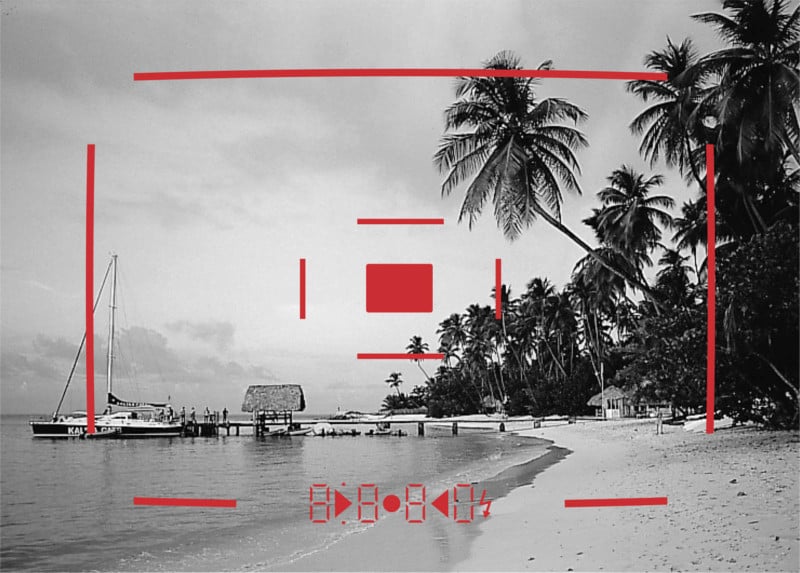
Unlike SLR cameras that show only what the lens will capture, a rangefinder viewfinder reveals the broader scene surrounding your frame lines. You can observe approaching action before it enters the composition and fire the shutter at precisely the right moment. With an SLR, you would need to pull your eye away from the viewfinder to gain that same awareness.
Mirror-Free Design
While the mirrorless revolution has partially leveled this playing field, the rangefinder's lack of a mirror still counts. Compared to an SLR, a rangefinder fires with a calm, nearly silent click. Less internal movement translates to reduced camera shake, which means you can confidently shoot at slower shutter speeds. The hushed operation also keeps you inconspicuous on crowded streets, in quiet venues, and anywhere discretion matters. Without a mirror box, lenses can be mounted closer to the recording surface, further boosting sharpness and image definition.
Superior Prime Lens Optics
Because rangefinders demand prime lenses, image quality benefits directly from their simpler optical formulas and concentrated precision. Prime lenses are also physically smaller since they lack autofocus motors and complex internal mechanisms. This keeps the overall camera package compact — ideal for travel, street photography, and portraiture where mobility and discretion are prized.
Compact Build and Lasting Reliability
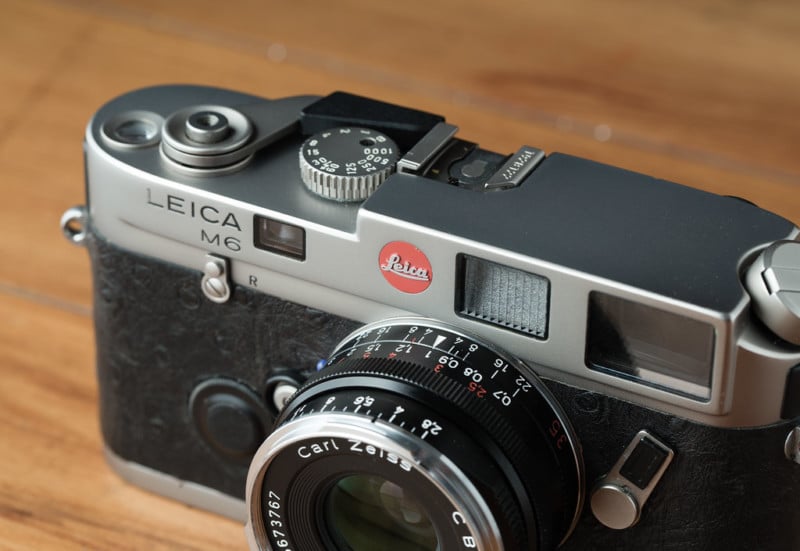
Rangefinders have always been notably smaller and lighter than their mirror-equipped counterparts, and they continue to undercut many modern mirrorless cameras in both size and weight. The philosophy of mechanical simplicity translates directly to long-term dependability. Many film rangefinders are purely mechanical devices that function without batteries at all. Some models only require a battery for the light meter and operate perfectly without one — a significant advantage in extreme cold or on extended off-grid adventures.
A Fundamentally Different Shooting Experience
Beyond the technical benefits lies something harder to quantify: the feeling of shooting with a rangefinder. Thanks to their inherent simplicity, these cameras strip photography back to its foundation. They let you focus entirely on making images rather than navigating menus and modes. No excess buttons, no electronic chatter. Some of the greatest photographs in history were captured with nothing more than a rangefinder and a single prime lens.
Limitations and Trade-Offs
No camera system is without compromise, and rangefinders are no exception. Understanding their limitations is just as important as appreciating their strengths.
Parallax Error
Because the viewfinder sits above and beside the lens, a rangefinder does not show the exact frame that the lens records. This discrepancy — called parallax error — becomes more pronounced at close focusing distances and can lead to accidentally cropping portions of your subject.
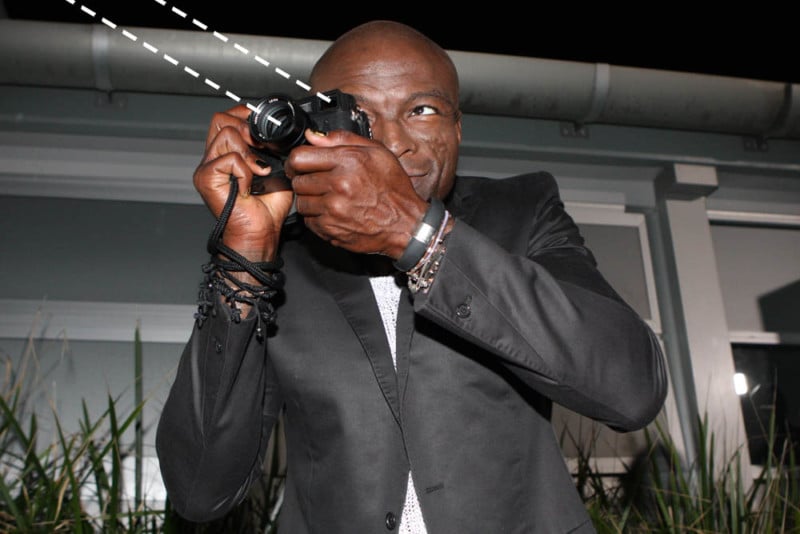
Some higher-end models compensate by shifting the bright frame lines as focus changes, but not every camera offers this correction. At longer distances, parallax is negligible. Digital rangefinders can sidestep the issue using live view or instant review, but with film, the photographer must develop an intimate understanding of their specific camera to account for the offset.
Steep Learning Curve
Rangefinders ask more of the photographer. Manual focus, fixed focal lengths, rudimentary light metering, parallax awareness — the challenges stack up. Film versions add another layer with maximum shutter speeds that sometimes cap at 1/1000 or even 1/500 of a second, which can force compromises on aperture and depth of field. Focusing is most natural with shorter lenses; anything beyond 135mm becomes impractical, and even a 90mm lens can be tricky with close or moving subjects. Macro photography is essentially off the table.
Limited Digital Options and Higher Costs
Very few digital rangefinders are available, and those that exist tend to carry premium prices far exceeding comparable mirrorless bodies. Film rangefinders are more accessible financially, but affordable models may struggle with alignment accuracy, and cheaper units might not maintain precise focus calibration over time.
These constraints explain why most working professionals now rely on advanced mirrorless systems with autofocus zoom lenses and onboard computing power. But photography is also art — and the rangefinder, with all its demands, rewards the patient photographer with an experience no automated system can match.
Rangefinder Cameras Worth Exploring
Film Rangefinders
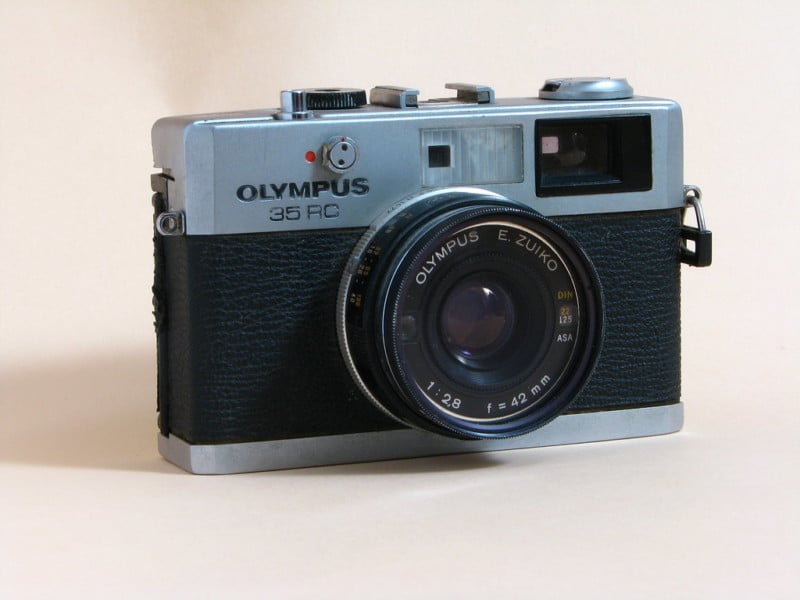
Olympus RC
An incredibly compact camera that balances auto and manual exposure modes while remaining fully mechanical at its core. Powered by a single battery for metering only, the RC is celebrated for its rugged dependability and sharp 42mm f/2.8 lens.
Hasselblad XPan
A unique rangefinder that captures standard 35mm frames and stunning 24x65mm panoramic images on regular 35mm film. Built from titanium and aluminum, the XPan supports interchangeable lenses and delivers a panoramic perspective that remains unmatched in the film world.
Fuji GW690iii
Nicknamed the "Texas Leica" for its generous proportions, this medium format rangefinder produces breathtaking 6x9cm images. Its EBC Fujinon 90mm f/3.5 lens pairs with a no-nonsense, battery-free mechanical design that promises decades of reliable operation.
Canonet
Compact, whisper-quiet, and remarkably affordable, the Canonet has won the hearts of countless film shooters. Its 40mm f/1.7 lens produces images with impressive sharpness and contrast, and the viewfinder includes parallax compensation for tighter compositions.
Digital Rangefinders
Pixii
A fresh entrant from France, Pixii brings rangefinder photography into the modern digital age. It houses a 26-megapixel APS-C BSI CMOS sensor, accepts Leica M-mount lenses, and offers a dedicated monochrome shooting mode. Its interactive optical viewfinder displays essential exposure data alongside the traditional focusing rectangle.
Leica M11
The reigning monarch of the rangefinder lineage, directly descended from the legendary M3. The M11 features a pixel-shifting, full-frame 60-megapixel BSI CMOS sensor, an advanced viewfinder with exposure indicator arrows, and the unmistakable precision of genuine Leica rangefinder engineering — at a price point that firmly places it in luxury territory.
Final Thoughts
Shooting with a rangefinder means embracing simplicity, accepting limitations, and finding joy in the challenge. It is both a love letter and a test of patience — a camera system that devoted users defend passionately while skeptics question endlessly.
What is undeniable is that the rangefinder's classic focusing system, its commitment to optical purity, and its encouragement of deliberate shooting habits make it a tool that genuinely sharpens any photographer's skills. While a digital rangefinder may stretch most budgets, quality film models are available for a fraction of the cost — and they offer the added bonus of learning on film.
The only true way to know whether a rangefinder suits your style is to pick one up and start shooting. That alone is reason enough to give one a try.
Backyard Provider
Your Outdoor Living & Equipment Destination