
Master the fundamentals of your home's heating system and learn how modern furnaces keep your space comfortable throughout the cold months.
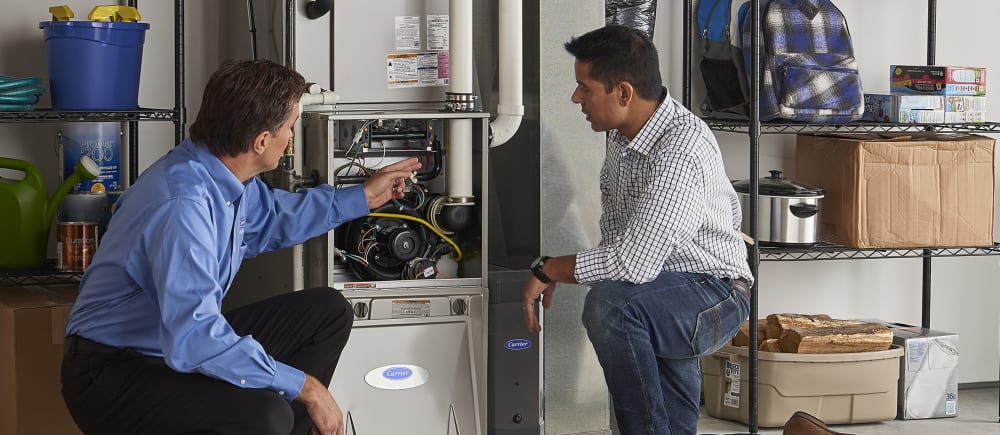
Understanding the operational mechanics of a gas furnace and recognizing its key components can prove invaluable when performing DIY maintenance or troubleshooting common issues. This knowledge also helps you communicate more effectively with HVAC professionals during service appointments. For comprehensive guidance, refer to detailed manufacturer specifications and technical documentation to ensure your family's heating system operates at peak performance.
How Your Furnace Operates: The Complete Cycle
Your furnace follows a sophisticated yet reliable heating sequence designed to maintain consistent indoor temperatures efficiently:
-
Thermostat Activation
When indoor temperature drops below your thermostat's programmed setting, the heating cycle initiates automatically.
-
Fuel Delivery System
Natural gas or propane flows from external supply lines directly into your furnace. A specialized valve regulates this flow, directing fuel into the combustion chamber where the burner assembly is located.
-
Heat Generation Process
Thermal energy from the burning fuel travels into a specialized chamber known as the heat exchanger. Cool air from your indoor environment passes over the exterior surface of this heat exchanger, absorbing warmth efficiently.
-
Air Distribution Network
Once heated to the optimal temperature, your furnace's blower system propels the warm air through an extensive network of supply ducts installed throughout your walls, ceiling spaces, or floor structures.
-
Continuous Circulation
The warming process maintains steady operation as cooler air continuously recirculates back to the furnace through dedicated return air ducts, creating an effective closed-loop system.
-
Temperature Regulation
The thermostat continuously monitors indoor conditions. Upon detecting that temperature has reached your desired set point, it signals the furnace to cease heating operations, conserving energy until the next cycle is required.
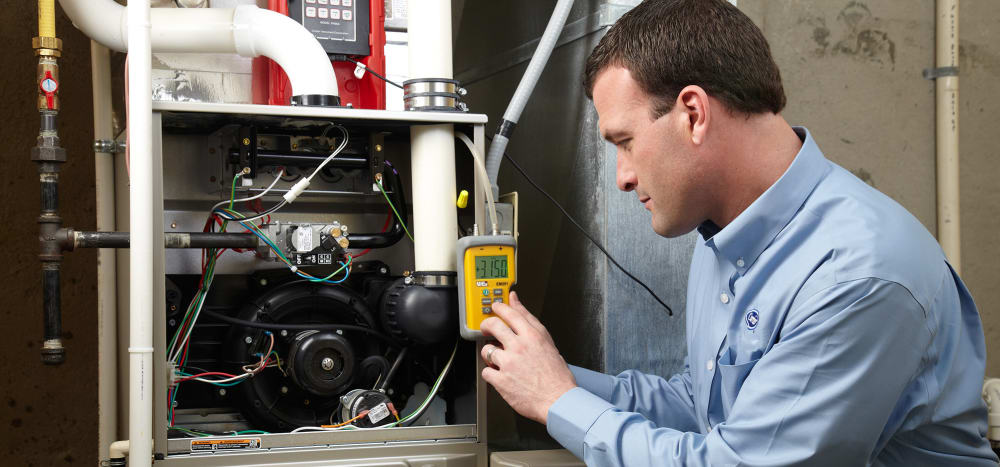
Essential Furnace Components
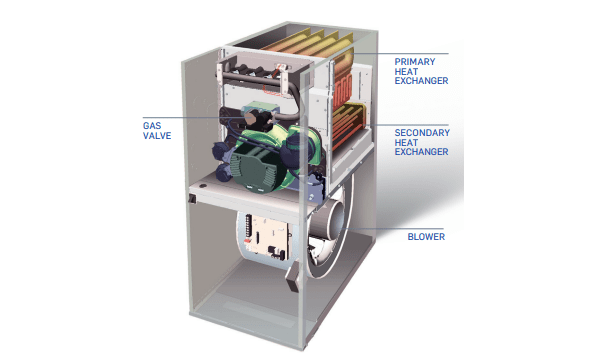
While the heating process may seem straightforward, today's gas furnaces incorporate advanced technology and numerous precision-engineered components. Here's an in-depth examination of the critical parts within your furnace system:
-
Thermostat Control System
Acting as command center for your heating system, the thermostat is typically mounted on interior walls. It governs furnace operation and determines your home's temperature parameters. Modern thermostats can be programmed to create controlled flame patterns for optimal efficiency.
-
Ignition Mechanism
Contemporary furnaces incorporate either spark igniters or hot surface igniters to initiate combustion. These advanced systems have largely replaced traditional pilot lights, offering improved reliability and reduced gas consumption.
-
Electronic Control Board
This sophisticated control system coordinates overall operation. Advanced furnace control boards continuously monitor system conditions, maintain operational history logs, and optimize furnace performance for maximum energy efficiency and comfort delivery.
-
Combustion Chamber
Serving as the primary heat generation zone, this chamber houses your furnace's gas burner assembly. It's engineered to safely contain the combustion process while efficiently transferring thermal energy.
-
Blower Assembly
Critical for gas furnace operation, the blower motor drives air circulation through your residence. Upon entering your furnace system, this component ensures heated air reaches every corner. In combined systems, the same blower mechanism facilitates cooling during warmer seasons.
-
Heat Exchanger Unit
The heat exchanger represents a vital safety and efficiency component. Constructed from either hollow metal tubing or thin metal sheets (commonly aluminum), it's precision-welded to create completely sealed chambers. The heat exchanger captures thermal energy from combustion gases and transfers it efficiently to circulating air, while harmful byproducts including carbon monoxide are safely exhausted outside your home.
-
Gas Control Valve
This valve receives gas from your external supply line and precisely regulates fuel flow entering the furnace system, ensuring optimal combustion efficiency.
-
Air Filtration System
Most furnaces integrate filtration components to maintain indoor air quality. These filters capture airborne particles, pollutants, and debris, ensuring cleaner air circulation and protecting furnace components from contamination.
Modern Furnace Technology
While the fundamental principle of gas furnace operation remains elegantly simple—burning fuel to generate heat that circulates throughout your home—today's high-efficiency gas furnaces feature sophisticated innovations. Advanced systems incorporate smart controls, variable-speed blower motors, and multi-stage heating capabilities that optimize comfort while dramatically reducing operating costs. When evaluating a new heating system installation, it's essential to research efficiency ratings, operational costs, and system reliability. For expert guidance from qualified gas furnace specialists, consider consulting with certified professionals who can assess your specific heating requirements.
Upgrade To High-Efficiency Heating
Discover premium furnace systems engineered for superior performance, exceptional energy efficiency, and long-term reliability. Our selection features industry-leading technology designed to keep your home comfortable while reducing utility expenses.
Lennox Merit Gas System
Professional Service & Expert Consultation
Installation Services
Connect with certified professionals for expert furnace installation services. Proper installation ensures optimal performance, maximum efficiency, and safe operation for years to come.
Repair Solutions
Access reliable furnace repair services from experienced technicians. Quick response times and expert diagnostics keep your heating system operating reliably throughout the season.
System Replacement
When repairs become impractical, our specialists can guide you through selecting and installing a modern, high-efficiency replacement system tailored to your home's specific requirements.
Understanding your furnace system empowers you to make informed decisions about maintenance, repairs, and upgrades. Whether you're troubleshooting a minor issue, planning routine maintenance, or considering a complete system replacement, knowledge of how your furnace operates and its essential components provides valuable insight. Quality heating equipment combined with professional service ensures your home remains comfortable and your family stays warm throughout even the coldest weather conditions.