
Finding the Perfect Washing Solution for Your Space
Selecting the right washing machine is a crucial decision that impacts your daily routine and long-term satisfaction. Whether you're setting up a workshop laundry area, outfitting a rental property, or upgrading your home facilities, understanding the differences between top load and front load washers helps you make an informed choice. Both styles offer unique advantages in capacity, water efficiency, and performance, each designed to meet specific operational needs and space requirements.
Featured Solution
Experience exceptional cleaning power with mega capacity technology designed for maximum efficiency and convenience. Perfect for high-volume laundry needs in any professional or residential setting.
Understanding Your Washing Machine Options
When evaluating washing machines, you're essentially choosing between two proven designs, each with distinct operational characteristics. The decision often comes down to your specific requirements: available installation space, typical load volumes, water conservation priorities, and budget considerations. Both top load and front load machines have evolved significantly, incorporating advanced technologies that deliver superior cleaning performance while addressing traditional limitations.
Key Selection Factors
Before making your investment, evaluate your household's laundry patterns and workspace constraints. Consider factors such as frequency of use, typical load sizes, accessibility requirements, and long-term operational costs. Understanding these elements ensures you select a machine that integrates seamlessly into your daily operations and delivers reliable performance for years to come.
Side-by-Side Comparison
Top Load Washers
Load Capacity
Generally provides larger drum capacity, ideal for handling bulky items and oversized loads with ease.
Water Efficiency
Traditional models consume more water and energy, though modern designs have significantly improved efficiency ratings.
Loading Method
Features convenient top access, eliminating the need to bend down, making loading and unloading more comfortable.
Fabric Care
Agitator mechanisms can be rougher on garments, requiring careful selection of delicate fabric cycles.
Cleaning Performance
Works effectively using agitation methods, particularly efficient for heavily soiled workwear and rugged materials.
Cycle Duration
Typically completes washing cycles faster due to increased water volume and higher agitation speeds.
Design Versatility
Available in multiple configurations including impeller and agitator designs, providing flexibility for various cleaning preferences and performance requirements.
Operational Time
Shorter drying cycles resulting from superior water extraction during higher-speed spin operations.
Front Load Washers
Load Capacity
Usually offers smaller drum volumes but maximizes space efficiency through horizontal orientation.
Water Efficiency
Typically uses significantly less water and energy resources, resulting in reduced operational costs over time.
Loading Method
Requires bending or kneeling for access, though stackable configurations can optimize vertical space usage.
Fabric Care
Gentler tumbling action protects delicate materials, extending garment lifespan and maintaining fabric integrity.
Cleaning Performance
Delivers superior cleaning through tumbling motion and extended wash cycles, ideal for thorough soil removal.
Cycle Duration
Generally requires longer washing periods to maintain moisture conservation standards.
Design Versatility
Restricted design variations with minimal customization for alternative washing methodologies or performance adjustments.
Operational Time
Extended drying requirements due to reduced moisture extraction during spin cycles.
Selecting Your Ideal Washing Machine
Essential Considerations
Determining the right washing machine involves evaluating several critical factors that directly impact your satisfaction and operational efficiency. Take time to assess your specific situation comprehensively before making this important investment.
Evaluate Your Requirements
Analyze your family size, laundry volume, and washing frequency patterns. Consider whether you regularly handle oversized items like comforters or work uniforms that require specific cleaning approaches. Understanding your typical usage scenarios helps narrow down the most practical options.
Assess Available Space
Measure your installation area carefully, accounting for door clearance, ventilation requirements, and service access. Determine if vertical stacking capability would benefit your space utilization. Proper spatial planning prevents installation complications and ensures optimal machine performance.
Calculate Long-Term Costs
Factor in anticipated utility expenses beyond the initial purchase price. Water-efficient models may command higher upfront costs but deliver substantial savings throughout their operational lifespan. Consider maintenance requirements and potential repair expenses when budgeting for your investment.
Consider Fabric Types
Identify the materials you wash most frequently. Delicate fabrics benefit from gentler cleaning methods, while heavy-duty work clothes may require more aggressive washing action. Matching machine capabilities to your fabric care needs ensures optimal cleaning results and garment longevity.
Performance Specifications to Review
Capacity Requirements
Washing machine capacity is measured in cubic feet, indicating the drum volume available for laundry. Compact households typically function well with 3.5 to 4.5 cubic feet capacity. Medium-sized families benefit from 4.5 to 5.5 cubic feet ranges. Large households or commercial applications should consider 5.5 cubic feet or greater for efficient operation.
Individual preferences vary based on washing habits. If you prefer frequent small loads, a moderately-sized machine proves more economical. For those who batch laundry weekly or handle substantial items regularly, investing in larger capacity equipment reduces wash cycles and improves time efficiency.
Determining Optimal Capacity
Calculate your capacity needs by considering several practical factors. Count the number of people generating laundry in your household. Evaluate how often you realistically want to run washing cycles. Account for seasonal variations when you might wash heavier items like blankets or outdoor gear.
Professional recommendations suggest allowing 1.5 to 2.0 cubic feet per household member for comfortable operation. This guideline provides adequate capacity without excessive energy waste from under-filled loads. Remember that cramming maximum capacity affects cleaning quality, so size appropriately for your actual usage patterns rather than theoretical maximums.
Efficiency Standards
Modern washing machines must meet stringent efficiency criteria established by regulatory agencies. These standards measure water consumption, energy usage, and cleaning effectiveness. High-efficiency models qualify for utility rebates in many regions, offering additional cost savings beyond reduced operational expenses.
When comparing machines, review the Energy Guide labels that display estimated annual operating costs. Factor these ongoing expenses into your total ownership calculations. An efficient machine might cost more initially but delivers superior value through reduced utility bills and environmental impact over its 10-15 year service life.
Modern Technology Integration
Smart Connectivity
WiFi-enabled washers allow remote cycle monitoring, custom program downloads, and diagnostic alerts through mobile applications. Smart features provide operational flexibility and proactive maintenance notifications.
Steam Cleaning
Steam technology penetrates fabric fibers effectively, removing stubborn stains and allergens while sanitizing loads. This feature proves particularly valuable for households with sensitivities or young children.
Load Sensing
Automatic load detection adjusts water levels and cycle parameters based on laundry weight and fabric type. This optimization reduces resource waste while ensuring thorough cleaning across varying load sizes.
Quick Wash Cycles
Express washing programs complete lightly-soiled loads in 15-30 minutes, perfect for urgent laundry needs. These cycles balance speed with cleaning effectiveness for time-sensitive situations.
Allergen Cycles
Specialized programs use elevated temperatures and extended rinse cycles to eliminate common allergens, dust mites, and pet dander. Essential for maintaining healthy living environments for sensitive individuals.
Vibration Control
Advanced suspension systems minimize operational noise and movement during high-speed spin cycles. This technology enables installation in more locations without disturbing living spaces or causing structural concerns.
Premium Top Load Solution
Advanced Washing Technology
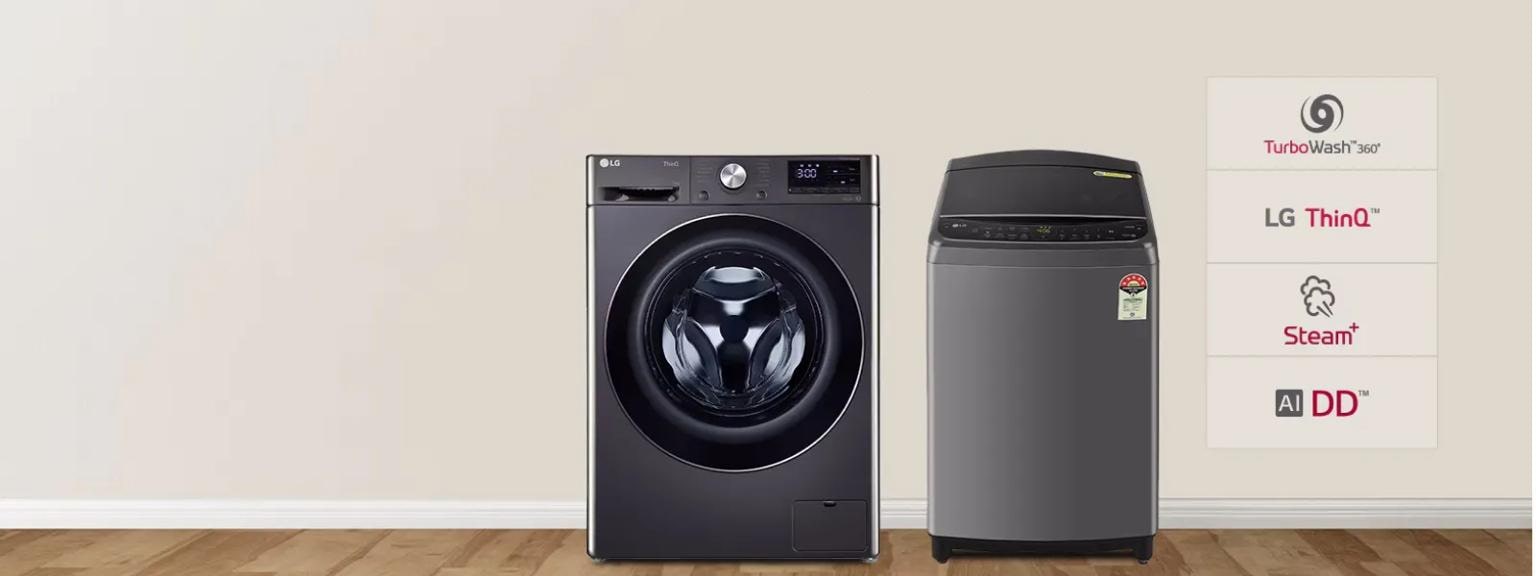
Experience the pinnacle of top load washing performance with mega capacity design that handles your largest loads effortlessly. Smart WiFi connectivity provides complete control and monitoring from anywhere, while TurboWash3D technology delivers powerful cleaning action that penetrates deep into fabric fibers.
Key Advantages
✓ Massive 5.5 cubic foot capacity for industrial-scale laundry volumes
✓ Smart WiFi integration for remote operation and diagnostics
✓ TurboWash3D technology for superior cleaning performance
✓ Professional graphite steel finish for lasting durability
Installation Planning
Proper installation ensures optimal machine performance and longevity. Whether you're setting up a new laundry area or replacing existing equipment, careful planning prevents operational issues and maximizes your investment value.
Space Requirements
Measure your installation area including height, width, and depth. Allow minimum 6 inches clearance behind machines for proper ventilation and plumbing connections. Consider door swing radius and access pathways for loading and maintenance activities.
Utility Connections
Verify adequate water supply pressure and drainage capacity. Ensure electrical outlets match machine voltage requirements and have proper grounding. Professional installation recommended for gas dryers or complex plumbing configurations.
Flooring Support
Confirm floor can support combined weight of washer plus full water load (typically 300-400 pounds total). Level surface prevents excessive vibration during spin cycles. Anti-vibration pads reduce noise transmission through structural elements.
Extending Machine Lifespan
Regular maintenance preserves washing machine performance and prevents costly repairs. Following manufacturer recommendations ensures reliable operation throughout the expected service life of 10-15 years.
Regular Cleaning
Wipe drum interior and door seals monthly to prevent mildew buildup. Run cleaning cycles quarterly using manufacturer-approved products to maintain optimal hygiene standards.
Filter Maintenance
Check and clean lint filters after every load. Inspect drain pump filters monthly for debris accumulation that could restrict water flow or damage components.
Proper Loading
Avoid overloading beyond rated capacity, which strains mechanical systems and reduces cleaning effectiveness. Distribute items evenly to minimize vibration during operation.
Detergent Usage
Use high-efficiency detergent in HE machines to prevent excess sudsing. Follow dosage recommendations - more detergent doesn't improve cleaning and may leave residue.
Hose Inspection
Examine water supply hoses annually for cracks, bulges, or wear. Replace every 3-5 years regardless of appearance to prevent catastrophic failures and water damage.
Door Management
Leave washer door open between cycles allowing interior to dry completely. This simple practice prevents mold growth and eliminates musty odors in front-load models.
Total Ownership Investment
Understanding complete ownership costs extends beyond initial purchase price. Factoring operational expenses, maintenance requirements, and expected lifespan provides realistic budget expectations and helps justify investment in premium efficiency features.
Initial Purchase Considerations
Top load washers typically range from $500-$1,200 for quality models with standard features. Premium units with advanced technology command $1,200-$1,800. Front load machines generally start around $700 for basic models, extending to $2,000+ for high-end options with comprehensive feature sets.
Installation costs vary based on complexity. Basic hookup to existing connections runs $50-$150. New utility line installation or significant modifications can add $200-$500 to total project expenses.
Operating Expenses
Annual utility costs depend heavily on usage frequency and machine efficiency ratings. Traditional top loaders average $50-$150 yearly in electricity and water expenses. High-efficiency models reduce this to $30-$80 annually through optimized resource consumption.
Detergent expenses factor into ongoing budgets. HE machines require less product per load, potentially saving $20-$40 yearly compared to conventional washers. However, specialized HE detergent may cost slightly more per unit than standard formulations.
Long-Term Value
Quality washing machines deliver 10-15 years of reliable service with proper maintenance. Over this lifespan, efficiency differences compound significantly. A front loader saving $100 annually in utilities returns $1,000-$1,500 in operational savings, often exceeding any premium in purchase price.
Extended warranties provide peace of mind but require careful evaluation. Standard manufacturer coverage typically includes 1 year comprehensive protection plus additional coverage on major components. Extended plans cost $100-$300 and may prove worthwhile for high-end machines with complex electronics.
Environmental Responsibility
Modern washing machines contribute significantly to household resource conservation efforts. Selecting efficient models reduces environmental impact while lowering operational costs, creating a sustainable approach to essential laundry operations that benefits both your budget and the planet.
Water Conservation
HE washers use 35-50% less water per load compared to traditional models, saving thousands of gallons annually for typical households.
Energy Efficiency
ENERGY STAR certified machines reduce electricity consumption by 25% or more, significantly decreasing carbon footprint and greenhouse gas emissions.
Detergent Reduction
Modern designs require less cleaning product per load, minimizing chemical discharge into water systems and reducing environmental contamination.
Addressing Common Questions
Will switching to HE machines change my laundry routine?
HE machines require minor adjustments but deliver comparable or superior results. Use HE-specific detergent in recommended amounts - typically less than conventional formulas. Cycles run longer due to optimized water usage, but clothing emerges cleaner with better soil removal. Most users adapt quickly and appreciate the improved efficiency and performance.
How do I prevent odor issues in front-load washers?
Odor prevention requires simple maintenance habits. Leave the door open between loads allowing complete interior drying. Wipe door gaskets monthly removing trapped moisture and residue. Run cleaning cycles monthly using manufacturer-approved products. These practices eliminate the conditions that allow mildew growth, keeping your machine fresh and hygienic.
Can I install a washing machine myself?
Basic installation to existing connections is manageable for handy homeowners with proper tools and preparation. Ensure adequate water pressure, verify drain capacity, and confirm electrical requirements match available circuits. However, new utility line installation, gas dryer hookups, or structural modifications warrant professional service to ensure code compliance and prevent costly mistakes.
What capacity do I actually need?
Capacity requirements scale with household size and washing frequency. Single individuals or couples function well with 3.5-4.5 cubic feet. Families with 3-4 members benefit from 4.5-5.5 cubic feet capacity. Larger households or those washing bulky items regularly should consider 5.5+ cubic feet for operational efficiency and reduced cycle frequency.
Are smart features worth the additional cost?
Smart connectivity adds $100-$300 to purchase price but provides valuable benefits. Remote monitoring prevents leaving wet laundry sitting, while diagnostic alerts identify problems early preventing major repairs. Custom cycle downloads optimize performance for specific fabrics. For tech-comfortable users valuing convenience, these features deliver worthwhile returns through improved efficiency and reduced maintenance costs.
Ready to Upgrade Your Laundry Experience?
Discover the perfect washing solution that combines capacity, efficiency, and advanced technology for your specific needs. Invest in quality equipment that delivers reliable performance for years to come.
Explore Premium WashersMaking Your Final Decision
Selecting between top load and front load washing machines ultimately depends on your unique circumstances and priorities. Both designs have evolved tremendously, incorporating technologies that address historical limitations while maintaining their core advantages. Top loaders excel in convenience, capacity, and faster cycle times, making them ideal for busy households managing large laundry volumes. Front loaders shine in efficiency, gentle fabric care, and space optimization, perfect for those prioritizing resource conservation and stackable installations.
Consider your daily routines, physical requirements, budget constraints, and long-term goals. Test machines in showrooms when possible, experiencing loading methods and control interfaces firsthand. Read user reviews focusing on reliability and customer satisfaction over multiple years. Calculate total ownership costs including utilities, maintenance, and expected lifespan rather than focusing solely on purchase price.
Remember that the best washing machine is the one that fits seamlessly into your life, delivering reliable performance without constant attention. Invest in quality construction and proven technology, then maintain your machine properly to maximize your return on investment. With careful selection and proper care, your new washer will provide years of dependable service, making laundry day more efficient and less burdensome.