
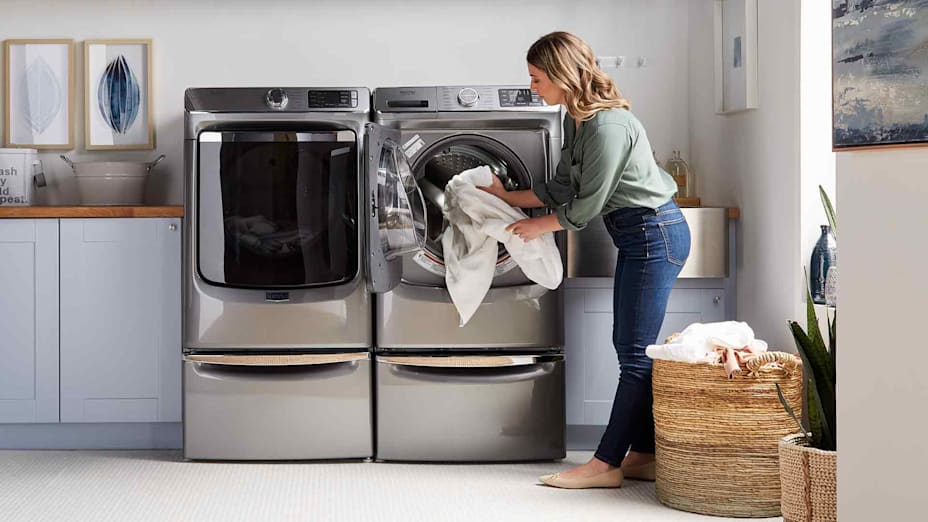
What Defines a Great Washer?
Selecting a washing machine goes well beyond looks and price tags. The right washer should tackle stubborn stains, handle your household's laundry load without complaint, and do it all without sending your utility bills through the roof. Whether you're upgrading an aging unit or outfitting a brand-new laundry room, understanding the core qualities of a dependable washer is the first step toward a smarter purchase.
Deep Cleaning Power
A quality washer delivers thorough cleaning performance on every cycle. Look for models with multiple wash motions and strong water circulation that penetrate fabric fibers to lift out dirt, oils, and odors effectively.
Generous Capacity
Drum size matters more than most buyers realize. A roomy tub lets you wash comforters, towels, and large loads in a single cycle — saving time and reducing the number of washes each week.
Customizable Cycles
From delicate silks to muddy workwear, versatile cycle options let you match water temperature, spin speed, and soak time to the exact demands of each load.
Water & Energy Savings
Modern high-efficiency washers use significantly less water and electricity than older models. Energy Star-rated units help the planet and your wallet at the same time.
Smart Connectivity
Wi-Fi-enabled washers let you start, pause, and monitor cycles from your phone. Some models even diagnose issues remotely and send alerts when a load is done.
Long-Term Reliability
A washer is a long-term investment. Trusted brands with solid warranty coverage and durable construction mean fewer service calls and years of dependable performance.
Which Type of Washer Should You Choose?
Every washer style brings its own set of strengths and trade-offs. Understanding the differences will help you zero in on the best match for your home, habits, and budget.
| Feature | Front-Load Washers | Top-Load Agitator | High-Efficiency Top-Load |
|---|---|---|---|
| Price Range | $800 – $1,600+ | $500 – $1,000 | $700 – $1,300 |
| Water Usage | Low — most efficient | Higher — fills the tub | Low to moderate |
| Cleaning Style | Tumbling action, gentle on clothes | Central agitator, vigorous wash | Impeller plate, balanced cleaning |
| Capacity | Large — great for bulky items | Moderate — agitator takes space | Large — open drum design |
| Best For | Efficiency-focused households | Budget-friendly, heavy-soil loads | Families wanting both convenience & savings |
Front-load machines tend to use less water and energy per cycle, but top-load washers offer the convenience of adding forgotten items mid-cycle. If you frequently deal with heavy or soiled loads, a top-load with a traditional agitator may be your best bet.
Should You Bundle a Washer & Dryer?
Many manufacturers design washers and dryers as matched pairs — built to complement each other in capacity, style, and even cycle synchronization. Purchasing a set often unlocks package discounts and ensures a streamlined look in your laundry space.
However, there are practical advantages to buying separately as well. If your current dryer is still performing well, replacing only the washer lets you put your budget toward a higher-end model with premium features. Evaluate the age and condition of both appliances before deciding.
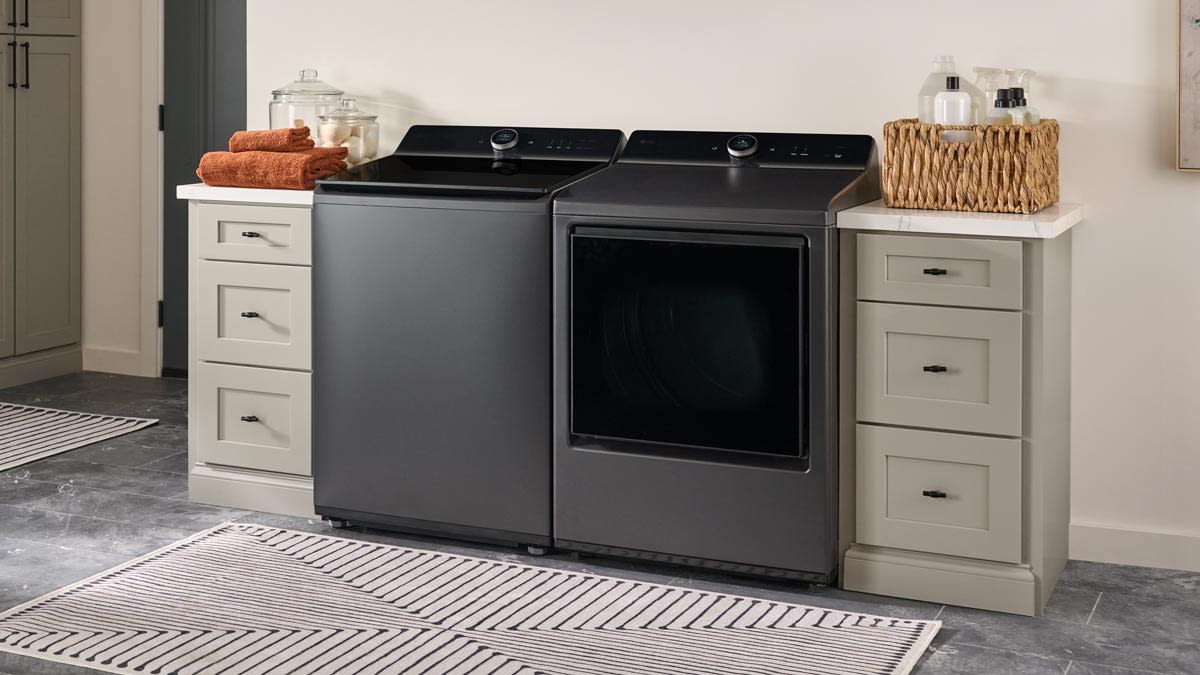
Finding a Washer That Fits Your Space
Measure twice, buy once. Ensuring a proper fit prevents headaches on delivery day and maximizes the usability of your laundry area.
Measure the Area
Record the width, depth, and height of your designated space. Leave at least one inch on each side for airflow and vibration clearance.
Check Doorways & Hallways
Confirm the washer can physically get to the laundry area. Tight corners and narrow doorframes are the most common delivery obstacles.
Consider Stacking
Short on floor space? A stackable front-load pair or an all-in-one washer-dryer combo can fit into closets and tight corners that side-by-side units cannot.
Don't Forget the Hookups
Verify the location of water supply lines, drain connections, and electrical outlets. Moving plumbing or wiring adds cost and complexity to any installation.
Compact washers (typically 24 inches wide) are ideal for apartments, condos, and secondary laundry stations. They fit under countertops and inside closets while still delivering respectable capacity for small households.
How Much Capacity Do You Actually Need?
Washer capacity is measured in cubic feet, and the right size depends on how much laundry your household produces each week. Undersized machines mean extra loads and wasted time, while oversized units waste water and energy on smaller loads.
Household Size Guide
1–2 people: A compact 2.0–3.5 cu. ft. washer handles daily essentials comfortably.
3–4 people: Mid-range models between 3.5–4.5 cu. ft. strike the right balance of capacity and efficiency.
5+ people: Large-capacity washers of 4.5 cu. ft. or more let you power through king-size bedding and heavy loads with ease.
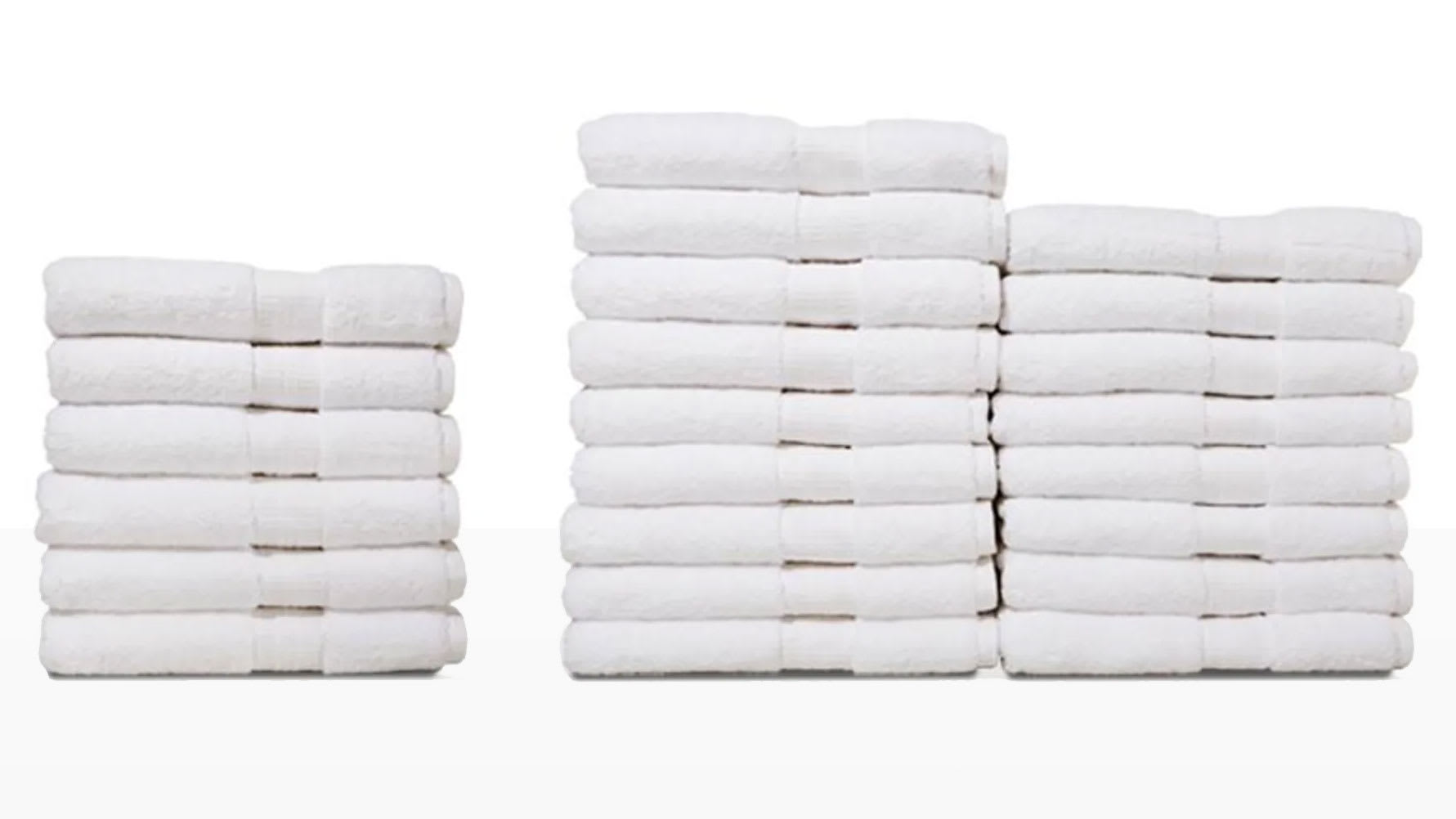
A 5.5 cu. ft. mega-capacity washer can handle a full king-size comforter along with a set of sheets in a single cycle — eliminating the need for trips to the laundromat for bulky items.
Featured Washer
Explore the LG 5.5 cu. ft. Mega Capacity Smart Top Load Washer with TurboWash3D™ — built for large households that demand powerful, efficient cleaning with the convenience of Wi-Fi connectivity.
LG 5.5 Cu. Ft. Smart Top Load WasherWhat Makes a Washer Eco-Friendly?
Environmentally conscious certifications help you identify washers that minimize resource consumption without compromising on cleaning results.
Water Efficiency — Uses optimized fill levels and recirculation to cut water consumption per cycle.
Brand Reliability — Trusted manufacturers build washers that last longer, reducing landfill waste over time.
Energy Efficiency — High-efficiency motors and advanced cycle logic reduce electricity consumption significantly.
Low Noise & Vibration — Balanced drum technology keeps the machine quiet and stable, protecting flooring and reducing disturbance.
Shipping Footprint — Some manufacturers offset shipping emissions or use recycled packaging materials.
Mild Detergent Compatibility — HE washers work effectively with concentrated, low-suds detergents that are gentler on waterways.
Helpful Features Worth Looking For
Modern washing machines come packed with convenience features that go far beyond basic wash and spin. Here are some innovations that can genuinely improve your laundry routine.
TurboWash™ Technology
Powerful jet sprays combined with rapid drum movements dramatically cut cycle times while maintaining thorough cleaning — perfect for busy schedules.
Steam Cleaning
Built-in steam generators loosen tough stains and sanitize fabrics without harsh chemicals, ideal for allergy sufferers and households with young children.
Auto Dispensers
Detergent and fabric softener reservoirs that auto-dose the correct amount for each load eliminate guesswork and prevent overuse.
Noise Reduction Systems
Advanced vibration damping and direct-drive motors make modern washers remarkably quiet — a must if your laundry area is near living spaces.
Extra Rinse Cycles
An additional rinse option ensures every trace of detergent is removed, keeping sensitive skin comfortable and fabrics feeling fresh.
Stainless Steel Drums
Durable stainless interiors resist chipping, odors, and bacteria buildup, ensuring a hygienic washing environment for years.
How to Keep Your Washer Running Strong
A few simple maintenance habits can extend the life of your washer by years and keep every load smelling fresh.
Run a Monthly Cleaning Cycle
Use a washer cleaner tablet or a cup of white vinegar on the hottest setting with an empty drum. This dissolves residue, prevents mold, and keeps internal components fresh.
Leave the Door Open After Each Wash
Especially important for front-loaders — leaving the door ajar allows air circulation that prevents mildew and musty odors from developing inside the drum and gasket.
Wipe Down Seals and Gaskets
Moisture collects in the rubber door seal after every cycle. A quick wipe with a dry cloth removes trapped water and lint, stopping mold before it starts.
Clean the Filter Regularly
Many washers have a debris filter that catches lint, coins, and small objects. Check and clean it every month to maintain drainage performance and prevent clogs.
Use the Right Detergent
High-efficiency washers require HE detergent. Using regular detergent creates excessive suds that can reduce cleaning effectiveness and even damage internal components over time.