
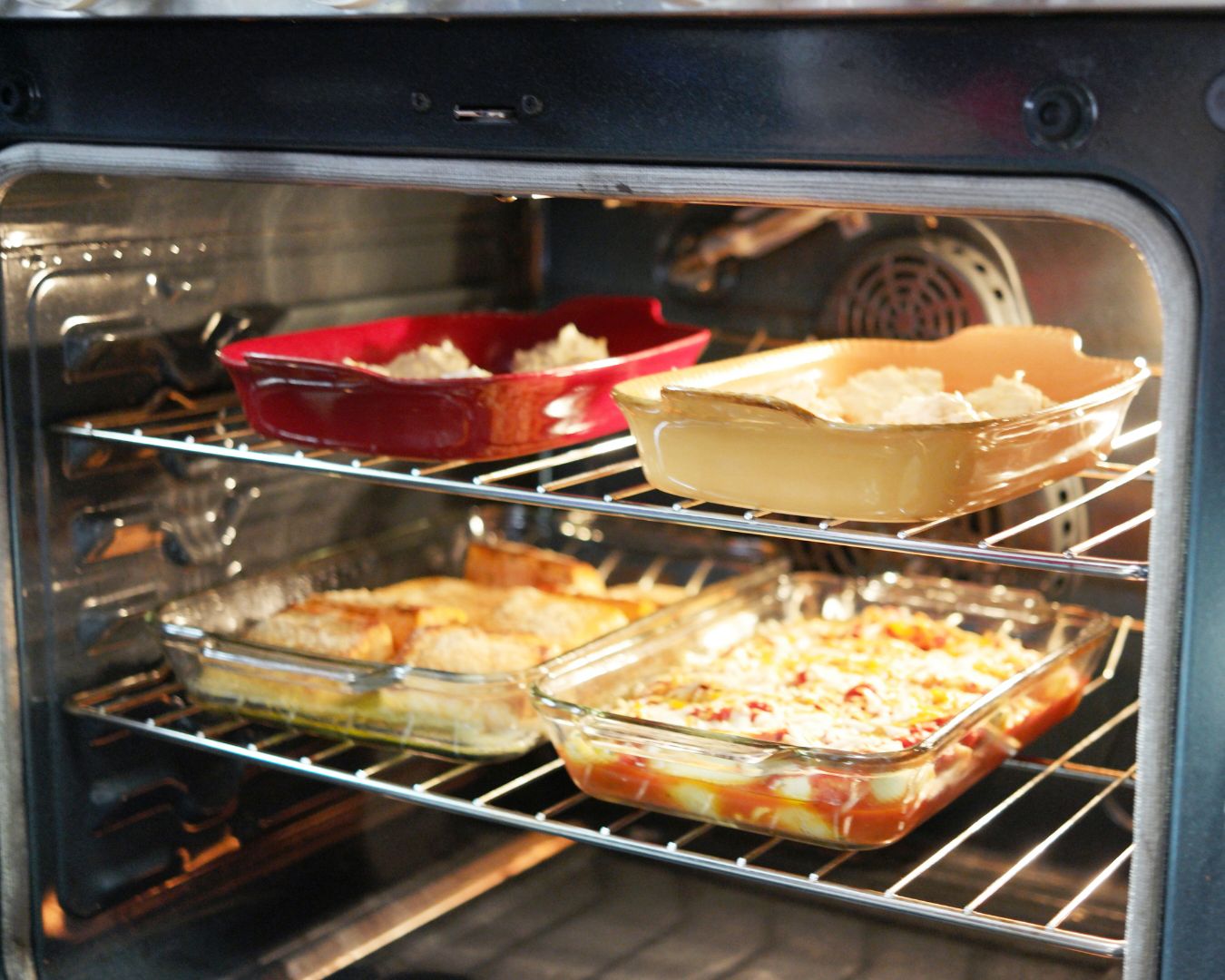
Conventional Wall Ovens Explained
The Mechanics Behind Them
Traditional wall ovens operate using heating elements positioned at the top and bottom of the cooking chamber. These elements produce heat that radiates outward, warming your food through direct thermal energy and the natural movement of air—hot air rises while cooler air sinks, creating passive circulation within the oven space.
Performance Characteristics
These ovens shine when preparing classic baked goods and roasted dishes. They deliver dependable, consistent outcomes for recipes demanding stable, even temperatures. That said, the absence of forced air movement can occasionally result in uneven heating zones within the cavity.
Best Applications
Conventional ovens truly excel with casseroles, delicate cookies, and cakes requiring precise temperature management. They're equally impressive for roasting meats and vegetables when you want slower, more controlled cooking that develops rich flavors and tender textures.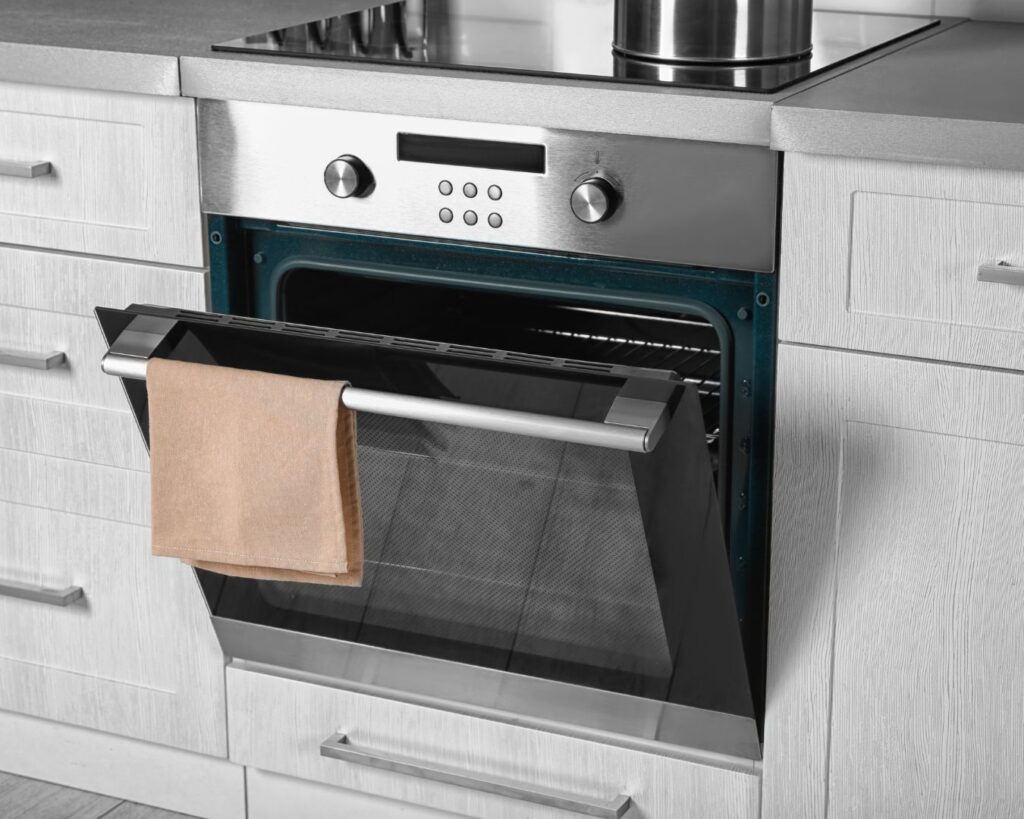
Convection Wall Ovens Explained
The Technology at Work
Convection ovens incorporate a built-in fan along with an additional heating element typically mounted at the rear. This fan actively pushes heated air throughout the cooking space, eliminating cold pockets and ensuring your food receives uniform heat exposure from every angle.
Performance Benefits
The standout feature of convection cooking is remarkably even heat distribution combined with faster cook times. The continuously circulating air ensures every portion of your dish cooks at the same rate, making these ovens ideal for batch baking multiple cookie sheets or preparing large roasts to perfection.
Best Applications
Convection technology is outstanding for achieving flaky pies, crusty artisan breads, and beautifully bronzed pastries. The enhanced air circulation also produces exceptional results when roasting vegetables and meats, promoting gorgeous caramelization and crispy exteriors while keeping interiors moist.
Essential Differences to Consider
Heat Distribution
Convection ovens deliver notably superior heat uniformity thanks to their integrated fan system. Traditional ovens may develop hot spots and uneven zones, often requiring you to rotate pans or rearrange racks mid-cook for optimal results.
Cooking Speed
Thanks to efficient air circulation, convection ovens typically complete cooking tasks faster than their conventional counterparts. Expect time savings of approximately 20-25% on most recipes, making them excellent for busy households.
Temperature Settings
When cooking with convection, you'll generally want to reduce your temperature setting by about 25°F (14°C) compared to what a recipe specifies for conventional cooking. This adjustment accounts for the increased efficiency of circulated heat.
Energy Consumption
Convection ovens often prove more economical over time since they cook faster and operate effectively at lower temperatures. This efficiency translates to reduced energy bills and a smaller environmental footprint in your kitchen.
Selecting Your Ideal Wall Oven
Assess Your Cooking Habits
Think about how you actually use your oven day-to-day. If you regularly bake large batches of cookies, prepare multiple dishes simultaneously, or frequently roast substantial cuts of meat, a convection oven's even heating and reduced cook times could revolutionize your kitchen routine.
Measure Your Available Space
Both convection and conventional wall ovens are manufactured in various dimensions and configurations. Carefully measure your existing cabinet opening or planned installation area to ensure your chosen model integrates seamlessly with your kitchen's design.
Weigh Cost Against Value
While convection models typically carry higher price tags initially, their improved performance and energy efficiency often justify the investment over years of use. Consider your cooking frequency and long-term savings when evaluating options within your budget.
Recognizing what separates convection from conventional wall ovens empowers you to choose the right appliance for your unique needs. Convection ovens excel at speed and uniformity—perfect for ambitious home chefs and busy families. Conventional ovens provide tried-and-true reliability for classic recipes. By evaluating your cooking preferences, kitchen dimensions, and budget priorities, you'll find the perfect oven to enhance every meal you create.