
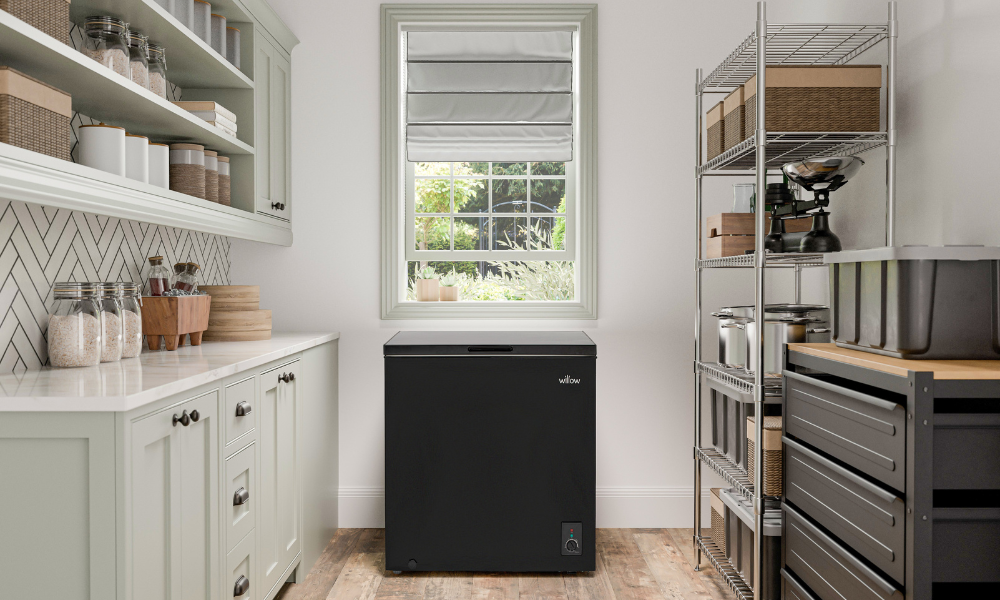
Chest freezers have emerged as an essential appliance for households seeking efficient food storage solutions. Whether you're managing a bustling household that requires additional freezer capacity or you're focused on reducing grocery expenses, chest freezers deliver exceptional value and practicality.
What Are The Benefits?
If you haven't made the investment yet and you're still weighing your options, here are compelling reasons why a chest freezer deserves a place in your home.
Exceptional Storage Capacity
If you prefer purchasing groceries in larger quantities, you'll appreciate the substantial storage space a chest freezer provides compared to conventional fridge freezers. You can stock up on family favorites, preserve seasonal produce at peak freshness, and maintain an organized inventory of frozen goods. This expanded capacity enables you to shop less frequently, capitalize on bulk purchasing discounts, and always have ingredients ready when you need them.
Store Oversized Items
Vertical freezers and traditional refrigerator freezers often lack the space needed for larger items, but that's where chest freezers truly shine. Standard freezer compartments feature restrictive shelving that makes storing bulkier items challenging. Chest freezers offer unrestricted interior space, perfect for accommodating oversized packages, whole cuts of meat, large containers, party platters, homemade casseroles, and bulk-sized items without the hassle of rearranging or forcing items to fit.
Budget-Friendly Operation
Compared to upright freezers, chest freezers typically cost less to operate. This efficiency stems from their design, which naturally retains cold air better due to the top-opening configuration. The reduced frequency of door openings means less cold air escapes compared to front-opening models. Additionally, chest freezers feature airtight seals that lock in the cold when closed. This superior insulation reduces the workload on the compressor, translating to lower energy consumption and reduced utility bills over time.
Where Would You Store A Chest Freezer?
Since chest freezers feature top-opening lids, they're not practical for placement beneath kitchen countertops. You'll need to allocate appropriate floor space, keeping in mind that they occupy more square footage than upright models with their horizontal footprint. Chest freezers work wonderfully in utility areas, and if your kitchen lacks sufficient space, consider alternative locations such as pantries, garages, basements, or mudrooms.
It's essential to understand that freezers may cease functioning if ambient temperatures drop too low or climb too high. Always verify your freezer's temperature specifications in the owner's manual. The unit must be positioned on a level, stable surface and kept away from heat-generating sources like radiators, cooking appliances, or water heaters. All freezers need adequate ventilation around them to dissipate heat effectively. When installed too close to walls or heat sources, the motor must work harder to maintain proper temperatures, which diminishes both efficiency and the appliance's lifespan.
How Often Do You Need To Defrost A Freezer?
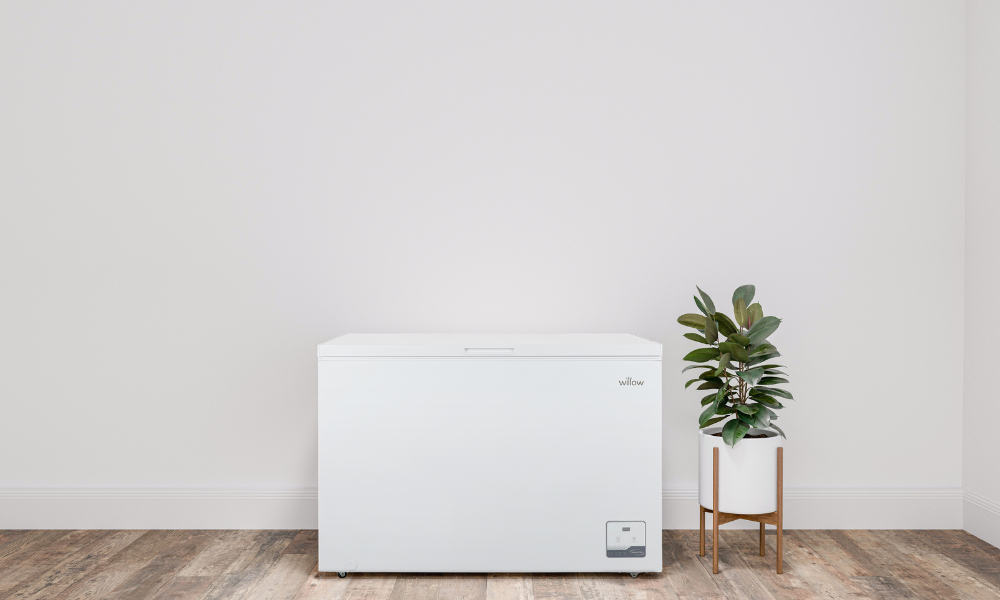
Since chest freezers typically don't include automatic defrost functionality, they require periodic manual defrosting. It's advisable to defrost any manual chest freezer at least annually. If you observe frost accumulation reaching approximately one-quarter inch thickness, that signals it's time for defrosting. Each time you access your freezer, external air enters and condensation develops inside. Over time, this moisture transforms into frost that coats the interior walls. When ice buildup becomes excessive, your freezer must work harder to maintain temperature, and you should defrost your chest freezer about once yearly.
How Do You Defrost A Chest Freezer?
If you want to understand the most efficient defrosting method that minimizes food waste, simply follow our straightforward instructions. Defrosting shouldn't take more than a few hours under normal circumstances. However, if ice accumulation is particularly severe, the process could extend up to 24 hours. This is one of those maintenance tasks that many people postpone, but it's absolutely necessary.
Preparation
When you've allocated sufficient time for defrosting, ensure you have adequate space nearby. The ideal approach is to relocate items to a secondary freezer. Alternatively, store food in insulated coolers or use ice packs to maintain low temperatures. You can position wet newspaper around the freezer as preparation for water drainage.
The Waiting Period
Treat defrosting time as an opportunity to use items that have been stored long-term. You can also transfer contents to another freezer or cooler with ice to prevent thawing. Be sure to remove all storage baskets as well.
Defrosting Process
After all items are removed, power down and disconnect the freezer. Leave the lid open and allow ice to melt naturally. If this seems too time-consuming, you can accelerate the process with a scraper to remove accumulated ice. A fan directed toward the freezer can also speed up melting. As ice begins thawing and water collects, use towels to absorb moisture. With proper maintenance, your freezer shouldn't require more than two to three hours for complete defrosting.
Cleaning
Once ice has completely melted, proceed with thorough interior cleaning. Use heated soapy water with a cloth to wipe down all surfaces. For enhanced cleaning power, create a solution of baking soda mixed with water. Combine the baking soda solution into a paste, then use a soft cloth to clean the interior. Rinse thoroughly and ensure complete drying. Avoid using abrasive cleaners or scouring pads that could damage seals.
The concluding step, after verifying the freezer is completely clean, is drying it thoroughly. This is critically important. Any residual moisture will immediately turn to ice once the freezer restarts.
What To Do After Defrosting A Chest Freezer
When you feel confident that your chest freezer is thoroughly dry and spotless, it's time to restore power. Reconnect the appliance to its power source and activate it. Allow the freezer to stabilize and settle for at least four hours before restocking. Position it correctly in its designated location, maintaining distance from heat-generating sources, and power it on. The freezer should run undisturbed to reach optimal temperature before you begin loading frozen items again.
Ready To Upgrade Your Storage?
Discover the perfect chest freezer solution for your home with exceptional capacity, energy efficiency, and reliable performance.
Maxx Cold 30 cu ft Chest Freezer