
Most modern washing machines include a soil level setting that controls how aggressively a cycle cleans your load. These settings adapt the wash time, water temperature, and detergent dosage to match how dirty your laundry actually is — so every wash is as efficient as it is effective.
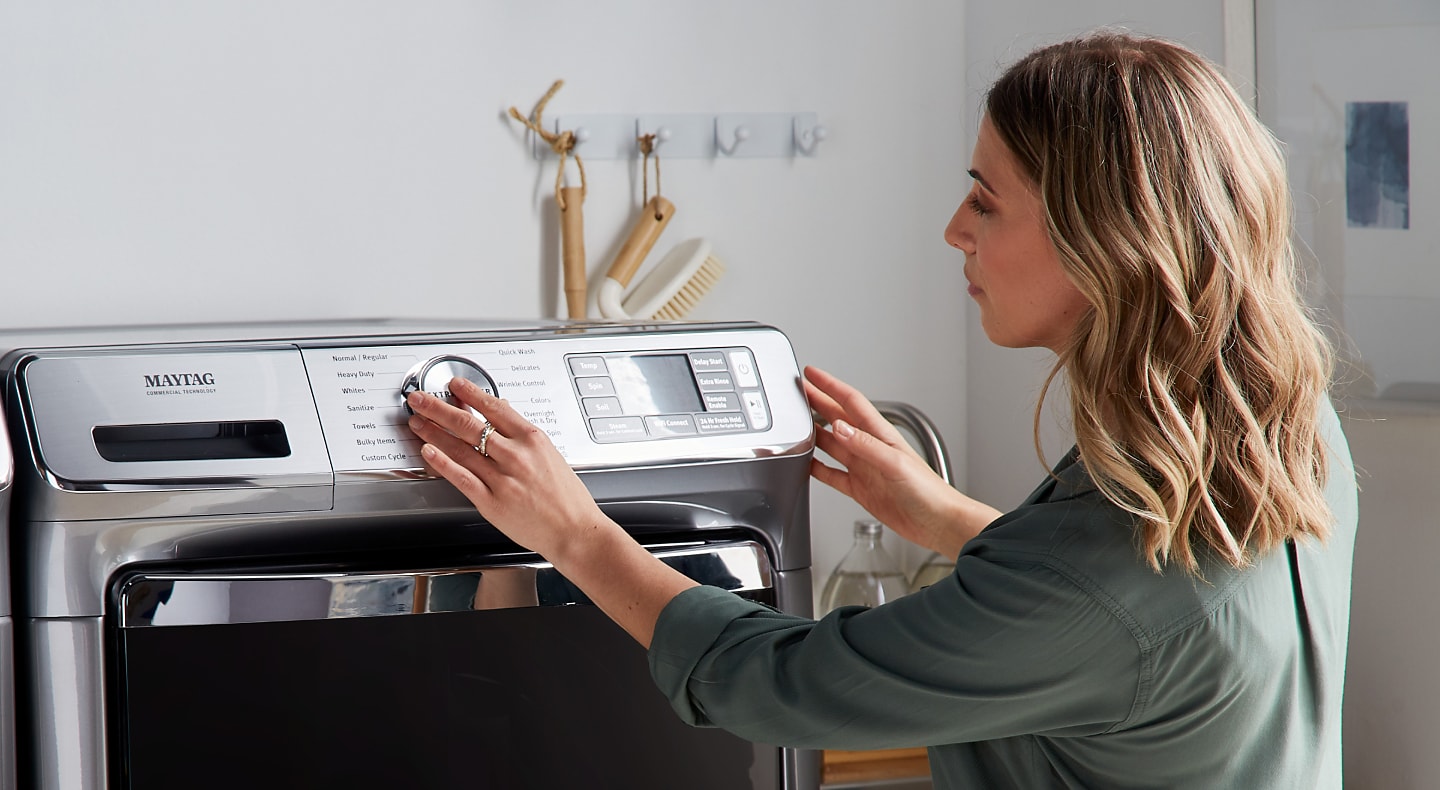
What Soil Level Should You Use?
The right soil level comes down to two things: how dirty the clothes are, and what fabric you're washing. Lightly worn items like a shirt you had on for a few hours don't need the same power as a muddy pair of work pants or a pet's blanket.
For everyday clothes that aren't heavily soiled, a low or medium setting keeps things gentle and efficient. Reserve the high setting for heavily stained items, sports uniforms, or anything caked with visible dirt or grime. When in doubt, always check your garment's care label — it'll steer you in the right direction.
💡 Pro Tip: Using a soil level that's too high for delicate fabrics can cause unnecessary wear. Always match the setting to the fabric type and actual level of dirt — not just habit.
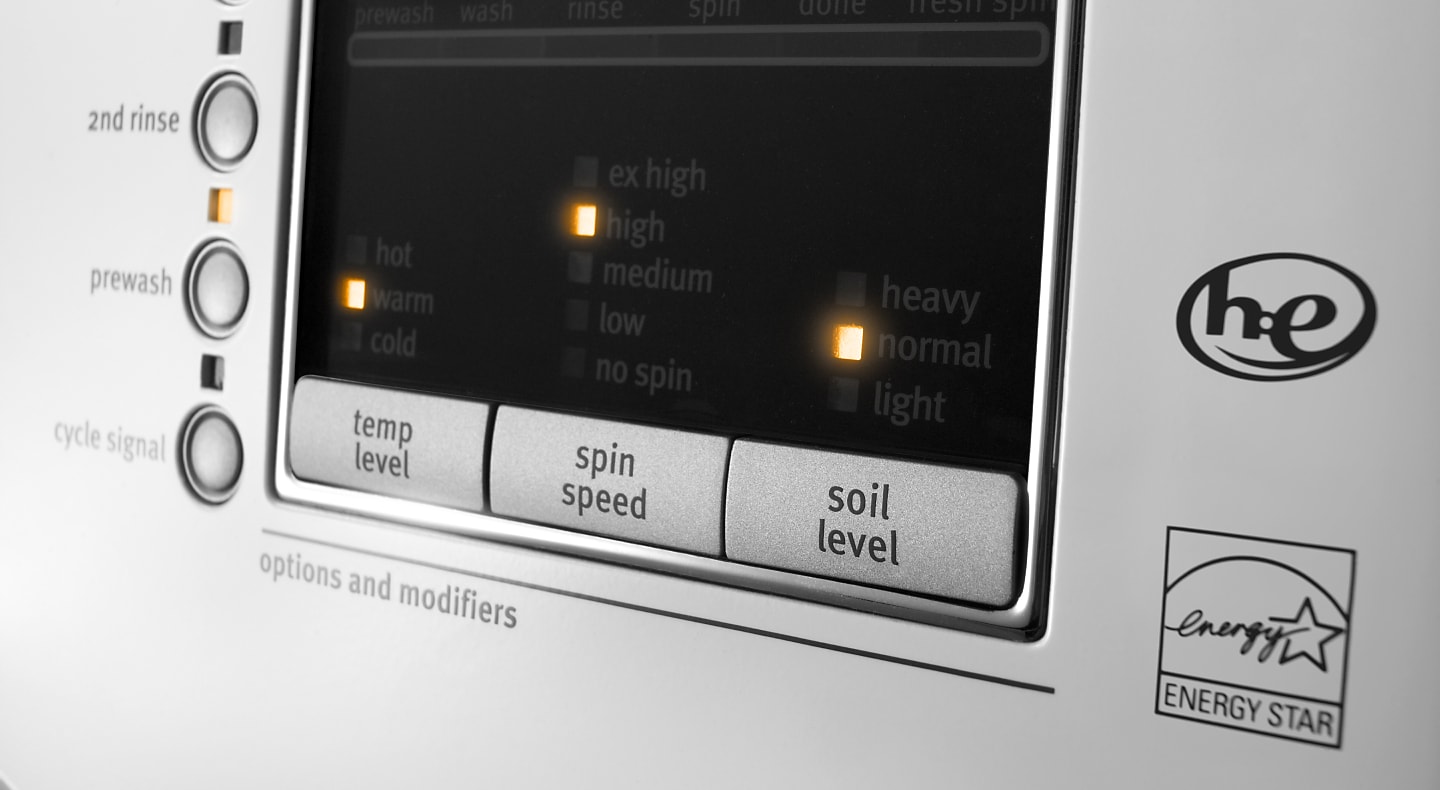
The Most Common Washer Soil Levels
While some machines offer extended cycle customization, the vast majority are built around three core soil settings. Each is engineered for a specific type of laundry situation.
Light Soil
Best for barely-worn items or delicate fabrics that don't attract much dirt. Uses less water and a shorter cycle to preserve fabric integrity while still freshening the load.
Normal Soil
Your go-to for the everyday pile: T-shirts, socks, jeans, and casual wear. This setting balances cleaning power with efficiency, handling light grime and everyday odors with ease.
Heavy Soil
When nothing else will do — work clothes, sports gear, outdoor uniforms, or anything with stubborn stains. Extends the wash cycle with more water and agitation to break down heavy buildup.
Does Soil Level Affect Water Level?
Top Load Washers
On top-load models, choosing a higher soil level often increases water usage alongside wash time. The machine uses more water and a longer agitation cycle to thoroughly saturate and clean heavily soiled loads.
Front Load Washers
Front-load machines are more sophisticated. Rather than simply adding more water, they adjust wash motion, temperature, and cycle duration. Some models even feature automatic water-level sensors that calibrate usage based on load size — no guesswork needed.
📌 Note: Soil level and water level are not the same thing. Soil level measures how dirty your clothes are. Water level refers to how much water is physically in the drum at any given time. Some smart front-load washers manage both automatically.

Do Soil Levels Differ Based on Fabrics?
Absolutely. Fabric type plays a major role in which soil level setting you should select. Delicate materials require a softer touch even when they're visibly dirty, while heavy-duty fabrics like denim or canvas can withstand a more aggressive wash cycle.
| Fabric Type | Recommended Soil Level | Notes |
|---|---|---|
| Lace, silk, sheer blouses | Light | Gentle agitation preserves delicate weaves |
| T-shirts, cotton everyday wear | Normal | Standard everyday cleaning cycle |
| Denim, work pants | Normal – Heavy | Depends on visible soil level |
| Sports uniforms, outdoor gear | Heavy | Built for stubborn stains and odor |
| Dog beds, furniture covers | Heavy | High contact surfaces need full power |
When in doubt, refer to the garment's care label. Manufacturers test their fabrics and include washing instructions for a reason — following them extends the life of your clothing and keeps your colors vibrant wash after wash.
Upgrade Your Laundry Game
Pair your knowledge with a washer that makes it effortless. The Midea Front Load Washer gives you precise soil-level control in a sleek, energy-efficient design.
Midea 5.2 Cu. Ft. Front Load Washer