

Shopping for a new washing machine doesn't have to feel overwhelming. Whether you're drawn to the convenience of a top loader or the efficiency of a front loader, both styles have real strengths — and real trade-offs. Your ideal washer depends on your space, your laundry habits, and what matters most in your home.
In this guide, we'll walk you through the key differences between top load and front load washers, helping you make a confident, informed decision that fits your lifestyle perfectly.
Head-to-Head: Top Load vs Front Load
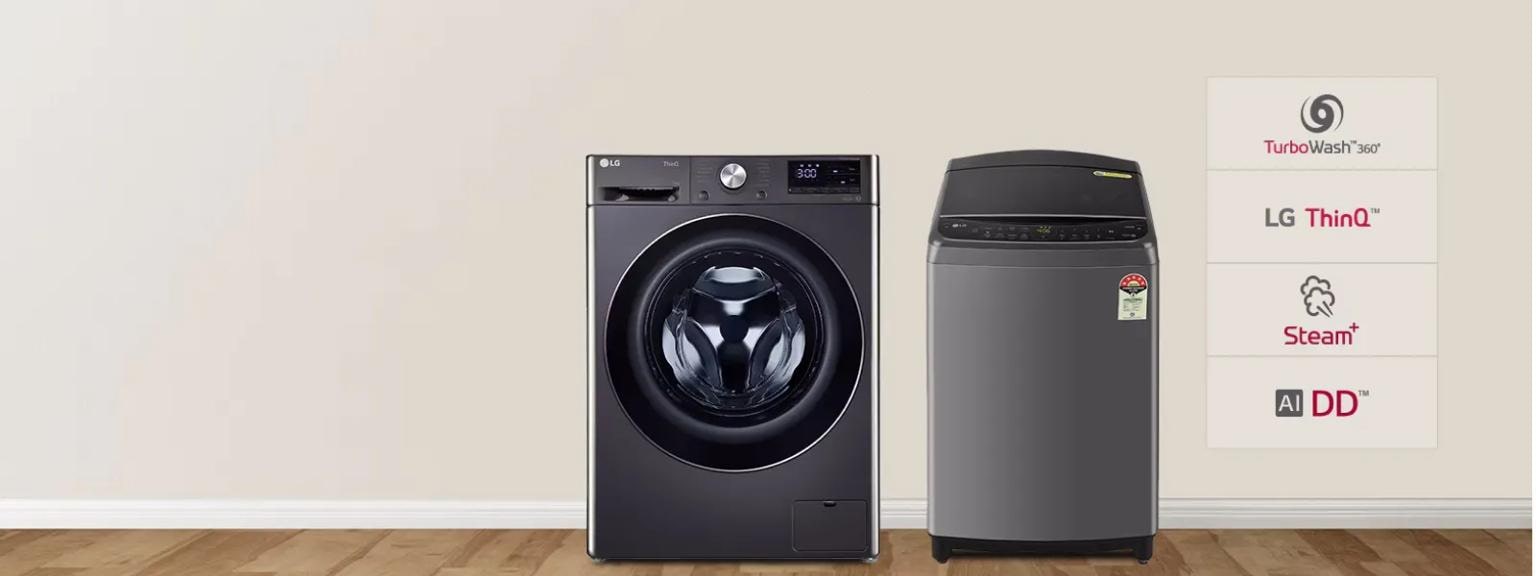
As the names suggest, the two styles differ most in how you load laundry — one from the top, one from the front. But the differences run deeper than that. Here's a clear breakdown of what sets them apart:

| Feature | ⬆ Top Load Washer | ⬅ Front Load Washer |
|---|---|---|
| Capacity | Generally larger drum capacity | Slightly smaller capacity in most models |
| Water Usage | Uses more water and energy on average | More energy and water efficient |
| Cycle Times | Faster cycles — ideal for busy households | Longer cycles but deeper cleaning |
| Fabric Care | Agitator can be tough on delicate fabrics | Gentler on clothes — less wear and tear |
| Cleaning Power | Varies by design and model | Typically superior cleaning performance |
| Pricing | More affordable upfront | Higher initial cost, but better long-term savings |
| Design Options | Wide variety, including impeller and agitator styles | Limited variety; stackable with a dryer |
| Drying Times | Longer drying due to higher moisture retention | Shorter drying times — lower moisture retention |
Finding the Right Fit: Key Considerations
Choosing the perfect washing machine goes beyond features — it's about matching the right appliance to your real-world needs. Here's what to think through before you decide.
Assess Your Household
Larger families benefit from a bigger capacity to handle heavier laundry loads. Smaller households can often get by comfortably with a standard-sized drum without overspending on capacity.
Evaluate Your Space
Front load washers are stackable and better for tight or narrow laundry rooms. Top loaders need overhead clearance. Always measure your space before purchasing — it can make or break the decision.
Consider Fabric Types
If your household washes a lot of delicate items — linens, activewear, fine fabrics — a front loader's gentle tumble action is a better choice than the friction-based motion of a traditional agitator.
Factor in Budget
Top loaders win on upfront cost. But front loaders typically save more money over time through reduced water and energy bills. Think long-term value, not just the sticker price.
Think About Laundry Frequency
If you do laundry every day, faster cycle times from a top loader may be your priority. If you do fewer, larger loads, a front loader's efficiency and deep-cleaning power makes more sense.
Right-Size Your Capacity
The ideal capacity range for most households falls between 4.5 and 5.5 cu. ft. Avoid overloading — it reduces cleaning performance and adds unnecessary wear to your machine over time.
Smart Buying Tip
Midea 5.2 Cu. Ft. Front Load Washer
Designed for modern homes that demand efficiency without sacrificing performance. With multiple color options, a spacious 5.2 cu. ft. drum, and front-load precision cleaning, this washer handles everything from everyday loads to bulky items — all while conserving water and energy.

The Bottom Line
Your ideal washer ultimately comes down to your specific needs, your space, and how you do laundry. Top loaders offer speed, affordability, and convenience. Front loaders bring superior cleaning, energy savings, and fabric-friendly performance. Both are excellent — the right one is simply the one that fits your home best. Explore your options, weigh what matters most, and choose the machine that will make laundry day something you never have to think twice about.