
If you're shopping for a new washing machine, you've likely come across the steam cycle feature and wondered whether it actually makes a difference. Here's everything you need to know — so you can make a confident, informed decision.
Modern washing machines have evolved far beyond a basic drum and motor. Today's models come loaded with smart features designed to make laundry easier, faster, and more effective. One of the most talked-about additions is the steam cycle — a function that sounds luxurious but is actually rooted in practical laundry science.
But is it a game-changer, or just a premium add-on you'll rarely use? We break it all down — how steam cycles work, what they're best for, when to use them, and whether they genuinely justify a higher price tag.
What Exactly Is a Steam Cycle on a Washer?
A steam cycle uses heated water vapor — not just hot water — to penetrate deep into fabric fibers during the wash or rinse process. Unlike a standard hot water wash that relies on liquid water and detergent friction, steam delivers moisture at a much higher temperature and in a more diffused, gentle form.
Most steam-equipped washers generate steam either through a built-in steam generator or by heating water directly in the drum until it vaporizes. The result: fibers relax, stains loosen at a molecular level, and allergens are neutralized more effectively than with water alone.
Steam cycles are not the same as a "steam refresh" setting on a dryer. Washer steam cycles actively clean and sanitize, while dryer steam features primarily smooth out wrinkles and reduce odors on already-clean garments.
How to Use a Steam Cycle
Using a steam cycle is straightforward, but knowing when to activate it makes all the difference. Most machines with this feature offer it as an add-on to existing wash programs — for example, adding steam to a cotton cycle or a delicates cycle.
According to laundry experts, you should start your laundry as you normally would — sort by color and fabric, load the drum without overfilling, and add your preferred detergent. Then, simply select the steam option before starting the cycle.
A few tips for getting the most out of your steam cycles:
Pre-treat Heavy Stains
Steam is powerful, but for set-in stains like grease or wine, apply a stain remover first to let steam do its best work as a finishing assist.
Don't Overfill the Drum
Steam needs space to circulate. A packed drum means steam can't reach all surfaces evenly — stick to about 75% capacity for optimal results.
Check Care Labels
Most fabrics handle steam well, but delicate materials like silk, certain wools, and heat-sensitive synthetics may require extra care or a gentler steam setting.
Use It Strategically
You don't need to steam every load. Reserve the steam cycle for heavily soiled items, gym gear, bedding, baby clothes, and allergy-sensitive loads.
When Should You Use a Steam Cycle?
Not every laundry load needs steam, but there are specific situations where it clearly outperforms a standard wash. Understanding these scenarios helps you get the most value from this feature.
Ideal situations for steam washing:
- Heavily soiled work clothes, uniforms, or athletic wear
- Bedding, pillowcases, and items that harbor dust mites or allergens
- Baby clothing and cloth diapers requiring sanitization
- Items worn by anyone with sensitive skin or allergies
- Gym gear and activewear with persistent odors
- Towels and bathrobes that need a deep refresh
- Garments that have been stored and need deodorizing
When to skip the steam cycle:
- Lightly soiled items that only need a quick freshen-up
- Very delicate fabrics not rated for high heat or moisture
- Small, quick loads where the extra cycle time isn't justified
- Garments with "dry clean only" labels
:max_bytes(150000):strip_icc()/washer-steam-feature-1908409-02-6ce8ea1c519049b09dfbf72186d6b60b.jpg)
The Best Sanitization Benefits of Steam Washing
One of the most compelling arguments for a steam cycle is its ability to sanitize. High-temperature steam kills a significant percentage of common bacteria, viruses, and allergens — including dust mites, pet dander, and mold spores — without the need for harsh chemical additives.
This makes steam washing particularly valuable for households with young children, pets, allergy sufferers, or anyone who prioritizes a genuinely clean home environment. Studies in textile hygiene show that steam at temperatures above 60°C effectively neutralizes the most common household pathogens found in laundry.
Why Sanitization Matters More Than You Think
Standard cold and warm wash cycles clean fabric surfaces but may not fully eliminate bacteria embedded deep in fibers. Steam penetrates the weave of fabric, reaching areas that detergent-and-water alone often miss — making it a smart choice for families, fitness enthusiasts, and anyone managing allergies or sensitivities.
For households that regularly wash reusable cloths, sports gear, or any item that comes into contact with soil, food, or bodily fluids, a steam-equipped washer provides a level of clean that's genuinely difficult to replicate with water alone.
When to Avoid a Steam Cycle
While steam washing offers impressive benefits, it's not universally appropriate for every garment or load type. Knowing when to hold back protects your clothes and extends their lifespan.
Consider skipping the steam cycle for the following fabric types and situations:
- Pure silk or silk-blend garments — steam can alter the sheen and weaken fibers
- Certain embellished items with glued-on beads, sequins, or heat-sensitive decorations
- Heavily structured garments like tailored blazers or stiffened collars
- Items with "lay flat to dry" or "reshape while wet" care instructions
- Rubber-backed rugs or items with foam padding
- Wax-coated or treated technical fabrics
- Vintage or antique textiles that require specialized care
When in doubt, run a smaller, older version of the garment through the steam cycle first, or consult the machine's manual for specific fabric guidance. Modern steam washers often include multiple intensity settings — a lower steam setting is usually safe for most fabrics.
What If Your Washer Doesn't Have a Steam Cycle?
If your current machine lacks a steam feature, don't worry — there are still practical ways to achieve a deeper clean. Pairing a high-quality hot water cycle with a quality detergent that contains enzymatic cleaners can address many of the same stain-fighting needs.
Alternatively, a separate handheld garment steamer can be used after washing to freshen and sanitize individual items. This method works particularly well for outerwear, jackets, and items that don't need a full wash but could benefit from a steam refresh between wears.
That said, if you're already in the market for a new washer and your budget allows, opting for a model with a built-in steam cycle is a worthwhile long-term investment — especially if laundry hygiene is a priority in your household.
Our Recommended Washer with Steam Cycle
If you're ready to upgrade to a machine that delivers a genuinely superior clean, we've handpicked a top performer available right here at Backyard Provider.
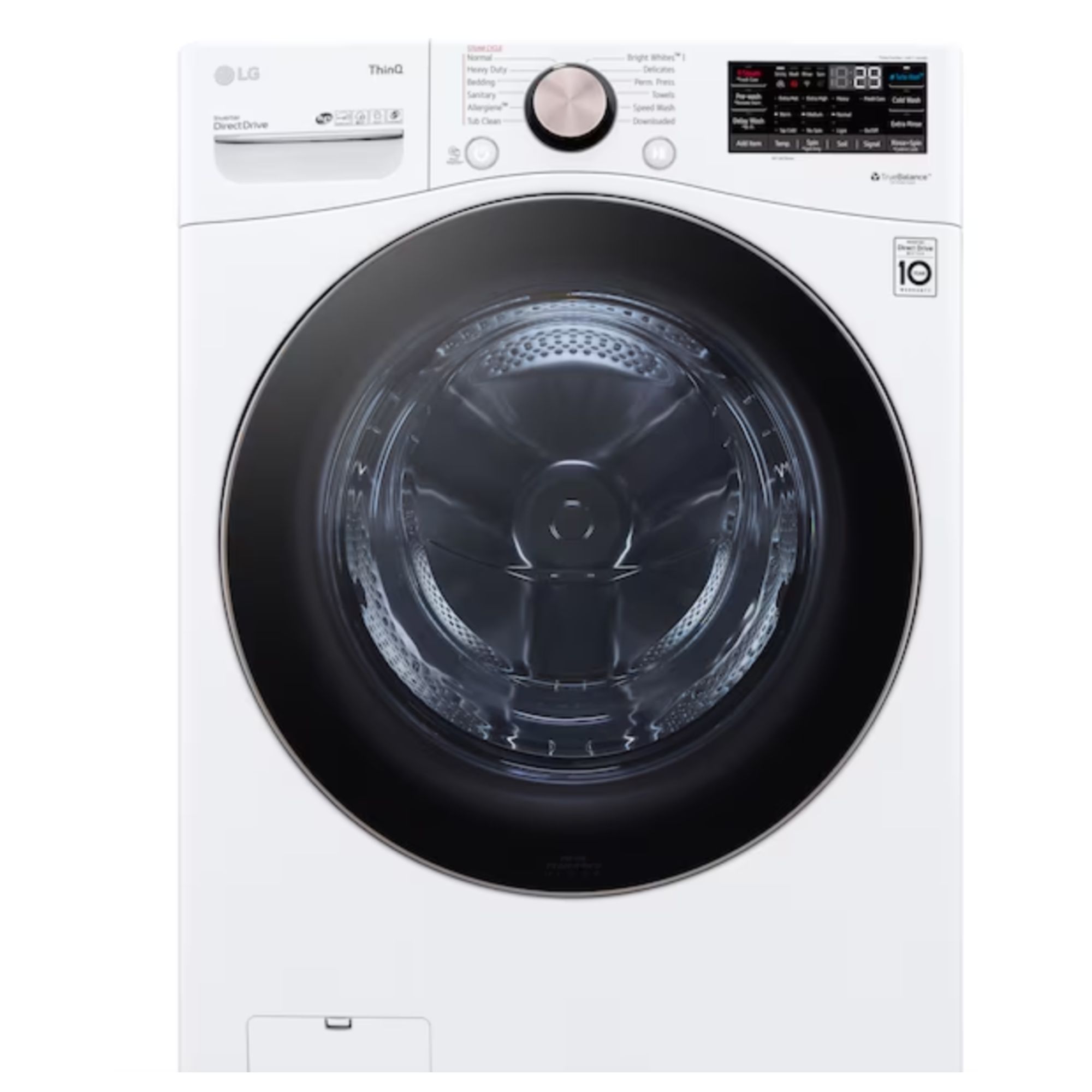
Midea 5.2 Cu. Ft. Front Load Washer
A high-efficiency front loader with steam capability, multiple wash programs, and a spacious 5.2 cu. ft. drum — ideal for families and anyone serious about laundry hygiene. Available in multiple color options to complement your laundry space.
Midea Front Load WasherIs a Steam Cycle Worth the Extra Spend?
For most households — especially those with children, pets, allergies, or active lifestyles — yes, a steam cycle is genuinely worth it. It delivers a deeper clean, superior sanitization, and better odor removal than standard wash cycles alone. The premium you pay upfront translates into cleaner laundry, fewer re-washes, and a healthier home environment over the life of the machine.
If you do heavy laundry loads regularly or are particular about hygiene, a steam washer is one of the most practical appliance upgrades you can make. Browse our curated selection of steam-capable washers at Backyard Provider and find the right fit for your home.