
Lifting your UTV opens the door to a whole new world of performance and possibility. Before you commit to a kit, it's worth taking a close look at your machine, your terrain, and your goals. Here's what you need to know about the types of lifts available — and the factors that matter most before you pick one up.

Why Lift a UTV?
The most common reason people lift their UTV is to gain more ground clearance — making it easier to navigate over rocks, logs, and uneven trail sections without dragging the undercarriage. But clearance isn't the only benefit.
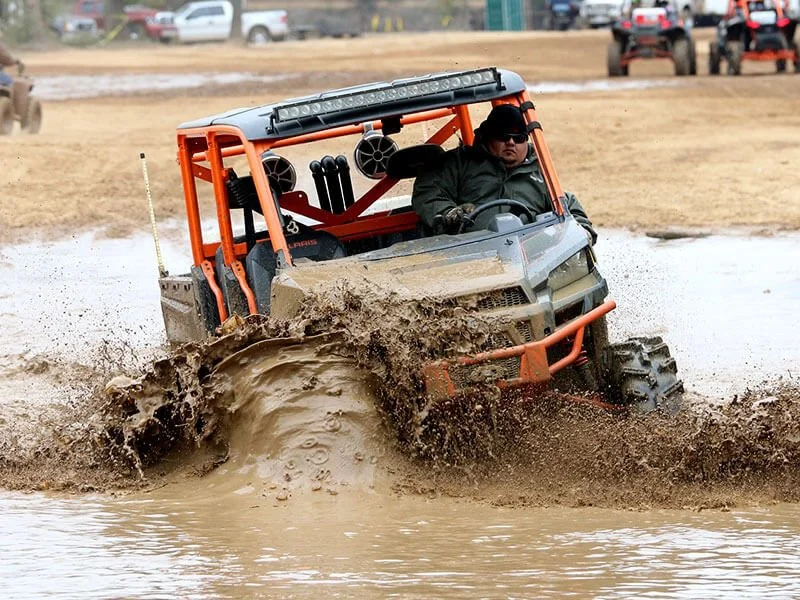
Enhanced Ground Clearance
Larger tires paired with a lift kit give you the ability to clear obstacles that would otherwise stop you cold — reducing underbody damage on rough terrain.
Improved Visibility
A higher stance raises your line-of-sight on the trail — letting you read terrain ahead and make smarter split-second decisions while you ride.
Standout Appearance
Beyond function, a lifted UTV commands attention. It's the kind of build that turns heads at the trailhead and reflects your commitment to the sport.
Built for Both Form and Function
At Backyard Provider, we believe a great UTV build doesn't have to sacrifice one for the other. The right lift kit enhances your machine's capability while giving it the bold, purposeful look it deserves.
Types of UTV Lifts
When shopping for a lift, there are several distinct approaches to consider — each with its own advantages, trade-offs, and ideal use cases. Here's a breakdown:
Bracket Lift Kits
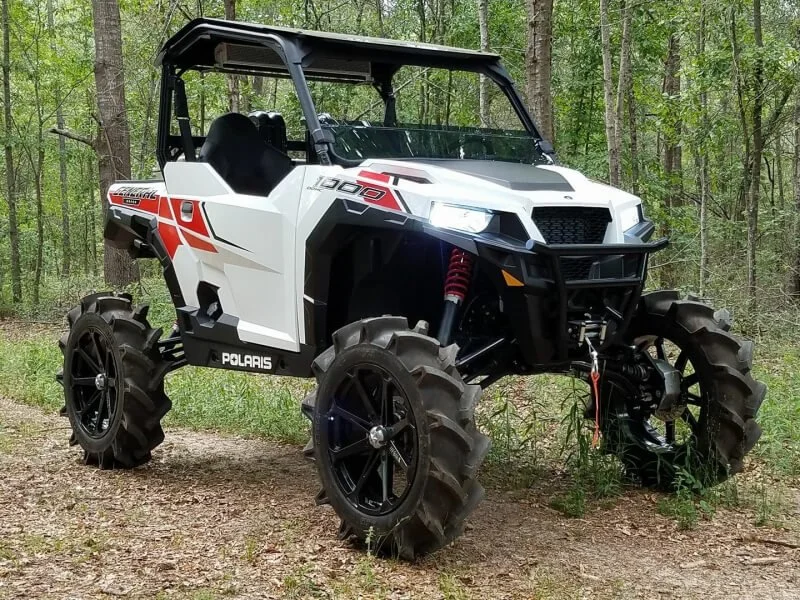
Bracket kits are the most accessible and budget-friendly option for most UTV owners. They generally provide a lift of 3 to 5 inches — enough to clear larger tires and improve ground clearance without changing the vehicle's suspension geometry significantly. Expect a straightforward installation process that most owners can handle with basic tools.
Suspension Lift Kits
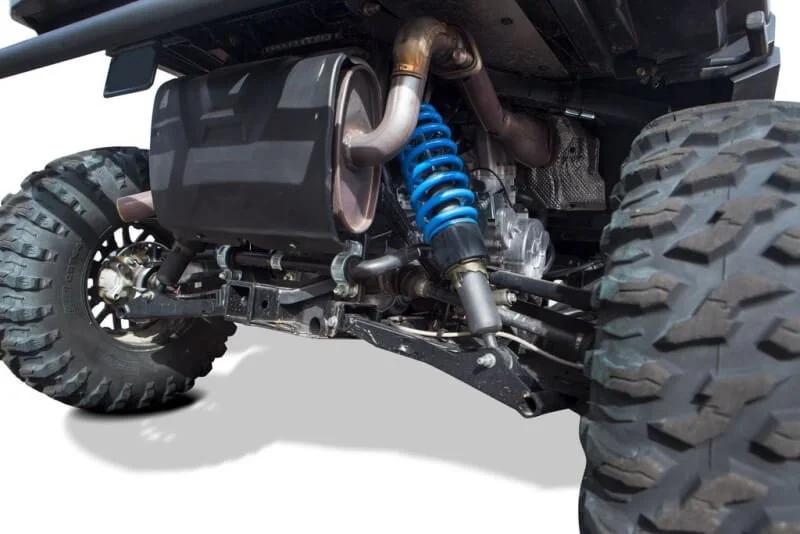
Suspension lifts take things a step further by repositioning or replacing parts of your UTV's existing suspension system. This delivers a more significant lift — ideal for serious off-road performance where articulation and heavy-duty capability matter most. These kits often require a professional installation to ensure correct alignment and safe handling.
Wheel Spacers
Wheel spacers are a unique approach — rather than raising ride height, they push the wheels outward from the hub. This widens your vehicle's stance, which can meaningfully improve stability on side-hill terrain and at speed. Spacers are popular for widening the width of your UTV's footprint on challenging applications.
Portal Gear Lifts
Portal gear lifts are the premium option — these engineered hubs sit between the axle and the wheel, mechanically lifting the vehicle while also adding a gear reduction that multiplies torque. Popular among riders who demand peak performance in the most demanding environments, portal gear lifts are in a class of their own for serious builds.
What to Consider Before Lifting
Choosing the right lift isn't just about the hardware — several key factors should influence your final decision. Work through these before you buy:
Total Cost
Lifting your UTV is rarely just the price of the kit. Budget for larger tires, any necessary hardware modifications, and installation — costs that can vary widely depending on the type of lift and the complexity of your specific vehicle.
Legal Restrictions
Many areas have regulations governing UTV height modifications. Before you proceed, check local rules to make sure your planned lift is road-legal or trail-legal where you ride — especially if you're planning to use public land or roads.
Impact on Vehicle Performance
A lift affects more than just ride height. Higher center of gravity, altered handling characteristics, and changes to braking distances are all real considerations. Longer lifts in particular can raise the body higher and shift how your vehicle responds in corners. Factor in your typical riding conditions before committing.
Installation & Maintenance
Installing a lift kit can range from a straightforward weekend project to a complex job that demands specialized tooling and professional expertise. If you're not confident working on your own suspension, it's always worth having a certified technician handle the job — improper installation can compromise safety and ride quality.
Once your lift is in place, routine maintenance becomes especially important. Inspect suspension components and hardware regularly for wear, and check your alignment periodically. Catching small issues early will extend the life of your lift and keep your UTV performing at its best through every season of riding.
Lifting your UTV is one of the most impactful upgrades you can make — improving your off-road experience and giving your machine a commanding presence on the trail. It's not a decision to rush into, but with the right kit and proper installation, the results speak for themselves. Explore what's available, match the lift type to your riding style, and hit the trail with confidence.