
Complete 2025 Guide to Choosing the Right Heating and Cooling System
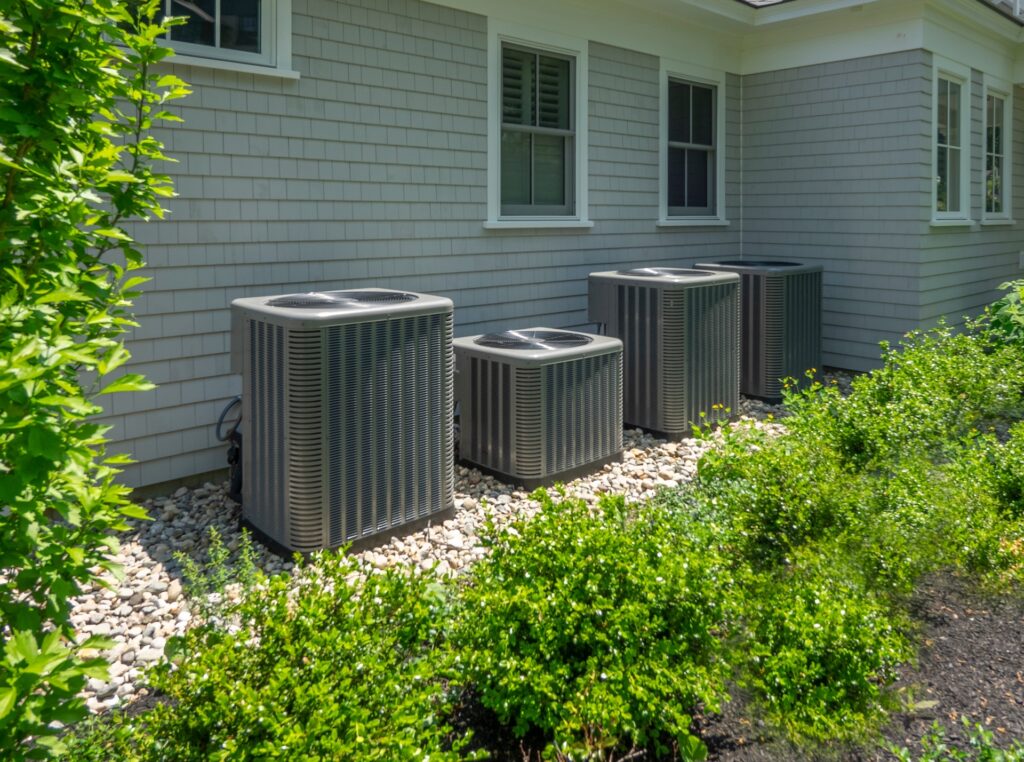
Keeping your home or workspace comfortable throughout the year requires substantial energy. In the United States, heating and cooling systems account for more than half of a typical property's total annual energy usage.
Since HVAC systems consume such significant amounts of energy, upgrading to a more efficient model is one of the smartest investments you can make to enhance your property's energy performance and lower utility expenses. The payoff makes a substantial difference in both your wallet and environmental impact.
This comprehensive guide explores the most energy-efficient HVAC systems available in 2025, helping you make an informed decision that's right for your property and budget.
What Defines an "Efficient" HVAC System?
An energy-efficient HVAC system consumes less energy to heat or cool your property while maintaining optimal comfort levels. Efficiency is measured using SEER (Seasonal Energy Efficiency Ratio) for cooling and HSPF (Heating Seasonal Performance Factor) for heating. The higher these ratings, the more efficient your system operates.
Types of Energy-Efficient HVAC Systems
Air-Source Heat Pumps
Air-source heat pumps rank among the most energy-efficient HVAC systems available in 2025. They operate by transferring heat from one location to another rather than generating heat through combustion. The system uses a small amount of energy to move heat that already exists instead of creating it, which explains why heat pumps deliver exceptional energy efficiency. Additionally, they can run entirely on clean energy sources such as solar power.
Two primary types of air-source heat pump HVAC systems are available:
Ducted Heat Pumps
A ducted heat pump connects to your property's central air duct system. It delivers heated or cooled air throughout supply vents in your entire property, functioning similarly to a central furnace or air conditioning system.
Ducted heat pumps typically provide the most energy-efficient solution for:
- Large properties
- Properties with existing ductwork in good condition
Ductless Heat Pumps (Mini Splits)
Ductless mini splits represent a type of air-source heat pump that doesn't require connection to ductwork. These systems feature an outdoor unit and one or more indoor units (sometimes called indoor heads) that are mounted on walls or ceilings.
Key advantages of ductless heat pumps include:
- Each indoor unit operates independently, allowing you to set different rooms to different temperatures. This zone control capability helps reduce energy consumption and saves money on utility costs.
- In a ducted HVAC system, 20-30% of the air moving through ducts is lost due to leaks, holes, and poorly connected ducts, which drives up energy costs. Ductless systems are not susceptible to this waste.
Ductless heat pumps typically provide the most energy-efficient solution for:
- Properties without existing ductwork or with damaged ducts
- New property additions
- Specific areas requiring targeted heating or cooling, such as finished basements, spare bedrooms, or work-from-home offices
Upgrade Your Property with Efficient Cooling
Experience superior energy efficiency and reliable performance with professional-grade HVAC equipment designed for demanding applications.
MRCOOL 48K BTU Split SystemHow to Select the Best Energy-Efficient HVAC System
Selecting the most efficient HVAC system for your property can feel overwhelming, especially with numerous options available. While conducting your research, consider the following factors:
Every property is unique, and the optimal system depends on factors such as your property's size, layout, and insulation quality. A professional energy assessment can evaluate your property's overall energy efficiency and recommend the best upgrades. A comprehensive home energy assessment helps identify the most effective improvements for your specific situation.
Pay close attention to the system's SEER (Seasonal Energy Efficiency Ratio) and HSPF (Heating Seasonal Performance Factor) ratings. Higher SEER and HSPF ratings indicate greater energy efficiency. Consider investing in ENERGY STAR-certified HVAC systems, which meet rigorous efficiency standards.
Selecting and installing an energy-efficient HVAC system is a significant investment, and professional expertise makes all the difference. An experienced HVAC contractor can help you identify the most efficient system for your specific requirements, ensure proper installation, and provide guidance on maximizing your investment's value.
Invest in Long-Term Energy Efficiency
Upgrading to an energy-efficient HVAC system delivers immediate comfort improvements while providing substantial long-term savings on energy costs. By carefully evaluating your property's needs, researching efficiency ratings, and working with qualified professionals, you can select a system that keeps your property comfortable year-round while minimizing environmental impact and maximizing cost savings.
Make the smart choice for your property's future—invest in energy-efficient heating and cooling today.