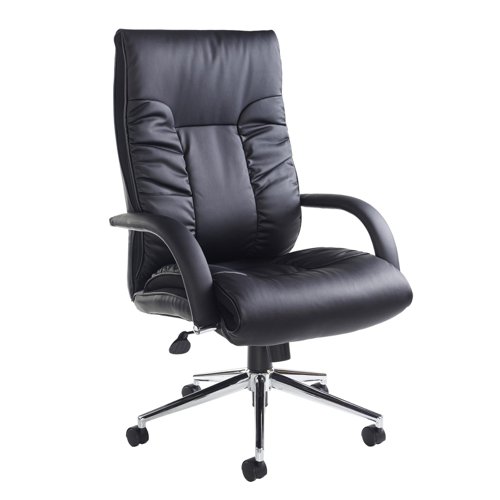
What Is Bonded Leather?
When you're shopping for furniture that feels luxurious without carrying a luxury price tag, bonded leather is often the material you'll encounter. But what exactly is it? Bonded leather is not a fully natural hide — it's an engineered material made by blending shredded leather scraps and leather fibers with a polyurethane binder. The resulting pulp is pressed onto a fiber mesh backing and coated with a polyurethane layer that gives it a rich, high-gloss finish nearly indistinguishable from genuine leather at first glance.
By weight, bonded leather is typically composed of around 10–20% leather scraps. The remaining portion is synthetic binding material. That ratio can vary considerably based on the manufacturer and country of origin, so it's always worth asking questions when comparing products.
The coating applied during finishing gives bonded leather its characteristic sleek, uniform appearance — a look that suits modern and contemporary furniture styles particularly well.

Section B
The Benefits of Bonded Leather Furniture
Bonded leather has carved out a significant share of the furniture market for good reason. It delivers three core advantages that appeal to a wide range of buyers.
Because bonded leather relies on recycled leather scraps rather than full hides, it costs a fraction of genuine leather. You get the aesthetic without the premium price — making quality furniture genuinely accessible.
The production process gives a second life to leather offcuts that would otherwise end up in landfill. It's a more sustainable alternative that reduces waste while still delivering a leather-feel product.
Bonded leather has a pleasant, supple feel that's well-suited to seating. It's softer to the touch than many fully synthetic materials, making it ideal for chairs, sofas, and accent pieces you'll actually want to sit in.
Bonded leather brings together the visual warmth of genuine leather and the price accessibility of synthetic materials — a combination that's hard to beat for everyday indoor furniture.
Section C
How to Care for Your Bonded Leather Furniture
Bonded leather is cost-effective and visually appealing, but it does require more attentive care than genuine leather. Its biggest vulnerability is peeling — a process that begins when the polyurethane coating dries out or cracks over time. Consistent, simple maintenance routines can significantly extend its lifespan.

Your first line of defense is a soft, damp microfiber cloth. Avoid using harsh cleaning products by default — gentle wiping removes most everyday dust, skin oils, and light grime. Always use warm water to dampen the cloth, and after wiping, keep the piece away from direct sunlight while it air-dries.
Dust loves to settle into seams, tufts, and crevices. Use a dry microfiber cloth or a brush attachment on your vacuum to remove built-up particles from these areas. A vacuum cleaner with a soft upholstery nozzle is particularly useful for furniture that's been sitting for a while. Always use light, careful strokes near seams to avoid catching or pulling at the surface.
The moment a spill happens, blot — don't rub — the area with a clean, dry cloth or paper towel. Rubbing will spread the stain and push it deeper into the surface. Once you've absorbed the spill, follow up with a cloth lightly dampened with warm water containing a small amount of mild detergent to lift any residue.
Bonded leather has real limits when it comes to cleaning solutions. Abrasive products, strong solvents, and even certain commercial cleaners can break down the polyurethane coating faster than normal wear. Stick to mild soap diluted in water. Before applying any cleaner to the full piece, always test it on a small, inconspicuous area first. If distilled water is available, use it — it's free of minerals that can cause surface damage over time.
Beyond regular cleaning, conditioning is essential. Apply a bonded leather conditioner two to three times per year to keep the surface flexible and delay cracking or peeling. Before conditioning, make sure the piece is thoroughly clean and completely dry. Apply the conditioner with a different, clean microfiber cloth using gentle circular strokes, then let the piece dry in a shaded area away from heat sources or direct sun.

Ready to Bring Bonded Leather Into Your Space?
Bonded leather is one of the smartest ways to get the look and feel of genuine leather furniture at a price that makes sense. With the right care routine, it can remain a beautiful, comfortable piece of your home for years. Explore our featured pick below.