
Shopping for a cardio machine can feel overwhelming. You've narrowed it down to two heavyweights — the treadmill and the elliptical — but you're still not sure which deserves a spot in your home gym. You're not alone. These two machines consistently top the list of the most popular pieces of fitness equipment on the market, and each one offers a unique set of benefits.
The good news? Both treadmills and ellipticals deliver an effective cardiovascular workout. Your fitness objectives, your physical condition, and how your body responds to exercise should guide your final decision. A certified exercise physiologist can help you determine the ideal match, but the breakdown below will give you a solid starting point.
Understanding Treadmills
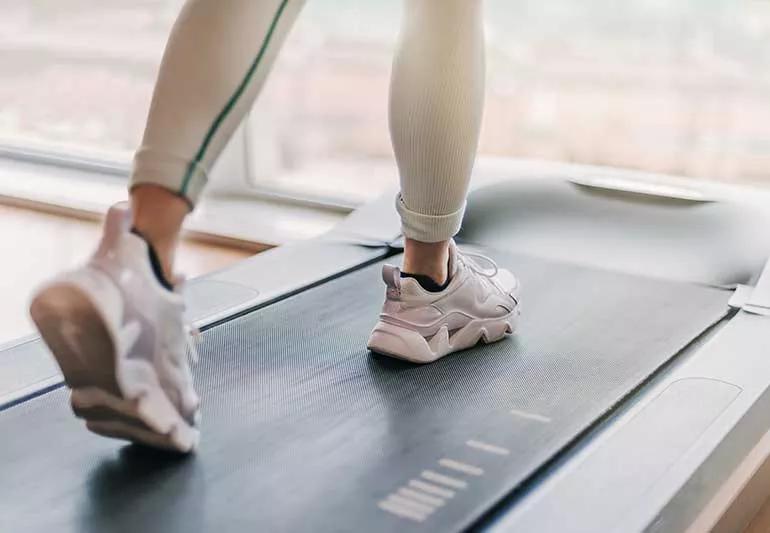
Of every cardio machine available, the treadmill mirrors everyday human movement more closely than any other. It replicates the experience of walking, jogging, and running — minus the uneven pavement, shifting weather, and traffic. That familiarity makes it an intuitive choice for beginners and seasoned athletes alike.
Modern treadmills give you control over speed and incline through a motorised belt system. You can dial the intensity up for an all-out sprint session or keep things easy with a brisk power walk. Many models also allow you to adjust the incline so you can simulate uphill terrain, which is excellent for building lower-body strength and raising your heart rate without increasing speed.
Treadmills are a strong pick if you want to build bone density. The repetitive impact of your feet hitting the belt stimulates bone growth, which is particularly valuable as you age and especially important for anyone concerned about osteoporosis. Additionally, self-propelled treadmills with curved decks allow for a more natural stride and better engagement of stabilising muscles.
They're also a sensible option when recovering from certain injuries, because the controlled environment lets you walk at a predictable pace on a flat, stable surface — something that's difficult to guarantee outdoors.
Pros
Minimal learning curve — most people can step on and start immediately.
Helpful for rebuilding stamina after an injury or extended break.
Easily adjustable speed and incline to match any fitness level.
Fits into nearly any workout space.
Certain models fold up when not in use, saving valuable floor space.
Cons
Not recommended if you have a pre-existing joint or walking-related injury that worsens with impact.
A fall on a moving belt can lead to serious injury — always use the safety clip.
Understanding Ellipticals
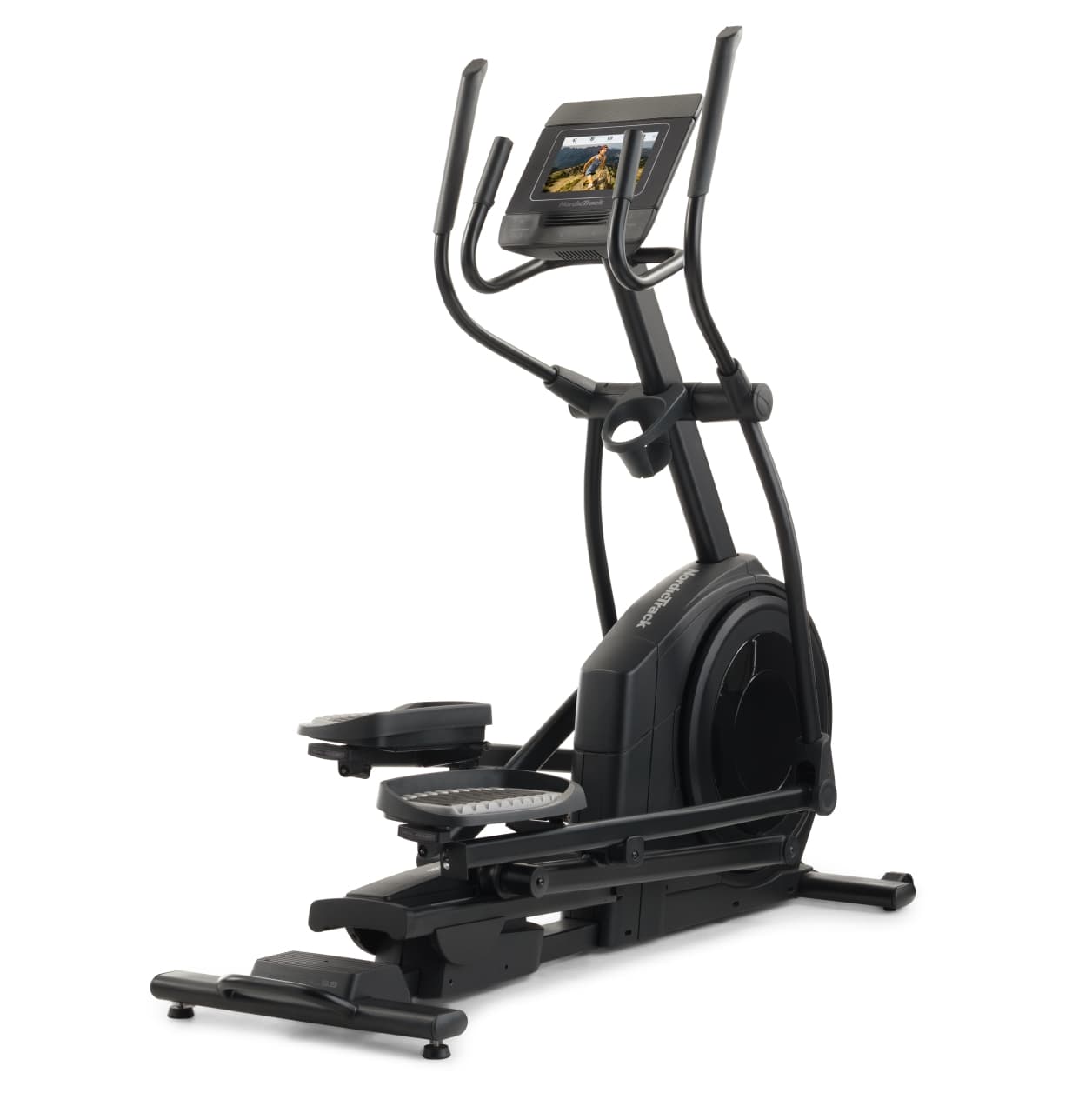
An elliptical trainer provides a smooth, cushioned platform for cardio exercise. Your feet rest on large pedals that move in an elongated oval — or elliptical — pattern, closely resembling the motion of cycling while standing upright, or even the fluid arc of cross-country skiing.
Most ellipticals come equipped with moving handlebars. Gripping and pushing these handles while pedalling means your upper body is actively engaged, turning what could be a leg-only session into a full-body workout. This dual-action design recruits more muscle groups per session compared to a standard treadmill run.
The standout benefit of an elliptical is joint protection. Because your feet never leave the pedals, there is virtually zero impact on your knees, hips, and ankles. This is exactly why many physiotherapists and healthcare professionals suggest ellipticals over treadmills for people reintroducing exercise after surgery, dealing with arthritis, or managing chronic joint pain.
If you notice a tingling sensation in your feet while using the machine — a common complaint — it's usually because the elliptical's pedal motion is unfamiliar. Adjusting your foot positioning or pedalling direction often resolves it. If it continues, it's worth consulting a medical professional.
Pros
Low-impact cardiovascular exercise that feels more like a power walk than a run.
Resistance is fully adjustable to suit your preferred intensity.
Compact enough to fit into most home gym setups.
Cons
The motion can feel awkward initially and may require a few sessions to master.
Not ideal for individuals who struggle with balance or have difficulty navigating stairs.
Some models can be bulky — always measure your available space before purchasing for home use.
Treadmill vs. Elliptical: How Do They Compare?
At their core, both machines get your heart pumping and deliver a solid cardiovascular session. The most significant differences come down to your personal fitness goals and your body's response to each type of movement.
| Feature | Ease of Use | Joint Impact | Key Benefit |
|---|---|---|---|
| Treadmill | Very Easy | Low to Moderate | Builds bone density & mirrors natural gait |
| Elliptical | Easy | Very Low | Full-body workout with excellent joint protection |
Why Not Use Both?
Here's a secret that experienced gym-goers already know: you don't have to commit to just one machine. Alternating between an elliptical and a treadmill adds variety to your routine and helps prevent the mental fatigue that comes from doing the exact same workout day after day.
Regardless of which machine you choose, cross-training is a smart idea. Rotate your cardio sessions with other activities — swimming, cycling, rowing, or even a group fitness class. Cardiovascular exercise in any form supports heart health, and keeping things fresh reduces the chance of repetitive strain injuries while keeping motivation high.
And don't overlook the importance of pairing your cardio routine with regular stretching and strength training. Flexibility and muscular balance are essential partners to any cardio programme.
How to Get Started
The widely accepted benchmark for heart health is roughly 150 minutes of moderate-intensity cardio per week — that works out to about 30 minutes a day, five days a week. Aim to sustain an effort level where you can hold a conversation but would struggle to sing a full sentence.
If you're just getting started, begin with 10-minute sessions on either machine and build gradually. Small, consistent wins are far more effective than one intense workout followed by a week on the couch. Increase your duration and intensity slowly, and let your confidence grow alongside your endurance.
It's always wise to speak with your doctor or a qualified exercise professional before launching a new fitness routine — especially if you're managing an existing health condition. They can tailor a plan that aligns with your goals and physical needs.
© Backyard Provider — Your Outdoor Living Destination