
Article Summary
Looking for a multi-purpose fitness machine to place in your home? The elliptical trainer is a remarkably versatile piece of equipment combining cardiovascular conditioning with full-body muscle engagement. It supports low-impact exercise, making it ideal for users across all fitness levels. This guide covers everything you need to know about elliptical benefits, training techniques, and how to choose the right machine for your goals.
Introduction to the Elliptical
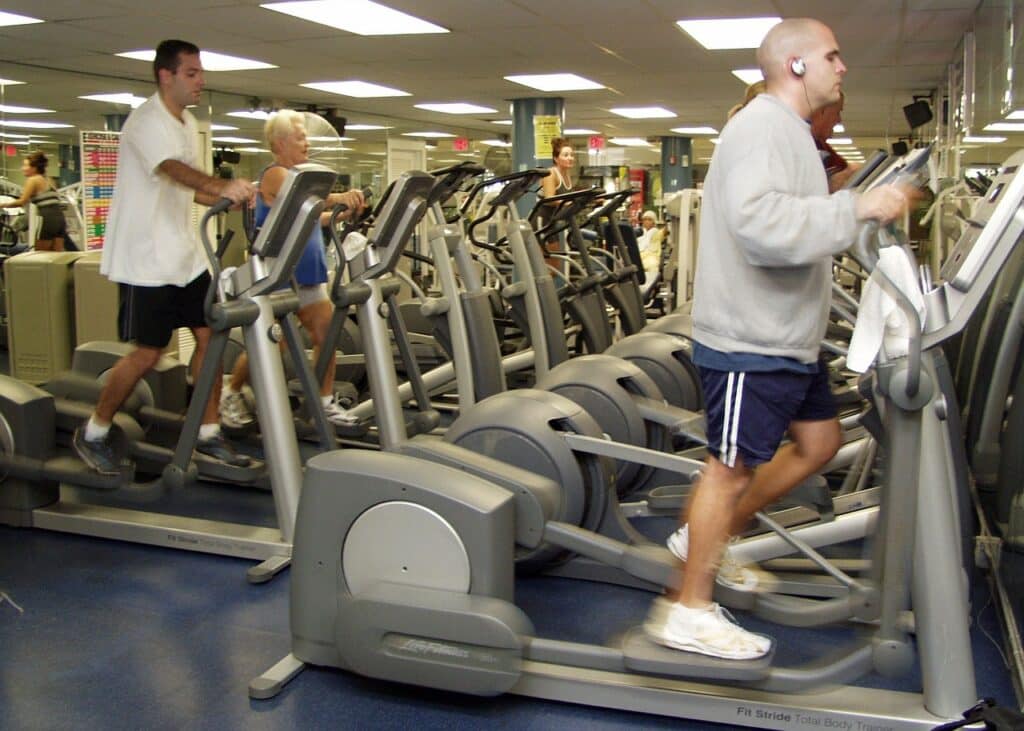
The elliptical trainer, often mistaken for a basic cardio machine, is actually far more than just a piece of gym equipment. Unlike treadmills and traditional stationary bikes that focus primarily on lower-body motion, the elliptical engages both your upper and lower body simultaneously, delivering a comprehensive workout with every stride. Whether you compare it with outdoor running, indoor cycling, or rowing, the elliptical holds its own as a full-body training station capable of building endurance, toning muscles, and burning calories.
The foot pedals move in a smooth oval (or "elliptical") path, reducing stress on the ankles, knees, and hips while still offering a challenging workout. Many models feature adjustable resistance and incline levels, which allow you to customise the intensity to match your current fitness ability. Whether you are just starting out or have been training for years, the elliptical offers a scalable experience that grows with you.
The motion itself is both natural and controlled, mimicking a combination of walking, running, and stair climbing without the harsh impact. This makes it an excellent option for anyone who wants to stay active but needs a gentler approach to exercise. Getting started is straightforward — simply step on, grip the handles, and begin striding at a pace that suits your comfort level.
The Main Benefits of the Elliptical
A Complete Cardiovascular Workout
The elliptical is one of the most efficient machines available for strengthening your cardiovascular system. Regular sessions help improve your heart health by elevating your heart rate into an optimal training zone, which over time strengthens the heart muscle and improves overall circulation. Consistent aerobic exercise on the elliptical can significantly reduce the risk of cardiovascular diseases, including high blood pressure, elevated cholesterol, and stroke.
Studies consistently show that regular cardiovascular activity — even at moderate intensity — contributes to longer life expectancy and improved daily energy levels. The elliptical makes it easy to maintain steady aerobic conditioning without the pounding stress that comes from pavement running or high-impact sports.
Effective Calorie Burning
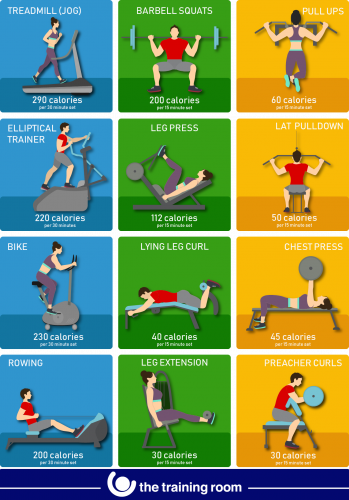
The elliptical machine excels at calorie expenditure, making it an outstanding option for those looking to manage or lose weight. Because it simultaneously engages the upper and lower body, the total caloric output during a session is typically higher than that of machines targeting only one area. Depending on your intensity and body weight, you could burn anywhere from 450 to over 800 calories in a single hour of training.
What makes the elliptical particularly effective for weight management is that it offers sustained, moderate-to-high intensity exercise that you can maintain for extended periods without feeling overly fatigued. The smooth gliding motion means less perceived exertion, so many users find themselves working out longer than they would on a treadmill or exercise bike.
Overall Muscle Toning
One of the standout advantages of the elliptical is its capacity to work a broad range of muscle groups in a single session. The lower body benefits are obvious — your quadriceps, hamstrings, glutes, and calves are all actively engaged with every stride. However, the addition of moving handlebars brings the upper body into the equation as well. Your chest, back, shoulders, and arms all contribute to the pushing and pulling motion, creating a comprehensive toning effect.
By adjusting resistance levels and alternating between forward and reverse pedalling, you can shift the emphasis to different muscle groups. Reverse pedalling, for example, places greater demand on the hamstrings and glutes, while increased resistance challenges the quadriceps and calves more intensely. This adaptability makes the elliptical an efficient all-in-one muscle conditioning tool.
A Gentle Exercise for the Joints
One of the most significant advantages of the elliptical is its low-impact nature. Each time your foot strikes the ground during running or jogging, your joints absorb shock equivalent to several times your body weight. The elliptical eliminates this entirely — your feet never leave the pedals, so there is no jarring impact on your knees, hips, or ankles. This makes the machine ideal for individuals recovering from injury, those managing arthritis, or older adults who want to stay active without aggravating joint issues.
The smooth pedalling motion distributes force evenly across the joints, which helps maintain cartilage health while still building the surrounding muscles that support joint stability. Physical therapists and rehabilitation specialists frequently recommend the elliptical as a safe, effective way to rebuild strength and endurance after surgery or injury.
Versatility and Adaptability of the Elliptical
Varied Training Programmes
The elliptical offers a broad spectrum of training possibilities, meaning you can constantly evolve your workouts to suit your goals and fitness level. You can design routines centred on steady-state endurance, create high-intensity interval sessions that alternate between sprinting and recovery, or programme long, slow-burn workouts that prioritise fat oxidation. Many modern elliptical machines come pre-loaded with guided programmes that take the guesswork out of session planning.
Whether your goal is to build stamina for a sport, recover from an injury, or simply improve your general health, the range of programmable options means the elliptical adapts to you — not the other way around. From gentle warm-ups to punishing hill climbs, the variety of available training modes keeps your routine engaging and effective over the long term.
Adjusting the Intensity
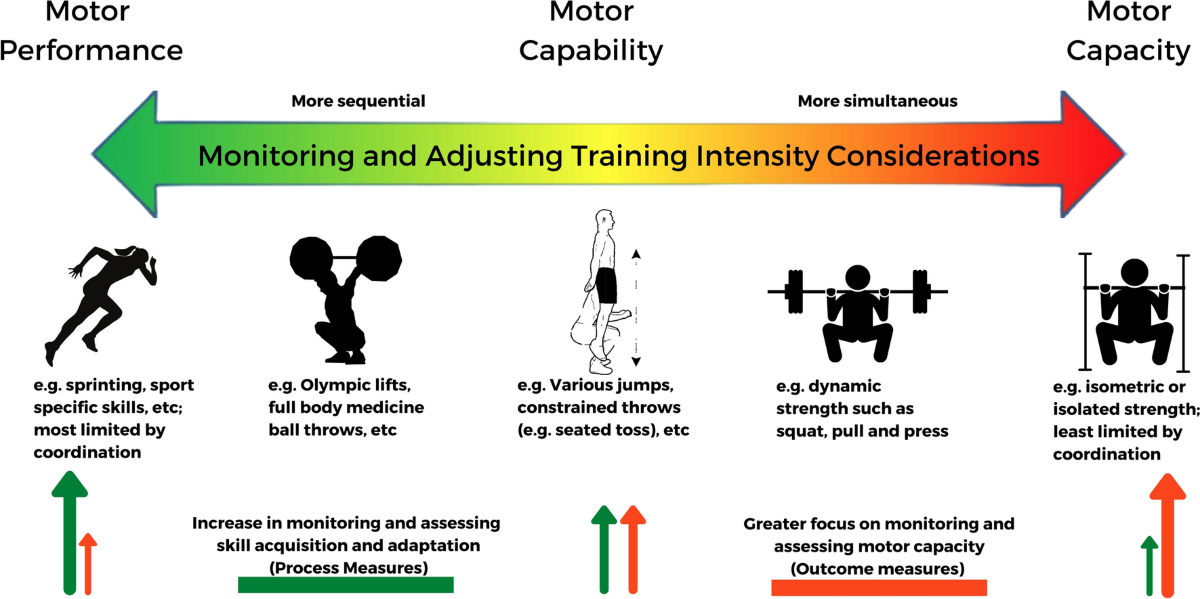
One of the most practical aspects of the elliptical is its ability to allow gradual intensity adjustments within a single session. You can begin with a relaxed warm-up pace at low resistance, then progressively increase speed and resistance to push your body into higher cardiovascular training zones. Most fitness professionals recommend working at a moderate intensity corresponding to roughly 60–80% of your maximum heart rate for optimal fat burning and endurance development.
What truly sets the elliptical apart is the ability to manipulate multiple variables simultaneously — resistance, incline, stride speed, and direction of pedalling — to create sessions that target entirely different fitness outcomes. This level of customisation is difficult to achieve on most other single-piece fitness machines.
Integrating the Elliptical into Your Fitness Routine
Adding the elliptical to your existing workout schedule can significantly enhance both your cardiovascular conditioning and muscular endurance. Whether you are a complete beginner or an experienced athlete, the machine integrates seamlessly into any training plan. For newcomers, starting with three sessions per week at moderate intensity is an ideal entry point. Over time, you can increase the frequency, duration, and resistance to continually push your fitness boundaries.
A well-structured elliptical routine should incorporate a warm-up phase of five to ten minutes at a relaxed pace, followed by a main training block that alternates between higher and lower intensity intervals. Finish with a gradual cool-down to bring your heart rate back to resting levels and reduce the chance of post-exercise stiffness.
Consider pairing your elliptical sessions with complementary strength training exercises for a complete fitness programme. The combination of aerobic conditioning from the elliptical and resistance work from weight training or bodyweight exercises creates a balanced approach that maximises both fat loss and lean muscle development.
Tips for Optimum Use
To get the most from your elliptical sessions, focus on maintaining correct posture throughout. Keep your shoulders relaxed, your core engaged, and avoid leaning heavily on the handlebars. Standing upright and driving through your heels activates the glutes and hamstrings more effectively.
Vary your routine regularly. Alternate between forward and reverse pedalling, adjust the incline for hill-style workouts, and experiment with interval training to keep your body guessing. Changing the stimulus prevents plateaus and ensures continued progress.
Pay close attention to your grip on the moving handles. A light but deliberate grip allows your upper body muscles — particularly the chest, back, and arms — to contribute meaningfully to each stride rather than simply going along for the ride.
Commit to consistency over intensity. It is far more beneficial to train at a moderate level four to five times per week than to push yourself to exhaustion once or twice. Gradual, steady improvement is the foundation of lasting fitness results.
Choosing and Using an Elliptical
Selection Criteria for a Purchase
When shopping for an elliptical trainer, it pays to consider several key factors before making a commitment. First, evaluate the stride length — a longer stride generally delivers a more natural and comfortable motion, particularly for taller individuals. Most quality ellipticals offer stride lengths between 18 and 22 inches, with 20 inches being the most commonly recommended for average-height users.
The flywheel weight matters significantly as well. A heavier flywheel creates smoother, more fluid pedalling, while a lighter one may feel jerky or inconsistent. Look for machines with a flywheel of at least 7 kg for a comfortable home training experience.
Consider the resistance system — magnetic resistance is preferred for its quiet operation, durability, and precise adjustability compared to older friction-based models. Also examine the console features, connectivity options, and available workout programmes. A well-designed display with Bluetooth or Wi-Fi integration can enhance your motivation and allow you to track your progress over time.
Finally, assess the machine's build quality and maximum user weight capacity. A sturdy frame with a high weight rating generally indicates better construction, longer lifespan, and more stable operation during intense workouts.
Conclusion
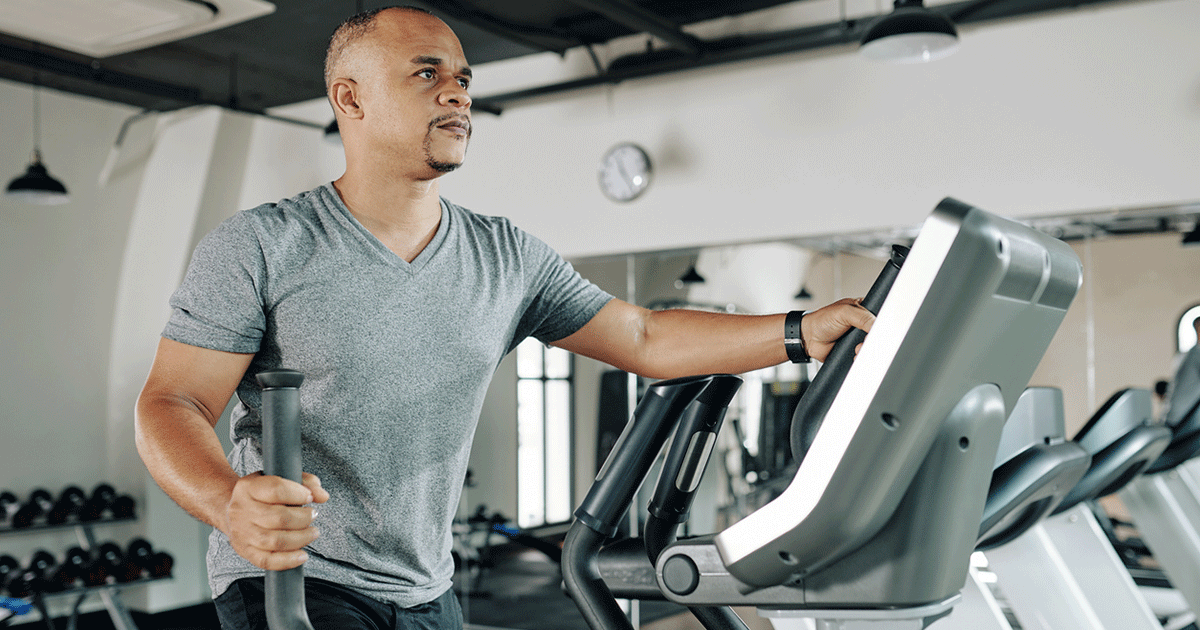
The elliptical trainer has earned its reputation as one of the most versatile and accessible fitness machines available for home and gym use alike. It delivers a complete cardiovascular workout, supports effective calorie burning, engages muscles across the entire body, and does all of this while protecting your joints from unnecessary stress.
The combination of diverse training programmes, adjustable intensity, and scalable difficulty means the elliptical is equally suited for beginners taking their first steps toward better health and seasoned athletes looking to cross-train or recover. Whatever your starting point, the elliptical offers a reliable, low-impact pathway to improved cardiovascular health, greater muscular endurance, and long-term wellbeing.
It is time to make the elliptical a cornerstone of your fitness routine. With consistency and commitment, the results will speak for themselves.
FAQs
What are the main muscles involved in using an elliptical?
The elliptical engages a wide range of muscles simultaneously. In the lower body, you will work your quadriceps, hamstrings, glutes, and calves. The moving handlebars add upper-body involvement, targeting the chest, back, shoulders, and arms. Your core muscles also engage throughout the motion to help maintain balance and proper posture.
How do I choose the right elliptical for my size and fitness level?
Focus on stride length as your primary consideration. Taller individuals should opt for machines with a stride length of 20 inches or more, while shorter users may find an 18-inch stride more comfortable. Look for adjustable resistance with enough levels to challenge you as your fitness improves, and ensure the maximum user weight capacity exceeds your own weight by a comfortable margin.
What are the advantages of an elliptical compared to other fitness equipment for joint protection?
The elliptical stands apart from most cardio machines due to its zero-impact pedalling motion. Unlike treadmills where each footfall sends shock through the knees and hips, your feet remain planted on the pedals throughout the stride. This makes the elliptical particularly suitable for people with joint sensitivities, those recovering from injuries, or anyone seeking a safer long-term exercise option.
How can I adjust the resistance and incline on an elliptical to optimise my workout?
Most quality ellipticals feature digital controls for both resistance and incline. Begin each session at a low setting for your warm-up, then gradually increase both as you progress. Higher resistance builds muscle strength, while a steeper incline shifts emphasis to the glutes and hamstrings. Alternating between high-intensity intervals and moderate recovery periods is an effective strategy for maximising calorie burn and cardiovascular improvement.
Published by Backyard Provider — Your trusted source for outdoor living and fitness equipment.