
Have you ever looked at an elliptical machine and felt ready to jump on and start moving? If so, you're not alone. The elliptical is one of the most popular pieces of cardio equipment for good reason — it's a fantastic option for beginners who want a low-impact workout that still delivers serious results. Whether you're just getting back into a fitness routine or exploring cardio options for the first time, this guide will walk you through everything you need to know.
Elliptical trainers mimic the body's natural movement — a blend of walking, running, and stair climbing — without the harsh impact on your joints. This makes them incredibly accessible for people of all fitness levels. Whether you use one at a gym or in the comfort of your own home, the elliptical can be a cornerstone of your workout plan. In this article, we'll cover how to use it correctly, how to build a routine, and why it's one of the best choices for anyone starting their fitness journey.
Table of Contents
Considerations Before Getting on the Elliptical for the First Time
The elliptical falls into the category of cardio fitness machines. Like all cardiovascular exercises, it's excellent for building endurance, burning calories, and strengthening your heart. However, before you step on for the first time, there are a few important things to keep in mind. Preparation is key — it will help you avoid injury and ensure you get the most from every session.
If you're planning to start training with the elliptical, but you're unsure of where to begin or what to expect, the following tips will set you on the right path. These fundamentals apply whether you're exercising at home or in a commercial gym setting.
Adjust the Elliptical
This exercise machine does not require extensive adjustments. With a little practice, you'll soon find the stride length and resistance level that feel natural. Before you begin, make sure you've configured the elliptical trainer to suit your body. Check that the pedals feel comfortable, that it's on a level surface, and that there's nothing blocking your range of motion. If you notice anything that seems off — like an unusual sound or unsteady footing — address it before starting your workout to avoid potential strain or injury.
Maintain Correct Posture
Place your feet squarely in the center of the pedals. If your feet drift too far forward or too far back, you'll feel uncomfortable and may lose your balance. Your back should remain upright — keep your shoulders relaxed and avoid hunching over the console. Look straight ahead rather than down at your feet. Proper posture not only prevents discomfort but also helps you engage the right muscle groups throughout the session.
Use the Moving Levers for a Complete Workout
When beginning your time on an elliptical machine, one important tip is to avoid relying solely on leg movement. Instead, use the moving handlebars to engage both the upper and lower body simultaneously. This transforms the elliptical from a simple leg exercise into a full-body cardiovascular workout. The pushing and pulling motion of the handles helps activate your arms, chest, back, and core. You also have the option to work on the elliptical without using the movable handles, which shifts the focus to your lower body and challenges your balance and core stability.
Do Not Always Repeat the Same Routine
Doing the same workout routine on the elliptical can be effective initially, but it will eventually lead to a plateau. Your body adapts to repetitive stress, and progress slows. To continue seeing benefits, consider mixing things up with an elliptical cross trainer approach — vary the resistance, change up the incline, or try interval-based sessions. One of the major advantages of the elliptical machine is its versatility. Push yourself with a challenging elliptical workout to keep your body guessing and your results improving.
Activate Your Core
To truly maximize your exercise on an elliptical bike, you need to engage your abdominal muscles throughout the workout. The core is responsible for maintaining a correct and stable posture on the machine. By keeping your core activated — drawing your belly button slightly toward your spine — you'll improve balance, protect your lower back, and get more out of every stride.
Stay Hydrated and Wear Appropriate Clothing
Always have a bottle of water nearby during your workout. Dehydration is a common oversight that can lead to fatigue, cramps, and dizziness. Additionally, wear comfortable, breathable sportswear that allows for a full range of motion. It's also recommended to train in proper athletic shoes with good cushioning and support.
Try the Elliptical Exercise Backwards
If you'd like to take your sessions even further, try pedaling backwards. This reverse motion engages different muscle groups, particularly the hamstrings and glutes. It can also help improve your balance and overall coordination. This movement is especially beneficial for building strength in underused muscles, which can improve your stability and posture over time. Just be sure to reduce the resistance and move at a comfortable pace until you get accustomed to the reverse stride.
The 3 Keys to Start Training on the Elliptical for Beginners
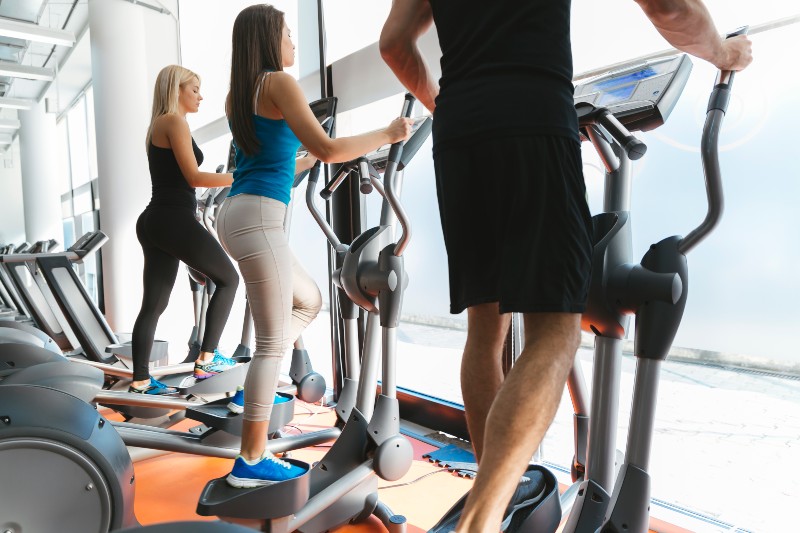
Once you've familiarized yourself with the basics of the machine and you've taken into account our general tips, it's time to focus on the core training principles. These three essential steps will help you build a solid foundation for your elliptical training journey and set you up for long-term success.
Elliptical Workout for Beginners
As we've already covered, if you are starting out on the elliptical, it's best to begin gradually. Start with 15 to 20 minutes at a low intensity, then slowly increase the length and difficulty over time. Don't rush the process — and always prioritize consistency over intensity.
Don't push yourself too aggressively at the beginning. Let the first few weeks be about establishing a habit and learning the machine's feel before pushing the pace. When you start to feel more confident, begin adjusting resistance and experimenting with intervals to take your workouts to the next level.
| Duration | Intensity | RPE |
|---|---|---|
| 0–5 Minutes | Warm-Up | Low |
| 5–8 Minutes | Comfortable | Low–Medium |
| 8–12 Minutes | Moderate Push | Medium |
| 12–17 Minutes | Steady Effort | Medium |
| 17–20 Minutes | Cool Down | Low |
With dedication and the right approach, the elliptical for beginners can unlock a whole new level of fitness. It's an excellent machine for those who want to build cardio fitness without the high-impact stress on joints that running can cause. Whether you're looking at elliptical machines for home or for your gym sessions, this is one of the smartest investments you can make in your health.
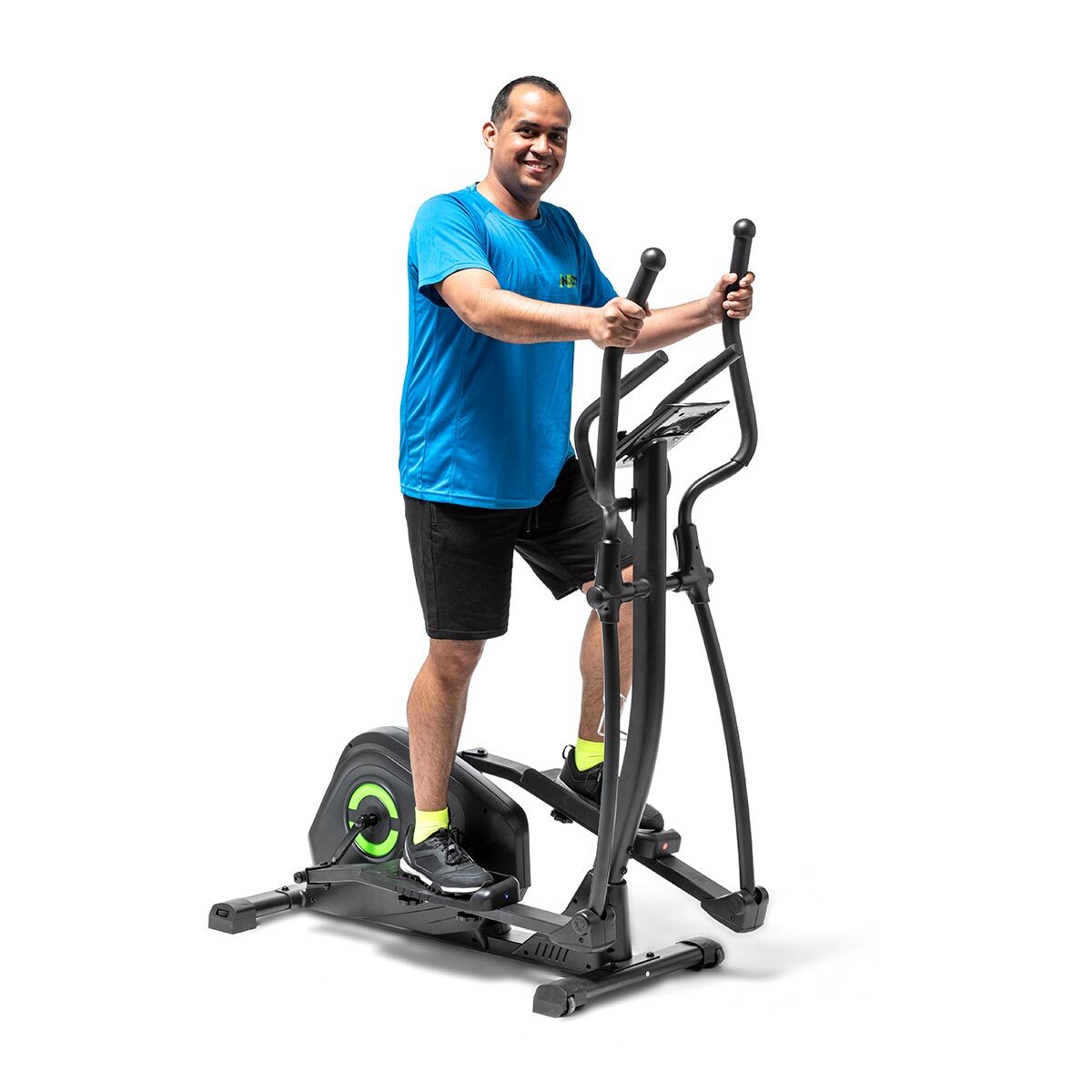
If you're ready to take the next step and bring the elliptical experience into your home, explore our featured elliptical below — a top-rated option that delivers gym-quality performance right in your living room
Quick Recap — Your Beginner Checklist:
✓ Adjust the elliptical to fit your body comfortably
✓ Focus on maintaining proper posture throughout
✓ Engage both upper and lower body using the handles
✓ Vary your workouts to keep progressing
✓ Warm up before and cool down after every session
✓ Start slow and increase intensity gradually