
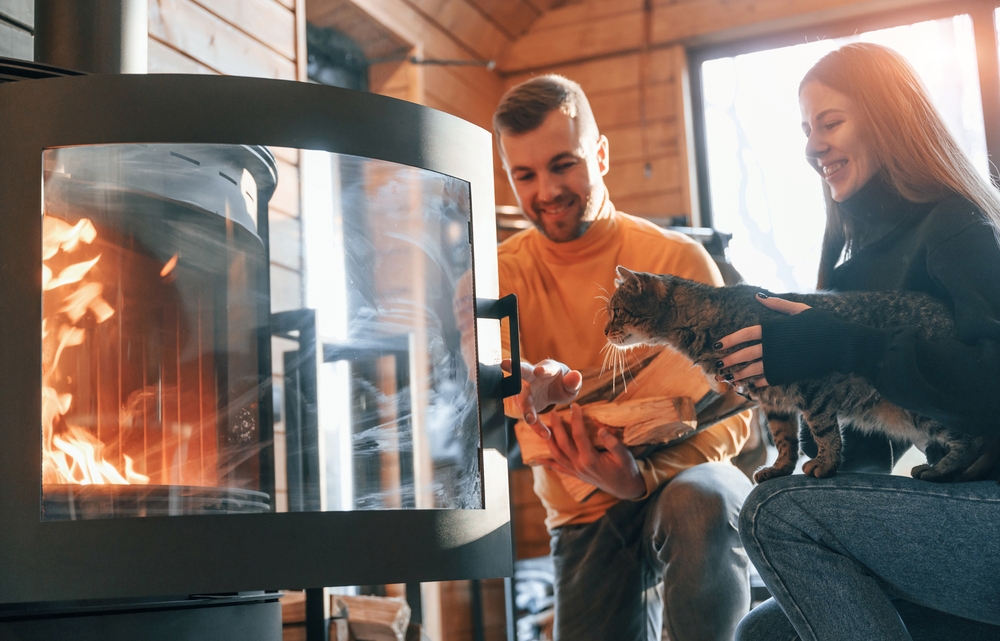
Wood burning stoves remain one of the most beloved heating solutions for homeowners seeking warmth, ambiance, and energy independence. However, operating a wood stove efficiently requires more than simply loading logs and striking a match. Understanding the proper techniques can dramatically improve your heating efficiency, reduce emissions, and extend the life of your stove.
Whether you are a seasoned wood burner or considering your first stove purchase, these ten essential rules will transform how you approach wood heating and help you get the most from every fire.
Embrace Modern Stove Technology
Older wood stoves may carry nostalgic charm, but they often operate at significantly lower efficiency levels and produce excessive emissions. Modern EPA-certified stoves can achieve efficiency ratings of 70-80%, compared to just 40-50% for older models. Upgrading to contemporary technology means more heat from less wood, lower fuel costs, and a cleaner environment both inside and outside your home.
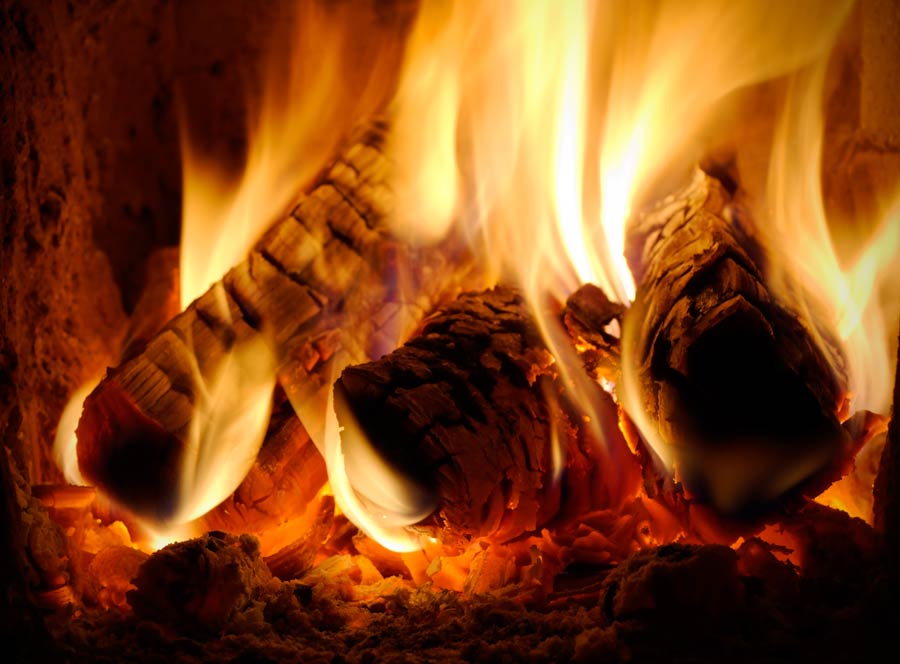
Match Your Stove to Your Space and Climate
Selecting the right size stove is critical for optimal performance. An undersized stove will struggle to heat your space adequately, while an oversized unit may cause you to dampen the fire excessively, leading to incomplete combustion and creosote buildup. Consider your home's square footage, insulation quality, ceiling height, and local climate conditions when choosing a stove. A properly sized unit operates in its ideal range, delivering consistent warmth efficiently.
Burn Only Proper Firewood
Quality fuel is non-negotiable for safe and efficient wood burning. Use only seasoned hardwood that has dried for at least 6-12 months with a moisture content below 20%. Never burn treated lumber, painted wood, plastics, garbage, or glossy papers as these release toxic chemicals and damage your stove. Properly dried wood ignites easily, burns hotter, produces less smoke, and generates minimal creosote compared to green or wet wood.

Master the Top-Down Lighting Method
Forget the traditional bottom-up approach. The top-down method places larger logs at the bottom, with progressively smaller pieces and kindling on top. This technique allows flames to work downward naturally, preheating the flue faster and establishing strong draft quickly. The result is cleaner ignition with significantly less smoke, faster transition to efficient burning, and a more environmentally friendly start to every fire.
Light From the Top
Top-down lighting reduces smoke emissions by up to 50% compared to traditional methods
Maximize Air Supply During Startup
When lighting your fire, open all air controls fully. The initial combustion phase requires abundant oxygen to establish high temperatures quickly. A strong, hot fire during startup burns off volatile gases that would otherwise escape as smoke and pollutants. Keep air controls wide open until flames are well-established and the stove has reached operating temperature, typically indicated by the glass clearing.
Never Completely Close the Air Supply
While it may seem logical to restrict airflow for longer burns, completely closing the air supply creates dangerous conditions. Starved fires smolder at low temperatures, producing excessive creosote, carbon monoxide, and particulate emissions. Maintain adequate airflow to sustain visible flames. Modern stoves are designed to regulate combustion automatically, so trust the engineering and avoid the temptation to over-dampen your fire.
Load Wood Appropriately for Your Stove
Every stove has an optimal fuel load capacity. Overloading restricts airflow and reduces combustion efficiency, while underloading fails to generate adequate heat. Follow manufacturer guidelines for maximum log size and quantity. Generally, allow enough space between logs for air circulation and avoid packing wood tightly. Reload when a bed of hot coals remains rather than waiting for the fire to die completely.
Allow Proper Cooling Before Maintenance
Before performing any cleaning or maintenance, ensure your stove has cooled completely. Hot surfaces can cause severe burns, and ash may contain hidden embers for up to 24 hours after the fire appears extinguished. When removing ash, always use a metal container with a tight-fitting lid and store it outdoors on a non-combustible surface. Patience during the cooling process protects both you and your home.
Commit to Regular Maintenance
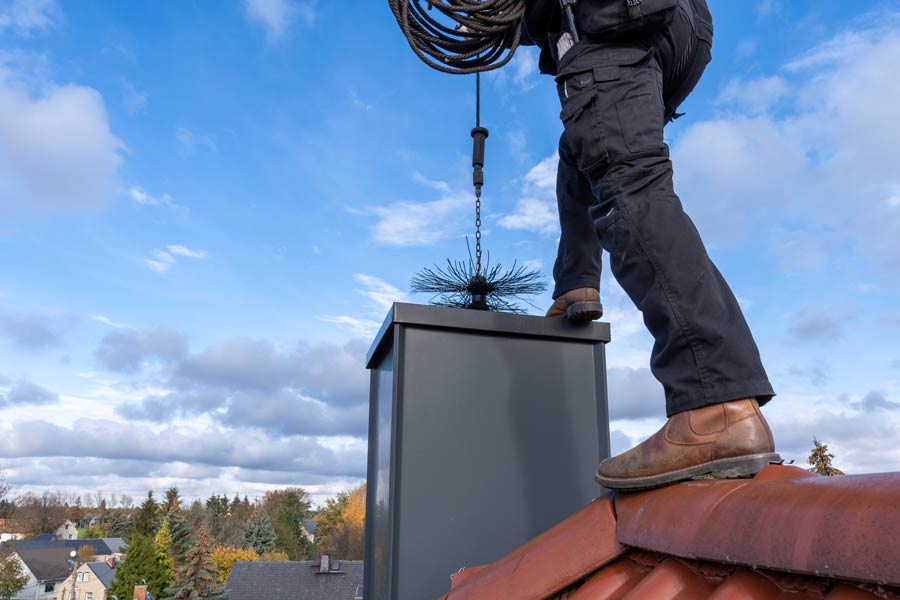
A well-maintained stove operates safely and efficiently for decades. Schedule professional chimney inspections and cleaning at least annually, preferably before each heating season. Regularly check door gaskets for proper seal, clean the glass to monitor fire quality, and inspect firebricks for cracks or deterioration. Address worn components promptly to prevent larger problems and maintain peak performance throughout the winter months.
Respect Your Stove's Capacity Limits
Overloading your stove in pursuit of maximum heat output is counterproductive and potentially dangerous. Excessive fuel loads can cause overfiring, which damages internal components, warps metal parts, and creates fire hazards. Your stove's output rating represents its safe and efficient maximum. If you need more heat, consider supplementing with a second stove or upgrading to a larger model rather than pushing your existing unit beyond its design parameters.
Burn Smarter, Live Warmer
Following these ten essential rules transforms wood burning from a simple heating method into an art form. You will enjoy greater warmth from less fuel, protect your family with safer operation, and reduce your environmental footprint with cleaner combustion. Whether heating a cozy cabin or supplementing your home's primary system, these principles ensure every fire delivers maximum comfort with minimum waste.
Ready to Upgrade Your Wood Heating?
Experience the perfect blend of efficiency, power, and modern design with our premium wood stove selection.
Osburn 3500 Wood StoveBackyard Provider is committed to helping you create the perfect outdoor living and home heating experience.