
Wood stoves have warmed homes for generations, offering a reliable and eco-friendly heating solution that combines practicality with timeless charm. Beyond the cozy ambiance and radiant warmth they provide, wood stoves serve as an excellent backup during power outages, ensuring your family stays comfortable regardless of external circumstances.
Choosing the ideal wood stove involves careful evaluation of several factors, including size specifications, heating efficiency, design aesthetics, and safety features. This comprehensive guide walks you through every essential consideration to help you find the wood stove that perfectly suits your home.
Key Considerations Before Purchasing a Wood Stove
Understanding your heating needs is the critical first step. Determine whether the wood stove will function as your primary heat source or supplement an existing heating system. This decision directly impacts the size and output capacity you should target.
For a compact cabin requiring occasional heating, a smaller, efficient model delivers excellent performance. Larger residences or homes in colder regions benefit from higher-output stoves capable of maintaining consistent warmth throughout multiple rooms.
Energy efficiency ratings matter significantly. Stoves with superior efficiency ratings convert more wood into usable heat, reducing fuel consumption and minimizing the frequency of refueling. This translates to both cost savings and environmental benefits over time.
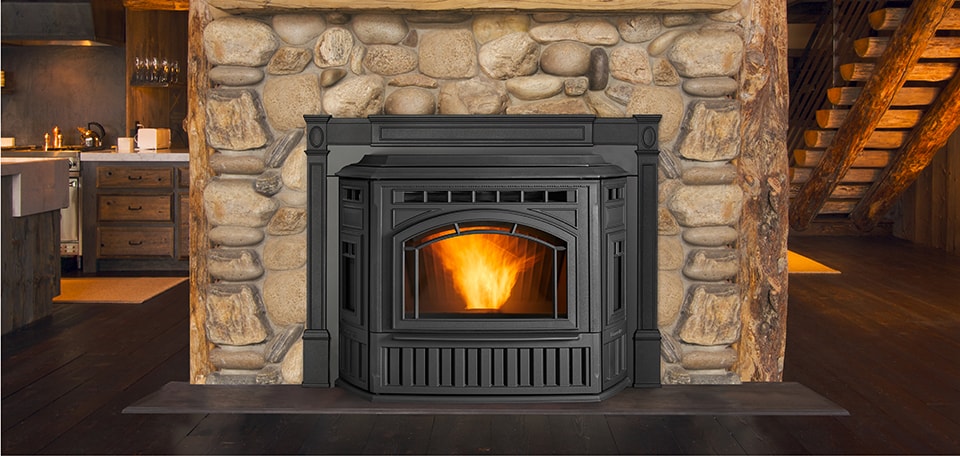
Understanding Wood Stove Varieties
Wood stoves fall into two primary categories, each offering distinct advantages depending on your priorities and maintenance preferences.
Non-Catalytic Wood Stoves
These stoves incorporate firebox insulation, large baffles, and secondary combustion air systems to achieve efficient burning. Their straightforward design makes them easier to operate and maintain, though they may require slightly more frequent cleaning. Non-catalytic models typically cost less upfront, making them popular choices for budget-conscious homeowners.
Catalytic Wood Stoves
Catalytic stoves utilize a ceramic combustor coated with a catalyst that ignites smoke gases at lower temperatures, resulting in more complete combustion. This technology delivers longer burn times and exceptional efficiency, extracting maximum heat from each load of wood. The catalytic element requires periodic replacement, but the performance benefits often justify this maintenance investment.
Heat Output and Efficiency Explained
Heat output, measured in British Thermal Units (BTUs), indicates the warming capacity of your stove. Matching BTU output to your space ensures optimal comfort without unnecessary fuel consumption.
A small living area of around 1,000 square feet typically requires approximately 20,000 BTUs. Open floor plans or rooms with high ceilings may demand 40,000 BTUs or more to maintain comfortable temperatures throughout the space.
Efficiency ratings reveal how effectively the stove converts wood into heat. A stove achieving 80% efficiency directs most of its energy into warming your home rather than losing it through the chimney. Higher efficiency means burning less wood to achieve the same warmth, reducing both effort and expense over the heating season.
Essential Safety Guidelines for Wood Stove Owners
Safety remains paramount when operating any wood-burning appliance. Always verify that your chosen stove carries EPA certification and meets Underwriters Laboratories safety standards. These certifications confirm the unit adheres to strict emissions and operational safety requirements.
Professional installation ensures proper venting and adequate clearance from combustible materials. A qualified installer will position the stove correctly and connect it to an appropriate chimney system that safely channels smoke and gases outside.
Maintain a clear zone around the stove using a fireproof hearth pad and floor protector. This prevents accidental fires from stray sparks or embers and provides a safe area for loading wood and managing the fire.
Maintenance Practices for Optimal Performance
Regular maintenance keeps your wood stove operating safely and efficiently throughout its lifespan. Clean the stovepipe at least once per season, or more frequently if you use the stove heavily, to remove dangerous creosote buildup that can lead to chimney fires.
Keep the glass door clean with a water-based fireplace cleaner or a simple mixture of water, vinegar, and ash. Clear glass allows you to monitor the fire and enjoy the visual ambiance of dancing flames.
Select quality firewood for best results. Hardwoods like oak, maple, and ash burn longer and produce more consistent heat than softer species. Always ensure your wood has been properly seasoned for at least six months to reduce moisture content and maximize burning efficiency.
Discover the Ideal Wood Stove for Your Home
The right wood stove delivers years of dependable warmth, energy independence, and the unmatched comfort of a real fire. By carefully evaluating your heating requirements, efficiency priorities, and design preferences, you can select a stove that becomes the heart of your home.
Shop Osburn 3500 Wood StoveQuestions about choosing the right wood stove? Our team at BACKYARD PROVIDER is ready to help you find the perfect heating solution for your space.