
When the cold season arrives and you're looking to maximize the efficiency of your wood-burning stove, a log burner fan can be a game-changing addition. These clever devices work silently to distribute heat throughout your space, ensuring you get the most from every log you burn.

Understanding How Log Burner Fans Work
A log burner fan represents an ingenious solution to heat distribution challenges. These compact devices sit atop your wood stove and operate using a fascinating principle called the Seebeck effect, which converts temperature differences into electrical energy. The base of the fan absorbs heat from your stove while the top remains cooler, creating a temperature differential that powers the fan blades without requiring batteries or electrical outlets.
As the fan blades rotate, they push warm air away from the stove and into your living space. This gentle circulation prevents heat from accumulating at the ceiling and ensures a more uniform temperature throughout the room. The beauty of this design lies in its simplicity and self-sufficiency, making it an eco-friendly choice for homeowners who want to optimize their heating system.
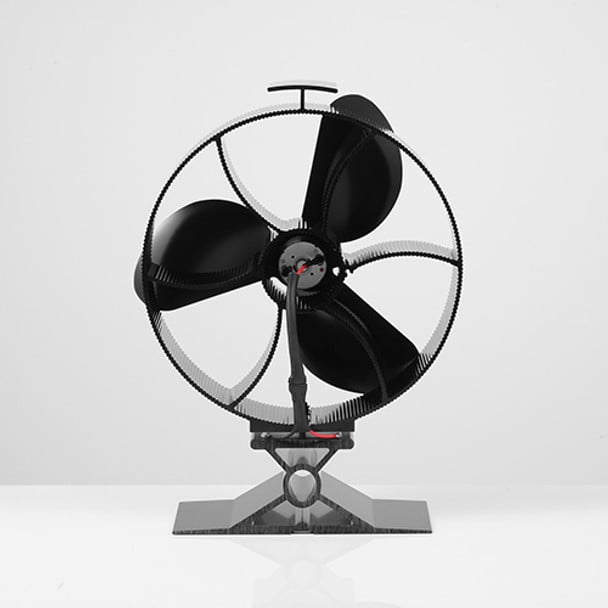
The Mechanics Behind Stove Fan Operation
The operational principle behind these fans is truly remarkable. When you place the fan on your wood stove's surface, the thermoelectric module at its base begins working immediately. This module contains special materials that generate voltage when exposed to heat gradients. As your stove heats up, typically reaching temperatures between 150°F and 650°F, the fan automatically begins spinning.
The rotation speed adjusts naturally based on your stove's temperature. A hotter stove produces faster blade rotation, which means more air circulation when you need it most. This automatic regulation means you never have to worry about adjusting settings or monitoring the fan's performance. It simply works in harmony with your heating source.
What makes this technology particularly appealing is its whisper-quiet operation. Unlike electric fans that can be disruptive, log burner fans produce minimal noise, allowing you to enjoy the crackling ambiance of your fire without mechanical interference.
Key Advantages of Installing a Stove Fan
Adding a log burner fan to your wood stove setup delivers numerous practical benefits that enhance both comfort and efficiency. These advantages make them an increasingly popular accessory among wood stove owners who want to maximize their investment.
Enhanced Heat Distribution Throughout Your Space
Perhaps the most significant benefit is improved heat circulation. Without a fan, warm air naturally rises and collects near the ceiling, leaving floor-level spaces cooler. A stove fan actively pushes this heated air forward and outward, creating better air movement that reaches every corner of your room. This means you'll feel warmer faster and experience more consistent temperatures throughout your living area.
Significant Fuel Cost Savings
By distributing heat more effectively, these fans help you reduce wood consumption. When heat circulates properly, you can achieve your desired room temperature with less fuel. Many users report burning fewer logs throughout the season, which translates directly into cost savings. Over time, the fan essentially pays for itself through reduced fuel expenses.
Accelerated Room Warming
With improved air circulation, your room reaches comfortable temperatures much quicker. Instead of waiting for natural convection to slowly warm your space, the fan actively moves heated air, cutting your warm-up time considerably. This rapid heating is especially appreciated on particularly cold mornings or when you first return home.
Environmentally Conscious Operation
These fans require no external power source, making them remarkably eco-friendly. They generate their own electricity from your stove's heat, which means zero energy consumption from your home's electrical grid. For environmentally conscious homeowners, this self-powered operation aligns perfectly with sustainable living goals.
Extended Stove Longevity
By moving air away from the stove surface, these fans help prevent localized overheating. This cooling effect can reduce thermal stress on your stove's components, potentially extending its operational lifespan. The fan itself also includes automatic thermal protection that lifts slightly when temperatures become excessive, protecting both the fan and your stove.
Whisper-Quiet Performance
Unlike traditional electric fans that can generate noticeable humming or buzzing sounds, log burner fans operate almost silently. You'll enjoy improved heat distribution without audio distractions, preserving the peaceful atmosphere of your home. The only sound you'll hear is the gentle crackling of your fire.
Superior Air Quality Management
Better air circulation doesn't just move heat—it also helps maintain fresher air quality throughout your room. The constant gentle movement prevents stagnant air pockets and helps distribute oxygen more evenly, contributing to a healthier indoor environment during the heating season.
Essential Product Recommendations for Your Wood Stove
If you're looking to optimize your wood stove's performance, we recommend considering a high-quality wood stove with integrated blower capabilities. The right equipment can make all the difference in your heating efficiency and comfort levels throughout the winter season.
Premium Wood Stove with Integrated Blower System
Experience maximum heating efficiency with a professional-grade wood stove designed for optimal heat distribution and air circulation in your home.
Installation and Positioning Guidelines
Setting up your log burner fan couldn't be simpler, but proper placement ensures optimal performance. The fan should be positioned on a flat surface atop your wood stove, ideally toward the rear section where temperatures tend to be most consistent. Avoid placing it directly above the firebox opening where temperatures can fluctuate dramatically.
Make sure the fan sits level and stable, with adequate clearance around the blades for unrestricted air movement. Most fans begin operating automatically once the stove surface reaches approximately 150°F, so there's no manual activation required. Simply position it correctly and let the thermodynamics do the work.
For optimal air distribution, ensure nothing blocks the front of the fan. The device needs clear space to push air forward effectively. If you have a particularly large stove, you might even consider using two fans positioned at opposite ends to maximize circulation coverage.
Maintenance and Care Requirements
One of the most appealing aspects of log burner fans is their minimal maintenance needs. These devices are built to withstand high temperatures and require very little attention to keep functioning properly. However, a few simple care practices will ensure your fan continues operating efficiently season after season.
Periodically wipe down the fan blades and housing to remove dust and ash accumulation. This cleaning is best performed when the stove is completely cold. A soft cloth or brush works perfectly for this task. Keeping the fan clean ensures smooth blade rotation and prevents any buildup that might affect performance.
Check the base of the fan occasionally to ensure it remains free of debris. The thermoelectric module needs good contact with the stove surface to function correctly. If you notice the fan slowing down or stopping prematurely, a thorough cleaning of both the fan base and stove top usually resolves the issue.
During the off-season when your stove isn't in use, store the fan in a dry location to protect it from moisture and temperature extremes. This simple precaution helps preserve the thermoelectric components and extends the fan's useful life.
Selecting the Right Fan for Your Stove
When shopping for a log burner fan, several factors deserve consideration. Fan size matters—larger stoves benefit from fans with bigger blade diameters that can move more air volume. Conversely, compact stoves work well with smaller, more streamlined models.
Build quality significantly impacts longevity and performance. Look for fans constructed from durable materials like anodized aluminum that can withstand prolonged heat exposure. Quality models typically feature robust thermoelectric modules that provide reliable power generation across a wide temperature range.
Blade design also influences air movement efficiency. Fans with well-engineered blade angles and configurations move air more effectively while maintaining quiet operation. Some premium models include multiple blades for enhanced air circulation.
Temperature range compatibility is another crucial consideration. Ensure the fan you select operates effectively within your stove's typical temperature output. Most quality fans function well between 150°F and 650°F, which accommodates most wood stove operating ranges.
Common Questions and Troubleshooting
If your fan doesn't start spinning immediately after placing it on the stove, don't be concerned. The stove surface needs to reach sufficient temperature to generate enough electrical power. Give it time to heat up properly, and the fan will begin operating once optimal conditions are met.
Should you notice reduced fan speed over time, this often indicates the stove surface or fan base needs cleaning. Ash residue can act as insulation, preventing efficient heat transfer to the thermoelectric module. A quick cleaning typically restores full performance.
Some users worry about fan safety at high temperatures. Quality stove fans include built-in thermal protection that causes the base to lift slightly when temperatures become excessive. This self-regulating feature protects both the fan and your stove from potential damage.
Final Thoughts on Wood Stove Fan Investment
A log burner fan represents a smart investment for anyone serious about wood stove heating efficiency. These compact devices deliver impressive benefits—from improved heat distribution and fuel savings to enhanced comfort and environmental responsibility—all while requiring no electrical power and minimal maintenance.
Whether you're looking to reduce heating costs, warm your space more quickly, or simply maximize your wood stove's performance, a quality stove fan provides a straightforward solution. The technology is proven, reliable, and remarkably effective at transforming how heat moves through your living space.
As you consider your wood heating setup, remember that efficient heat distribution doesn't require complex systems or expensive modifications. Sometimes the simplest solutions deliver the most impressive results, and log burner fans exemplify this principle perfectly. They work silently in the background, making your home warmer and more comfortable while helping you use less fuel—a combination that benefits both your wallet and the environment.