
Transform your outdoor living space into a stunning retreat with the perfect gazebo. Whether you're dreaming of peaceful morning coffees, lively evening gatherings, or a shaded sanctuary from summer heat, choosing the right gazebo is essential for creating your ideal backyard oasis. This comprehensive guide walks you through everything you need to know to make an informed decision that enhances both your lifestyle and property value.
Essential Planning Before Your Purchase
Before diving into styles and materials, taking time to plan ensures your gazebo investment delivers maximum enjoyment for years to come. Thoughtful preparation prevents costly mistakes and helps you select a structure that perfectly complements your outdoor space and lifestyle needs.
Assess Your Available Space
Begin by carefully measuring your backyard and identifying potential locations for your gazebo. Consider not just the footprint of the structure itself, but also the surrounding area you'll need for furniture, walking paths, and landscaping. A common mistake is underestimating the total space required – remember that a 12-foot gazebo needs more than just 12 feet when you account for comfortable access and usage.
Think about sight lines from your home's windows and how the gazebo will look from different vantage points throughout your property. The location should feel integrated into your landscape rather than awkwardly placed. Also consider proximity to your house – too far, and you won't use it as often; too close, and it won't provide that sense of escape you're seeking.
Pro Planning Tip: Stake out your proposed gazebo location with rope or garden hoses to visualize the actual footprint before making your purchase. Live with this visual for a few days, observing how it affects traffic flow, sun exposure at different times, and your overall backyard functionality.
Establish Your Budget Early
Gazebo prices vary dramatically based on size, materials, and features, ranging from modest investments to premium luxury structures. Setting a realistic budget from the outset helps narrow your options and prevents the disappointment of falling in love with something beyond your financial comfort zone. Remember to factor in not just the initial purchase price but also installation costs, necessary site preparation, and potential accessories like curtains, lighting, or furniture.
Consider the total cost of ownership over time. While a lower-priced gazebo might seem appealing initially, investing more in quality materials and construction often proves more economical long-term when you consider maintenance, repairs, and replacement costs. Sometimes spending an extra thousand dollars upfront saves you several thousand over the structure's lifetime.
Define Your Gazebo's Purpose
How you plan to use your gazebo significantly influences which style and features you should prioritize. Will it primarily serve as a quiet reading retreat, an outdoor dining room, a hot tub enclosure, or a venue for entertaining guests? Perhaps you envision multiple uses throughout the seasons. Understanding your primary purpose helps determine the ideal size, necessary features, and design elements that will make your gazebo truly functional for your lifestyle.
Think through various scenarios: Will you need electrical outlets for lighting or appliances? Should you consider built-in benches or leave the space open for flexible furniture arrangements? Do you need protection from insects, or do you prefer an open, airy feel? These practical considerations ensure your gazebo becomes a well-used extension of your home rather than an underutilized ornament.
Materials Matter: Understanding Your Gazebo Construction Options
The material you choose for your gazebo dramatically impacts its appearance, durability, maintenance requirements, and overall cost. Each option brings distinct advantages and considerations, making it crucial to understand how different materials perform in various climates and usage scenarios.
Premium Cedar Construction

Cedar stands as a premier choice for gazebo construction, beloved for its natural beauty and exceptional performance characteristics. This aromatic wood features gorgeous grain patterns and rich coloring that weathers gracefully to an elegant silvery-gray patina if left untreated, or maintains its warm tones with periodic sealing. Beyond aesthetics, cedar contains natural oils that make it naturally resistant to rot, decay, and insect damage – qualities that translate to impressive longevity with relatively minimal maintenance.
The lightweight yet sturdy nature of cedar makes it easier to handle during installation while still providing excellent structural integrity. It also offers superior insulation properties compared to metal alternatives, keeping the space more comfortable in temperature extremes. The main considerations with cedar include its higher initial cost compared to pressure-treated lumber and the periodic maintenance required to preserve its appearance and weather resistance. However, many homeowners find that cedar's natural elegance and durability justify the premium investment.
Pressure-Treated Pine
Pressure-treated pine offers an economical alternative that still delivers solid durability and weather resistance. Modern treatment processes infuse the wood with preservatives that protect against rot, fungi, and insect damage, making it suitable for ground contact and extended outdoor exposure. This affordability makes pressure-treated pine an attractive option for budget-conscious homeowners or those prioritizing size over premium materials.
The primary tradeoff comes in appearance – pressure-treated wood lacks the natural beauty of cedar and requires painting or staining to achieve a finished look. The wood also tends to be heavier and may contain more imperfections like knots and warping. Additionally, you'll need to wait for the wood to dry before applying finishes, and ongoing maintenance including regular staining or sealing is necessary to maintain protection and appearance. Despite these considerations, pressure-treated lumber remains a practical, long-lasting choice when properly maintained.
Vinyl and Composite Options
Vinyl and composite materials represent the low-maintenance end of the gazebo spectrum, appealing to those who want to minimize upkeep while still enjoying outdoor living. These engineered materials resist rotting, splintering, fading, and insect damage without requiring staining, painting, or sealing. A simple wash with soap and water typically handles all necessary cleaning, making them ideal for busy homeowners or those who prefer spending time enjoying their gazebo rather than maintaining it.
Modern vinyl and composite gazebos have evolved significantly from earlier versions, now offering more realistic wood-grain textures and diverse color options. However, they generally lack the authentic appearance of natural wood and may not suit traditional or rustic landscape designs. Quality varies considerably among manufacturers, with budget options sometimes appearing cheap or becoming brittle over time. Premium composite products perform admirably but often cost as much as or more than wood alternatives while still missing that genuine natural aesthetic many homeowners desire.
Metal Gazebos
Metal gazebos, typically constructed from aluminum or steel, offer a distinct aesthetic that complements modern, contemporary, or industrial design themes. Aluminum options provide excellent rust resistance and remarkable durability with minimal maintenance, while powder-coated steel delivers exceptional strength. These structures excel in areas with harsh weather conditions, as they won't rot or warp and can withstand heavy snow loads when properly designed.
The primary considerations include the industrial appearance that may clash with traditional gardens, potential for the metal to become uncomfortably hot in direct sun, and less effective insulation compared to wood. Steel components require protective coatings to prevent rust, particularly in humid or coastal environments. However, for those seeking a sleek, modern outdoor space or maximum durability with absolute minimum maintenance, metal gazebos present a compelling option that can last for decades.
Ready to Transform Your Backyard?
12' Bayside GazeboRoof Materials: Your First Line of Weather Defense

While the gazebo frame provides structure and style, your roof choice determines how well the space protects you from the elements and how much maintenance you'll face over the years. The roofing material also significantly impacts the overall aesthetic and cost of your gazebo.
Asphalt Shingle Roofing
Asphalt shingles represent the most popular roofing choice for residential gazebos, offering an unbeatable combination of affordability, weather protection, and variety. These shingles come in countless colors and styles, making it easy to match or complement your home's existing roofing for a cohesive property appearance. They provide excellent protection against rain, snow, and sun while remaining budget-friendly and readily available through most suppliers.
Installation is straightforward for professionals or experienced DIYers, and damaged shingles can be easily replaced without redoing the entire roof. The main considerations include the weight – requiring a sturdy frame structure – and a typical lifespan of fifteen to twenty years before replacement becomes necessary. Regular inspections and minor maintenance help maximize longevity, but eventual replacement should be factored into your long-term ownership costs. Despite these considerations, asphalt shingles remain the go-to choice for most permanent gazebo installations.
Cedar Shake and Shingle Roofs
Cedar roofing elevates your gazebo to premium territory with its unmatched natural beauty and rustic charm. The organic texture and warm tones of cedar shakes or shingles create a timeless, elegant appearance that ages gracefully. Beyond aesthetics, cedar offers natural insulation properties and weather resistance when properly maintained. The distinctive look perfectly complements traditional, craftsman, or cottage-style architecture and creates a truly high-end outdoor living space.
However, cedar roofing demands more attention than other options. Regular maintenance including cleaning, treating, and periodic replacement of damaged pieces is essential to prevent rot and maintain appearance. The material costs significantly more than asphalt shingles, and installation requires specific expertise. Additionally, fire resistance is lower unless the wood receives special treatments. For those willing to invest the time and money, cedar roofing delivers unparalleled character and natural beauty that makes your gazebo a true showpiece.
Metal Roofing Systems
Metal roofing brings modern performance and longevity to gazebo design, with aluminum, steel, and copper options each offering unique benefits. These roofs excel in durability, often lasting forty years or more with minimal maintenance beyond occasional cleaning. Metal roofs shed snow and rain efficiently, resist fire, and won't rot or support moss growth. The smooth, sleek appearance suits contemporary designs, while standing-seam styles can complement traditional aesthetics.
Consider that metal roofs can be noisy during rain or hail unless properly insulated, and they may dent from falling branches or severe hail. The material can also become quite hot in direct sun, potentially radiating heat into the gazebo space. Installation costs typically run higher than asphalt shingles, though the extended lifespan often balances this investment. Color options, while more limited than shingles, have expanded considerably in recent years, and modern finishes resist fading effectively.
Polycarbonate and Fabric Canopy Options
Lightweight polycarbonate panels or fabric canopies serve well for those seeking an airy, temporary feel or maximum light transmission. Polycarbonate panels offer UV protection while allowing soft, diffused natural light to filter through, creating a bright yet shaded space perfect for plants or daytime lounging. They're virtually unbreakable and much lighter than traditional roofing, reducing structural requirements.
Fabric canopies provide the most economical roofing solution with easy replacement, allowing you to change colors or remove the covering entirely during certain seasons. However, these options offer less weather protection than solid roofs, provide minimal insulation, and require more frequent replacement. Fabric is particularly vulnerable to tearing, fading, and weather damage. These materials work best for seasonal gazebos, areas with mild climates, or spaces where you primarily seek sun protection rather than complete weather coverage.
Critical Features and Specifications to Consider
Beyond basic materials and size, several specific features and design elements significantly impact how well your gazebo serves your needs and fits into your outdoor living vision.
Weather Resistance and Wind Ratings
Verify that your chosen gazebo meets appropriate wind and weather ratings for your region. Coastal areas, locations prone to severe storms, or regions with heavy snow require sturdier construction with proper anchoring systems. Check manufacturer specifications for snow load capacities and wind resistance ratings.
Screening and Mosquito Protection
Integrated screening or the ability to add screens transforms your gazebo into a comfortable, bug-free zone during peak mosquito seasons. Consider whether screens should be fixed, removable, or retractable based on your climate and usage patterns. Quality screening materials resist tearing and UV degradation while maintaining visibility.
Built-in Structural Support
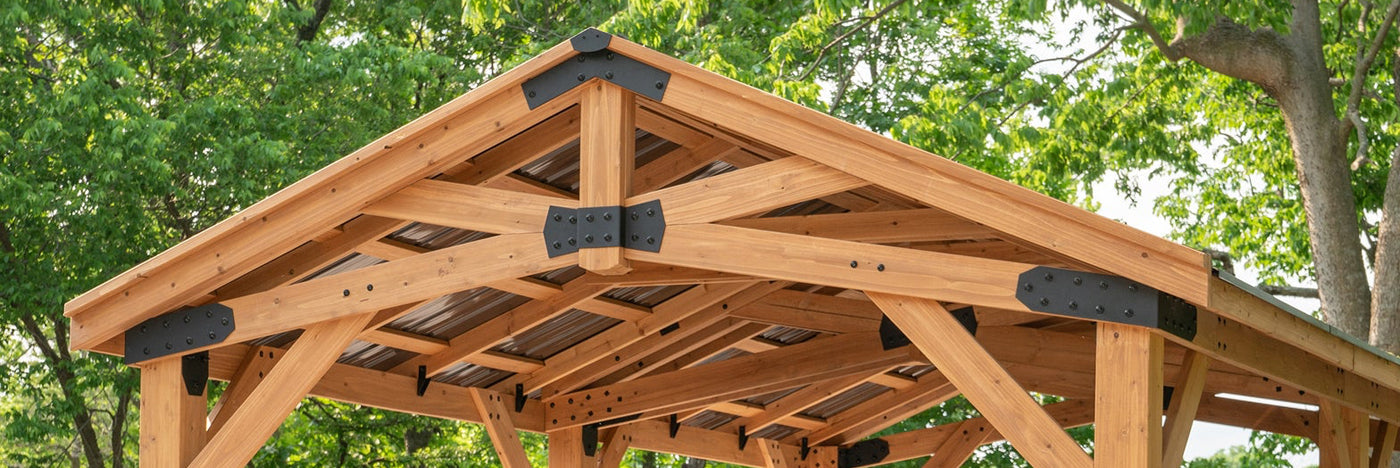
Examine the quality of posts, beams, and rafters that form your gazebo's skeleton. Heavier lumber dimensions and well-engineered joints provide better stability and longevity. Look for features like reinforced corners, heavy-duty brackets, and substantial cross-bracing that indicate quality construction.

Electrical Integration and Lighting Options
Planning for electricity from the beginning opens up possibilities for ambient lighting, ceiling fans, outlets for entertainment equipment, and more. Even if you don't need power immediately, running conduit during initial installation costs far less than retrofitting later. Consider your lighting needs for evening use – overhead fixtures, string lights, or integrated LED systems each create different atmospheres.
Weatherproof outlets allow you to power speakers, charge devices, or run small appliances without extension cords running back to your house. Ceiling fans dramatically improve comfort during hot weather while adding a finishing touch to the interior. Always hire licensed electricians for any electrical work, ensuring proper weatherproofing, GFCI protection, and code compliance for outdoor installations.
Foundation and Anchoring Systems
A solid foundation is crucial for stability, longevity, and preventing settling or shifting over time. Options range from simple ground stakes for temporary structures to concrete footings for permanent installations. Your climate, soil conditions, and local building codes influence which foundation type works best. Concrete pier foundations provide maximum stability and keep wood components above ground moisture, significantly extending the structure's life.
Proper drainage around your gazebo prevents water pooling that can damage foundations and create muddy conditions. Slope the surrounding grade away from the structure, and consider gravel or drainage systems for areas with heavy rainfall. In regions with freeze-thaw cycles, footings must extend below the frost line to prevent heaving. Don't skimp on foundation work – it's far easier to build it right initially than to correct settling or stability issues later.
Warranty Coverage and Customer Support
Comprehensive warranty protection provides peace of mind and indicates manufacturer confidence in their product. Look for warranties that cover structural components for at least five to ten years, with longer coverage on premium models. Understand what the warranty includes and excludes – some cover materials but not labor, or exclude damage from natural weathering versus defects.
Research the company's reputation for honoring warranties and providing customer support. Access to replacement parts, clear installation documentation, and responsive customer service makes ownership far more pleasant when you need assistance. Reading customer reviews specifically about warranty experiences and support responsiveness helps identify manufacturers who stand behind their products versus those who make claiming coverage difficult.
Protection Against Rot and Decay
Even naturally resistant woods benefit from protective treatments and design features that minimize moisture exposure. Look for designs that include drainage details, keep wood away from direct ground contact, and promote air circulation to prevent moisture accumulation. Quality gazebos incorporate flashing at joints where water might penetrate and include proper drainage paths for water running off the roof.
Regular maintenance dramatically extends your gazebo's lifespan. Establish a routine that includes annual inspections of all joints and connections, reapplication of water-repellent treatments as needed, and immediate repair of any damage. Pay special attention to areas where water tends to collect or where different materials meet, as these spots are most vulnerable to deterioration.
Assembly and Installation Considerations
Understanding what's involved in getting your gazebo from delivery to completion helps you budget appropriately and plan the project timeline realistically.
DIY Assembly or Professional Installation?
Many gazebo kits are designed for homeowner assembly, featuring pre-cut components and detailed instructions. If you're handy with tools, enjoy projects, and can recruit a helper or two, DIY installation can save substantial money. However, honestly assess your skills and available time – what manufacturers estimate as a weekend project often stretches longer when you encounter unexpected challenges or learn techniques as you go.
Professional installation guarantees proper assembly, typically includes warranty coverage on the installation work, and gets your gazebo completed quickly without consuming your weekends. Contractors have the experience to handle complications, proper tools for efficient work, and liability insurance if anything goes wrong. For larger structures, complex designs, or if the project includes electrical work and substantial foundation preparation, professional installation often proves worth every penny.
Site Preparation Requirements
Proper site preparation ensures your gazebo sits level, drains well, and provides a stable, comfortable base. This work often represents a significant portion of the total project effort. You may need to clear vegetation, remove sod, level the ground, and create proper drainage. Some installations require gravel bases for drainage and stability, while others need concrete pads or pier foundations.
Don't underestimate the physical labor and time involved in site work, especially if you encounter rocks, roots, or need to move significant amounts of soil. Renting equipment like a sod cutter, plate compactor, or small excavator can make the work far more manageable. Getting the site properly prepared before your gazebo kit arrives prevents frustrating delays and ensures a quality installation.
Required Tools and Equipment
Before starting your project, inventory what tools you'll need and identify any you must rent or borrow. Basic requirements typically include power drills, saws, levels, ladders, and various hand tools. Larger projects may benefit from impact drivers, miter saws, or scaffolding for safe roof work. Reading through assembly instructions before beginning helps you identify and gather all necessary tools, preventing mid-project trips to the hardware store.
Quality tools make the work easier, safer, and faster while producing better results. If you don't own certain specialized tools required for your project, consider whether purchasing them makes sense based on likely future use, or if renting provides better value. Having helpers available is essential for handling large panels, lifting roof sections, and ensuring everything stays properly aligned during assembly.
Permits and Building Codes
Many municipalities require building permits for permanent structures like gazebos, especially those exceeding certain size thresholds or including electrical work. Requirements vary significantly by location, so check with your local building department before purchasing or beginning work. Permit fees are generally modest, and obtaining proper approval protects you from having to dismantle an unpermitted structure or facing challenges when selling your property.
Building codes typically address setback requirements (how far structures must be from property lines), height restrictions, foundation specifications, and structural standards. Homeowners associations may impose additional rules about styles, colors, sizes, or placement. Researching these requirements during your planning phase prevents discovering prohibitions after you've already invested in your gazebo. When in doubt, consulting with local authorities or hiring professionals familiar with local codes provides clarity and peace of mind.
Create Your Dream Outdoor Space Today
12' Bayside GazeboMaking Your Final Selection
After considering all these factors, you're equipped to make an informed decision that balances your desires, needs, and budget. Start by revisiting your primary goals – whether that's creating an entertainment hub, a quiet retreat, or a functional outdoor room. Prioritize must-have features versus nice-to-have options, understanding that perfection may mean compromising in some areas to excel in others.
Request quotes from multiple suppliers and compare not just prices but also what's included – some packages provide more complete kits while others require purchasing additional components separately. Factor in all costs including delivery, site preparation, assembly, and any accessories you'll want immediately. Sometimes a slightly higher initial price includes valuable extras that would otherwise add hundreds to your total investment.
Don't rush this decision. A gazebo represents a significant investment that will impact your outdoor living experience and property appearance for years or decades to come. Take time to visit showrooms when possible, examine construction quality firsthand, and talk with others who own similar structures about their experiences. The perfect gazebo for your backyard awaits – armed with knowledge from this guide, you're prepared to find it and create the outdoor sanctuary you've been envisioning.
Your Next Step: Now that you understand what makes a great gazebo, explore our curated selection of premium structures designed to transform your backyard into an extraordinary outdoor living space. Each gazebo in our collection has been selected for quality construction, thoughtful design, and exceptional value – giving you confidence that you're investing in lasting beauty and functionality.